Matox News

Truth Over Trends, always!

May 4: The Takeout with Major Garrett — Fresh Insights for Young Minds

The recent closure of Spirit Airlines and the unsettling reports of missing U.S. soldiers in Morocco serve as stark reminders of the underlying power struggles that continue to shape domestic and international policy landscapes. While these events may seem disconnected at face value, they are emblematic of a broader trend where leadership decisions and policy responses reveal much about the core priorities of the current administration and opposition alike. Both incidents act as flashpoints for debates over economic resilience and strategic national security—issues that test the very foundation of governance and influence how ordinary citizens are impacted.

The collapse of a major airline such as Spirit Airlines underscores a critical failure of economic oversight and regulatory policy. Critics argue that bureaucratic mismanagement and regulatory overreach have contributed to the airline’s demise, creating ripple effects through employment sectors and consumer confidence. The incident exemplifies a power struggle between free-market principles championed by conservative factions and the increasingly interventionist policies favored by left-leaning policymakers. Historical parallels—such as the deregulation era of the late 20th century—demonstrate that economic freedom often balances precariously against safety and stability, with the public frequently bearing the brunt of policy failures.

Meanwhile, the reports of missing U.S. soldiers in Morocco have ignited concerns over America’s strategic engagement abroad. Experts in constitutional law and national security emphasize that such incidents reveal vulnerabilities within the US’s overseas military commitments—commits driven not solely by geopolitical strategy but also by internal political struggles for influence. The power dynamics between military brass, intelligence agencies, and political leaders have always defined modern warfare. This particular crisis begs the question: are decisions in these corridors of power driven by national interest or by internal political egos seeking influence over foreign policy? These episodes serve as stark reminders that decisions made in the corridors of power have real consequences for the soldiers and their families.

In the broader context, these crises highlight that politics remains an ongoing battle for control—a fierce contest where policymakers, political theorists, and constitutional experts scrutinize each move for implications on civil liberties, economic stability, and national security. The historical parallels—such as the Cold War’s secret diplomacy or the post-9/11 expansion of executive power—highlight the delicate dance between authority and accountability. As citizens watch these events unfold, it becomes apparent that the decisions made today will ripple through generations, shaping the destiny of the nation. The stage is set for a new chapter in political history—one where every act leaves a mark that defines the future of the American identity, revealing that even in these moments of crisis, politics remains the ultimate arena where fate is forged.

Audible Boosts Focus by Syncing eBooks and Audiobooks for Young Minds

Audible Disrupts Traditional Reading Habits with Immersive Augmented Reading Technology

In a bold move demonstrating the rapid convergence of audio and digital reading platforms, Audible has unveiled its innovative “immersion reading” feature, signaling a decisive shift in how consumers engage with books in the digital age. This latest offering allows users to seamlessly synchronize audio narration with on-page text, highlighting the synchronized content in real-time. As the digital marketplace continues to evolve, Audible’s platform exemplifies how disruption can redefine traditional reading paradigms, making immersive content more accessible and engaging for the next generation of learners and readers.

The core innovation behind “immersion reading” capitalizes on enhanced interactivity and multi-sensory engagement, which experts suggest could significantly boost comprehension and retention. Users can activate the feature within the Audible app by tapping “Read & Listen,” and as the audiobook progresses, the corresponding text is highlighted in sync with the narration. This is particularly valuable for language learners, students, and avid readers seeking a more focused experience. Audible estimates that hundreds of thousands of titles—including numerous in German, Spanish, Italian, and French—will support this feature at launch, aligning with trends toward multilingual and multicultural digital content.

The business implication of this strategic enhancement is profound. By combining the strengths of both audiobook and e-book markets, Audible is effectively creating a hybrid ecosystem that emphasizes interoperability and user engagement. While the feature requires users to own both formats, it opens avenues for increased subscription and data-driven content personalization. Moreover, competing platforms such as Spotify are rapidly exploring similar innovations, with Spotify’s recent “Page Match” feature allowing users to scan printed pages and synchronize them with audiobooks, highlighting a broader industry shift toward immersive, synchronized experiences. These advancements pave the way for a future where the boundaries between different media formats—text, audio, and video—blur, challenging entrenched publishing and entertainment models.

Analysis by technology analysts like Gartner underscores that such features are indicative of a broader disruption in digital content consumption. In the emerging landscape dominated by AI-powered, interactive, and personalized experiences, the ability to offer multifaceted engagement will be a key differentiator. Companies that invest in these innovations not only appeal to tech-savvy youth but also capitalize on the growing demand for inclusive, accessible content that supports learning and leisure simultaneously. This strategic focus on immersive media also aligns with trends observed in leading institutions like MIT and Silicon Valley giants, emphasizing that the future of digital media hinges on how well companies can integrate multimodal content and foster deeper engagement.

Looking ahead, the rollout of features like Audible’s immersion reading signals a pivotal moment for the entire industry. As consumer expectations evolve rapidly, the race to innovate and disrupt traditional narratives will intensify. In this competitive and fast-evolving environment, the ability to leverage technology for enhanced engagement will determine industry leaders. The next decade promises to redefine storytelling and education through immersive, synchronized audio-text experiences—a convergence of innovation and disruption with far-reaching implications for content creators, publishers, and tech giants alike. The message is clear: those who embrace these transformative shifts—focusing on disruption, innovation, and strategic agility—will shape the future of digital media.

Intel’s Tick-Tock is Dead: What it Means for Tech and Young Minds

Intel Reinforces Focus on AI and Next-Gen Chip Innovation Amid Industry Disruption

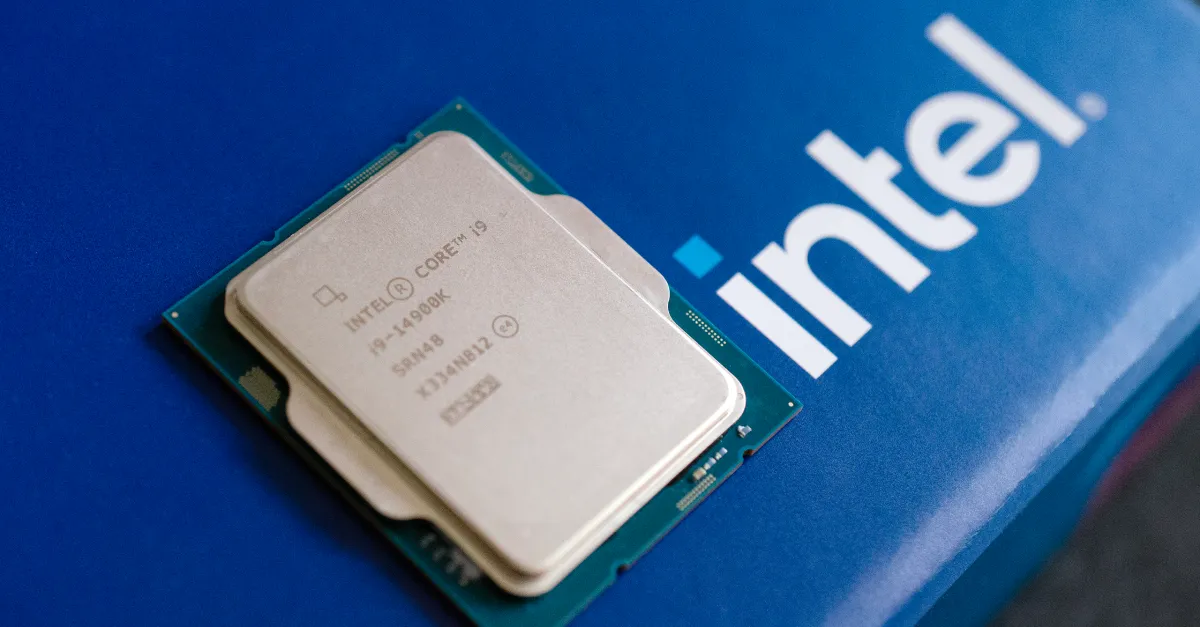
In its Q3 2025 earnings report, Intel marked a critical milestone: its first profit in nearly two years. This turnaround underscores the company’s strategic pivot towards high-margin AI server chips, signaling a significant disruption in the semiconductor landscape. With supply chain shortages expected to peak early next year, Intel CEO Lip-Bu Tan emphasized prioritizing capacities for AI applications over traditional consumer processors. This shift highlights the industry-wide acknowledgment of AI’s transformative potential and demands a rethinking of supply chain strategies to capture emerging market opportunities.

Looking ahead, Intel’s ambitious plans to release new AI GPUs annually follow the footsteps of industry heavyweights Nvidia and AMD, who have already disrupted the traditional product cadence. As Tan revealed, maintaining competitive relevance in AI hardware is crucial, and Intel is positioning itself to meet the surging demand. However, this aggressive schedule raises questions about the company’s ability to balance innovation with supply chain resilience, especially within the context of ongoing component shortages. These decisions could define whether Intel maintains its trajectory toward innovation-led growth or gets sidetracked by supply constraints.

At the core of these developments is Intel’s advanced 17A and 18A process nodes. The company continues to invest heavily in these next-generation manufacturing nodes, promising to power “at least the next three generations” of client and server products. Yet, persistent yield issues at 18A threaten to delay mass adoption; CEO Zinsner admitted yields are “adequate,” but not yet at a level to sustain robust margins. This acknowledgment is a stark reminder that technology disruption in semiconductor manufacturing is not without challenges; the industry’s push for smaller, more powerful nodes is fraught with complex engineering hurdles. The proposed Intel 14A node, potentially crucial for future competitiveness, is now under renewed confidence thanks to customer support, with Zinsner suggesting that it is outperforming initial expectations.

  • Innovation: Intel’s focus on AI hardware and advanced manufacturing
  • Disruption: Industry-wide shift towards AI chip cadence, challenging traditional tick-tock models
  • Business implications: Supply chain realignment, strategic prioritization, and large-scale investment in next-generation nodes
Social Media Auto Publish Powered By : XYZScripts.com