Matox News

Truth Over Trends, always!

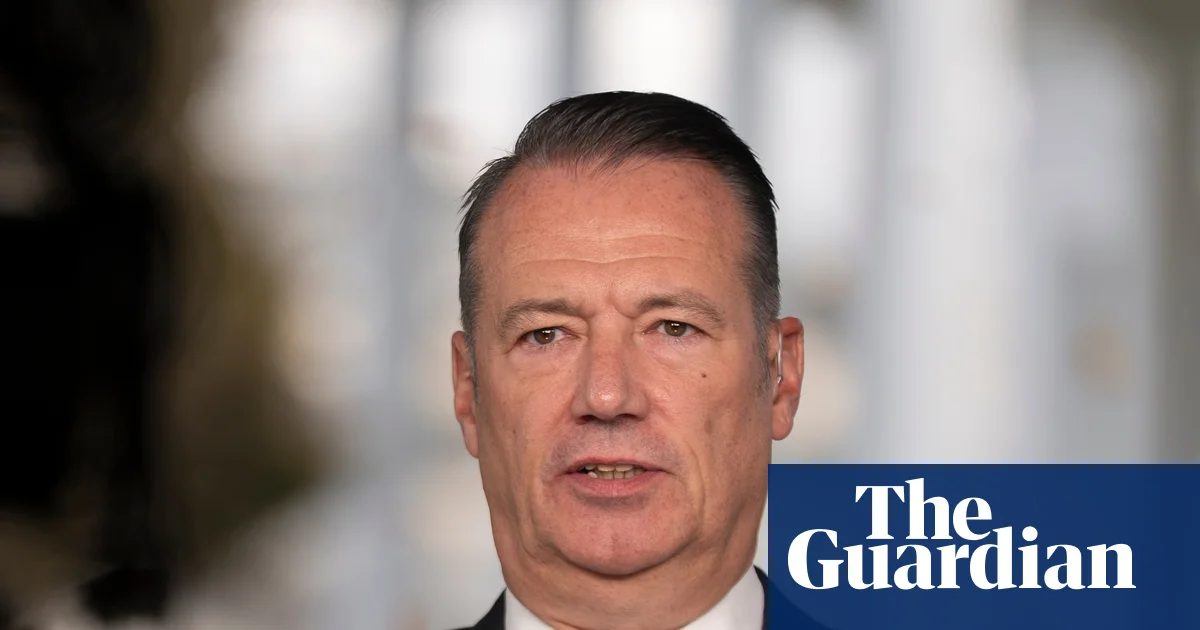
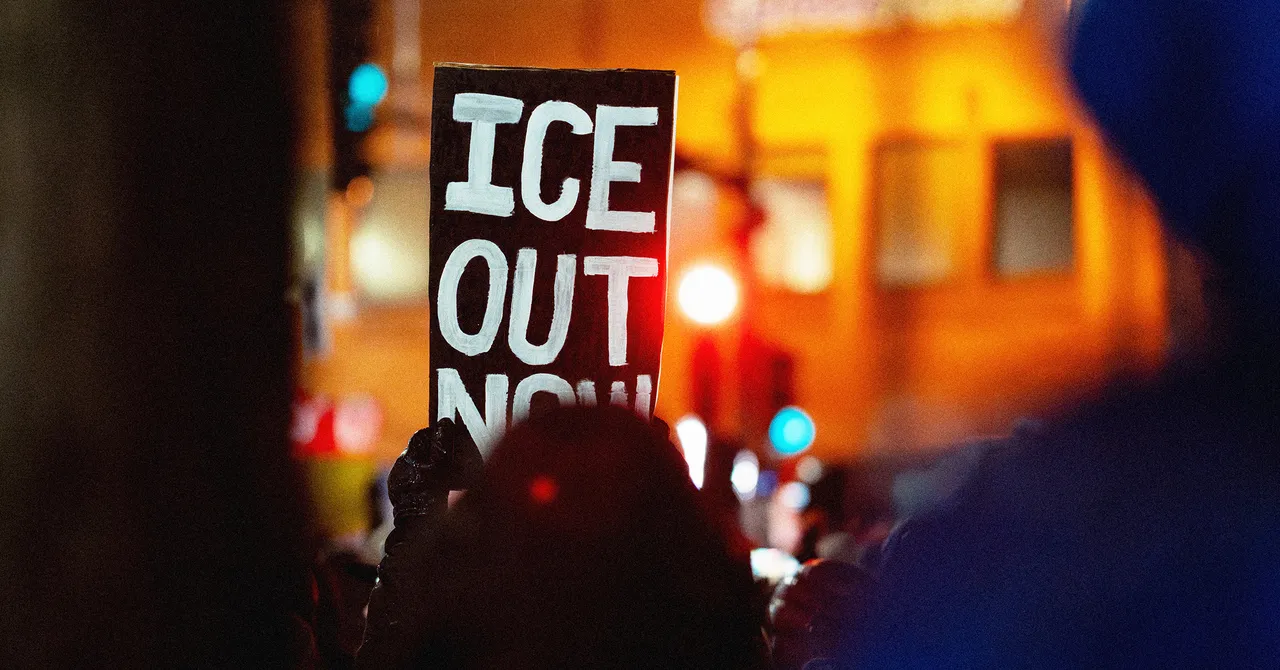
FBI and Minnesota cops probe ICE arrest that battered man’s skull

Investigation Unfolds Over Alleged ICE Assault in Minnesota

The recent incident involving Alberto Castañeda Mondragón, a Mexican national, has become a flashpoint in the ongoing debate over law enforcement conduct and immigration enforcement in the United States. Authorities in Minneapolis are investigating allegations that immigration officers from ICE brutally assaulted Castañeda Mondragón during a January arrest, resulting in severe skull fractures and life-threatening injuries. This case has ignited a global discussion about the abuses of power, racial profiling, and the lack of transparency surrounding immigration enforcement practices, raising critical questions about the consequences of aggressive policing tactics in a nation founded on the rule of law.

The facts surrounding the incident are under intense scrutiny. Witnesses and hospital reports indicate that Castañeda Mondragón sustained injuries incompatible with ICE’s narrative—claiming he attempted to escape handcuffs and hit his head on a concrete wall. Medical experts have dismissed this version, citing fractures across his skull that suggest levels of trauma inconsistent with a fall. Meanwhile, surveillance footage from nearby businesses, which could shed light on the events, appears to have been overwritten, hampering efforts by investigators. The FBI and St. Paul police are now probing the circumstances—yet a climate of suspicion persists, fueled in part by past abuses and controversies involving ICE officers.

This case is emblematic of broader geopolitical tensions that cross national borders. The United States has long been entangled in a complex and often controversial immigration policy, with critics accusing federal agencies of racial bias, misconduct, and systemic abuse. As analysts warn, these incidents can harden anti-American sentiment in Latin America and erode the legitimacy of U.S. justice, particularly when the global community increasingly views America’s immigration enforcement as a form of soft imperialism. The publicized misconduct not only jeopardizes U.S. diplomatic relations—especially with Mexico, whose citizens are disproportionately affected—but also fuels discontent and mistrust among immigrant communities within the country. The policies that govern immigration enforcement thus directly influence social cohesion, international perceptions, and geopolitical stability.

From the perspective of international institutions and historical critics, the controversy highlights a recurring pattern: yet another example where law enforcement agencies in the West are accused of crossing the boundaries of acceptable conduct, risking the erosion of civil liberties. The United Nations and human rights organizations have expressed concern over the increase in police brutality and controversial immigration raids, framing them as symptomatic of wider systemic failures. Some experts, including prominent historians, note that such incidents echo troubling chapters from the history of authoritarian state tactics—where perceived threats are harshly suppressed, often with minimal accountability. The relentless scrutiny sent through investigations and court proceedings becomes a challenge to the “culture of impunity” that persists in some law enforcement circles.

Crucially, this incident underscores the turning point in public awareness about civil rights versus national security priorities. As lawmakers and civic advocates demand increased transparency and accountability, the timing could not be more pivotal. The U.S. faces mounting pressure to reconcile its commitment to international human rights standards with its enforcement policies—an effort further complicated by internal political divisions and the influence of powerful security agencies. The case of Alberto Castañeda Mondragón might serve as a catalyst for reform or, conversely, deepen the cycle of secrecy and misuse of authority if unchecked. Ultimately, the unfolding drama encapsulates a core question: which principles will define the future of justice in a nation that claims to stand for liberty and equality but is haunted by its own shadows of violence and injustice? As history continues to be written, the world—and the victims of these encounters—wait for answers yet to come.
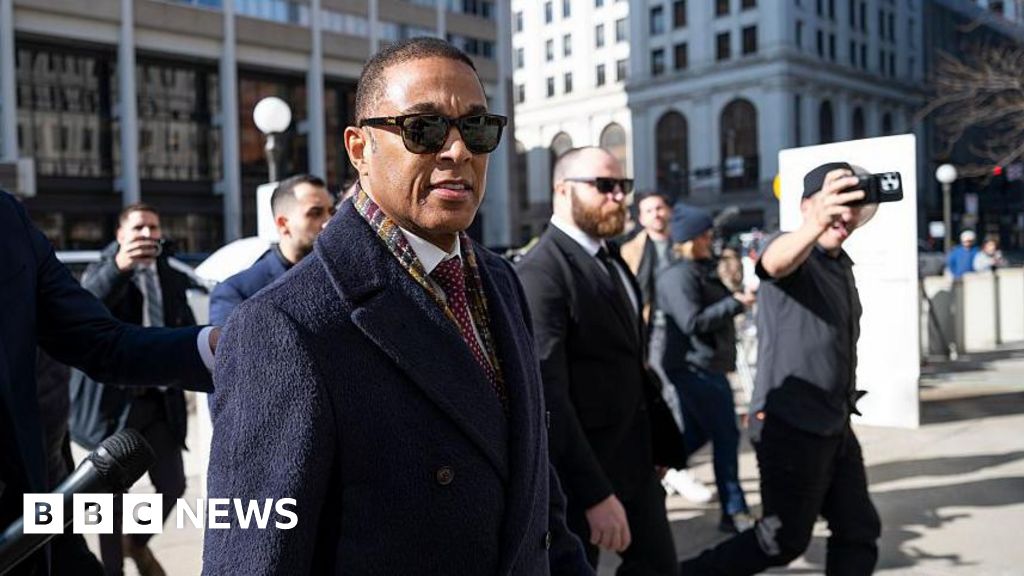
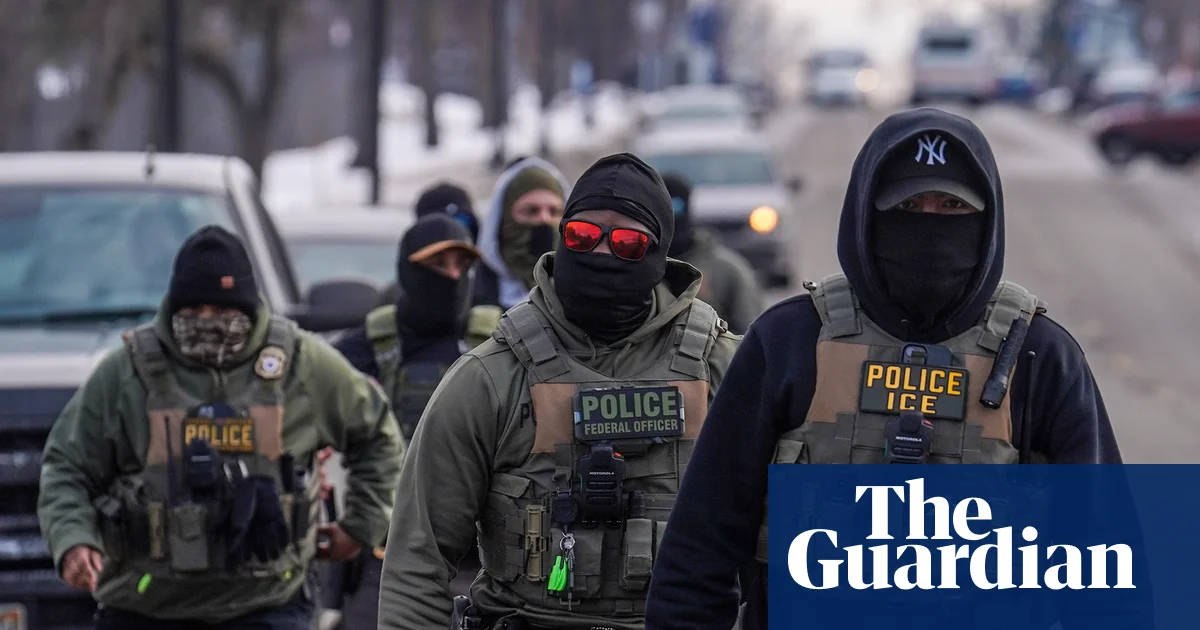
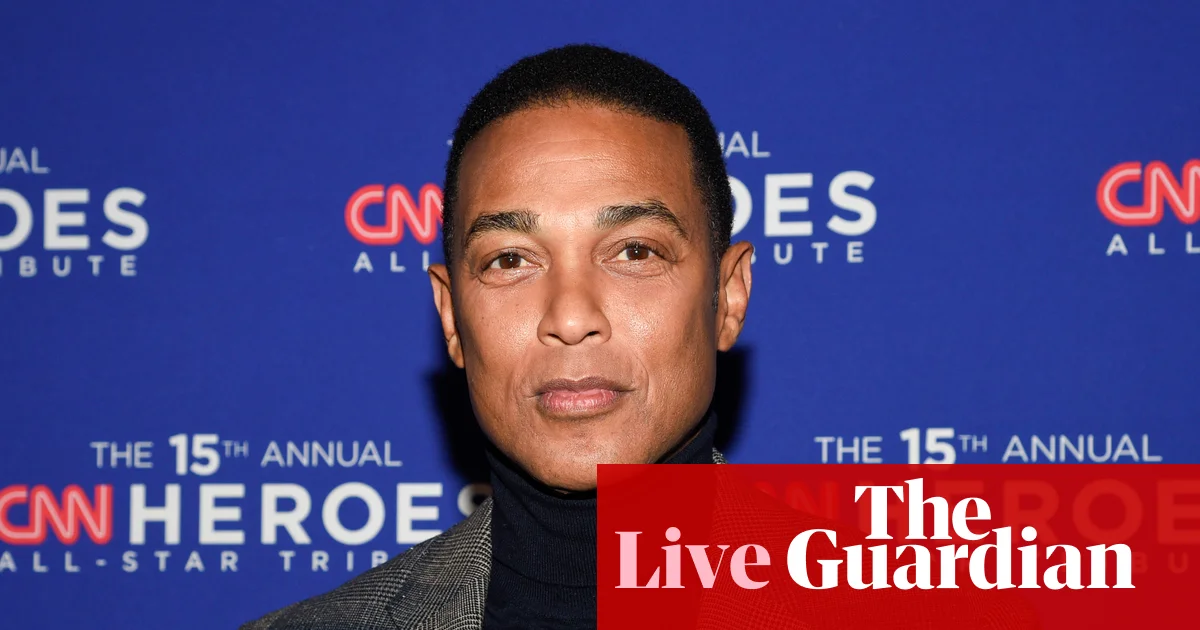
Ex-CNN Host Don Lemon Battles Back in Minnesota Church Protest Case

The recent incident in the United States, where a former CNN host along with eight other individuals were formally charged for interrupting a church service as a form of protest against immigration raids, underscores a troubling shift in domestic activism with global repercussions. The act, which took place during an event ostensibly rooted in faith and community, reflects a broader trend of activists leveraging public spaces to challenge increasingly contentious immigration policies. Such actions, while hailed by some as courageous civil disobedience, also serve as a stark mirror to the deep divisions rippling across American society and, by extension, the geopolitical landscape.

This stark confrontation between law enforcement, civil liberties, and national security considerations does not merely echo within U.S. borders but resonates far beyond. Analysts warn that these localized protests symbolize a broader international narrative where governments face mounting pressure from civic groups, advocacy organizations, and external actors. The United States’ handling of immigration policies, often shaped by bipartisan debates, is increasingly intertwined with global power dynamics, especially with nations like Mexico and Central America. As the U.S. continues to combat irregular migration flows, every act of domestic protest magnifies the overarching question: how will internal dissent influence America’s role on the world stage?

Geopolitical Impact and International Repercussions

Foreign policy experts highlight that these spectacles of civil unrest do more than challenge domestic policy—they alter international perceptions of America’s stability and commitment to the rule of law. According to international think tanks and historians specializing in U.S. history, acts of civil disobedience such as these may contribute to a narrative of chaos or instability, which adversarial nations could exploit. Moreover, the ongoing discourse reveals a nation at a crossroads—balancing its immigration commitments with the stringent enforcement measures that have become a wedge issue domestically.

Additionally, the incident arrives amidst rising tensions with China and Russia, who eagerly watch America’s internal divide as a sign of vulnerability. Global institutions, including the United Nations and European Union, have issued mixed messages—calling for human rights protections while grappling with their own crises. The protests, now etched into the national consciousness, serve as a reminder that the decisions made within American borders ripple outward, influencing alliances, trade relations, and diplomatic negotiations worldwide. Every act of defiance becomes part of a larger narrative: America’s democratic resilience being tested on its home turf.

The Future of American Identity

History historians and political analysts warn that such protests presage a more turbulent era where the American identity itself is under scrutiny. Citizens, especially younger generations, are demanding a different vision of national purpose—one that balances security with compassion. As the nation wrestles with these fundamental questions, the weight of history presses down, reminding all observers that the path forward remains uncertain yet pivotal in shaping the global order. Indeed, these moments reflect not just a confrontation over immigration, but a fundamental debate about who America is and what it will stand for in the 21st century.

As observers witness these unfolding events, one thing remains clear: in the theater of history, the lines are shifting, the stakes rising, and the outcome uncertain. The decisions made today will resonate through generations, as America’s story continues to be written in the ink of activism, policy, and power.

US Border Official: Immigration Crackdown in Minnesota Will Wrap Up

The recent withdrawal of federal immigration enforcement operations in Minnesota marks a decisive moment in the ongoing struggle between the federal government and local communities over immigration policy. Under the leadership of President Donald Trump, the U.S. Department of Homeland Security initially launched an aggressive crackdown in the state, aiming to tighten border security and curtail illegal entry. However, the operation resulted in tragic consequences, including the deaths of two U.S. citizens, mass detentions, and widespread protests—highlighting the deep tensions surrounding immigration enforcement today. Such policies are not merely internal issues; they have profound geopolitical repercussions that ripple well beyond America’s borders, influencing international perceptions of U.S. commitment to law and order.

As Tom Homan, the acting border czar, announced a significant drawdown earlier this week, the move signals a shift—albeit cautiously cautiously—toward a more pragmatic approach that seeks to restore community trust while maintaining enforcement priorities. Officials in Minnesota, including Democratic governor Tim Walz and Minneapolis mayor Jacob Frey—both openly critical of the crackdown—expressed cautious optimism. Mayor Frey highlighted the resilience of local communities in the face of what he called an “occupation,” asserting that “a love for our neighbors” and a sense of American patriotism will guide their recovery. Yet, amidst this internal political debate, the broader geopolitical impact remains stark: U.S. immigration enforcement is a matter of national sovereignty, influencing international allies and adversaries alike, especially in an era of rising global migration crises and regional conflicts.

Historians and analysts warn that the current trajectory could set a dangerous precedent for how the U.S. handles its borders and internal security. Organizations like the International Organization for Migration and security experts have pointed out that such policies often fuel global instability, as neighboring countries observe the U.S. retreating from its international commitments. Meanwhile, China and Russia watch carefully—assessing whether U.S. internal divisions weaken its global influence or present opportunities to expand their own spheres. The policy of mass deportations, touted yet again by Homan, underscores an unwavering commitment to “public safety,” yet critics argue that excessive enforcement can exacerbate societal divisions and undermine diplomatic credibility, especially as the U.S. seeks alliances in regions vulnerable to upheaval.

Ultimately, the unfolding story in Minnesota is but a chapter in the larger saga of a superpower grappling with its fractured identity. As Trump’s administration doubles down on its hardline stance, the world watches—wondering whether the United States can reconcile its values of freedom and order amidst a climate of upheaval. The decision to draw down agents, to focus on public safety, and to acknowledge the costs of previous tactics raises questions about the future of U.S. immigration policy. Will the nation find a sustainable balance, or will it descend further into internal chaos and global irrelevance? The answer is still unwritten, hanging like a shadow over history’s relentless march forward—an enduring, haunting question that history will either vindicate or condemn.

House Democrat Jeffries slams Lemon’s arrest at Minnesota church protest – US Politics Update

Behind the tumultuous headlines of recent days lies an increasingly volatile global landscape, where decisions made within national borders ripple across continents with profound geopolitical impact. As President Donald Trump publicly warns Iran to cease its nuclear ambitions and end violent suppression of protesters, the world watches a familiar pattern of escalation and brinkmanship. Trump’s direct threat to deploy the U.S. military if Iran does not stop its crackdown exemplifies a stark shift towards a more confrontational posture, with analysts warning this could impoverish prospects for diplomatic engagement and ignite a wider regional conflict.

Simultaneously, Trump’s administration demonstrates a distinctive approach to internal dissent, as his nominee for the Federal Reserve, Kevin Warsh, signals intentions to reshape U.S. monetary policy under a President eager to undermine the independence of the institution. The President’s public praise for Warsh, contrasted with his previous criticisms of Fed leadership, underscores an ominous trend: an attempt to wield economic policy as a tool for political control rather than a safeguard of economic stability. Such moves evoke concern among international financial watchers, who warn that politicization of monetary institutions can trigger unpredictable swings in the US dollar and global markets, potentially destabilizing economies worldwide.

Domestically, America remains embroiled in internal struggles over free speech and law enforcement. The recent arrest of veteran journalist Don Lemon by federal agents—an unprecedented attack on the First Amendment—has alarmed international observers and U.S. allies. Critics argue this represents a troubling convergence of government overreach and ideological suppression, echoing the warnings of constitutional scholars who emphasize that the judiciary’s refusal to approve charges against Lemon indicates political interference aimed at diverting attention from ongoing crises, including violent crackdowns in Minnesota and Lebanon. As tensions rise, the question persists: how will the U.S. reconcile its democratic ideals with these alarming acts of repression?

In a broader context, these domestic and international events are intertwined within a shifting global order. The renewed threat from Trump to Iran, coupled with Iran’s readiness to resume diplomatic talks—contingent upon fair negotiations excluding military threats—reflects a world where diplomacy teeters on the brink of collapse. The stakes are high: will continued aggression and reckless rhetoric ignite a regional war, or can states find a path toward de-escalation? The decisions made today, from military posturing to economic policies and civil liberties within the United States, will shape the course of history’s unfolding narrative. It is a stark reminder that the weight of history rests heavily on the choices of current leaders, and the world remains a tenuous balance of power, waiting for its next chapter to be written—one that could either secure peace or ignite chaos.

Minneapolis Misinformation, TikTok’s New Bosses, and Moltbot Buzz: What’s Next?

Recent developments across the U.S. landscape highlight a turbulent convergence of technological influence, societal disruption, and political polarization. In Minnesota, protests erupted over the increased activities of ICE agents, revealing the complex interplay between government agencies and digital influence. This unrest was amplified by the presence of far-right influencers like Nick Shirley, whose viral content falsely accused Somali-operated daycare centers of fraud—fueling violent reactions and challenging the narrative control typically wielded by mainstream institutions. Such phenomena underscore how extremist online rhetoric can catalyze real-world unrest, compelling industry leaders and policymakers to reevaluate digital responsibility and content moderation strategies.

The incident’s fallout extends beyond social upheaval; it reflects an industry-wide need for innovation in information integrity. Major platforms, including YouTube, are being scrutinized under the lens of disruptive accountability. Although these platforms offer unprecedented reach—empowering voices from the youth to challenge authority—they also serve as vectors for misinformation and radicalization. Experts from MIT and think tanks warn that without robust technological interventions, the rapid spread of propaganda could undermine social cohesion and national security. Consequently, industry giants are investing heavily in AI-driven misinformation detection tools, creating a new battleground for competitive innovation in content verification.

Simultaneously, the political implications are profound. Leaders like Rep. Ilhan Omar have called for decisive action, including abolishing ICE. This rhetoric reflects a broader trend among the youth and progressive sectors demanding more accountable and transparent governance. Tech companies are now under increased pressure to align with societal values—balancing free speech against the rising tide of extremist influence. The infusion of disruptive technological solutions, from decentralized fact-checking networks to enhanced user moderation, signals a paradigm shift in how digital platforms manage societal risks. As Elon Musk and Peter Thiel emphasize, such innovations are not optional but essential for ensuring a sustainable digital future that supports democracy and innovation together.

Looking ahead, the implications for business are unmistakable. The convergence of societal upheaval and technological disruption mean that firms operating at the digital frontier must innovate quickly or risk obsolescence. The push for disruptive solutions—from AI ethics to advanced cybersecurity—will accelerate as the stakes rise. Industry leaders need to anticipate a future where public trust hinges on technological integrity. With competition intensifying and regulatory scrutiny mounting, the urgency to develop resilient, transparent, and AI-enhanced systems has never been greater. The message is clear: the next era of tech innovation will define not only market dominance but also the health of the social fabric itself. Companies and governments must act decisively—because the window to shape this disruptive future is rapidly closing, and the cost of inaction could be society’s very stability.

Border Chief Promises ICE Improvements, Keeps Quiet on U.S. Citizen Shootings — Live Update on Minnesota ICE Incidents

In an era defined by shifting geopolitical sands and undercurrents of conflict, the United States continues to grapple with the implications of its immigration policies, both domestically and on the world stage. Under the leadership of figures like Tom Homan, Trump-era border czar, the federal government has maintained a stance of aggressive enforcement, emphasizing “targeted” operations and the assertion that “if you’re in the country illegally, you’re never off the table.” This approach, often characterized by no-holds-barred enforcement tactics, has sparked controversy and raised alarms internationally. Analysts warn that this aggressive posture not only deepens internal societal divisions but also has ripple effects across bilateral relations, especially with neighbors like Mexico and in the broader context of global alliances.

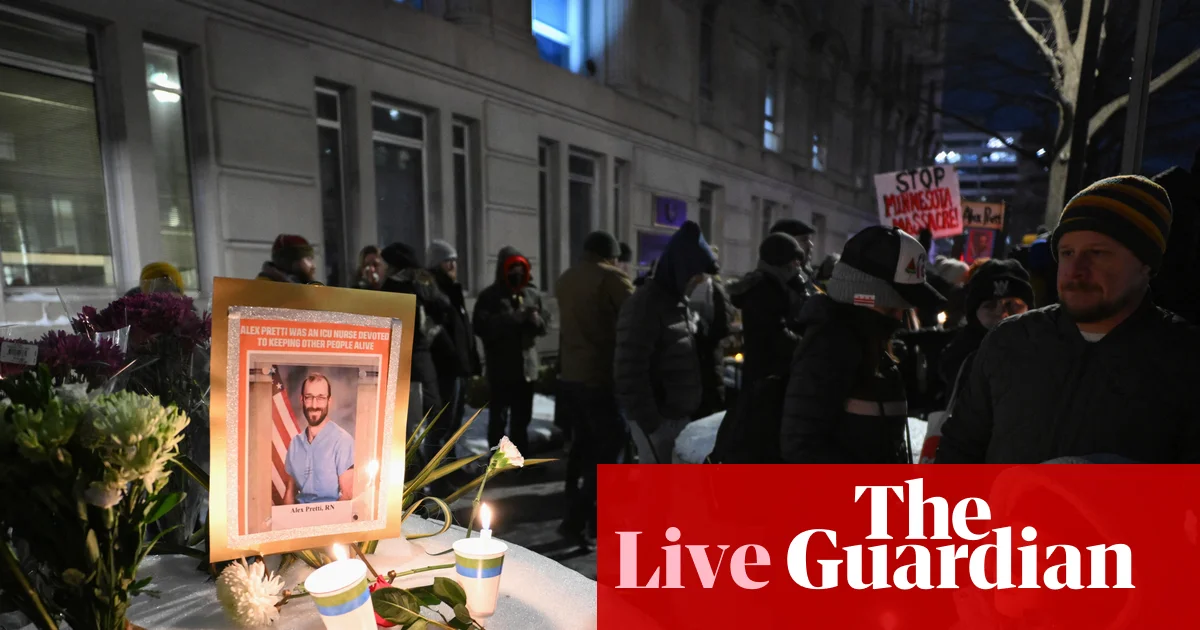
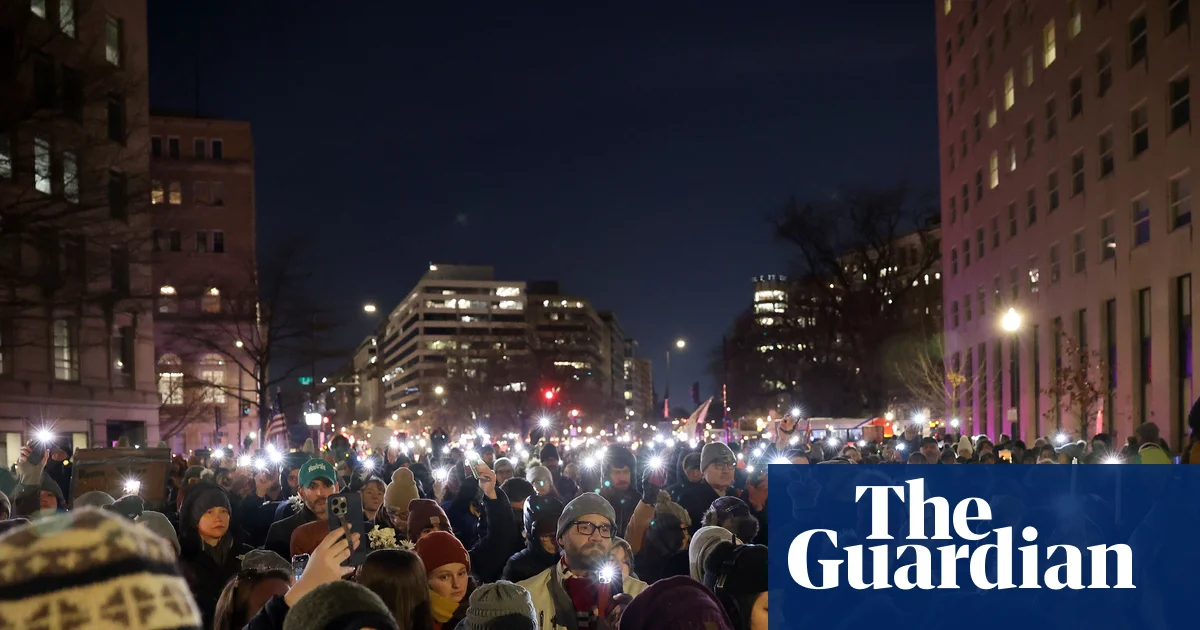
This latest surge in immigration enforcement coincides with increased tensions within Minneapolis following the fatal shooting of Alex Pretti by federal agents, an incident that has sharpened divides and intensified scrutiny of the federal government’s approach. Despite growing public outrage and protests, as witnessed during recent confrontations captured on video, officials such as Homan remain resolute, refusing to specify “improvements” or comment on specific investigations. “We know exactly who we’re looking for,” Homan declared, underscoring the relentless focus of federal agents on targeting *all* undocumented individuals, regardless of their criminal record or civil status. Critics argue that such policies risk dehumanizing vulnerable populations and escalating civil unrest, further complicating the already fragile rule of law within American jurisdictions.

Geopolitical Impact: A World Divided Over Sovereignty and Security

The unfolding situation in Minnesota and other states exemplifies how internal policy decisions can have profound geopolitical impacts. America’s stance on immigration, reinforced by directives from officials like Homan, signals a tough-on-immigration posture that resonates globally. Countries like Mexico and European nations watch with concern as the U.S. tightens border security and ramps up enforcement actions, often at the expense of diplomatic goodwill. The Biden administration, while attempting to soften some policies, faces mounting pressure from political factions demanding a line in the sand. Experts from think tanks and international organizations warn that prolonged enforcement crackdowns, especially when accompanied by violence and civil unrest, could destabilize regional security, increase refugee flows, and threaten global economic stability.

Meanwhile, the international community’s response remains mixed. While some nations criticize the U.S. for human rights violations, others, especially those facing their own migratory crises, look to Washington’s policies as a cautionary tale or even a blueprint. The United Nations and human rights advocates warn that the U.S. approach risks fostering a climate of fear and intolerance. In the global arena, the perception that the U.S. is prioritizing aggressive immigration enforcement over diplomatic cooperation can weaken alliances — including NATO — which already seemed shaken by rifts over policies such as Trump’s threats to impose tariffs on European allies and his ambitions over Greenland. How these internal policies shape perceptions and alliances will undoubtedly determine the geopolitical landscape for decades to come.

Reshaping Domestic Politics and Society

Within the American political arena, these enforcement actions and incidents like the Minneapolis shootings have catalyzed debates over sovereignty, civil rights, and the future of immigration reform. The recent announcement by Senator Amy Klobuchar of her bid for California governor and the rise of moderate figures like Matt Mahan reflect a nation at crossroads—one divided sharply along ideological lines over the best course of action. The relentless discourse around immigration has also seeped into local elections, with candidates blaming violence and social decay on federal policies, and promising to restore order and civility. Analysts warn that unless a decisive shift occurs, America’s internal divisions could deepen, leading to an unstable socio-political landscape that might result in further civil strife and international consequences, reminiscent of Cold War-era power struggles that shaped history.

As the world witnesses these tumultuous shifts, history eyes America’s next move—will it continue down the path of fierce enforcement and internal conflict, or will it seek a new vision rooted in collaboration and justice? The decisions made today—whether in Minneapolis, Washington, or in international diplomacy—are forging the narrative of an uncertain tomorrow. The odyssey of a nation caught between sovereignty, security, and the universal human quest for freedom is far from over; it remains unwritten on the expansive canvas of history, waiting for its next chapter to unfold in the shadows of a world still learning how to survive and thrive amid conflict and change.

Judge Stops Trump Officials from Detaining Refugees in Minnesota

United States judicial intervention has temporarily halted the controversial policy of re-vetting and detaining lawfully resettled refugees in Minnesota. This abrupt series of arrests, initiated under the Trump administration’s recent initiative, Operation Parris, has ignited a fierce debate around human rights, sovereignty, and immigration policy. The decision by Federal Judge John R. Tunheim signals a significant judicial pushback against what critics describe as a draconian crackdown on individuals who had undergone extensive vetting processes and had established legal residence in the country.

  • More than 100 refugees arrested in Minnesota, some transported to detention centers in Texas
  • Refugees were detained, often abruptly and without notice, and then released to navigate an uncertain return journey
  • The Biden administration, facing mounting criticism, has paused these detentions following legal challenges and public outcry

This decision comes in the wake of widespread alarm among civil rights groups and international observers. Critics, including human rights advocates and analysts such as Noam Chomsky and Amnesty International, argue that the U.S. government’s actions undermine core commitments to international refugee agreements like the 1951 Refugee Convention and the 1980 Refugee Act. The policy, aimed at intensifying background checks and verification, has paradoxically resulted in the very trauma and chaos these laws seek to prevent, exposing the persistent tensions between national security and human dignity. The federal court’s ruling emphasized the human toll—stories of terror, confusion, and sharp trauma recounted by affected refugees—that are simply impossible to ignore in the face of alleged national security concerns.

Underlying this crackdown is a broader geopolitical impact. Critics argue that the administration’s aggressive stance not only alienates vulnerable populations but also risks tarnishing the image of the United States on the global stage as a champion of human rights. European nations, Canada, and international organizations have watched closely as the U.S. grapples with its humanitarian obligations. As Foreign Policy analysts warn, such policies may inspire similar hardline measures elsewhere, fueling regional instability and jeopardizing the fragile consensus on refugee protections. Historian Stephen Walt notes that “when a superpower reneges on its international commitments, it sends a dangerous message about the durability of these treaties and the moral authority of the West.”

The judiciary steps in amid a landscape of high-stakes geopolitical shifts. The United States finds itself at a crossroads, with internal debates over security versus humanity and external perceptions of strength and moral standing. The policy’s enforcement, which results in abrupt detentions, threatened to undo decades of progress on refugee rights, with families torn apart and communities destabilized—an unsettling reminder that decisions made today will echo through the corridors of history. As the court’s ruling takes hold, the weight of this unfolding chapter remains—and the world watches as the balance between sovereignty and human rights continues to be tested amid seismic shifts in geopolitics, migration, and the enduring quest for justice.

Minnesota Judge Calls Out Acting ICE Director, Warns of Consequences for Ignoring Court Orders

Judicial Authorities Push Back Against Federal Immigration Policies in Minnesota

The escalating tensions between federal immigration authorities and the judiciary in Minnesota underscore a rising confrontation that threatens to reshape the landscape of U.S. immigration enforcement. At the heart of this conflict is the recent intervention by the state’s top federal judge, Patrick Schiltz, who summoned the acting head of Immigration and Customs Enforcement (ICE), Todd Lyons, warning of contempt of court charges for defying judicial orders. This dramatic stance highlights an emerging crisis of authority, where individual judges are actively contesting federal directives, raising profound questions about the rule of law versus executive overreach.

The core issue stems from Operation Metro Surge, a sweeping and aggressive immigration crackdown initiated under the previous Trump administration. The operation has responded with a series of controversial and often unlawful detention practices targeting immigrants in Minnesota. Many detention cases have entered the judicial pipeline with emergency lawsuits filed on behalf of individuals claiming wrongful arrest and extended detention, often without proper legal process. Judge Schiltz and other federal judges have voiced concern that the administration’s disregard for court orders is causing “significant hardship,” with detainees being moved far from their homes or held in states like Texas despite clear court directives to keep them in Minnesota.

Legal Resistance Reflects Broader Geopolitical and Societal Shifts

  • Judicial rebukes have set the stage for potential *legal challenges* that could either restrain or halt federal immigration enforcement efforts in Minnesota entirely.
  • These developments symbolize a broader *conflict between state and federal authority*—a phenomenon that resonates beyond the borders of Minnesota and into the heart of U.S. sovereignty.
  • Internationally, critics interpret this clash as a reflection of America’s internal struggles over national identity, immigration policy, and the constitutional separation of powers, echoing debates that many analysts compare to volatile shifts currently unfolding in other global democracies.

Leading international organizations and senior analysts warn that ongoing resistance against federal directives could weaken the fabric of international rule of law, especially as the United States serves as a model for judicial independence and constitutional governance. Historians remind us, through echoes of past conflicts, that such internal disputes often signal profound societal transformations—sometimes for better, sometimes for worse. The ongoing confrontation in Minnesota is unlikely to remain isolated, with the potential to inspire or suppress similar resistance in other states facing federal immigration policies.

Implications for the Global Power Balance

As President Biden’s administration seeks to implement more humane immigration reforms, these legal battles expose a complex interstate power dynamic. The pushback from Minnesota’s judiciary complicates the *administration’s efforts* to craft a cohesive national immigration strategy, especially when faced with states that prioritize local policies like sanctuary jurisdictions. The potential for federal-state conflicts to escalate already hints at a fragmented approach to governance that could weaken U.S. credibility abroad. Many international observers see the situation as emblematic of a broader weakening of American institutional authority, which might undermine the country’s ability to project power and stability in the global arena.

This unfolding chapter in U.S. domestic politics bears resemblance to rising sovereigntism observed in other nations, where regional entities challenge centralized authority. The clash over immigration enforcement reveals a society fractured over the very definition of justice and national sovereignty—a duel that could define the United States’ future as a beacon of rule of law or a divided union struggling with internal discord. The weight of history hangs heavily as courts and federal agencies navigate this uncertainty, their decisions shaping the legacy of a nation facing its most defining test yet.

Judge Pauses Minnesota ICE Action Amidst Illegal Punishment Concerns

Federal Enforcement Actions in Minneapolis Fuel Legal Battles and Civil Discontent

In an unprecedented display of federal authority, recent operations in Minneapolis have ignited a fierce debate over the limits of government power, civil liberties, and the future landscape of law enforcement technology. The deployment of thousands of armed agents during federal raids—aimed at curbing crime but marred by tragic incidents—has raised fundamental questions about the disruption of local sovereignty and the potential overreach of federal operations. Experts like those from MIT’s Cybersecurity Institute warn that such interventions might set dangerous precedents, risking a precedent where federal agencies operate with near-impunity within state borders, potentially unleashing an era of unchecked coercive power.

Legal battles currently dominating the headlines highlight the tension between federal authority and local autonomy. Judges such as Judge Menendez have expressed concern over the scale and scope of these operations, questioning whether federal agencies are crossing constitutional lines. The legal claims focus on whether the federal government, in its effort to combat crime, is effectively coercing or even overriding local officials’ ability to manage their jurisdictions. The core worry among legal scholars is how these large-scale operations could erode the constitutional protections of states and municipalities, forcing them into crisis mode—diverting resources, disrupting local law enforcement, and destabilizing entire communities. This scenario has significant business implications for private security, surveillance tech firms, and emergency response industries, which stand to benefit from increased demand driven by federal initiatives.

Adding fuel to the fire are recent tragic incidents in Minneapolis involving federal agents—specifically, the deaths of Renee Nicole Good and Alex Pretti. The killings, both involving armed federal agents and operating in the context of seemingly unrelated raids, have turned public opinion sharply against federal enforcement tactics. Official narratives such as allegations that Pretti posed a “lethal threat” have been challenged by citizen footage and autopsy reports, underscoring a growing gap between government claims and on-the-ground realities. These events serve as stark reminders that disruptive law enforcement technology—including surveillance and armed response tools—must be wielded with precision and accountability, or risk undermining the trust necessary for future innovation.

Looking ahead, the industry’s response to these shifts will be critical. Disruptive technologies like AI-powered surveillance, real-time tracking, and autonomous law enforcement drones are poised to revolutionize public safety. However, the legal and ethical dilemmas highlighted by Minneapolis’s recent turmoil signal that without robust safeguards, such technological advances could accelerate a trajectory toward authoritarianism or civil unrest. Key industry players and policymakers are now racing to develop frameworks that balance innovative disruption with respect for civil liberties—a task that’s becoming ever more urgent.

As the battle lines between federal authority and local sovereignty sharpen, the next wave of tech-driven enforcement will define the limits of American liberty and security. Industry leaders like Elon Musk and Peter Thiel emphasize that the future of safe, accountable law enforcement depends on proactive innovation paired with strict regulatory oversight. The coming months will be pivotal: failure to strike a sustainable balance could see unchecked federal expansion transforming into a technology-enabled surveillance state. In this high-stakes game of innovation versus regulation, those who act swiftly and decisively will shape the future of justice, security, and innovation—setting the course for a nation that must navigate this new frontier with clarity and resolve.

Social Media Auto Publish Powered By : XYZScripts.com