Matox News

Truth Over Trends, always!

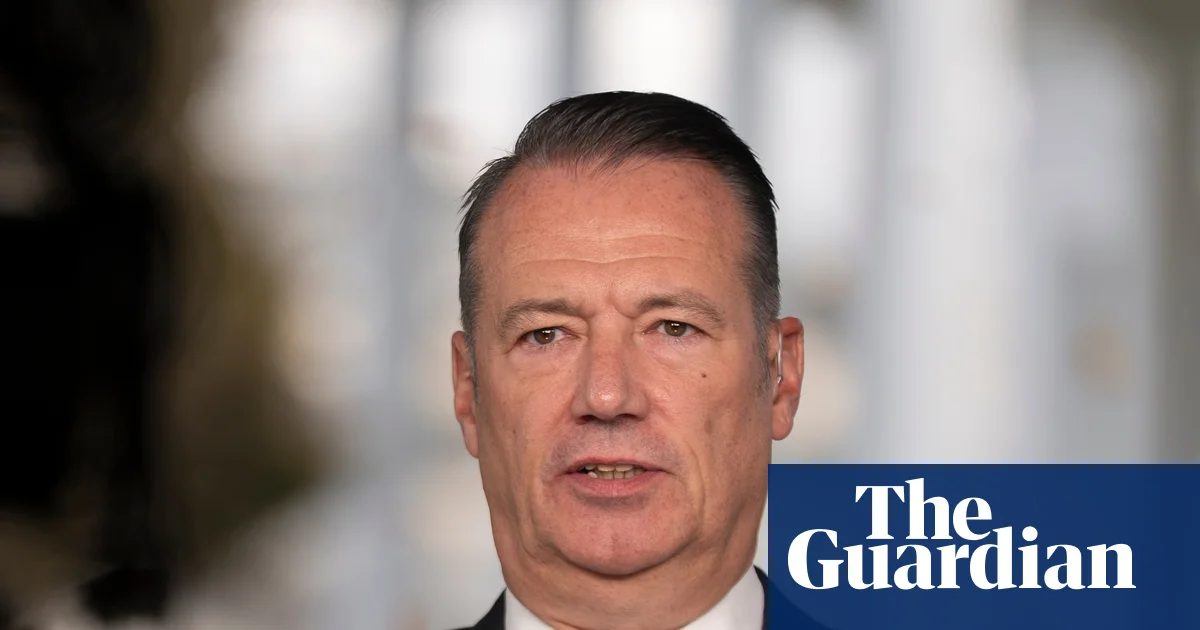
Minnesota Judge Calls Out Acting ICE Director, Warns of Consequences for Ignoring Court Orders

Judicial Authorities Push Back Against Federal Immigration Policies in Minnesota

The escalating tensions between federal immigration authorities and the judiciary in Minnesota underscore a rising confrontation that threatens to reshape the landscape of U.S. immigration enforcement. At the heart of this conflict is the recent intervention by the state’s top federal judge, Patrick Schiltz, who summoned the acting head of Immigration and Customs Enforcement (ICE), Todd Lyons, warning of contempt of court charges for defying judicial orders. This dramatic stance highlights an emerging crisis of authority, where individual judges are actively contesting federal directives, raising profound questions about the rule of law versus executive overreach.

The core issue stems from Operation Metro Surge, a sweeping and aggressive immigration crackdown initiated under the previous Trump administration. The operation has responded with a series of controversial and often unlawful detention practices targeting immigrants in Minnesota. Many detention cases have entered the judicial pipeline with emergency lawsuits filed on behalf of individuals claiming wrongful arrest and extended detention, often without proper legal process. Judge Schiltz and other federal judges have voiced concern that the administration’s disregard for court orders is causing “significant hardship,” with detainees being moved far from their homes or held in states like Texas despite clear court directives to keep them in Minnesota.

Legal Resistance Reflects Broader Geopolitical and Societal Shifts

  • Judicial rebukes have set the stage for potential *legal challenges* that could either restrain or halt federal immigration enforcement efforts in Minnesota entirely.
  • These developments symbolize a broader *conflict between state and federal authority*—a phenomenon that resonates beyond the borders of Minnesota and into the heart of U.S. sovereignty.
  • Internationally, critics interpret this clash as a reflection of America’s internal struggles over national identity, immigration policy, and the constitutional separation of powers, echoing debates that many analysts compare to volatile shifts currently unfolding in other global democracies.

Leading international organizations and senior analysts warn that ongoing resistance against federal directives could weaken the fabric of international rule of law, especially as the United States serves as a model for judicial independence and constitutional governance. Historians remind us, through echoes of past conflicts, that such internal disputes often signal profound societal transformations—sometimes for better, sometimes for worse. The ongoing confrontation in Minnesota is unlikely to remain isolated, with the potential to inspire or suppress similar resistance in other states facing federal immigration policies.

Implications for the Global Power Balance

As President Biden’s administration seeks to implement more humane immigration reforms, these legal battles expose a complex interstate power dynamic. The pushback from Minnesota’s judiciary complicates the *administration’s efforts* to craft a cohesive national immigration strategy, especially when faced with states that prioritize local policies like sanctuary jurisdictions. The potential for federal-state conflicts to escalate already hints at a fragmented approach to governance that could weaken U.S. credibility abroad. Many international observers see the situation as emblematic of a broader weakening of American institutional authority, which might undermine the country’s ability to project power and stability in the global arena.

This unfolding chapter in U.S. domestic politics bears resemblance to rising sovereigntism observed in other nations, where regional entities challenge centralized authority. The clash over immigration enforcement reveals a society fractured over the very definition of justice and national sovereignty—a duel that could define the United States’ future as a beacon of rule of law or a divided union struggling with internal discord. The weight of history hangs heavily as courts and federal agencies navigate this uncertainty, their decisions shaping the legacy of a nation facing its most defining test yet.
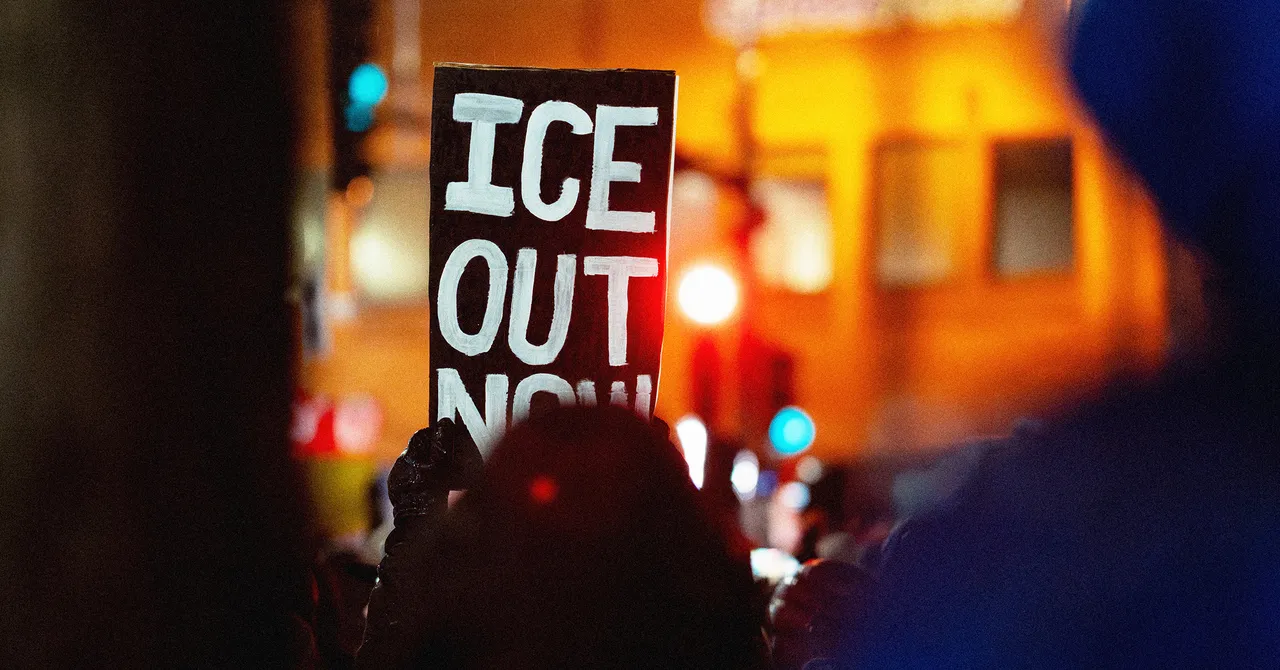
Judge Pauses Minnesota ICE Action Amidst Illegal Punishment Concerns

Federal Enforcement Actions in Minneapolis Fuel Legal Battles and Civil Discontent

In an unprecedented display of federal authority, recent operations in Minneapolis have ignited a fierce debate over the limits of government power, civil liberties, and the future landscape of law enforcement technology. The deployment of thousands of armed agents during federal raids—aimed at curbing crime but marred by tragic incidents—has raised fundamental questions about the disruption of local sovereignty and the potential overreach of federal operations. Experts like those from MIT’s Cybersecurity Institute warn that such interventions might set dangerous precedents, risking a precedent where federal agencies operate with near-impunity within state borders, potentially unleashing an era of unchecked coercive power.

Legal battles currently dominating the headlines highlight the tension between federal authority and local autonomy. Judges such as Judge Menendez have expressed concern over the scale and scope of these operations, questioning whether federal agencies are crossing constitutional lines. The legal claims focus on whether the federal government, in its effort to combat crime, is effectively coercing or even overriding local officials’ ability to manage their jurisdictions. The core worry among legal scholars is how these large-scale operations could erode the constitutional protections of states and municipalities, forcing them into crisis mode—diverting resources, disrupting local law enforcement, and destabilizing entire communities. This scenario has significant business implications for private security, surveillance tech firms, and emergency response industries, which stand to benefit from increased demand driven by federal initiatives.

Adding fuel to the fire are recent tragic incidents in Minneapolis involving federal agents—specifically, the deaths of Renee Nicole Good and Alex Pretti. The killings, both involving armed federal agents and operating in the context of seemingly unrelated raids, have turned public opinion sharply against federal enforcement tactics. Official narratives such as allegations that Pretti posed a “lethal threat” have been challenged by citizen footage and autopsy reports, underscoring a growing gap between government claims and on-the-ground realities. These events serve as stark reminders that disruptive law enforcement technology—including surveillance and armed response tools—must be wielded with precision and accountability, or risk undermining the trust necessary for future innovation.

Looking ahead, the industry’s response to these shifts will be critical. Disruptive technologies like AI-powered surveillance, real-time tracking, and autonomous law enforcement drones are poised to revolutionize public safety. However, the legal and ethical dilemmas highlighted by Minneapolis’s recent turmoil signal that without robust safeguards, such technological advances could accelerate a trajectory toward authoritarianism or civil unrest. Key industry players and policymakers are now racing to develop frameworks that balance innovative disruption with respect for civil liberties—a task that’s becoming ever more urgent.

As the battle lines between federal authority and local sovereignty sharpen, the next wave of tech-driven enforcement will define the limits of American liberty and security. Industry leaders like Elon Musk and Peter Thiel emphasize that the future of safe, accountable law enforcement depends on proactive innovation paired with strict regulatory oversight. The coming months will be pivotal: failure to strike a sustainable balance could see unchecked federal expansion transforming into a technology-enabled surveillance state. In this high-stakes game of innovation versus regulation, those who act swiftly and decisively will shape the future of justice, security, and innovation—setting the course for a nation that must navigate this new frontier with clarity and resolve.

Social Media Auto Publish Powered By : XYZScripts.com



