Matox News

Truth Over Trends, always!

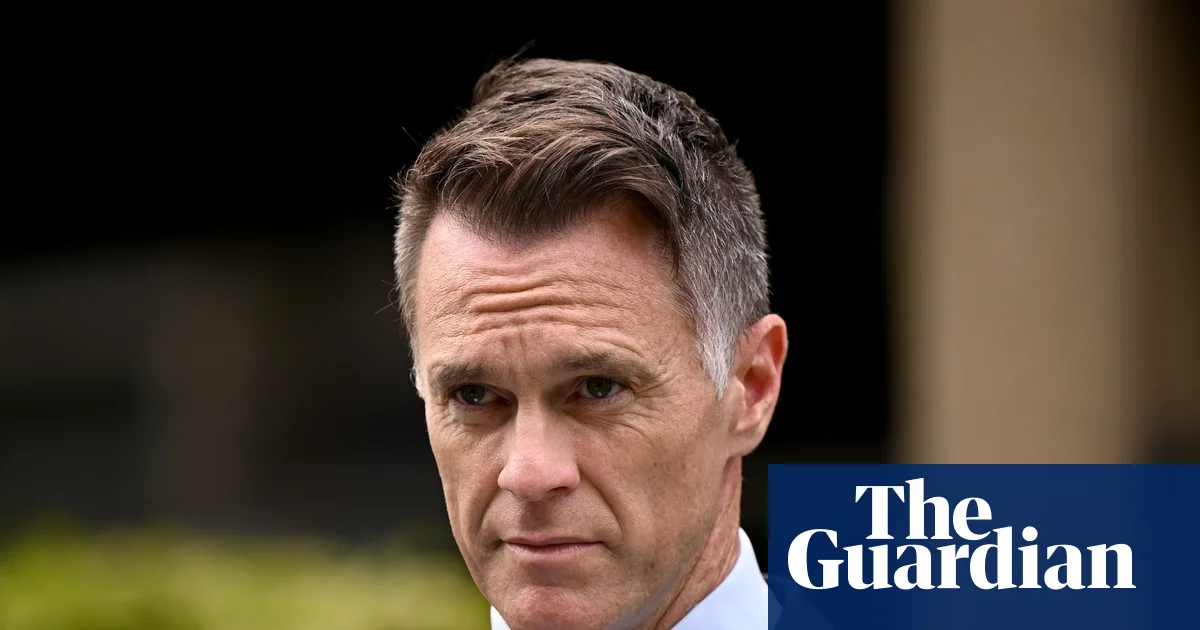
Minns calls pro-Palestine protest organizers 'communists' aiming for clash with police, NSW budget estimates
Minns calls pro-Palestine protest organizers ‘communists’ aiming for clash with police, NSW budget estimates

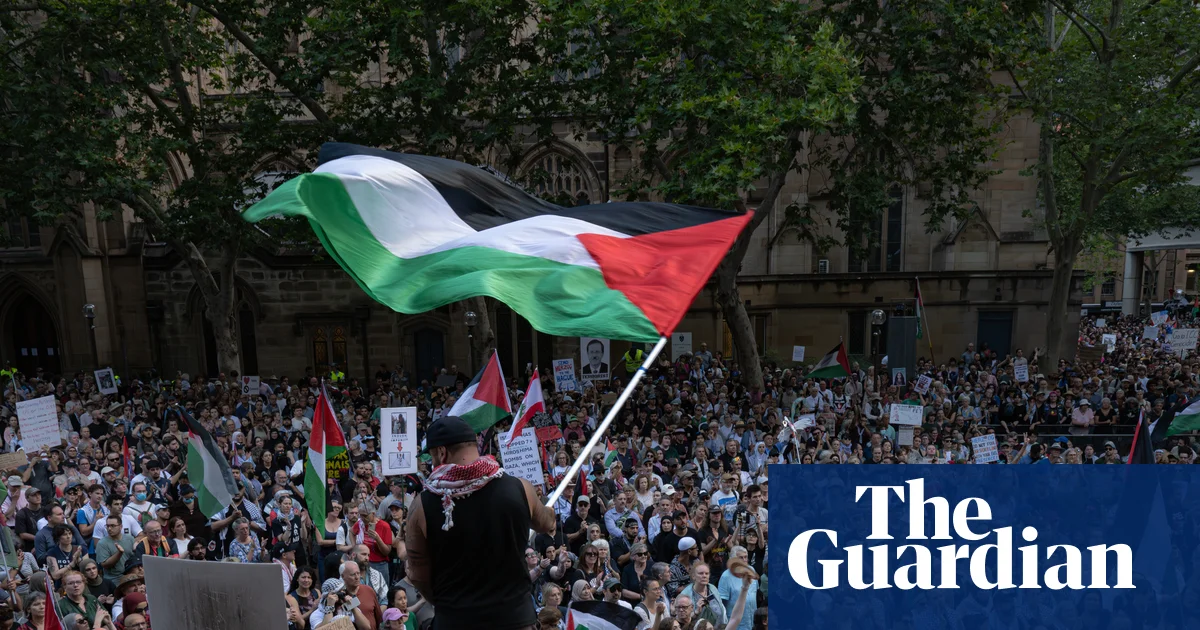
In a striking turn of events that underscores the volatile landscape of international activism and internal political fractures, Australia’s New South Wales government finds itself at the center of a contentious debate over the peaceable assembly and the engagement with pro-Palestine advocates. Premier Chris Minns has publicly dismissed protest organisers as “a pack of communists,” fueling accusations of politicising the situation and risking the social cohesion of the deeply divided society. This inflammatory rhetoric follows violent clashes during a recent rally against the Israeli president’s visit, where police responses have come under scrutiny amid allegations of police brutality.

These confrontations threaten to escalate into a broader international rift, as global analysts draw attention to the implications. The protests, which saw four Labor backbenchers attending a speech by Israeli President Isaac Herzog in Sydney, have rippled beyond local politics. While some political figures like Stephen Lawrence MLC defend protesters, viewing their actions as a stand for Palestinian rights, critics argue that the protests are being manipulated by radical elements, including socialists and communists affiliated with groups like the Palestine Action Group (PAG). Historians warn that such alliances have historically been vectors for “big social movements,” but in this context, they threaten to undermine Australia’s national stability and complicate diplomatic relations in a tense Middle East geopolitical environment.

The debate extends far beyond the streets to focus on the broader geopolitical impact. Australia’s internal divisions mirror the polarisation seen across Western nations, where support for Israel or Palestine increasingly aligns with domestic ideological battles. The Australian government’s approach, characterized by resistance to criticism and suppression of dissent, echoes patterns observed in other democracies experiencing internal stress, risking the alienation of communities and weakening social fabric. Analysts warn that such internal strife could diminish Australia’s standing on the global stage, especially as international organizations like the United Nations emphasize human rights and moderation.

Meanwhile, the situation remains precarious as the NSW police maintain that their actions were justified, citing attempts by protesters to march on Parliament against restrictions declared in response to recent acts of violence and unrest. The ongoing constitutional challenge to new protest laws and the controversial “major events” powers further complicate the legal landscape, pointing to a potential breach of civil liberties. The tension reaches into Australia’s multicultural communities, with Muslim groups voicing concerns over police actions during recent vigils mourning Iran’s late Supreme Leader, Ayatollah Khamenei. These incidents serve as a stark reminder that the political toll extends to societal divisions along religious and cultural lines, with the risk that internal discord could morph into a broader geopolitical vulnerability.

As history continues to unfold, the echoes of this clash in Australia serve as a warning: when states suppress dissent and dismiss grassroots movements as mere radical influence, they risk sacrificing social cohesion and inviting external powers to exploit divisions. The international community watches with bated breath as the narrative of support, protests, and legal battles develops — leaving behind a legacy that could reshape the political landscape for years to come. In this unfolding drama, the weight of history presses heavily, reminding observers that the moment may be fleeting, but the consequences are profound and lasting.
Minns Government's Overreach: Protest Restrictions Fail to Deliver, Constitutional Challenge Reveals | NSW
Minns Government’s Overreach: Protest Restrictions Fail to Deliver, Constitutional Challenge Reveals | NSW

Australia finds itself at a critical crossroads as new legislation aimed at curbing protests in Sydney’s CBD is challenged in court, reflecting larger global debates about security, civil liberties, and social cohesion. The NSW government’s recent anti-protest law—enacted in response to a terrorist incident at Bondi—restricts the use of the Form 1 system, a legal tool historically employed to facilitate peaceful demonstrations and negotiate between protesters and authorities. However, critics argue that these measures threaten the very fabric of democratic expression and impose unjust limits on constitutional freedoms.

Legal representatives for groups including the Blak Caucus, Palestine Action Group (PAG), and Jews Against the Occupation ’48 appeared before the court, asserting that the law “impermissibly burden[s] the implied constitutional freedom of communication” essential to political discourse. Lawyer David Hume SC questioned the legitimacy of targeting protests to “enhance social cohesion,” alleging that such restrictions are not only unnecessary but also counterproductive. His argument underscores a broad concern among civil libertarians and international observers that the law mirrors policies seen in other regions where governments leverage security rhetoric to suppress dissent.

The NSW police have extended the public assembly restriction multiple times, citing unspecified community safety concerns rather than concrete intelligence. Such measures effectively prohibit protests in designated areas, including the recent rally against Israeli President Isaac Herzog’s visit, which turned violent. This pattern of enforcement raises alarms about the erosion of democratic rights during a period of heightened political tensions. Critics argue that the restrictions amount to a “fox guarding the henhouse,” allowing authorities to unilaterally decide which protests are permissible, thus undermining checks and balances that should safeguard democratic liberties.

Geopolitical Impact and Society

The implications of Australia’s approach extend beyond domestic borders, influencing regional stability and global perceptions of governance. International organizations and security analysts observe that laws labeled as “anti-terror” often serve as pretexts to consolidate executive power and silence opposition. Historically, countries that prioritize security over civil-liberties risk sowing social discord and fostering perceptions of authoritarian drift. In Australia, this has prompted scrutiny from historians and political analysts who warn that persistent restrictions on protest could lead to long-term societal fractures and loss of public trust in institutions that are supposed to protect democratic rights.

The debate over the legislation also mirrors larger geopolitical dynamics—particularly in the context of Australia’s alliances and regional role. While the government asserts the measures are necessary to combat extremism and maintain social order, critics warn these policies could backfire, fueling resentment and radicalization among marginalized communities. International institutions, such as the United Nations, have historically cautioned against overly broad security measures that infringe on fundamental freedoms—warning that societies risking this balance might ultimately weaken their social cohesion rather than enhance it.

As the court case unfolds, so too does the broader narrative of a nation grappling with its identity—ballasted by the weight of its history of protest and activism. Historians highlight that every attempt to silence dissent often echoes through generations, shaping perceptions of justice and freedom. The verdict in this case will inevitably influence future legislation, testing the resilience of Australia’s democratic principles. Like a shadow cast by history’s unfolding tapestry, the outcome of this legal challenge could determine whether the nation marches toward greater liberty or into the muted silence of authoritarian conformity—leaving the world contemplating the true cost of security in a fragile society.

Chris Minns backs police in tough spot amid viral video of officers’ clash with protesters

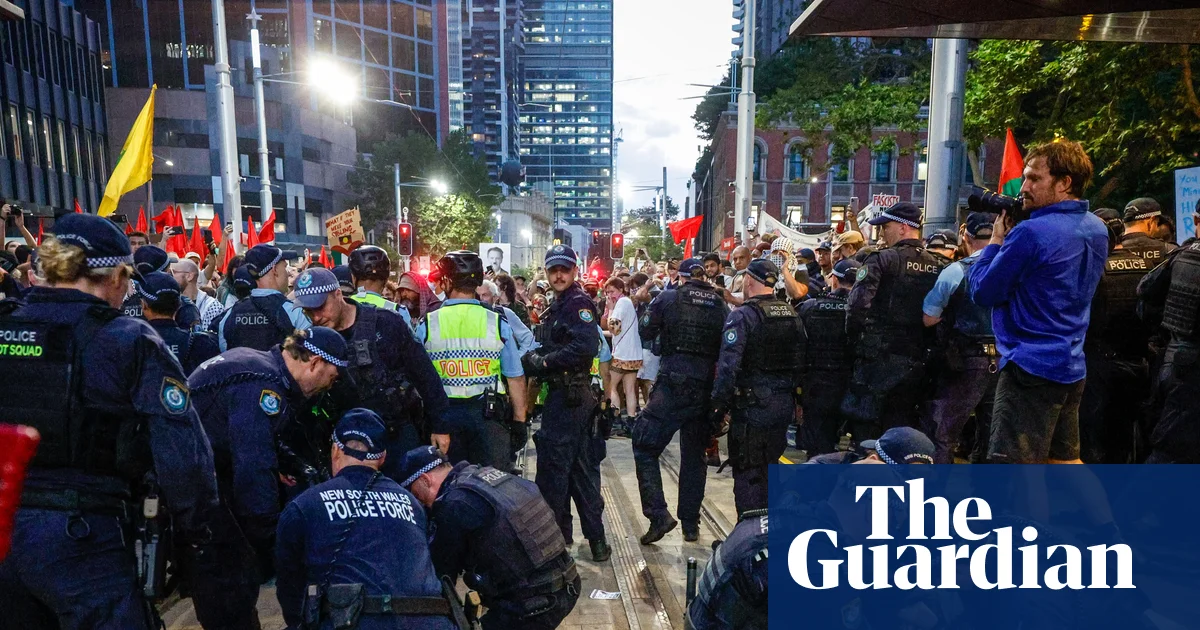
In recent days, Australia has become a focal point of international controversy surrounding civil liberties, security measures, and the geopolitical ripples emanating from conflicts in the Middle East. The protests in Sydney against the visit of Israel’s president, Isaac Herzog have sparked fierce debates about police conduct, the limits of public assembly, and the influence of domestic political decisions on international diplomacy. The police’s aggressive response, including pepper spray and physical assaults on protesters, has drawn condemnation from local figures and raised questions about the blurring line between maintaining order and infringing on rights.

At the core of the unrest are broader security measures enacted in response to the Bondi terror attack, which left 15 victims. NSW Premier Chris Minns justified the police’s actions, asserting they were operating under a “difficult situation” created by restrictions on protests — themselves a reaction to the threat of terrorism. This highlights how **counter-terrorism strategies** can justify heightened police powers, often at the expense of civil liberties. Such measures reflect a growing trend where governments, citing security concerns, impose restrictions that can escalate tensions and infringe upon the rights of dissenting citizens. As analysts warn, this approach risks eroding democratic norms and setting dangerous precedents for the use of force in peaceful protests.

International observers, including human rights groups and political analysts, recognize the geopolitical impact of these events. The confrontation in Australia echoes similar patterns seen elsewhere — where domestic security concerns are leveraged to justify aggressive law enforcement, often with the tacit approval or complicity of political leaders. Green MPs in NSW and independent voices have accused Minns of deliberately creating a “pressure cooker” environment, exacerbating tensions rather than diffusing them. This domestically charged climate not only affects how societies respond to dissent, but also influences international perceptions of Australia’s stance on human rights and civil liberties. As international organizations like Amnesty International increasingly scrutinize such police actions, the risk remains that domestic crackdowns could serve as a blueprint, emboldening similar tactics in other nations facing internal dissent or protests rooted in geopolitical conflicts.

Furthermore, the handling of pro-Palestine protests during Herzog’s visit signals a troubling intersection between local policies and broader geopolitical conflicts. The police’s forceful tactics, documented in multiple videos, have intensified international concerns about the escalation of police-state dynamics in nations ostensibly committed to democratic principles. Historians warn that such episodes, if repeated across different regions, can accelerate a global shift towards authoritarianism disguised as security. Meanwhile, global institutions and allied nations are watching closely, questioning whether Australia’s approach signifies a rare reaction or a dangerous trend that could ripple across other democracies. This unfolding clash exemplifies the ongoing tension between security and liberty — a debate that will define the global order for decades to come, as the narratives of resistance and repression become increasingly intertwined.

As history continues to unfold, the events in Sydney underscore the fragile balance between safeguarding a nation’s security and preserving its democratic fabric. The actions of law enforcement on the streets have reverberations far beyond their immediate borders, touching on fundamental questions of human rights, sovereignty, and the very essence of free societies. The world waits, holding its breath, as these stories—etched into the annals of history—serve as a stark reminder that the fight for liberty is ongoing, and the outcome remains uncertain. How nations choose to respond today will determine whether we move closer to an era of authoritarian control or a renewed commitment to the enduring values of freedom amidst the turbulent currents of history.

Social Media Auto Publish Powered By : XYZScripts.com



