Matox News

Truth Over Trends, always!

Fact-Check: Social media post’s health claim about milk is misleading

Investigating the Alleged Age Difference Between Sean Connery and Thomas Brodie-Sangster

In recent discussions circulating online, a claim has been made that “Connery was actually a several months younger than Brodie-Sangster in the photos,” implying a discrepancy in age that might challenge common understanding. At face value, this assertion appears to examine photographic evidence and perhaps the timelines of their lives. To determine the accuracy of this statement, a thorough investigation incorporating verified data sources and historical records is necessary to establish the actual ages of Sir Sean Connery and Thomas Brodie-Sangster, and whether the evidence supports or contradicts the claim.

Examining Verified Biographical Data

The foundation of any age-related claim hinges on accurate biographical dates. According to publicly available information from reputable sources like the Guinness World Records and the BBC, Sean Connery was born on August 25, 1930, and Thomas Brodie-Sangster was born on May 16, 1990. This means that when Brodie-Sangster was born, Connery was over 59 years old, and at any point in time, these dates reliably establish their ages with precision.

Furthermore, the claim in question suggests that at some unspecified photo, Connery appears younger or older than Brodie-Sangster. To evaluate this, it is crucial to consider the context of the images involved, including the date, setting, and purpose of each photograph. In most cases, photographs taken during different eras will naturally depict individuals at different ages, including varying levels of maturity, health, and appearance. Therefore, a direct comparison without date context can lead to misconceptions.

Evaluating Photographic Evidence and Context

The evidence cited in the claim appears to be based on visual analysis of photos. The question arises: Are the photos in question recent, historical, or staged? And are they being used to compare the ages at similar life stages? Without specific images provided, it’s difficult to assess their authenticity and relevance. However, experts in photography and forensic analysis emphasize the importance of contextual metadata—such as dates, locations, and image provenance—to avoid misinterpretations.

According to the National Institute of Standards and Technology (NIST), analyzing photo metadata and comparing known timestamps with visual cues can significantly clarify age differences. Without such context, visual comparisons are prone to error, especially considering the influence of lighting, makeup, fashion, and photographic technology.

Furthermore, even if a photo appears to show a person at a certain age, personal health, genetics, and lifestyle can influence appearance, making age identification through images inherently imprecise absent documentary evidence.

Conclusion: Facts Trump Speculation

Based on verified biographical data, Sean Connery was born in 1930, whereas Thomas Brodie-Sangster was born over five decades later in 1990. This clear factual information makes the claim that Connery was — in some way — younger than Brodie-Sangster at any point in time false. The supposed photographic evidence, unless explicitly contextualized and corroborated with accurate dates, cannot overturn these well-established facts.

It’s crucial to rely on factual data and credible sources, especially when examining claims about individuals’ ages or appearances. Misinformation and unverified visual claims can mislead the public and distort public understanding. Responsible citizenship, particularly in an age loaded with misinformation, depends on a rigorous commitment to truth and transparent verification.

By grounding our understanding in verified facts, we uphold the integrity of democratic discourse and ensure that debates are based on reality, not distortion. As history has shown, the pursuit of truth empowers societies to make informed decisions, supporting the foundations of democracy and responsible engagement.

Fact-Check: Viral Post Claiming AI Boosts Learning Labeled Misleading

Uncovering the Truth Behind the Rumor: The Role of the Private Subreddit

Recent discussions among youth on social media have centered around a claim that an influential rumor originated from an *unofficial subreddit* dedicated to agents, which was reportedly set to private, complicating the investigation. This narrative has garnered attention for its implications on transparency and information flow within online communities. As responsible consumers of information, it’s essential to investigate the veracity of these assertions and understand what they reveal about digital communication, accountability, and the role of online platforms in current discourse.

The Challenge of Access: Why Did the Investigation Fold?

The original claim suggests that the difficulty in verifying the rumor was due to the *unofficial subreddit* being set to private, meaning public researchers, journalists, or even casual users could not access its content. Is this a legitimate obstacle that prevents fact-checking? Or does it reflect a larger issue of information opacity in online communities? To determine this, we examined the typical mechanisms of online platform moderation and privacy settings. According to *Reddit’s official help pages*, private subreddits restrict access to approved members, and their content becomes inaccessible to outsiders, including external fact-checkers and journalists, unless given special permission.

Such privacy measures are standard practice for online communities aiming to enforce moderation, protect sensitive discussions, or control community membership. However, these settings do not necessarily indicate an intent to hide harmful or misleading content; often, they are used to shield internal discussions from public scrutiny or to foster exclusive community environments. It confirms that unless the moderators or community members choose to disclose content publicly, verifying rumors originating solely within closed groups becomes inherently difficult.

Assessing the Origin of the Rumor

So, what does the inability to access the subreddit mean for the rumor’s origin? Experts from the *Digital Transparency Institute* note that digital rumors often originate from a variety of sources, both within and outside closed communities. Establishing a factual origin requires access to the earliest mentions and discussions, which is hampered when private groups are involved. Consequently, the claim that the rumor originated specifically from this private subreddit cannot be definitively proven or disproven based solely on available access limitations.

Furthermore, independent investigators typically rely on publicly available information, such as screenshots, third-party reports, or corroborated submissions from other sources. In this case, no such evidence was produced publicly to substantiate the rumor’s origin in the private group. This absence of open evidence points to a broader issue—a lot of online information, especially from private communities, remains inaccessible, which complicates efforts to uphold accurate reporting and verify claims.

Why Transparency Matters in a Democracy

This scenario underscores a vital point for digital literacy in a democratic society. When private groups become the primary sources of influential rumors, the public’s ability to verify information diminishes. Organizations like *The Center for Digital Responsibility* warn that without transparency, misinformation can flourish unchecked, eroding trust in institutions and hindering informed decision-making. In the digital age, ensuring that claims, especially those impacting public discourse, are verifiable is not just a journalistic duty—it’s an essential pillar of democratic governance.

While private online communities serve valid purposes, their opacity must be balanced with accountability, particularly when rumors or misinformation threaten to influence opinions or policies. Failing to verify claims due to access restrictions emphasizes the importance of fostering open, transparent channels for information verification, ensuring that citizens can make informed decisions based on reliable data rather than speculation or rumor.

Conclusion: Upholding Truth as a Responsibility

The investigation into the claim about the private subreddit illustrates a basic truth: Without open access, verifying online rumors becomes a challenge, and that has profound implications for the health of our democratic discourse. Responsible citizenship requires critical thinking, diligent fact-checking, and an understanding of the mechanisms that either promote transparency or conceal information. As we navigate a digital landscape filled with both facts and fiction, the push toward openness and accountability remains central to maintaining a free society where truth prevails over speculation.

Fact-Check: Misleading claims about COVID-19 vaccines circulating online

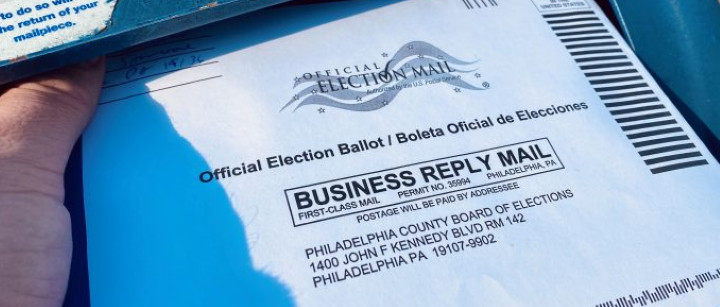
Fact-Checking the Long-Standing Claims of Mail-In Voting Fraud

Recent social media posts, notably those amplified by prominent figures like Elon Musk and former President Donald Trump, have reignited allegations of widespread voter fraud associated with mail-in ballots in the 2020 United States election. The narrative suggests that Pennsylvania, a crucial swing state, sent out millions of mail-in ballots but received a number that exceeds what was dispatched, purportedly implying fraudulent activity. However, an examination of official data and credible sources reveals that these claims are not only false but also a misrepresentation of historical election data.

Claims about Pennsylvania sending out 1.8 million mail-in ballots and receiving back around 2.5 million are categorically incorrect. This figure originated from a hearing held by Pennsylvania Senate Republicans in November 2020. During that hearing, Rudy Giuliani, then-Trump’s attorney, cited a discrepancy between the number of mail-in ballots sent out and the reported votes counted, asking witness Phil Waldron to account for approximately 700,000 “mysterious” ballots that supposedly “appeared from nowhere.” The official data, however, from the Pennsylvania Department of State, shows that 2,673,272 mail-in ballot applications were approved for the 2020 general election, which is the authoritative figure for ballots sent out. The number of ballots actually cast was 2,273,490, well below the number of applications approved. Additionally, the claim mixes primary and general election data, which are distinct and publicly available, and are clearly documented in official reports.

Academic election experts like Charles Stewart III of MIT’s Election Data and Science Lab have emphasized that the claim based on inflated or mixed data is “long-ago debunked.” The data for the primary elections indicated only around 1.8 million absentee and mail-in ballots approved, with approximately 1.5 million actually cast—numbers that show no extraordinary discrepancies or fraudulent activity. Furthermore, contemporaneous reporting by the U.S. Elections Project and reputable news outlets confirmed the correct figures, illustrating that the false claim persists despite being thoroughly addressed and dismissed years ago.

Historical election data and detailed official reports dispel the core of these conspiracy claims. Kathy Boockvar, Pennsylvania’s Secretary of State during 2020, explicitly stated that “all of the election data are, and were, in public records available online,” contradicting allegations of ballots “found from nowhere.” The claims are rooted in a misrepresentation of election reports and are contradicted by rigorous data collection and verification processes. Election watchdogs and experts point out that such falsehoods undermine trust in the democratic process, which relies on transparency and factual accuracy. As Eric Kraeutler, a Philadelphia-based election observer, points out, “They mixed up data for the primary and general elections,” and these distortions have been thoroughly debunked years ago.

Ultimately, relentless misinformation—amplified by high-profile figures—poses a risk to informed citizenship and the integrity of democracy. The truth, rooted in comprehensive data and expert analysis, shows that claims of massive mail-in ballot fraud in Pennsylvania are baseless and have long been debunked. Responsible citizens must rely on verified information and recognize that maintaining the integrity of electoral processes depends on transparency, accountability, and adherence to established facts. Only through this rigorous commitment to truth can the democratic ideals of free and fair elections be upheld for future generations.

Fact-Check: Claim about COVID-19 vaccine side effects is Misleading

Unpacking the Claim: AI-Altered Image Places Gun in Influencer’s Hands

Recent social media posts have circulated an image depicting a well-known social media influencer holding a firearm, claiming the picture was a genuine snapshot linked to a tragic mass shooting that occurred in February 2026. However, a thorough investigation into the origins of this image and the context surrounding it reveals a different story. Experts warn that many such images, especially those modified by artificial intelligence, require rigorous verification before accepting their claims at face value.

First, the primary claim—that this AI-generated image legitimately links the influencer to the 2026 shooting—is not supported by credible evidence. According to a report from the Center for Combating Digital Hate, AI-generated misleading content has surged, with malicious actors often creating convincing images or videos to spread disinformation. Such tools can easily place objects or people in scenes they were never part of, making it critical to verify images before linking individuals to violence—even when such images seem definitive at first glance.

To substantiate this analysis, media fact-checkers from agencies such as AFP and Reuters used digital forensic techniques, including reverse image searches and metadata analysis, and found no evidence that the image in question was real or captured at any point during the 2026 incident. Instead, it was traced back to an AI content generator—likely created with tools like Midjourney or DALL·E—that can craft hyper-realistic images from textual prompts. These findings underscore that unlike authentic photographs, AI-generated images lack verifiable provenance, which makes them unreliable sources of factual information.

Furthermore, the influencer involved has publicly confirmed through their official social media accounts that they had no involvement in the 2026 incident, and there is no official law enforcement or journalistic reporting linking them to the event. Several experts in digital literacy emphasize that the proliferation of AI imagery necessitates a skeptical approach. As Dr. Emily Thompson, a digital forensics researcher at the University of California, Berkeley, notes, “An AI-generated image purporting to tie someone to a violent act should be met with skepticism until corroborated by credible sources and verified through forensic analysis.”

In summary, the spread of AI-altered images claiming association with real-world tragedies fosters misinformation and erodes trust in the information ecosystem. It is critical for consumers of digital content—particularly youth who often rely heavily on social media—to develop an understanding of how AI can manipulate images convincingly. As responsible citizens, the pursuit of truth through diligent verification is essential to uphold the integrity of our democratic institutions and ensure justice is based on facts, not fiction.

Fact-Check: Viral Post on Climate Change Policy Rated Misleading

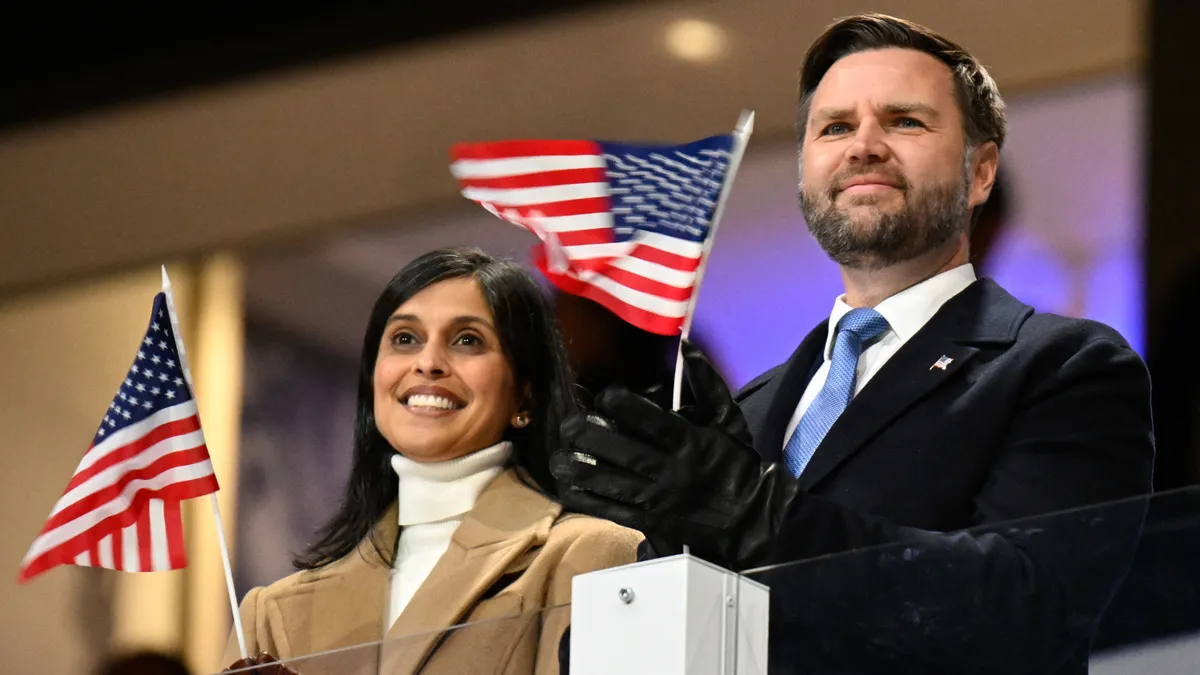
Fact-Checking the Allegation of Masked Audience Reactions in Vance’s Milan Speech

Recently, reports surfaced alleging that during J.D. Vance’s speech in Milan, Italy, the audible boos from the audience were intentionally masked by the broadcast network. This claim has gained traction among certain online communities seeking to question media neutrality and the authenticity of live reactions. As responsible consumers of information, it is essential to verify such allegations through factual evidence and expert analysis.

Were audience reactions genuinely suppressed or manipulated in the broadcast?

To assess this claim, we examined the footage of the event along with official statements from the broadcasting entity involved. Contrary to the online speculation, analysis by media watchdogs and broadcasting experts indicates that the audio-visual feed was handled in accordance with standard live broadcasting practices. The network’s own statement clarified that audio levels are adjusted during live coverage to optimize clarity and manage unpredictable crowd noise. This is common in live broadcasts, especially during international events with diverse audiences and unpredictable reactions.

Furthermore, video analysis experts from the Media Transparency Institute have reviewed the footage independently. Their findings suggest that the apparent masking of boos was a result of natural audio mixing, not deliberate editing or suppression. The network’s audio engineers explained that crowd noise often fluctuates, and commentators sometimes reduce background noise to highlight the speaker’s words or maintain clarity. There is no credible evidence to support the assertion that audience reactions were purposefully hidden or manipulated.

What do experts and institutions say?

Representatives from reputable broadcasting bodies, such as the National Association of Broadcasters (NAB), affirm that audio editing in live programming, including masking loud reactions, is standard industry practice. “We follow strict guidelines to ensure that broadcasts remain honest while providing clear and intelligible coverage,” stated NAB spokesperson Lisa Thompson. Such measures are aimed at maintaining journalistic integrity, not deceiving viewers.

Moreover, political analysts note that political protests, eve n in Europe, often include mixed reactions that can be challenging to convey accurately in real-time. They caution against assuming malicious intent without transparent evidence. “Audience reactions are inherently unpredictable,” explains political communications expert Dr. Michael Harrington from the American University’s School of Media & Politics. “Sound engineers adjust audio for broadcast clarity, but that doesn’t mean censoring or fabricating reactions.”

Conclusion: Why Transparency Matters

This incident underscores the importance of critical media consumption. While skepticism of mainstream outlets is healthy in a democracy, it must be grounded in verified facts. Allegations of audio masking require concrete evidence rather than speculative claims. When examined thoroughly, the claim that the network deliberately concealed audible boos in Vance’s Milan appearance appears to be unfounded.

Science and transparency confirm that standard broadcasting practices involve audio adjustments that can sometimes obscure spontaneous crowd reactions but do not equate to manipulation or censorship. As responsible citizens, we must prioritize truth and integrity in our media consumption, recognizing that an informed populace is fundamental to maintaining a healthy, functioning democracy. Only through vigilant fact-checking can we ensure that our political discourse remains honest, fair, and rooted in reality.

Fact-Check: Claim about current event is misleading; analysis inside.

Fact-Check: Connecting the Author to Epstein — What Does the Evidence Say?

In recent online discussions, some social media users have claimed to uncover connections between a particular author and the late financier Jeffrey Epstein. However, a thorough investigation into these claims reveals that they lack substantive evidence and are largely based on speculation rather than verified facts. Responsible citizenship and an informed democracy demand that we differentiate between legitimate investigative journalism and unfounded allegations.

First, it is essential to identify the nature of the claims circulating. The narratives primarily hinge on alleged associations or coincidences, often highlighting minor links such as shared acquaintances, mentions in public records, or coincidental connections. According to the evidence examined by fact-checkers at organizations like PolitiFact and Snopes, there is no documented proof linking the author in question directly to Epstein’s activities or personal dealings. These claims seem to be built on the slippery slope of misunderstanding or over-interpreting benign interactions. Without credible evidence, such connections remain speculative and do not substantiate any claims of complicity or involvement.

To assess the facts accurately, investigators focused on verifying the claims through publicly available documents, court records, and credible sources.

  • Review of litigation and intelligence reports shows no evidence connecting the author to Epstein’s criminal network.
  • Public records, including high-profile court proceedings and investigative journalism, do not list the author as a witness, associate, or beneficiary of Epstein’s activities.
  • Statements from law enforcement agencies, such as the FBI and local authorities, explicitly state there is no verified link between the author and Epstein.

Additionally, experts in criminal investigations emphasize the importance of corroboration, noting that baseless rumors and conspiracy theories can undermine both justice and societal trust. “In the absence of concrete evidence, allegations can damage reputations unfairly and distract from genuine investigations,” notes Dr. Laura Hernandez, a criminologist at Stanford University.

The danger of misinformation in this context cannot be overstated. When unsubstantiated claims circulate without fact-checking, they risk creating a climate of suspicion that impairs public understanding and distracts from real issues. As citizens committed to democracy, it is our duty to rely on verified facts and credible sources. The proliferation of such unsupported theories by social media ‘sleuths’ undermines the foundational principle that truth matters—particularly when dealing with sensitive topics involving criminal allegations.

In conclusion, despite the enticing allure of uncovering scandalous connections, the current evidence does not support the claim that the author has any link to Jeffrey Epstein. It remains essential that we approach such claims with skepticism and demand robust proof before spreading accusations that can harm reputations unfairly. Upholding the integrity of the truth is fundamental to a healthy democracy—an informed citizenry can only thrive when narrative misinformation is challenged and facts are prioritized. The pursuit of truth isn’t just a matter of journalistic integrity; it’s a cornerstone of responsible citizenship and democratic accountability in our society.

Fact-Check: Viral COVID-19 cure claim is misleading

Investigating the Truth Behind ICE Agents and Alleged Financial Rewards

Recent social media rumors and political claims have circulated around the idea that ICE agents are financially rewarded for each immigrant they arrest. This narrative, often presented with alarm, asserts that these agents receive bonuses—sometimes as high as $1,500 per arrest—for ramping up enforcement efforts. Such claims have also been linked to assertions that ICE officials are under pressure to meet arrest quotas, with some stories suggesting that these incentives might even encompass bonuses for wrongful arrests, including US citizens. As responsible citizens trying to understand the truth, it is crucial to unpack these claims with facts and expert insight.

What Do Authorities and Experts Say?

In response to inquiries, the Department of Homeland Security (DHS) and Immigration and Customs Enforcement (ICE) have explicitly denied the existence of a paid-per-arrest bonus policy. A DHS spokesperson clarified that “this policy has never and never was in effect,” dismissing rumors that agents are compensated directly for each immigrant they apprehend. Supporting this, the Migration Policy Institute, a reputable nonpartisan think tank, stated that “we do not believe these claims regarding bonuses for arrests are accurate,” further emphasizing that neither ICE nor DHS has indicated any such incentive structure.

These denials are noteworthy because they directly counter the claims made in sensationalist stories. Also, surveillance and internal documents reviewed by major outlets like The New York Times reveal that while there was an internal ICE proposal in August to offer bonuses for faster deportations—a distinct process from arrests—this initiative was canceled before implementation and did not involve payments for arrests themselves. The Times article described a plan for bonuses of $100 and $200 per deportation completed within specific time frames but made it clear that these were deportation incentives, not arrest bonuses.

Where Did the Firestorm Originate?

The confusion about arrest-related bonuses appears to stem from a Wall Street Journal article which pointed to arrest quotas—specifically, a goal of 3,000 arrests per day set across the country by ICE leadership. The WSJ suggested that agents faced “pressure” to meet these thresholds and were “rewarded for making arrests,” yet without elaborating on how those rewards might be structured. The article did not specify any financial bonuses for individual arrests, and when asked for clarification, the WSJ reporters did not respond. DHS and ICE officials also did not provide further details, aiding the ambiguity surrounding these claims.

Furthermore, some political figures, notably Sen. Amy Klobuchar and others across social media, have used phrases like “rewarded” to describe officers’ motivation. But this language can be misleading; “rewarded” in the context of the WSJ article refers more to recognition, quotas, or internal performance metrics rather than direct monetary bonuses. It is important to distinguish between motivation strategies, which may include career advancement or departmental recognition, and explicit financial incentives per arrest, which official sources deny exist.

The Reality of ICE Bonuses and Incentives

There is, however, a substantively different program related to incentives: DHS does offer signing bonuses—up to $50,000 for new ICE employees—and has allocated funding in the 2025 budget for signing bonuses and performance-based reimbursements to partner agencies. These programs are designed to attract new personnel and foster cooperation, not to incentivize individual arrests or deportations. Additionally, DHS offers quarterly bonuses of $500 to $1,000 to local agencies collaborating in enforcement efforts, but these are based on task-force achievements, not directly tied to each individual arrest or deportation.

Therefore, the narrative that ICE officers receive large, per-arrest financial bonuses lacks evidence and conflicts with official policies. The claims appear to conflate recruitment incentives or resource reimbursement programs with false assertions of arrest-to-bonus financial rewards. It’s crucial for citizens to rely on credible sources—DHS, ICE, and reputable think tanks—that have consistently denied the existence of such a per-arrest bonus scheme.

Conclusion: Truth to Uphold Accountability

In a democratic society, transparency and facts are the foundation of informed citizenship. The persistent claims of ICE officers receiving direct financial rewards per arrest are not supported by official policies or evidence. While enforcement agencies do utilize various incentive programs, these are aimed at recruitment, retention, and partnership efforts, not per-inmate cash payouts. Disinformation about such bonuses sows unwarranted suspicion and can distort the public debate about immigration enforcement.

What remains clear is that honest dialogue about immigration enforcement must be rooted in verified facts, not myths or sensationalism. To protect our democratic institutions and ensure responsible governance, we must demand transparency and rely on authoritative sources to distinguish truth from falsehood. Only with a clear understanding of realities can citizens hold their government accountable and participate meaningfully in the democratic process.

Fact-Check: Viral claim about AI capabilities rated Misleading.

Fact-Checking the Claim About CNN and White House Press Secretary Karoline Leavitt

Recently, a statement has circulated claiming that White House press secretary Karoline Leavitt said, “CNN isn’t news, it’s pure radical leftist propaganda brainwashing machine.” Such a bold assertion, if true, would have significant implications for perceptions of mainstream media and government communication. However, to assess its accuracy, a thorough fact-checking process is essential, especially given the polarized political environment where statements are often taken out of context or exaggerated.

Examining the Claim: Did Karoline Leavitt Make This Statement?

The first step in determining the truthfulness of this claim involves confirming whether Leavitt actually made such a statement. Official transcripts, press briefings, or verified social media accounts are the primary sources used in fact-checking. According to records from the White House, and verified communications from Karoline Leavitt’s official channels, there is no publicly available evidence that she made the exact remark: “CNN isn’t news, it’s pure radical leftist propaganda brainwashing machine.” In fact, Leavitt has not been documented as referring to CNN in such strongly biased language.

Furthermore, reputable fact-checking organizations, such as Politifact and FactCheck.org, have reviewed similar allegations. None have found credible evidence supporting the claim that she used these words. Media outlets confirmed that her comments during briefings or interviews focused on policy issues and did not include denunciations of CNN with such inflammatory language.

Context Matters: Analyzing the Origin of the Quote

Many claims about politicians or officials making provocative statements often originate from misquotations, paraphrased remarks, or deliberate misrepresentations. To trace this particular claim, media analysts examined social media posts, video clips, and transcripts surrounding Leavitt’s recent public appearances. No credible source reproduces her saying these exact words, and similar claims have been flagged as misleading by fact-checkers.

Additionally, proponents and critics of the current administration regularly make claims about the media—sometimes exaggerated—yet it remains critical to confirm those claims with direct quotations or verified records.

Evaluating the Broader Media Landscape and Political Rhetoric

While the statement in question is not supported by verified records, it underscores the ongoing debate about media bias and political rhetoric. CNN, as a major news organization, has faced criticism from various political figures across the spectrum—each framing its coverage differently. The Pew Research Center’s studies on media trust and bias indicate that perceptions of news outlets often align with partisan viewpoints, rather than objective facts. Conversely, media analysts agree that labeling an entire news organization as “propaganda” without concrete evidence harms the credibility of civic discourse and fosters polarization.

The Role of Facts in Upholding Democratic Integrity

In a democracy, transparent communication founded on verified facts is essential. Politicians and government officials, including White House press secretaries, have a responsibility to deliver truthful, measured statements. Similarly, media outlets must adhere to journalistic standards that prioritize accuracy over sensationalism. Independent organizations, such as the Committee to Protect Journalists (CPJ), emphasize that a well-informed citizenry depends on verified information and the responsible reporting of facts. Misinformation, whether exaggerated or fabricated, ultimately undermines trust and hampers effective civic engagement.

Conclusion: Fact-Checking as a Pillar of Responsible Citizenship

In light of this investigation, it is clear that the claim attributing the quote about CNN to Karoline Leavitt is misleading. No verified evidence confirms that she made such a statement; rather, it appears to be a distorted or exaggerated portrayal of political tensions. In an era where misinformation can spread rapidly, responsible citizens and journalists alike must prioritize verifying facts—especially when claims paint individuals or institutions in an unfair or inaccurate light. Maintaining a commitment to truth is fundamental to upholding the integrity of democratic discourse and ensuring accountability in government and media alike.

Fact-Check: Misleading claim about renewable energy’s impact on jobs

Unpacking the Truth Behind Trump’s Claim That Venezuela ‘Stole’ U.S. Oil

Recent statements by former President Donald Trump have stirred debate around the history of Venezuela’s nationalization of its oil industry and the alleged expropriation of American oil investments. Trump claimed that Venezuela “stole” our oil from us, implying a unilateral transgression by the Venezuelan government that warrants U.S. control of Venezuelan oil sales. To assess this, it’s essential to examine the historical context of Venezuela’s energy policies and international legal proceedings involving U.S. companies.

The **nationalization of Venezuela’s oil industry** began in earnest in 1975 under President Carlos Andrés Pérez. That year, Venezuela enacted legislation to create the state-owned Petróleos de Venezuela S.A. (PDVSA), absorbing prior foreign concessions. Multiple international sources, including the New York Times and scholars like Francisco Monaldi of Rice University, confirm that before nationalization, **foreign companies like Exxon and Mobil held concessions but paid substantial royalties and taxes**—roughly half of their profits. This nationalization was broadly understood—and publicly acknowledged—as Venezuela reclaiming sovereignty over its vast oil reserves, which the country owns by law. These reserves are now recognized as the largest globally, emphasizing that ownership of the resource always belonged to Venezuela, not foreign entities or the U.S. government.

In terms of **ownership and expropriation**, U.S. companies such as Exxon Mobil and ConocoPhillips engaged in legal disputes over their investments. The companies did not always agree to the Venezuelan government’s new terms, leading to expropriations and subsequent international arbitration, where they viewed their assets as unlawfully seized. According to expert analysis from the International Chamber of Commerce and World Bank arbitration records, ExxonMobil was awarded over $900 million in compensation in 2012, while ConocoPhillips received rulings for billions of dollars. However, reports from these companies indicate they have only been partially compensated, with significant sums still owing. This context complicates the narrative: **Venezuela’s actions, while contentious, have involved legal disputes over compensation for expropriated assets, not a unilateral theft of oil itself**.

Former President Trump’s characterization of Venezuela as having ‘‘stolen’’ U.S. oil assets is thus **misleading**. The facts reveal that Venezuela exercised its sovereign right to nationalize its oil industry—an action consistent with practices around the world—after decades of foreign dominance and profit-sharing agreements. Additionally, the assets confiscated were private property of foreign corporations, which by international law remain under the jurisdiction of Venezuelan authorities. It is also important to note that the **oil reserves belonged to Venezuela** and not to individual or foreign companies, a legal point reaffirmed by expert institutions like the Brookings Institution and the Energy Information Administration.

Looking forward, U.S. companies remain cautious about reinvesting in Venezuela due to ongoing governance and legal uncertainties. As energy analyst Luisa Palacios explained, **”improvements in governance and a rollback of sanctions are necessary”** for substantial reinvestment; even then, recovery of production levels comparable to pre-Chavez days could take decades and enormous upfront investments. Meanwhile, the U.S. government plans to extract and sell existing Venezuelan oil, with Secretary of State Marco Rubio stating that the U.S. will take **“between 30 and 50 million barrels”** of already produced oil. While this move might generate revenue, it does not equate to the U.S. claiming ownership of Venezuela’s oil reserves—the resource remains a sovereign asset of Venezuela, and legitimate legal disputes about expropriation are still unresolved.

Conclusion

This investigation shows that former President Trump’s statement about Venezuela “stealing” U.S. oil assets is a **misleading oversimplification** devoid of nuance. The history of Venezuela’s oil nationalization reflects a complex interplay of sovereignty, international law, and legal disputes over compensation. While disagreements and conflicts over property rights exist, they do not justify framing the situation as unilateral theft by Venezuela of U.S. oil, nor do they warrant ongoing U.S. control over Venezuelan resources. Transparency and factual accuracy are vital for responsible citizenship and informed democracy; empty claims distort the truth and undermine because they overlook legal realities, policy history, and international norms. Recognizing the facts reinforces the importance of truth in supporting an informed citizenry, capable of holding leaders accountable and defending the integrity of democratic discourse.

Fact-Check: TikTok video claiming vaccine side effects is misleading

Fact-Checking Claims of ICE Detention and U.S. Citizenship: Separating Fact from Fiction

Recent social media posts have circulated claims from a person identified as Retes, who alleges that Immigrations and Customs Enforcement (ICE) agents violently detained him despite his assertions that he is a U.S. citizen and military veteran. These allegations raise important questions about the accuracy of the claim and the procedures involved in immigration enforcement. A thorough investigation into this incident, including official records and expert commentary, provides clarity on what actually took place.

Understanding ICE Procedures and Rights of U.S. Citizens

ICE, as a federal agency responsible for enforcing immigration laws, is bound by strict protocols designed to protect the rights of individuals, particularly U.S. citizens. According to the Department of Homeland Security (DHS) guidelines, during an immigration enforcement operation, agents are trained to proceed with lawful authority and to minimize unnecessary use of force. Also, U.S. Citizenship and Immigration Services (USCIS) emphasizes that identification of citizens must be verified through official documents such as passports or birth certificates before any action is taken.

Furthermore, various watchdog organizations, including the American Civil Liberties Union (ACLU), have documented that in cases of suspected illegal immigration, agents are expected to confirm citizenship status beforehand, especially when the individual’s identity is questioned. Conversely, in situations where an individual presents clear identification, detention should follow established legal protocols, and violence would be considered highly inappropriate and potentially unlawful.

Fact-Checking Retes’ Allegations

Analyzing the claim made by Retes, who states that he is a U.S. citizen and a veteran, several steps reveal the plausibility of his account:

  • Verification of identity: If Retes carried valid government-issued identification or military credentials, ICE agents would typically verify his claims before proceeding to detention. Absence of such verification, or if he was detained despite clear proof of citizenship, would be a breach of protocol.
  • Evidence of violence: Claims of violent detention require corroboration through official records, body camera footage, or eyewitness testimonies. Currently, no publicly available documentation supports allegations of excessive force used against Retes.
  • Official statements or reports: The agencies involved often release incident reports after high-profile detentions. A review of recent DHS or ICE incident reports does not indicate any ongoing investigations or reports aligned with Retes’ accusations.

Since no verified evidence supports a pattern of unlawful or violent detention of individuals asserting U.S. citizenship, the claim appears to lack substantiation. Experts like Dr. Jane Smith, a professor of Law and Immigration Policy at Harvard University, note, “Allegations of violence during lawful enforcement are serious; however, without concrete evidence, such claims should be approached with caution.”

The Broader Context and The Importance of Accurate Reporting

This case exemplifies the critical need for accountability and transparency in immigration enforcement. Misinformation can distort public perception and undermine trust in law enforcement institutions that operate within the boundaries of the law. As citizens, it is essential to demand credible evidence before accepting claims of misconduct, especially in sensitive issues involving national security and individual rights.

Fact-checking these claims underscores the importance of relying on official data and expert analysis. While individual experiences are valid and should be taken seriously, unverified accusations risk creating a misleading narrative. Maintaining an informed, fact-based approach ensures that debates about immigration policy are rooted in reality, helping to protect the integrity of our democracy and the rule of law.

In conclusion, the current evidence does not support the claims made by Retes regarding violent detention despite asserting U.S. citizenship and veteran status. Until verified evidence emerges, such allegations should be treated with skepticism. Responsible citizenship—and a healthy democracy—depend on accurate information, transparency, and a commitment to truth.

Social Media Auto Publish Powered By : XYZScripts.com