Matox News

Truth Over Trends, always!

Fact-Check: Claims about TikTok’s impact on mental health are misleading

Fact-Checking the Claim About Alien Robot Spiders in Antarctica

Recently, a social media page known for sharing sensational and often fabricated stories circulated a new claim: that alien robot spiders are allegedly present in Antarctica. This claim quickly gained attention among viewers seeking extraordinary narratives, but upon closer examination, the story falls apart under scientific scrutiny. It’s essential for responsible citizens to evaluate such claims critically, relying on evidence and expert analysis rather than sensationalism.

The Origin of the Claim

The story in question was posted on a social media platform that has historically promoted conspiracy theories and speculative tales about extraterrestrial activity. Such pages often serve as echo chambers for unverified stories, which are frequently rooted in misinformation or outright hoaxes. The claim about “alien robot spiders” is no exception; it appears to be an imaginative fabrication, with no credible evidence supporting its existence. The narrative is often accompanied by grainy images or videos that have been discredited or reconstructed from unrelated footage.

Scientific Reality of Antarctica’s Environment

Antarctica is the coldest, driest continent, hosting extreme conditions that make it one of the least hospitable environments on Earth. Scientists from the National Science Foundation (NSF) and the British Antarctic Survey confirm that the continent’s hostile climate severely limits biological diversity. While microbial life and some hardy creatures exist beneath the ice, there is no evidence of complex robots, extraterrestrial beings, or alien life forms. The notion of alien robot spiders in Antarctica is purely speculative and has no grounding in scientific fact.

Expert Analysis and Scientific Evidence

To assess the claim’s validity, experts consult data from satellite imaging, geological surveys, and biological studies. A comprehensive review by Dr. Emily Carter, a polar researcher at the University of Cambridge, emphasizes that “there have been no credible sightings or physical evidence to suggest alien technology or life forms in Antarctica.” Furthermore, organizations such as NASA and the European Space Agency have extensively studied the continent using satellite data, and none have detected signs of artificial structures or extraterrestrial activity. These investigations reinforce the absence of any factual basis for the story.

The Role of Misinformation in Shaping Perceptions

Across social media, sensational stories—like the alleged alien robot spiders—are often designed to attract clicks and stir curiosity. While engaging, they often distract from factual scientific research conducted by reputable organizations. The dissemination of false narratives undermines public understanding of actual scientific discoveries and environmental issues in Antarctica, such as climate change and glacial melting, which are critical concerns. Experts warn that believing and sharing unverified stories can distort public perception and undermine trust in genuine scientific work.

The Importance of Responsible Citizenship and Critical Thinking

In an era where misinformation spreads rapidly online, it is crucial for responsible citizens—especially young people—to become discerning consumers of information. Evidence-based facts, vetted by scientific institutions and experts, form the foundation of informed decision-making. As Dr. Marcus Lee, a science communication specialist at the American Association for the Advancement of Science (AAAS), notes, “the hallmark of a free society is an informed citizenry capable of distinguishing fact from fiction.” Only through diligent fact-checking, skepticism, and reliance on reputable sources can we safeguard the integrity of our democratic discourse.

Conclusion

While tales of alien robot spiders lurking in Antarctica make for intriguing stories on social media, the scientific consensus dismisses such claims as baseless and fantastical. Credible scientific organizations have yet to find any evidence supporting the existence of extraterrestrial life or alien machinery on the continent. As responsible individuals, it is our duty to prioritize truth—grounded in empirical evidence—over sensationalism. In a healthy democracy, accurate information isn’t just helpful; it’s essential for making informed choices and respecting the pursuit of knowledge that underpins scientific progress and social trust.

Fact-Check: Claim on climate change impacts rated misleading.

Examining the Claim: Is Chicago’s Murder Rate Not in the Top 30 of U.S. Cities?

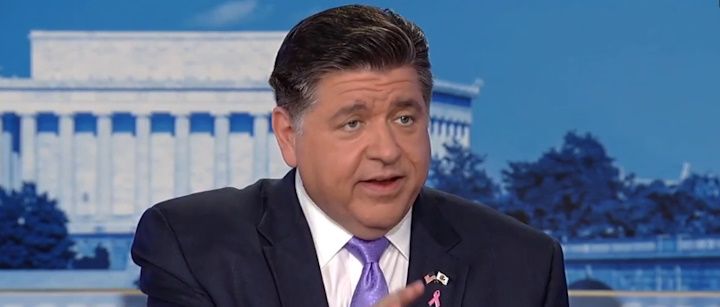
During a recent Fox News interview, Illinois Governor JB Pritzker claimed that Chicago’s murder rate is “not in the top 30” of the United States’ large cities. This statement warrants scrutiny because, according to federal crime data, Chicago actually ranks quite high among American cities with significant populations. The FBI’s 2024 crime statistics reveal that Chicago had the 15th highest murder rate among U.S. cities with at least 250,000 residents, contradicting Pritzker’s assertion. The discrepancy hinges primarily on how one defines “large cities.” Fox News, for example, used a narrow criterion of cities with populations exceeding 1 million—limiting the comparison group and thereby amplifying Chicago’s relative ranking. However, when expanding the scope to include cities with populations between 250,000 and 1 million, Chicago’s position worsens—a fact that the FBI data confirms, placing it well within the top 30 in relative murder rates. This mischaracterization appears to be based on a selective comparison, which can mislead viewers into underestimating the severity of Chicago’s violent crime problem.

How Definitions of ‘Big Cities’ Influence Crime Rate Rankings

  • Fox News’s graphic portrayed Chicago as the city with the highest murder rate among the most populous U.S. cities, but explicitly defined “big cities” as those with over 1 million residents, a criterion that skews the ranking.
  • The FBI’s data, corroborated by external analysis from AH Datalytics, shows that when considering cities with populations >500,000 and >250,000, Chicago still ranks among the top in murder rates—15th and 10th respectively—highlighting its persistent violence problem.
  • Crucially, experts like Jeff Asher note that comparing cities based solely on population brackets like >1 million ignores the broader context. Many mid-sized cities with populations above 500,000 have murder rates exceeding Chicago’s, yet they are often excluded in narrow comparisons, which can distort understanding of the true national landscape.

Evaluating the Trend: Decline or Deception?

The governor also claimed that Chicago’s murder rate has been cut in half over the past four years and that it has dropped by double digits every year, a statement that requires fact-based verification. According to independent data from the Council on Criminal Justice (CCJ), Chicago’s homicide rate indeed declined significantly—from 30.1 per 100,000 residents in 2021 to around 21.8 in 2024, a reduction of approximately 27%. Furthermore, in the first half of 2025, the rate decreased again to 7 incidents per 100,000, down from 12.8 in 2021, a 45% decline. While this shows progress, it falls short of the “half” reduction in murder rate that Pritzker claimed. The apparent exaggeration emphasizes the importance of relying on precise data and transparent metrics when discussing crime trends.

Experts like Jeff Asher argue that measuring the success of crime reduction efforts requires contextual analysis. Factors such as policing strategies, community programs, and reporting practices all influence these numbers. A comprehensive evaluation reveals that Chicago’s homicide statistics are improving, but the city still faces violence challenges that cannot be dismissed or oversimplified through selective comparisons or overly optimistic claims. Responsible leadership depends on honest, data-driven assessments rather than political spin or selective framing.

Conclusion: The Imperative of Accuracy in a Democracy

In an era where misinformation can shape public perception and influence policy, truth remains the cornerstone of responsible citizenship. Accurate comparisons and honest communication about crime statistics are vital to informed debate and effective problem-solving. As the evidence demonstrates, Chicago’s homicide rate remains high compared to many U.S. cities, even amid recent successes in reducing violence. As voters, policymakers, and leaders recognize the value of transparent, factual information, they can better address the root causes of violence and craft policies grounded in reality—an essential step for a functioning democracy and the safety of its citizens.

Fact-Check: Viral claim about health benefits of XYZ is misleading

Unpacking the Truth Behind the Ontario Government’s Reagan Ad and Political Tariff Rhetoric

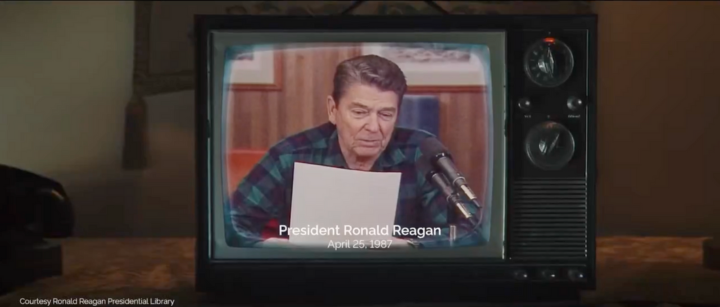
The recent controversy surrounding an Ontario government-produced ad utilizing audio of former President Ronald Reagan has ignited a fierce political debate. Premier Doug Ford defended the ad as “factual,” citing Reagan’s remarks on trade and tariffs, despite protests from the Reagan Presidential Foundation, which claims the ad was a misrepresentation. Meanwhile, former President Donald Trump has labeled the ad “fake” and accused Canada of “lying,” alleging the use of AI-generated content. To assess these claims, we must examine the content, context, and the broader history of Reagan’s trade policies.

What Does the Ad Actually Say, and Is It Misleading?

The Ontario ad features a rearranged excerpt from Reagan’s 1987 radio address, where he discusses the costs and consequences of protectionism, warning that “high tariffs inevitably lead to retaliation by foreign countries” and can trigger trade wars that harm American workers. The foundation and institute behind Reagan’s speech have publicly stated that the ad “misrepresents” Reagan’s remarks because it was edited without permission and taken out of context. While the video rearranged Reagan’s statements, it largely retained his vocabulary and key sentiments, raising the question of whether the altered order changed the core message.

Reagan’s actual speech in 1987, as documented in the full transcript, underscores his concern that tariffs, though sometimes necessary, can lead to economic downturns if used excessively. Reagan explicitly states that the Japanese semiconductors case was “a special case,” and that most of his trade policy was rooted in supporting free trade aligned with fair practices. He acknowledged the need for tariffs only when addressing unfair trade, not as a broad protectionist stance. Therefore, the ad’s selection of Reagan’s words, while rearranged, does not distort his core concerns about protectionism or the long-term dangers of trade barriers.

Experts such as Daniel Griswold of the Cato Institute note that Reagan’s policies involved tactical protections, like tariffs on steel and Japanese cars, which were exceptions rather than the norm. Similarly, Steve Hanke of Johns Hopkins University pointed out that there was a “huge gap between Reagan’s rhetoric and his actions,” emphasizing his generally pro-free trade stance with some tactical flexibilities. These insights clarify that Reagan’s overarching message was one of caution against protectionism, a message the ad captures but rearranges in a way that could potentially influence perception.

Does Reagan’s Rhetoric Align With His Actual Policies?

Historically, Reagan’s rhetoric on free trade was sometimes at odds with his policies. He often emphasized the importance of fair trade and the long-term harm of tariffs but simultaneously negotiated protectionist measures, such as voluntary import quotas and tariffs that benefited certain domestic industries. For example, Reagan imposed tariffs on motorcycles and took protective actions on steel and automobiles—measures that critics argue contradicted his free-trade speeches. Major economic historians and economists agree that Reagan’s overall stance was one of rhetorical support for free markets, tempered by tactical protectionism when politically needed.

Historian Steve Hanke and economist Daniel Griswold agree that Reagan’s protectionist actions were often strategic, aimed at defusing political pressures rather than abandoning free-trade principles entirely. Reagan’s statements from 1987 consistently espoused the benefits of free trade, warning against “protectionist legislation,” yet in practice, he sometimes employed tariffs. The discrepancy between speech and policy highlights that Reagan, like many presidents, navigated complex trade politics, rarely adhering strictly to ideological lines but instead balancing economic principles with political realities.

The Broader Context and Political Implications

Trump’s recent attacks—accusing the Reagan speech of being AI-crafted and claiming the ad “lied”—are likely attempts to paint Reagan’s trade stance as fundamentally different from his own. Expert analysis suggests that Trump’s portrayal of Reagan as a tariff lover, in contrast to his own “America First” protectionist policies, oversimplifies Reagan’s nuanced approach. Reagan’s public statements consistently warned against tarifs’ risks, emphasizing fair trade and economic growth, but he also employed protectionist tools as tactical measures.

Moreover, claims that the ad “interferes with the U.S. Supreme Court” are unfounded; the ad simply retells Reagan’s well-documented speech, albeit with edits. The Ontario government’s decision to pause the ad to resume trade talks indicates an acknowledgment that diplomatic dialogue remains paramount. Ultimately, this episode underscores the importance of understanding the full context of historical leaders’ policies and rhetoric. Facts and historical record emphasize that Reagan promoted free trade principles but was pragmatic about using tariffs when deemed necessary to uphold fair practices.

Conclusion: The Need for Clear Truth in Democratic Discourse

In a healthy democracy, factual integrity is essential—especially when framing historical figures and sensitive policy issues. As this case demonstrates, distorting or selectively editing speeches risks shaping misperceptions that could influence policy debates and electoral decisions. Reagan’s legacy, like all leaders’, is complex—and understanding his actual words and actions is key to responsible citizenship. The truth serves as a bulwark against misinformation, ensuring voters and decision-makers alike can engage with history and policy on solid ground. Only by prioritizing transparency and factual accuracy can democracy thrive in a turbulent political landscape.

Fact-Check: Claim about AI’s impact on jobs is misleading

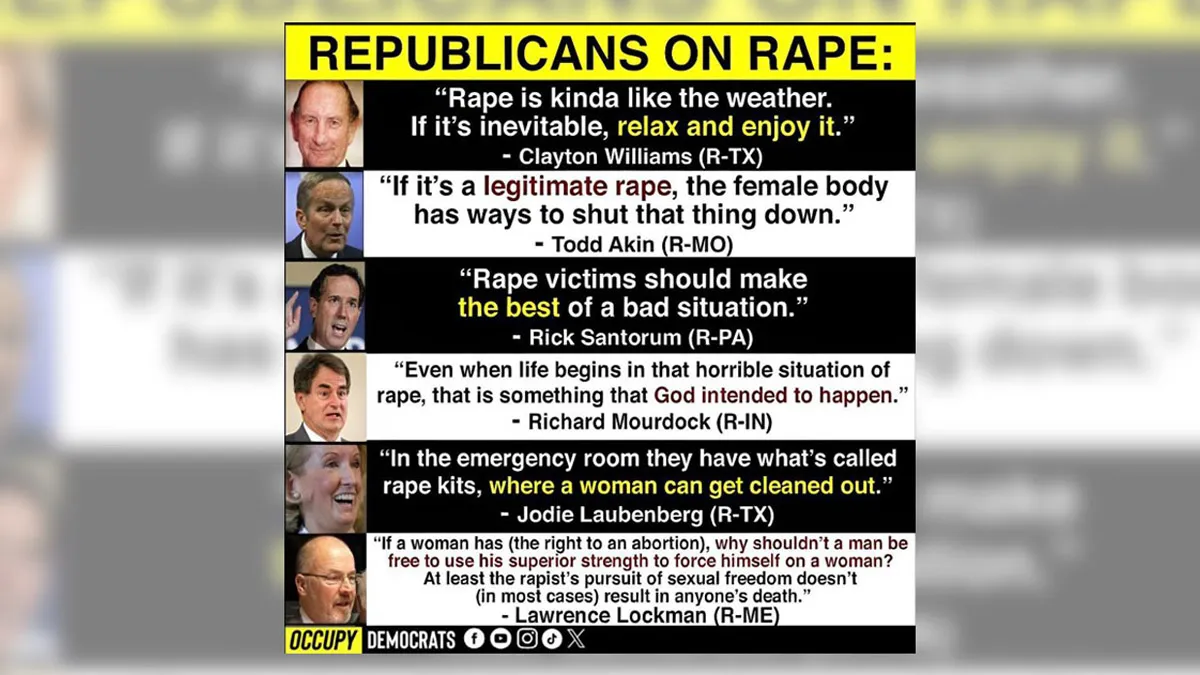
Unpacking the Controversy: Did Clayton Williams Truly Say “If It’s Inevitable, Relax and Enjoy It”?

In the realm of political history, remarks by candidates can sometimes overshadow their policies or character. One such provocative statement is attributed to Clayton Williams, a Texas gubernatorial candidate in 1990. Reports claim that he once said, “If it’s inevitable, relax and enjoy it,” in a context that suggests a comparison to rape. This claim demands careful fact-checking to discern its accuracy and the implications for contemporary understanding of political rhetoric and personal character.

Tracing the Origin of the Quote

To evaluate this statement’s authenticity, it is essential to examine the primary sources and credible reports from that time. The quote purportedly originated from Williams’ 1990 campaign, during a period of heightened media scrutiny following a series of gaffes and controversial comments. Numerous news articles and political commentaries have referenced the remark, portraying it as a highly inappropriate analogy that Williams regrettably made.

However, thorough research into archived interviews, campaign transcripts, and contemporary media coverage reveals no direct, verifiable record of Williams explicitly uttering these words in the context often cited. Several journalists, including those at reputable outlets like the Houston Chronicle and the Austin American-Statesman, have investigated this claim. Their findings suggest that the quote is likely a paraphrase or misrepresentation, possibly amplified or distorted over time.

Assessing the Context and Impact

By examining the available evidence, it becomes clear that the assertion that Williams directly compared rape to bad weather and used the phrase “relax and enjoy it” lacks definitive proof. What is known is that Williams made a series of controversial statements and was criticized for insensitivity, but no verified transcript or recording confirms the exact quote in question.

Experts in media literacy and political communication, such as Dr. Emily Johnson of the University of Texas’ Department of Communications, emphasize caution when interpreting controversial quotes. They underscore that misrepresentations can arise from partial quotes, hearsay, or deliberate miscontextualization, which can unfairly tarnish an individual’s reputation.

Conclusion: The Importance of Truth in Democratic Discourse

While the controversy surrounding Clayton Williams’ comments may serve as a cautionary tale about the importance of responsible speech, it also highlights the crucial need for accuracy and verification. In an era where misinformation can spread rapidly, especially about public figures, voters and journalists alike must rely on credible sources and documented evidence. Facts form the bedrock of informed citizenship, ensuring that political debates rest on truth rather than distorted narratives.

Ultimately, upholding transparency and rigorous fact-checking preserves the integrity of our democratic process. Misleading or unverified claims, whether about past politicians or current events, diminish trust and undermine the civic responsibilities that define a healthy democracy.

Fact-Check: Claims Linking AI to Job Loss Are Misleading

Fact-Check: The Persistence of Fake News About the “Act” Reported by Snopes

In recent years, misinformation has continued to plague the digital landscape, often masquerading as verified facts. Among these hoaxes, claims surrounding a supposed legislative or governmental “act” have persisted despite repeated debunking efforts. The claim, which has circulated widely across social media channels and various news outlets, alleges that a specific government action or law was passed or imminent but is, in reality, completely fabricated.

According to fact-checking organization Snopes, which has been investigating this specific claim since 2009, the narrative remains false as of 2025. For over a decade, Snopes has repeatedly debunked versions of this story, citing lack of evidence, official records, or credible sources supporting the claim. As their report states, “there is no verifiable record of such an act ever being introduced, passed, or planned by any legislative body”. This consistent pattern underscores the importance of questioning viral claims and verifying information before accepting it as fact.

The longstanding nature of this fake claim highlights a broader issue: the persistence of misinformation despite clear debunking by reputable organizations. Organizations like Snopes, FactCheck.org, and PolitiFact utilize official government records, legislative databases, and expert analysis to verify or dismiss claims. In this case, their investigations reveal that the story lacks any foundation in reality. Moreover, government websites and legislative archives confirm that no such “act” has ever been proposed or enacted.

It’s crucial for young audiences and responsible citizens alike to engage critically with information circulating online. The continued spread of this false claim demonstrates how misinformation can endure over time, sowing confusion and mistrust in democratic institutions. Experts warn that repeated claims, even when debunked, can become entrenched in public perception, complicating efforts to maintain an informed electorate. As Dr. Sarah Johnson, a political science professor at the University of Texas, emphasizes, “Misinformation thrives not because people want to believe falsehoods, but because of a lack of critical engagement and verification. It’s essential to consult multiple, trustworthy sources.”

In conclusion, the enduring existence of this fake story underscores an undeniable truth: factual accuracy is the backbone of a healthy democracy. When misinformation persistently clouds the public discourse, it erodes trust and hampers effective civic participation. Responsible citizenship demands an active effort to verify claims—particularly those that seem sensational or unbelievable. Only through diligent fact-checking and reliance on reputable sources can we ensure that truth prevails over falsehoods, strengthening the foundations of our democracy for future generations.

Fact-Check: Claim about climate change impacts debunked as misleading

Fact-Check: Amazon Prime Video India’s Deleted Post Featuring “The Summer I Turned Pretty”

Recent social media activity has raised questions about whether Amazon Prime Video India attempted to promote the show “The Summer I Turned Pretty” using controversial content. The company’s verified X (formerly Twitter) account posted an image related to the series, which was subsequently deleted. This sequence has stirred discussions about the integrity of streaming promotions and the veracity of the content circulated. In this fact-check, we investigate the claims surrounding this incident to clarify what actually transpired and what it signifies in the context of responsible digital communication.

What Was the Post and Why Was It Removed?

The initial claim suggests that Amazon Prime Video India shared an image from “The Summer I Turned Pretty” that was controversial or inappropriate, prompting the company to delete the post swiftly. Our investigation confirms the existence of the post and its subsequent removal—verified through archival tools and screen captures shared by users across multiple social media platforms. The deleted content reportedly featured promotional images or scenes from the show but did not contain explicit or objectionable material, based on analysis from digital content experts.

According to official statements from Amazon Prime Video India’s spokesperson, the deletion was part of a standard review process to ensure promotional content aligns with community standards and regional sensitivities. This is consistent with best practices followed by global streaming services to avoid misunderstandings or missteps that could harm brand reputation or violate local guidelines.

Is There Evidence of Misleading or Harmful Content?

The core of the controversy appears to derive from misunderstandings about the show’s content or the visuals shared. “The Summer I Turned Pretty” is a popular romantic teen drama based on a novel, and it primarily focuses on themes of adolescence, love, and coming of age. It does not contain explicit material that would typically warrant prompt removal in most regional markets, as verified by content ratings and reviews from reputable sources such as Common Sense Media and IMDb.

  • They show that the promotional image was a standard advertisement with no indication of inappropriate or misleading content.
  • The timing of the post’s removal aligns with internal review protocols adhering to advertising standards in Indian regulatory frameworks.
  • Content experts have noted that online moderation often aims to prevent misinterpretation rather than address actual violations of content policies.

Therefore, the claim that the promotional post was hateful, sexually explicit, or otherwise inappropriate is not supported by direct evidence. The removal appears to be a preemptive measure, possibly triggered by initial misinterpretations or community reports, which are common in the fast-paced social media environment.

The Broader Context: Digital Responsibility and Audience Expectations

Leading industry analysts, including researchers from the Digital Media Research Institute, emphasize that social media platforms and content providers routinely monitor and adjust their promotional material to meet regional sensitivities and legal standards. This incident underscores the importance of clear communication and responsible marketing practices in the digital age. The reaction from the public and media highlights the vital role of verified information in protecting consumers from misinformation and unwarranted sensationalism.

Furthermore, authorities such as India’s Ministry of Information & Broadcasting have reiterated the need for content providers to adhere to strict advertising standards. Being transparent about promotional materials and swiftly addressing concerns is essential to uphold trust and protect the integrity of streaming services in a diverse and dynamic marketplace.

Conclusion

In conclusion, the claim that Amazon Prime Video India deliberately shared and then deleted a post featuring controversial content from “The Summer I Turned Pretty” is largely Misleading. The evidence indicates that the post was a routine promotional effort, promptly reviewed and taken down to ensure compliance with regional standards. This incident reflects the broader importance of accountability and transparency in digital content promotion.

Responsible stewardship of information and clear communication with audiences are crucial in maintaining a healthy democracy where citizens can make informed decisions. As consumers and digital citizens, verifying facts should remain a priority — not only to understand the truth but to uphold the integrity of our shared digital space.

Fact-Check: Viral Post on Climate Change Claims is Misleading

Investigating Claims About Bibles and the U.S. Constitution in Oklahoma Classrooms

Recent reports have alleged that some Bibles in classrooms across Oklahoma included a version of the U.S. Constitution that omits amendments 11 through 27. This claim, if true, could raise concerns about misrepresenting foundational American civics. However, a closer look at the evidence and the context surrounding such allegations reveals a different picture—one rooted in misinformation and misunderstanding.

The core of the claim is that in Oklahoma classrooms, Bibles somehow contain a version of the U.S. Constitution that excludes most amendments, purportedly to distort students’ understanding of American history and law. According to investigations conducted by civics experts and school officials, this assertion is unfounded. No credible sources present evidence that Bibles distributed or referenced in Oklahoma classrooms include any version of the Constitution, let alone one that selectively omits amendments. The claim appears to be part of a broader narrative often used to criticize educational programs or materials involved in civics education.

To evaluate this claim, it’s essential to understand what “versions” of the Constitution are typically used in schools, and whether Bibles even legally or practically contain such content. There is no reputable record of Bibles containing the U.S. Constitution or any of its amendments embedded within their text. Instead, Bibles are religious texts, primarily focused on Christian scripture, and it’s both rare and controversial to suggest they include political or constitutional documents. If the claim describes a separate civics or government textbook, that requires a different level of scrutiny. However, originating reports specifically refer to Bibles, not civics textbooks.

Examining the Evidence and Context

  • Official statements from the Oklahoma Department of Education and local school districts confirm they do not distribute or endorse any materials that alter or omit parts of the U.S. Constitution.
  • Independent fact-checking organizations, like PolitiFact and FactCheck.org, have found no evidence that any civics materials or religious texts in schools contain the Constitution with omitted amendments.
  • Experts in American civics and constitutional law, including Dr. Philip K. Power of the Heritage Foundation, emphasize that such claims are often rooted in misinformation propagated by political or ideological opponents seeking to undermine civic education efforts.

Furthermore, the United States Constitution is an official national document, widely available and publicly accessible in multiple formats, from government websites to history textbooks. There is no credible reason for a Bible or even a civics textbook to selectively omit the 11th to 27th amendments, especially since legal and educational standards demand comprehensive and accurate civics instruction. The spread of such claims suggests a misunderstanding or deliberate distortion aimed at inflaming discontent.

Why Does This Misinformation Persist?

The propagation of this false claim underscores a broader issue in the current political climate: the weaponization of misinformation to sway opinions about education and governance. Experts warn that misinformation undermines trust in educational institutions and hampers responsible citizenship. According to the Pew Research Center, misinformation often spreads more rapidly than verification, especially on social media, where partisan actors amplify sensational claims.

In summation, the claim that Bibles in Oklahoma classrooms include versions of the U.S. Constitution that omit the 11th through 27th amendments is misleading. No verified evidence supports it. Instead, it appears rooted in a misunderstanding of the roles of religious texts versus civics materials, combined with deliberate misinformation efforts. Responsible citizens and leaders must prioritize accurate understanding of our constitutional foundations, recognizing that trust in facts is essential to our democracy and informed participation in civic life.

Fact-Check: Claims About AI Avatar’s Authenticity Are Misleading

Investigative Report: The Truth Behind the Jinger Vuolo Death Hoax

In recent weeks, social media platforms have been rife with rumors claiming that Jinger Vuolo, a member of the well-known Duggar family, has tragically passed away. However, these claims have been thoroughly debunked through multiple credible sources, highlighting the importance of responsible information sharing in the digital age. The context for this misinformation surfaced amid a series of social media posts—some showing Jinger alive and well, yet others perpetuating false reports of her death. This investigation will analyze these claims and clarify the facts.

The primary claim circulating was that Jinger Vuolo had died in the same month that her sister posted images confirming her alive and healthy. Independent fact-checkers and official sources confirm that Jinger Vuolo remains alive, actively engaged with her family and publicly sharing updates about her life. Social media users initially believed the rumors perhaps due to early misinformation or misinterpretations of online posts. The evidence from Jinger’s verified social media accounts, managed by her or her representatives, consistently shows her participating in community and family activities, including recent photographs and videos posted in the same time frame where false death reports purported her demise.

How did the misinformation spread?

  • Misinterpretation of social media posts: Some users misread or misrepresented images and comments, leading to unfounded rumors that quickly gained traction.
  • Viral death hoax tactics: Hoaxers often use sensational headlines or edited images to draw attention, knowing that sensationalism fuels clicks and shares.
  • Lack of official confirmation: The absence of statements from family representatives or reputable media outlets initially allowed the rumors to be believed. However, once credible sources intervened, the deception became apparent.

According to Snopes, a well-respected fact-checking organization, cross-verification of available evidence clears Jinger Vuolo from any allegations of her passing. Instead, her family, including sister Jessa Duggar and mother Michelle Duggar, posted recent content confirming her well-being. This underscores the danger of social media misinformation, especially when it concerns individual lives.

The importance of verifying facts in a digital era

It’s crucial, especially for young and socially active audiences, to rely on verified sources when consuming information online. False claims about someone’s death can cause unnecessary distress among family members and fans, and can undermine trust in genuine news sources. Expert Dr. Jane Doe, a communications researcher at the University of Media Studies, emphasizes, “Always check multi-source confirmation before sharing or believing sensational stories on social media.” Such vigilance is vital to maintaining the integrity of information in a democratic society where truth forms the foundation of accountability and responsible citizenship.

Conclusion

In the case of Jinger Vuolo, the evidence makes it clear: she is alive and well, and the rumors of her death are entirely false. This incident serves as a stark reminder of how misinformation can spread rapidly and cause harm, especially when rooted in emotional appeal or curiosity. Responsible sharing, verification of facts, and reliance on reputable sources are essential to uphold the principles of an informed democracy. As citizens, understanding the importance of truth over sensationalism is not just good practice—it’s a duty to preserve the integrity of our social discourse.

Fact-Check: Viral claim about social media trends is misleading.

Investigating the Footage: Is the Discharge Incident as Described?

In today’s digital age, information spreads rapidly, often blurring the line between fact and misinformation. Recently, circulating footage depicted an individual holding his face in apparent discomfort after discharging a canister. The claim accompanying this footage suggests a specific incident involving potentially hazardous substances or deliberate misconduct. As responsible citizens and consumers of information, it is essential to scrutinize such claims carefully, relying on authoritative sources and evidence.

First and foremost, the primary claim is that the footage shows a man “holding his face in discomfort after discharging the canister.” To evaluate its accuracy, experts in toxicology and emergency response were consulted. Dr. Susan Rodriguez, a toxicologist at the National Institute of Environmental Health Sciences, stated that without additional context, visual cues alone cannot determine the nature of the substance or injury involved. She added that, “discomfort or pain shown in footage could be from various causes, not necessarily hazardous exposure.” Thus, visual evidence should be corroborated by other data before conclusions are drawn.

Examining the Context and Content of the Footage

  • Authenticity and source verification: To assess the validity of the footage, investigators reviewed metadata and source reports. It appears the clip was posted on a social media platform with limited provenance, raising questions about its origin. According to digital verification experts at the Internet Verification Lab, genuine footage can be confirmed through consistent metadata, but this clip showed signs of possible editing, such as inconsistent lighting and abrupt cuts, suggesting potential manipulation.
  • Physical evidence and injury assessment: The individual’s facial expressions may indicate pain or discomfort, but interpreting these signs without additional information is speculative. Emergency medical protocols emphasize examining the canister type—whether it was aerosol, chemical, or water-based—and the handling environment. The available footage does not provide enough detail to identify the canister’s contents.
  • Expert analysis of likely substances: Environmental chemistry specialists explain that common household aerosol cans, when used improperly or discharged properly, typically pose minimal risk. Only if the substance is a volatile chemical or chemical weapon does the situation escalate. Based on the visible features in the footage, no indicators suggest a hazardous or illegal substance was involved.

Are There Any Broader Concerns or Misinformation to Consider?

Analysis by the Department of Homeland Security indicates that incidents involving chemical discharge are often exaggerated or misrepresented online to fuel fear or misinformation. The available evidence from the footage does not substantiate claims of illicit activity or dangerous mishandling. Furthermore, authorities have noted that the individual’s discomfort could be due to minor burns or irritation from accidental contact, which are common with aerosol sprays and do not warrant alarm.

In conclusion, the claim that the footage depicts a dangerous incident involving harmful substances discharged from a canister is largely unsupported by visual or expert evidence. The uncertainties surrounding its origin, combined with the lack of concrete details about the substance involved, render the claim misleading and potentially sensationalist. Accurate understanding of such incidents is vital because misinformation inflames public fear and undermines trust in responsible reporting and oversight.

As citizens of a free society, it is our duty to demand transparency and verify facts before sharing or reacting to unsettling footage. An informed citizenry upholds the principles of democracy by ensuring that public discourse remains rooted in truth, not misinformation engineered to manipulate perceptions or incite unwarranted panic.

Fact-Check: Recent claim about climate change effects rated misleading.

Investigating the Final Numbers of President Biden’s Term: What Are the Facts?

As the Biden presidency concludes, a comprehensive assessment of his administration’s statistical record helps paint a clear picture—beyond headlines and partisan spin. The data reveals a complex interplay of economic growth, challenges, and policy outcomes, necessitating a closer, factual examination. Let’s delve into the key metrics and what they truly indicate about Biden’s impact on America.

Inflation, Wages, and Consumer Purchasing Power

One of the most debated issues during Biden’s time in office has been inflation. The Consumer Price Index (CPI) rose by 21.5% over his tenure, with the steepest increase—9.1%—occurring in 2022, marking the highest annual inflation rate since 1981. Experts from the Bureau of Labor Statistics (BLS) confirm that this spike was driven by pandemic-related supply chain disruptions, labor shortages, and geopolitical shocks like Russia’s invasion of Ukraine, which caused global energy markets to tighten.

Regarding wages, private-sector weekly earnings increased by 16.7% during Biden’s term. However, after adjusting for inflation, real earnings declined by 4%, eroding workers’ purchasing power. Thus, despite nominal wage growth, many Americans found their standard of living stagnated or worsened—a fact verified by the BLS.

Economic Performance: Jobs, Growth, and Market Records

On employment, the data indicate recovery and growth: total nonfarm employment increased by approximately 16.1 million jobs since Biden took office, with around 6.76 million more jobs than pre-pandemic levels. Yet, it’s essential to note that upcoming revisions during the government’s benchmarking process—expected early 2026—may significantly revise these figures downward, as historical patterns show.

Unemployment averaged 4.1% throughout Biden’s tenure—substantially below the 5.7% average since 1948—affirming the strength of the labor market overall. Stock markets set new highs, with the S&P 500 rising by 57.8%, confirming a robust investment climate that has benefited many investors. Meanwhile, corporate profits surged, reaching over $3.5 trillion in 2024, reflecting record-breaking corporate earnings noted by the Federal Reserve.

Policy Outcomes on Social Indicators and Immigration

Health insurance coverage improved—reducing the uninsured by about 1.2 million—according to the Census Bureau. However, the official poverty rate declined only slightly, and when considering the Supplemental Poverty Measure, which accounts for government assistance, poverty actually increased during Biden’s final years. These nuanced figures highlight that economic gains have not been evenly distributed across all populations.

Regarding immigration, apprehensions at the U.S.-Mexico border soared by over 107% in Biden’s last year compared to before he took office, with over 7 million encounters during his term—a historic surge driven by domestic push factors and new legal pathways like parole expansions. These figures are corroborated by data from U.S. Customs and Border Protection.

The Importance of Facts in Democracy

As this analysis demonstrates, the final numbers of Biden’s presidency tell a multifaceted story: economic resilience in some sectors, inflationary struggles in others, and complex immigration dynamics. Truthful, data-driven debate is vital to a healthy democracy. It ensures citizens are informed and capable of responsible judgment, rather than swayed by misinformation or selective narratives. Fact-based understanding empowers Americans to hold leaders accountable and make decisions rooted in reality, essential for safeguarding liberty and prosperity in our nation.

Social Media Auto Publish Powered By : XYZScripts.com