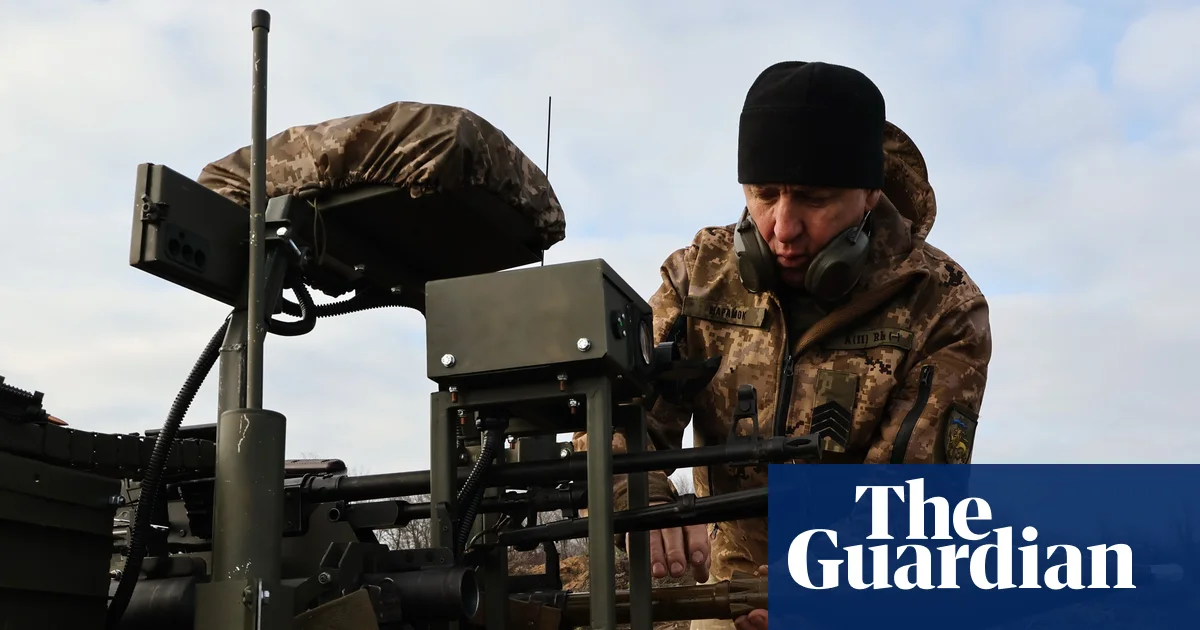

Stalemate and Escalation: The Ongoing Ukrainian Crisis Rocks Geopolitical Stability
In the midst of relentless conflict and diplomatic attempts, recent developments underscore the complex dynamics shaping the ongoing crisis in Ukraine. Over the past week, diplomatic negotiations in Miami, Florida, between Ukrainian and US officials yielded little tangible progress. Despite Ukrainian President Volodymyr Zelenskyy‘s claims of “substantive and constructive” dialogue, the absence of clear breakthroughs highlights the formidable obstacles on the path to peace. Zelenskyy’s commitment to continue working with American allies, coupled with upcoming European summits involving leaders like Emmanuel Macron of France and Keir Starmer of Britain, emphasizes a concerted effort to forge a united front. Yet, as Macron and others deliberate on deploying a European peacekeeping force, the risks of prolonged conflict loom large, threatening regional and global stability.
Russian Escalation and the Fragile Peace
Russian military operations have not abated; instead, recent strikes involving over 700 drones and missiles have targeted Ukraine’s vital infrastructure, plunging thousands into energy and water shortages. Ukraine‘s leadership, including Zelenskyy, has condemned these attacks as ruthless attempts to inflict suffering and destabilize the nation. French President Emmanuel Macron has openly criticized Russia’s “escalatory path,” warning that without robust security guarantees, any lasting peace remains elusive. As international analysts analyze the situation, the ticking time bomb of unresolved tensions continues to threaten broader regional stability. The International Atomic Energy Agency has issued a stark warning: the nuclear safety shield over the Chernobyl site has been compromised after a drone strike damaged the new safe confinement structure. This incident exemplifies how the conflict’s collateral damage extends far beyond conventional battlefield zones, risking disastrous nuclear consequences if ongoing vulnerabilities are not addressed.
Impacts Beyond Ukraine: Europe’s Complex Stance
Meanwhile, the broader European response reveals fractures and contradictions. Hungary, under Prime Minister Viktor Orbán, continues to maintain close ties with Russia, considering acquisitions in Russian oil and gas assets under the umbrella of US sanctions. This highlights a fracture within the European Union, as Budapest remains reliant on Russian energy, defying the bloc’s drive towards diversification and self-sufficiency post-February 2022 invasion. In the Black Sea, the aftermath of recent vessel attacks underscores the murky interplay of covert Russian oil exports and Western sanctions. The sinking and towing of ships like the Kairos and Virat reflect a clandestine shadow fleet operating in defiance of international pressure, challenging the measure of Western influence in curbing illicit Russian economic activities. Bulgaria’s recent protests over the towing of a damaged tanker into its waters further expose the region’s simmering tensions, with diplomatic channels strained yet deeply critical as nations grapple with unpredictable escalation risks.
Geopolitical Ripples and a Future Uncertain
International observers and historians acknowledge that these unfolding events may well define the contours of a new Cold War epoch, where diplomacy, military readiness, and economic resilience collide in a volatile blend. The decisions being made in these pivotal moments resonate far beyond the battlefields—shaping the future of European security, transatlantic alliances, and the global order. As Ukraine holds firm against relentless assault and diplomatic corridors echo with strategizing and warnings, the urgent question remains: will the world’s leaders succumb to a prolonged stalemate, or will they find a path toward decisive action that can truly alter the course of history? The weight of this narrative hangs heavy—an unfolding story where the choices of today will echo through the corridors of history and shape the fates of nations for generations to come.