Matox News

Truth Over Trends, always!

UK Politicians Leave Door Open for RAF to Hit Iran’s Missile Sites

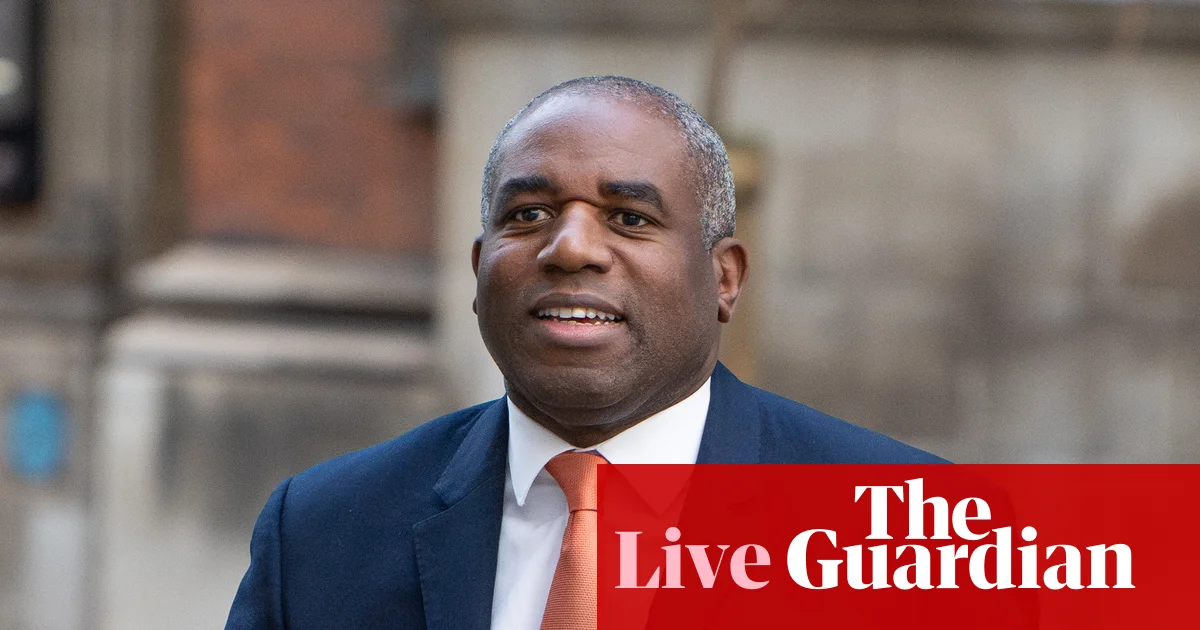
Recent developments in UK politics and international security reveal a nation navigating a complex web of domestic reforms and foreign policy maneuvers amid heightened geopolitical tensions. The British government, under the leadership of Prime Minister Keir Starmer and his cabinet, faces internal divisions while taking assertive stances in the Middle East—a region once again simmering with conflict and strategic chess moves. The recent statements from David Lammy, the UK’s Deputy Prime Minister, underscore an increasingly brazen posture, suggesting that Royal Air Force jets could legally strike Iranian missile sites used against British interests in the Persian Gulf. These remarks mark a significant escalation in Britain’s willingness to advocate for offensive military action, signaling a shift in traditional postures rooted in diplomatic restraint.

Behind the rhetoric lies a broader strategic calculation—one that reflects the national security doctrine influenced both by historical precedent and current geopolitical exigencies. With Iran’s missile activity threatening regional stability and British assets, the UK has granted permission for US-led defensive strikes originating from British bases. Lammy’s statement that Britain possesses satellite and intelligence capabilities to identify Iranian targets underscores a preparedness to expand offensive operations, should the legal and political conditions permit. This stance is a response not only to Iran’s regional provocations but also to the pressures of an international landscape where allies seek to enforce red lines more assertively.

Meanwhile, intra-government debates revealing splits within the cabinet over allowing the US to use British bases for strikes against Iran point to underlying tensions about how far Britain should go in its military commitments. The reported leak from a National Security Council meeting exposed these fissures, prompting Labour’s London MP, David Lammy to call for an investigation into the leak, claiming it may put British lives at risk. This incident not only highlights the sensitive nature of UK foreign policy decisions but also demonstrates how internal divisions can become exploited in a fraught international context. The political calculus involves balancing diplomatic diplomacy, military readiness, and public opinion — a delicate dance that could reshape Britain’s role on the global stage for years to come.

On the domestic front, the Conservative government continues to push controversial reforms, such as end-to-end changes to the UK’s immigration policies. Home Secretary Shabana Mahmood announced plans to end permanent refugee status and implement financial incentives—up to £40,000—to encourage rejected asylum seekers to leave voluntarily. Critics within her party and across Parliament argue that such policies risk echoing Donald Trump’s hardline approach and could set the stage for future scandals akin to Windrush. Nonetheless, these efforts reflect a broader push toward stringent immigration controls, driven by a perception that uncontrolled borders threaten national stability and social cohesion. Analyst Dr. John Williams of the International Security Forum warns that these policies could deepen societal divides while emboldening nationalist narratives which resonate strongly among a politically young Britain increasingly concerned with sovereignty and security.

As Britain charts its course through internal consolidation and external assertiveness, the weight of history bears down on every decision. The choices made in these turbulent times—whether to escalate military posture or to tighten immigration policies—will undoubtedly leave a lasting imprint on the nation’s identity and its role in shaping the new world order. With each strategic move, the chapters of this unfolding story are written in the ink of geopolitical destiny, reminding us that the future remains a battleground for influence, power, and the enduring quest for national sovereignty. In the corridors of power and the streets of society, the echoes of today’s decisions will reverberate through the corridors of history, long after the headlines fade.

Dubai’s Safe Haven Image Cracked as Missile Attacks Shift the Tide

Dubai, long celebrated as a global hub for wealth, innovation, and cosmopolitan life, faces an emerging threat that threatens to reshape its reputation as a safe haven for expatriates and international influencers. Recent Iranian strikes in the region have punctuated a tense geopolitical environment, stirring fears about the stability of this prosperous Gulf city-state. While Dubai’s meteoric rise was largely rooted in its strategic geographic position and forward-looking economic policies, the recent escalation in regional conflict signals that this reputation may soon be tested beyond the mere perception of safety and prosperity.

Dubai, a key player within the United Arab Emirates, has benefited immensely from its open economy and its position as a nexus for trade, tourism, and finance. However, the escalation of hostilities involving Iran—an influential regional power—raises serious questions about the emergent risks facing its flourishing landscape. International security analysts recognize that the recent strikes have not only increased destabilization in the Persian Gulf, but also directly threaten Dubai’s role as a gateway for global commerce. The risk of broader conflict, especially considering Iran’s regional influence, has prompted observers like the International Crisis Group to warn of a potentially destabilizing ripple effect on the wider Gulf Cooperation Council (GCC) countries.

The geopolitical impact of these tensions extends well beyond regional borders. Historically, analysts such as Dr. Emily Andrews from the Council on Foreign Relations have emphasized that decisions taken at this juncture could alter regional alliances and economic partnerships. As the United States, **China**, and **Russia** recalibrate their positions amid this volatile backdrop, Dubai’s strategic importance may shift from a secure financial hub to an exposed territory vulnerable to collateral damage in wider conflicts. The recent Iranian strikes underscore a disturbing trend: regional conflicts now have the capacity to quickly penetrate the safety zones of global commerce, threatening to unravel the delicate balance that has kept Dubai’s economy thriving.

Further complicating the scenario are the perspectives of local and international leaders. UAE officials, under the leadership of **Sheikh Mohammed bin Zayed**, have historically adopted a cautious yet proactive stance in navigating regional tensions. However, the strategic dilemma is clear: continue economic openness in the face of escalating threats or adopt stricter defensive measures that could undermine the very openness that defines Dubai’s emergence. Meanwhile, international organizations such as the United Nations have called for restraint, yet their diplomatic efforts seem, at best, to serve as a temporary buffer in an increasingly unpredictable geopolitical climate. The delicate balance of regional power now teeters on a knife’s edge, with the potential for conflict escalation still looming large.

As history watches from the shadows, Dubai’s ongoing story remains an urgent testament to the unpredictable nature of modern geopolitics. The decisions made in the coming days and months will determine whether Dubai continues to be a beacon of prosperity or becomes a casualty of regional discord. The world stands at a crossroads—whether this city-state’s glittering skyline will stand resilient or give way to the chaos of unintended consequences is still uncertain, but the weight of history with each passing moment grows heavier. The unfolding chapter promises to leave an indelible mark on an era—one where the fragile veneer of prosperity is tested against the relentless march of geopolitical realities.

Russia’s Mega Missile Showdown: Powerful But Crashing on the Frontlines

In a landscape marked by rapid technological advancements, Russia’s recent missile tests reveal a nation still striving to modernize its nuclear arsenal amidst ongoing geopolitical tensions. Despite signals from Moscow that the Sarmat intercontinental ballistic missile (ICBM) would soon be operational, recent failures cast doubt on its readiness, illustrating the broader challenges faced by Russia in maintaining a credible nuclear force. This development signals a significant industry disruption within Russia’s defense sector, where modernization efforts have stalled and technological hurdles have hampered deployment timelines. Meanwhile, the US continues to monitor with precision, emphasizing the importance of surveillance and strategic advantage.

Russia’s strategic missile program, once considered a centerpiece in its military doctrine, now faces setbacks that could impact global stability. The Sarmat missile, capable of carrying multiple warheads and targeting distant adversaries, was heralded as a game-changer in nuclear deterrence. However, recent test failures—despite high-profile declarations from President Vladimir Putin—underscore the risks of overreliance on aging technology and ambitious claims. As noted by military analysts at MIT and defense think tanks, this persistent technical lag leaves Russia’s nuclear deterrent vulnerable, which could prompt shifts in global strategic calculations. Concurrently, Moscow’s emphasis on replenishing assets essential to the Ukraine conflict has diverted resources from nuclear modernization, illustrating a prioritization of conventional forces over strategic deterrence. Notably, the scheduled test of the shorter-range Yars missile demonstrates Russia’s ongoing efforts to maintain a layered nuclear posture, but confidence in these systems remains fragile amid repeated failures. Russia’s internal debate about the efficacy of its arsenal reflects a broader trend among key military powers—where innovation is often outpaced by geopolitical ambitions and budgetary constraints.

The implications for business and innovation in the defense industry are profound. As nations like the United States utilize advanced surveillance platforms such as the RC-135S Cobra Ball—equipped with optical and electronic sensors—to monitor missile tests, private defense contractors and government agencies face mounting pressure to accelerate technological breakthroughs. Indeed, the rise of artificial intelligence, machine learning, and next-generation sensors are reshaping how strategic assets are tested, validated, and deployed. Private sector innovators and established defense giants are now competing in a high-stakes race to develop systems capable of ensuring missile accuracy, stealth, and rapid deployment—areas that are becoming central in the era of disruptive military technology.

Looking ahead, the future trajectory of nuclear modernization remains uncertain. While Russia’s failure to bring the Sarmat into operational readiness underscores the fragility of current military technology, it also emphasizes the increasing importance of innovation that can disrupt traditional deterrence models. Leading experts, including those from Gartner and the Belfer Center at Harvard, warn that the next decade will be critical as advanced hypersonic weapons, cyber capabilities, and AI-driven command systems redefine strategic stability. The lesson is clear: in the race for supremacy, businesses and governments must prioritize disruptive innovation to stay ahead of technological obsolescence. Otherwise, the risk is that defects in current arsenals could introduce unpredictable instability, forcing the world into an unpredictable future where technological primacy determines peace or conflict.

Russian missile strikes hit Ternopil, killing 25 in deadly western Ukraine attack

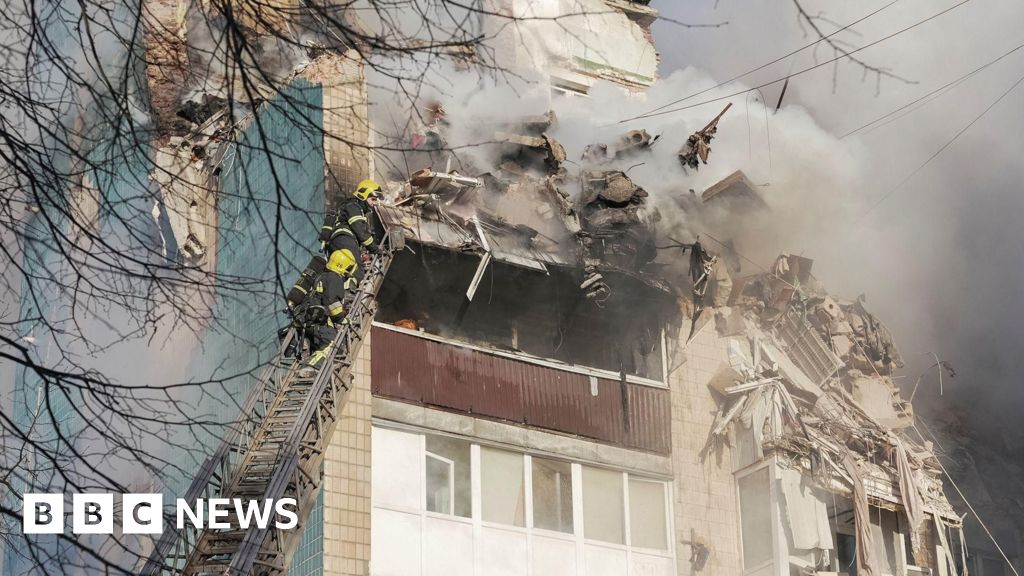
The latest series of attacks in Ukraine underscore the persistent volatility that has defined the ongoing conflict since Russia’s full-scale invasion in February 2022. Attacks targeting civilian populations and critical infrastructure in western Ukraine, notably the city of Ternopil, reveal the brutal reality of a war that shows no signs of abating. According to Ukrainian officials, at least 25 civilians, including three children, lost their lives, with over 70 wounded, many in devastating strikes involving Russian X-101 cruise missiles. As the smoke billows over residential areas and vital infrastructure, the international community faces an urgent question: how long can Ukraine withstand such relentless assault? Analysts warn that with each passing day, the toll on civilian lives and societal resilience intensifies, threatening to fracture the fragile fabric of Ukrainian society.

Ukraine’s military efforts, bolstered by Western aid, demonstrate both resilience and strain. Despite claiming to have intercepted 442 of 476 drones and 41 of 48 missiles—some intercepted by F-16 and Mirage 2000 fighter jets supplied by the United States and its allies—the Ukrainian air defenses are stretched thin. Ukrainian officials have openly pleaded for “the uninterrupted and timely supply of aviation weapons,” highlighting the precarious balance of hope and desperation. Henry Kissinger, once considered a voice of diplomatic pragmatism, has warned that the prolonged conflict risks entrenching divisions and feeding into a cycle of violence that could have lasting repercussions beyond Ukraine’s borders. Meanwhile, Moscow’s claims of targeting Ukraine’s military-industrial complex and energy infrastructure serve as a stark reminder that Russia aims to weaken Ukraine’s willpower, logistical capacity, and civilian morale, especially as the approaching winter threatens to turn the conflict into a brutal, cold endurance test.

The escalation in Russia’s strikes on Ukraine’s energy facilities signals an intent to erode the enemy’s resilience. The recent targeting of critical energy infrastructure in Ivano-Frankivsk and Lviv has resulted in blackouts and rationing, further complicating Ukraine’s ability to sustain the war effort and daily life. As the energy grid becomes increasingly vulnerable, international organizations, including the International Energy Agency, have voiced concern about the mounting costs of war—costs that threaten to reverberate through the economic stability of the entire region. Russia’s Defense Ministry asserts its long-range missile strikes are a reaction to Ukrainian attempts to disrupt Russian territory, including the first publicly acknowledged use of U.S.-supplied Atacms missiles inside Russian borders. This escalation pushes the conflict towards a new phase—one where the boundaries of conventional warfare and proxy assaults become dangerously blurred.

On the diplomatic front, efforts to broker peace are intensifying, but progress remains elusive. President Zelensky’s visit in Ankara for talks with Turkish President Recep Tayyip Erdogan signals a strategic move to seek international mediation, yet prospects for a substantive breakthrough remain limited. Reports suggest that the United States is involved in behind-the-scenes negotiations, with special envoy Steve Witkoff working with Moscow’s Kirill Dmitriev on potential peace initiatives. However, the Kremlin, led by Dmitry Peskov, remains intransigent, declining to send representatives and dismissing rumors of an active peace process. As NATO allies reinforce their support, deploying jets to Poland and increasing military aid, the risk of broader regional destabilization grows. The world watches as Russia’s demands for Ukraine’s neutrality and limits on its military capabilities remain unchanged—an uncompromising stance that prolongs the conflict and threatens to ignite a wider war.

With the upcoming fourth anniversary of the invasion looming, the stage is set for an uncertain future, where history seems poised to judge the choices made on the battlefield and in diplomacy. As civilians endure daily suffering and nations brace for intensified clashes, it becomes increasingly clear that the forces at play are reshaping the geopolitical landscape. The question remains: will diplomacy thaw the frozen conflict, or are we witnessing the birth of a new brutal epoch where history’s penmanship is written in smoke, fire, and the unyielding will of nations forging their own destinies?

Six Lives Lost as Russian Drone and Missile Attacks Hit Ukrainian Cities

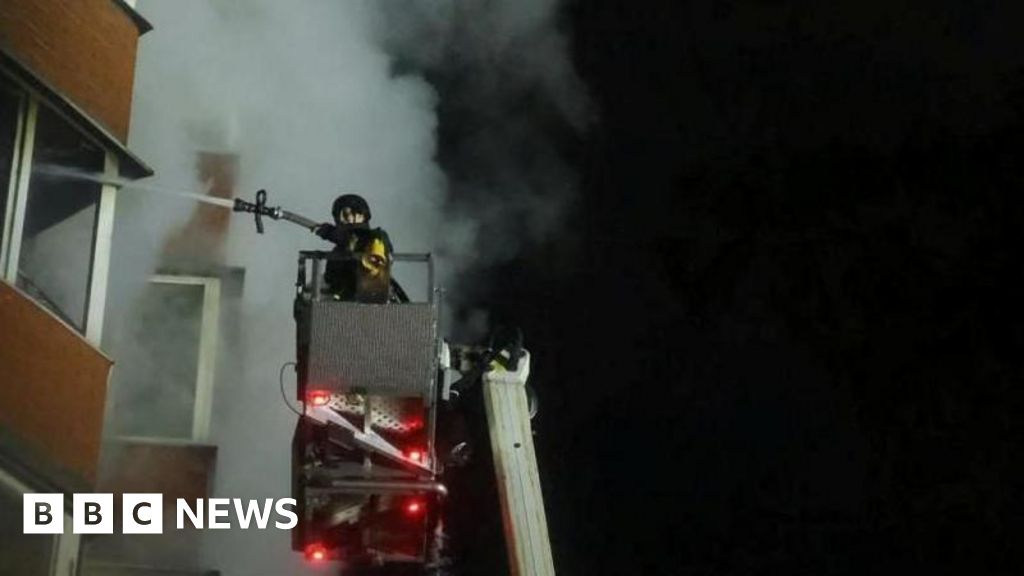
The ongoing conflict in Ukraine has entered a perilous new chapter, with recent Russian drone and missile strikes tragically claiming lives and unleashing chaos across the Ukrainian landscape. Ukrainian President Volodymyr Zelensky confirmed that at least six civilians had been killed, including two children, underscoring the brutal toll that escalation in hostilities continues to exact on innocent lives. The strikes, which targeted major cities including the capital Kyiv, also wounded 21 individuals and caused widespread destruction. The relentless barrage of attacks, including the targeting of energy infrastructure, signals a strategic effort by Moscow to destabilize Ukraine’s resilience and morale amid a deteriorating battlefield.

In the broader geopolitical context, the international community observes these events with mounting concern. The United States recent decision to abruptly shelve a planned summit with Vladimir Putin in Budapest exemplifies waning diplomatic engagement, with President Donald Trump citing a desire to avoid “a wasted meeting.” This diplomatic withdrawal highlights a significant shift in Western strategies—favoring pressure and military aid over dialogue, even as Russia dismisses calls from both Trump and European leaders to enact a ceasefire. Such decisions are poised to ripple through global alliances, complicating efforts for a unified response to Moscow’s military campaign.

Meanwhile, Ukraine’s military has intensified its defensive operations, notably targeting key Russian military infrastructure. The recent Ukrainian attack on a chemical plant in Russia’s Bryansk border region, facilitated by UK-supplied Storm Shadow missiles, represents a turning point in Ukraine’s tactical approach. Ukrainian officials describe the strike as successful, successfully penetrating Russian air defenses and compromising a site that produces components crucial for Moscow’s missile and artillery operations. Zelensky reaffirmed his strategic stance, emphasizing that the lack of long-range missile aid from the West has diminished Russia’s diplomatic interest. The Ukrainian leader’s insistence on military support underscores a broader debate about Western commitments and Ukraine’s right to self-defense amidst a conflict marked by relentless escalation.

As Kyiv reels from recent targeted assaults, including the tragic loss of civilians—a six-month-old baby among the victims—the conflict’s toll resonates beyond Ukraine’s borders. The wider geopolitical impact of these developments is profound. Analysts and historians warn that the current trajectory risks a prolonged, perhaps irreversible, destabilization of the European security order. The migration of destruction into civilian domains not only endangers sovereignty but also detonates societal cohesion, prompting fears of a ripple effect that could destabilize neighboring nations and global markets. What the future holds remains uncertain, but one thing is clear—the weight of history is now pressing down, with decisions made today echoing through the corridors of power and the stories of future generations.

Russian missile hits railway station; over 30 injured, Zelensky reports

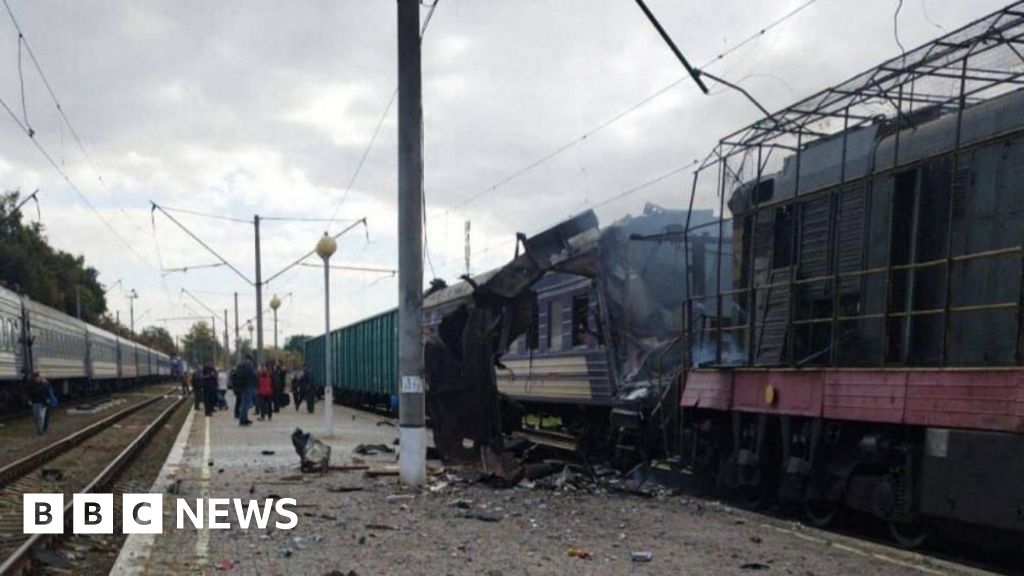
The escalating conflict in Ukraine has once again shifted into anirit of violence and desperation, as recent reports confirm a Russian drone strike that severely damaged railway infrastructure in the city of Shostka, located in the northeastern Sumy region. Ukrainian President Volodymyr Zelensky publicly condemned the attack, describing it as a blatant act of terrorism. With at least 30 injured—including children aged 8, 11, and 14—the strike underscores the brutal reality faced daily by the Ukrainian population amidst ongoing hostilities. The attack targeted civilians and vital transportation links, which Kyiv contends Moscow is deliberately sabotaging to destabilize the country’s fragile security fabric.

  • Two passenger trains were hit simultaneously during the strike, a calculated assault not aimed at military targets but designed to sow panic among civilians. Ukrainian authorities claim the attacks have increased in frequency and intensity, targeting key railway infrastructure critical for evacuation and logistics.
  • President Zelensky issued a stark warning, emphasizing that such acts clearly demonstrate Russia’s disregard for civilian life and international norms. He called on Western allies to translate their war-stated commitments into tangible support, specifically urging for increased provision of advanced air-defense systems to protect their frontline communities.
  • Meanwhile, recent weeks have seen an unprecedented surge in Russian aerial assaults, with hundreds of drones and dozens of missiles launched weekly, creating chaos and overburdening Ukraine’s defense capabilities. The devastating 12-hour drone and missile attack last Sunday, which resulted in fatalities and injuries in Kyiv, exemplifies Moscow’s escalating efforts to weaken Ukraine’s resilience.

The geopolitical impact of these developments extends beyond Ukraine’s borders, highlighting a shift in the global balance of power and exposing the limits of Western military support amid an astoundingly complex conflict. Washington and European capitals remain divided over how assertive they should be in arming Ukraine; some analysts suggest that a failure to provide sufficient defensive weaponry could embolden Moscow, potentially leading to further destabilization across Eastern Europe. The Biden administration, under pressure from allies, has agreed to a mechanism for European nations to purchase U.S.-made weapons for Ukraine, signaling a shift towards more direct support. Nonetheless, Russian President Vladimir Putin remains steadfast in his refusal to consider a ceasefire, characterizing Kyiv’s calls for peace as a tactic to buy time while his forces slowly advance on the battlefield.

International organizations and historians warn that this ongoing conflict, if unresolved, risks broader regional destabilization and possibly a wider confrontation involving NATO members. The international community faces a stark choice: escalate support in the hope of deterring further aggression or risk conceding ground and allowing Vladimir Putin to reshape the security architecture of Eastern Europe according to his own strategic interests. The increased Russian drone activity, which now threatens European airspace, has prompted debates among military experts about the need for more sophisticated defensive systems and the potential for the conflict to spill over into neighboring countries. As analysts like Dr. Maria Ivanova warn, “The longer this war persists, the more it erodes the very fabric of international peace, pushing the world toward a dangerously fragile future.”

As the smoke of conflict continues to rise and the drums of war swell louder, the world stands on a precipice—a history still being written through relentless violence and diplomatic failure. Each drone strike, each volley of missiles, is a grim reminder that the fight for sovereignty, security, and justice is far from over. And as the shadows of history deepen over the battlefield, the eyes of the world remain painfully aware: the choices made today will echo through the annals of history, shaping the future far beyond the borders of Ukraine. The question remains: how many more lives must be shattered before the weight of diplomacy finally turns the tide, or will this ongoing chaos forever redefine the fabric of international order?

Social Media Auto Publish Powered By : XYZScripts.com