Matox News

Truth Over Trends, always!

Savannah Guthrie urges proof of her missing mother's survival in Arizona—Join the push for truth.
Savannah Guthrie urges proof of her missing mother’s survival in Arizona—Join the push for truth.

In recent days, a deeply personal crisis involving U.S. television host Savannah Guthrie has captured international attention, highlighting the profound intersections between societal values, national security, and the power of media influence. Guthrie’s public appeal for the safe return of her 84-year-old mother, Nancy Guthrie, who disappeared near Tucson, Arizona, underscores a broader narrative about community vigilance, law enforcement mobilization, and the potential threats lurking in domestic borders. As authorities scramble to determine whether foul play is involved, the incident serves as a stark reminder of the vulnerabilities that face societies on multiple levels, and the international implications tied to the preservation of safety within sovereign nations.

The unfolding case reveals a complex web of local law enforcement inquiries, national political reactions, and global concern over border security. The Pima County sheriff, Chris Nanos, has confirmed the presence of a crime scene, emphasizing suspicions of foul play and intelligence suggesting that Nancy Guthrie’s disappearance might not be incidental. This incident has elicited responses from prominent figures, including former President Donald Trump, who has pledged to deploy “all resources” through major federal agencies to ensure her safe return. Such expressions of concern are not just personal—they resonate across the international stage, raising questions about how nations address missing persons cases amidst rising tensions and domestic instability.

Analysts note that this case underscores the geopolitical weight of security and law enforcement in the United States. The coordinated efforts involving volunteers, border patrol, and the FBI exemplify the integration of multiple agencies responding to threats that could have broader consequences. This situation also occurs against a backdrop ofincreased border mobility, regional drug trafficking issues, and internal socio-political unrest. The case’s progression could influence future policies on immigration, surveillance, and law enforcement authority—not only within America but across allied nations that monitor how their borders and citizens are protected in an era of unpredictable threats.

International organizations and regional analysts are watching closely, noting that the stability of a nation’s interior security impacts the geopolitical landscape at large. As the spectacle unfolds, historians warn that moments like these serve as poles of societal reflection, exposing **the delicate balance between civil liberties and security measures**. Governments across the globe face a choice: prioritize individual rights or embrace more authoritarian strategies to safeguard their populations. This episode in Arizona echoes a broader theme, illustrating how domestic incidents can ripple outward, affecting diplomatic relations, regional stability, and the collective sense of safety that underpins modern civilization.

As the story continues to develop—whether Nancy Guthrie is found safe or deeper, more troubling truths surface—the weight of history remains profound. The decisions made in this moment could define how societies confront internal crises, balance security with liberty, and determine the resilience of their social fabric in an era where threats evolve faster than institutions can adapt. Behind the headlines and social media pleas lies a stark reminder: history’s next chapter is being written, and the outcome will reverberate well beyond the quiet streets of Tucson. It is a testament to the ongoing struggle between chaos and order, reminding every nation that their future depends on the choices of today.

Police Intensify Hunt for Belgian Tourist Missing Two Years, Phone Found in Wilderness

The recent discovery of a mobile phone belonging to Belgian tourist Celine Cremer in the dense wilderness of Tasmania has ignited renewed attention on the ongoing search efforts, highlighting both Australia’s rugged terrain and the complexities of international interests in resource-rich and geopolitically strategic regions. After her initial disappearance in June 2023, a combination of private efforts, police support, and volunteer searches have failed to find her until now. The significance of this case extends beyond a local tragedy, offering insights into how nation-states and regional powers navigate sovereignty, environmental stewardship, and security challenges in distant territories.

Though police have now joined private investigators and volunteers in the effort, the case underscores broader geopolitical concerns about Australia’s role and stability in the Indo-Pacific region. Australia’s decision to support private searches and coordinate with local volunteers demonstrates how regional governments are balancing sovereignty with a pragmatic approach to crisis management. As noted by international analysts, such actions reveal Canberra’s awareness that the endurance of remote regions like Tasmania impacts national security, especially considering the environmental and resource importance of these regions. In an era where climate change increasingly destabilizes fragile ecosystems, every rescue attempt not only reflects humanitarian compassion but also signals how nations prepare for unforeseen crises as part of their broader strategic posture.

The timing and nature of the search carry significant implications for regional security and environmental policy. Cremer’s disappearances amidst treacherous weather and the discovery of her phone—found very close to her last GPS position—highlight the perilous conditions in Australia’s southern extreme. Experts, including historians like Rob Parsons, emphasize the truth that the Australian wilderness remains a test of endurance and sovereignty. Their ongoing search efforts, just temporarily halted by worsening weather—hail, snow, and sub-zero temperatures—are emblematic of the unpredictable challenges that local authorities face, and by extension, how nations must adapt to nature’s formidable forces amidst geopolitical stressors.

As global organizations scrutinize Australia’s response—viewing it as a microcosm of rising regional tensions—the case pushes into the broader narrative of environmental stewardship, border control, and the resilience of sovereign nations. International organizations like the United Nations and regional allies observe the unfolding rescue operations closely, recognizing that such incidents are a test case for Australia’s capacity to protect its citizens in challenging terrains. In this context, the search in Tasmania becomes an emblem for how societies confront the unpredictable, shaped by decisions made on both local and international levels. The drama of Cremer’s fate—looming last in the wilderness—serves as a stark reminder that even in the modern world, nature retains a primal, uncontestable authority. As history unfolds, the choices shaping Australia’s future responses will resonate across nations, illustrating the delicate balance of sovereignty, environmental duty, and security in shaping the twenty-first-century world.

HP OmniBook 5 14 Review: OLED Dreams, Just Missing the Mark

Disruptive Innovation in the Laptop Market: HP’s OmniBook 5

The technology sector is witnessing a paradigm shift, with OEMs like HP pushing the boundaries of innovation through affordable yet highly advanced hardware. The recent launch of the HP OmniBook 5 and its compelling features exemplifies this disruption, challenging the traditional cost structures for premium displays and high-performance laptops. Retailing at an accessible $699.99 but often available on sale for less than $500, the OmniBook 5 makes OLED screen technology accessible to the mainstream consumer, a market historically dominated by models costing over a thousand dollars. Such developments are poised to reconfigure industry standards and consumer expectations, especially in the highly competitive thin-and-light laptop segment.

What makes the OmniBook 5 standout is its integration of OLED display technology—a feature previously reserved for premium models—at an unprecedented price point. Equipped with a 1920 x 1200 OLED screen, the device provides rich black levels and vibrant colors that are otherwise rare in budget laptops. Although its refresh rate is only 60Hz and it lacks HDR, the display’s contrast and color fidelity are disruptive to the entrenched notion that high-quality visuals must come at a prohibitive cost. Analysts from Gartner and MIT agree that these innovations are indicative of a broader sectoral shift, where cost-effective OLEDs could soon become the norm with increased adoption, fueling disruption across multiple price tiers.

Business Implications and Market Dynamics

The introduction of the Snapdragon X Plus processor coupled with options from Intel and AMD signifies that legacy chip manufacturers are facing intensifying competition from ARM-based solutions in mainstream laptops. This convergence of ARM efficiency and x86 compatibility is transforming the economic landscape of portable computing, fostering a wave of disruptive hybrid hardware options. The Omnibook’s long-lasting 59Whr battery, capable of powering users through an entire workday without recharge, further amplifies its appeal. This is especially relevant as data indicates that younger consumers prioritize battery longevity and portability over raw power, sparking a decisive industry pivot.

  • Competitive pricing undercuts traditional premium models
  • OLED screens at accessible price points redefine visual standards
  • Multi-chip support from Intel, AMD, and Qualcomm extends market reach
  • Battery life and keyboard usability appeal to mobile professionals

These advances are not happening in isolation. Industry giants like Apple, Microsoft, and Samsung are closely monitoring these trends, which align with broader predictions from MIT’s latest reports on hardware affordability and usurpation of high-margin niches. The challenge now is for traditional players to innovate faster or risk being overshadowed by more agile, disruptive entrants that leverage cutting-edge manufacturing techniques and supply chain efficiencies.

Looking Ahead: The Next Frontier of Computing

As AI-powered features, 5G connectivity, and edge computing continue to evolve, the market’s trajectory indicates that cost-effective, high-performance devices like the OmniBook 5 may catalyze a new wave of democratized technology access. Industry leaders and analysts alike recognize that the next few years will define the competitive landscape for portable computing and consumer electronics. Companies must innovate at an unprecedented pace, or risk losing relevance in an era where disruption is the default.

Ultimately, the surge in affordable OLED laptops signals a foundational shift—one driven by disruption, bold innovation, and the relentless pursuit of consumer value. The market’s response to these changes will determine the winners and losers in the coming decade. For now, industry watchers should prepare themselves for a future where technology becomes not just more capable, but more accessible than ever before.

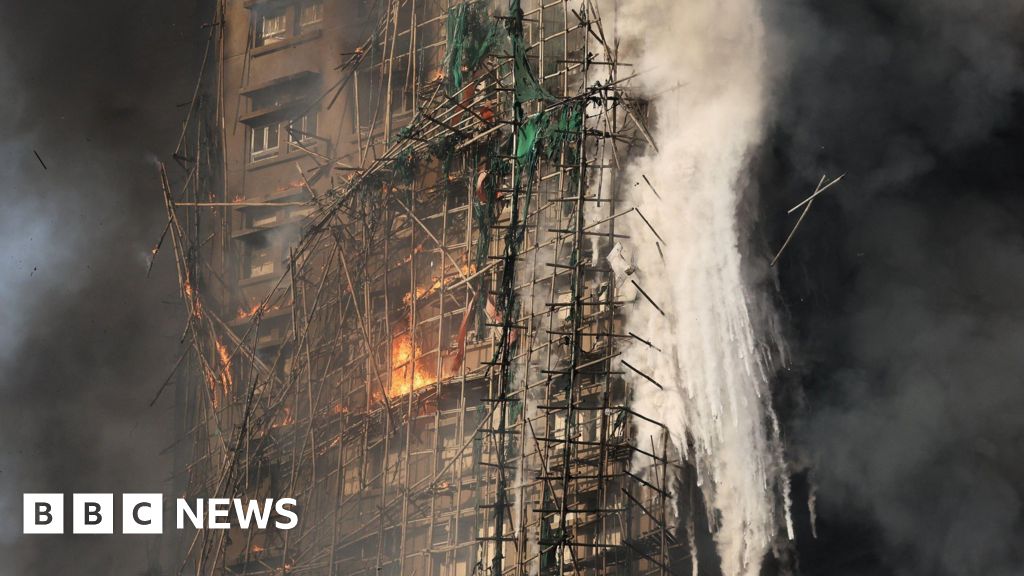
Firefighters hunt for missing amid deadly tower blaze

Hong Kong’s Tragic Blaze Sparks Global Outcry Over Safety and Governance

The recent devastating fire in Hong Kong, a city renowned for its skyline of towering skyscrapers and bustling urban life, has marked a grim milestone. The inferno engulfed the Wang Fuk Court complex in Tai Po, leaving at least 83 confirmed fatalities and dozens more unaccounted for. This tragedy, the deadliest in the city in over seven decades, underscores a critical turning point in the region’s ongoing discourse on fire safety, governance, and urban construction practices. Firefighters battled intense heat, falling debris, and the threat of building collapse, exposing systemic vulnerabilities that have long been on society’s radar but rarely addressed with urgency comparable to their severity.

As authorities scramble to contain the crisis, questions about accountability dominate public debate. Investigations have already led to the arrest of three construction firm executives on suspicion of manslaughter and gross negligence, highlighting concerns over building materials and renovation protocols. Social media and resident testimonies have revealed a disturbing pattern — fire alarms had been disabled during renovations, and the external components such as plastic sheets and polystyrene were identified as potential catalysts for rapid fire spread. Notably, critics contend that older infrastructure, like bamboo scaffolding prevalent in Hong Kong, might have played an unintended role in exacerbating the blaze. The government, led by Chief Executive John Lee, has promised a comprehensive inquiry, but many fear this may only be a prelude to deeper systemic failures.

The geopolitical impact of this crisis extends beyond public safety. Hong Kong, as a global financial hub, balances a fragile autonomy under Chinese sovereignty with its own legal and administrative systems. The leadership’s response to the fire, especially in regard to safety regulations and accountability, influences perceptions of stability and governance. The recent tragedy has reopened debates about fire safety regulations, urban planning, and the use of controversial construction materials, which are under increased scrutiny. Analysts warn that neglecting such issues risks undermining investor confidence and further fueling social unrest. Meanwhile, China’s leadership, embodied by Xi Jinping, has issued messages of sympathy and calls for swift action, underscoring the incident’s resonance across the international stage.

  • Hospitals and rescue teams continue to search for missing individuals amid ongoing dangers posed by structural instability.
  • The use of plastic and polystyrene on exterior building surfaces, coupled with alleged lapses in fire alarm systems, is now central to investigations.
  • Authorities are considering a review of bamboo scaffolding practices, a traditional method in Hong Kong construction, amid concerns over its collapse risk during fires.

Such tragedies serve as stark reminders of how deeply intertwined urban development, safety regulations, and governance are in shaping the destinies of societies. Historians and safety experts warn that the failure to learn from past disasters can inexorably lead to repetition of history’s darkest chapters. The 1948 fire that killed 176 and the recent incident both highlight the costs of complacency. As the dust begins to settle and officials vow reforms, the weight of history presses heavily. Meanwhile, the residents of Wang Fuk Court, many of whom are elderly and have called this complex home for decades, now find their lives forever altered by a moment that will be etched into the chronicles of Hong Kong’s history. The city watches in agonized silence, as the question looms: will lessons be learned, or will this tragedy become but another chapter in a pattern of neglect? As the world bears witness, the story of Hong Kong’s fight for justice and safety continues — a story not yet finished, and perhaps one destined to define an era.”

Family of missing Colombian youth demand answers after U.S. strike targets suspected drug vessel

In the vibrant coastal regions of Colombia and Venezuela, a quiet lifestyle revolves around the sea — a life rooted in tradition, community, and the pursuit of peace amidst turbulence. Yet, recent US military strikes targeting alleged drug-trafficking vessels have cast a shadow over these once tranquil waters. These covert operations, justified by American officials as efforts to combat narco-terrorism and drug-related violence, have sparked fierce debates about legality and human rights, raising questions about the true cost of national security measures. The stories of local fishermen, like Juan Assis Tejeda and others, reveal a sobering reality: they fear that innocent lives, livelihoods, and even civilians might be caught in the crossfire of international politics.

The US claims that these strikes are necessary defenses against criminal networks that threaten regional stability and American lives, citing an increase in cocaine seizures and the rising toll of fentanyl in the US as evidence. However, critics, including international law experts and local communities, argue that these actions resemble extrajudicial killings—a stark departure from the rule of law that emphasizes arrest, trial, and sentencing. Juan, an experienced fisherman who often surveys the waters near Venezuela, shares a poignant perspective: “We just go after tuna, but sometimes drones hover over us — we’re afraid. It’s not right to be pursued and targeted like terrorists without proof, just for earning a living.” Such testimony underscores that in these moments, what the global stage doles out as “security” can sometimes feel like an assault on everyday lives, on well-being, and on the pursuit of simple peace.

The reactions from regional leaders also underscore the underlying geopolitical tensions. Colombia’s President Gustavo Petro has challenged the US’s narrative, condemning the strikes that reportedly killed civilians, including local fishermen and farmers. Petro’s stance aligns with a broader suspicion: that behind the veneer of anti-drug efforts lies an attempt to exert political pressure on Venezuela’s government and its controversial leader, Nicolás Maduro. Many locals believe that these military moves serve as a tool to destabilize the region further, possibly paving the way for more direct American influence, which could threaten the sovereignty of these nations and their communities. Such multi-layered tensions bring to light a crucial fact—lifelines of culture and livelihood are often caught in the crossfire of superpower ambitions.

Amid these turbulent waters, the local community’s resilience remains a quiet but powerful force. Stories from fishermen like Mr. Tejeda show their unwavering desire to live peacefully, unaffected by the global game of power. These men and women are not targets—they are just ordinary people caught in extraordinary circumstances. Their stories serve as a reminder that, at the heart of every geopolitical conflict, there are human lives seeking stability and dignity. As these small villages watch and wait, they embody the spirit of relentless hope: a hope that one day, diplomacy and respect for sovereignty will prevail, and the love of the sea will return to being a source of life, not conflict.

Reflecting on these narratives leaves us with a profound understanding: lifestyle is more than leisure or routine; it’s a journey to embrace resilience in uncertainty. These coastlines, woven with stories of struggle and hope, remind us that true security arises not from the barrel of a gun, but from respect—respect for life, for community, and for sovereignty. As we watch these waters, may we find the wisdom to navigate our own lives with clarity and purpose, standing for fairness amid the chaos, and cherishing the peaceful pursuits that truly define our well-being.

Most missing students at local school found—community urged to stay vigilant

In recent weeks, the Educational Authority (EA) of Northern Ireland has revealed a harrowing glimpse into the ongoing crisis affecting the region’s families and communities. The EA published a list of more than 50 children across the UK and Ireland who have been unaccounted for in the school system since the start of the academic year. Of particular concern is the case of Harryville Primary in Ballymena, where 24 students, all from the same school, disappeared without clear documentation of their whereabouts. Although some have been traced and returned, a significant number remain missing, intensifying fears of a looming social catastrophe that extends beyond mere truancy to the social fabric itself.

This phenomenon of persistent absence is not isolated but signals a broader breakdown in safeguarding systems. According to social commentators and sociologists, such as Dr. Jonathan Driver, these issues are symptomatic of systemic failures rooted in economic hardship, social unrest, and cultural tensions. When families are fractured by socio-economic disparities or violence, children often become collateral damage—stripped from the safety of their institutions and forced into uncertain situations. The case of Ballymena, a town scarred by recent riots and social unrest, exemplifies how social tensions can ripple through generations, threatening to undermine the stability of its community and the education system at large.

‘Tip of the iceberg’: A societal warning sign

The NI Children’s Commissioner, Chris Quinn, warned that the visible numbers are merely the “tip of the iceberg.” “I fear that large numbers of children are slipping through the cracks, and we are sleepwalking into a community crisis,” he said, emphasizing that this issue is likely a wider systemic problem affecting the entire region. This concern is echoed by social historians who warn that unchecked social despair can lead to further alienation and radicalization if left unaddressed. The troubling images of protests and riots, including those in Ballymena, reflect a society struggling to reconcile differences and maintain cohesion amidst upheaval—divisions that threaten to fragment communities along lines of ethnicity, socio-economic status, and cultural identity.

Politicians and community leaders have spoken out, with Alliance MLA Sian Mulholland expressing her concern that the large number of missing children represents a direct consequence of ongoing social unrest. She asserted that school is often a sanctuary for vulnerable children, especially for those from marginalized or immigrant families, and its erosion can lead to social disintegration. Particularly, the displacement of Roma families following violent riots underscores the social tensions that persist beneath the surface of Northern Irish society. The departure of these families, as confirmed by MP Jim Allister, highlights the fragile social fabric and raises questions about the long-term implications of such community upheavals.

In a society where demographic shifts and cultural tensions are increasingly prominent, the challenge is to reconcile the need for security with the preservation of community integrity. The focus must shift from merely tracing missing children to addressing the root causes—inequality, social dislocation, and cultural alienation—that fuel societal discontent. As history shows, when communities are strained beyond resilience, the result can be a cycle of mistrust and violence that leaves lasting scars. Yet, amidst this turmoil, the hope for societal renewal exists in the capacity of communities, policymakers, and educators to forge pathways toward comprehensive social healing. Bridging gaps of division and restoring faith in institutions will be the true test of society’s moral resilience, and in this endeavor, the focus must always be on safeguarding the future of our children.

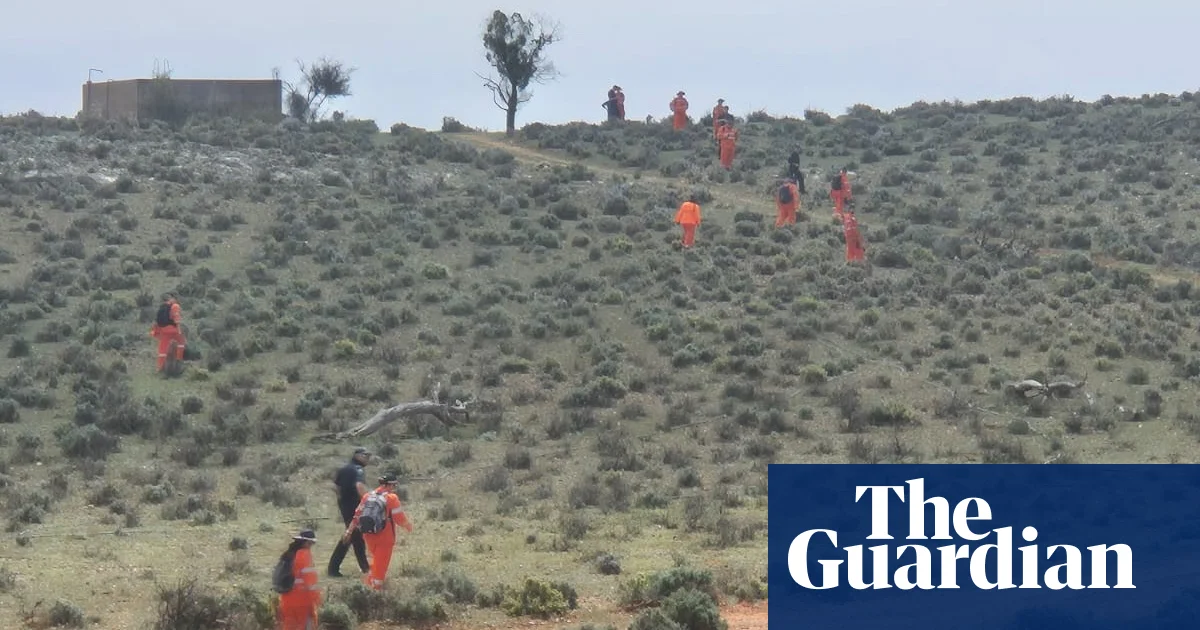
Police intensify hunt for missing boy Gus in outback SA, guided by survival experts

Unfolding Human Tragedies and the Shifting Geopolitical Landscape

Across the globe, hotbeds of conflict and natural disasters continue to expose the fragility of international stability and the resilience of societies. The heartbreaking story of Gus Lamont, a four-year-old missing in the vast outback of Australia, has captured widespread attention, yet it also reflects a broader pattern of how local tragedies resonate with global narratives. As authorities expand exhaustive search operations involving defense forces, the incident underscores the how human vulnerabilities and the fight for survival remain universally intertwined with geopolitical tensions and resource struggles.

Meanwhile, international organizations like the United Nations continue to grapple with crises that threaten regional stability. The recent escalation in the Ukrainian conflict and countering shifts of power in the Middle East demonstrate how internal conflicts often escalate into broader geopolitical confrontations. Countries such as Russia and China are watching closely, exerting influence through diplomatic and economic means. The transparency of these developments is crucial, as their flares of conflict could ignite further international instability, prompting powerful nations to adjust their strategic postures.

Historian and geopolitical analyst James Harrington warns that these accumulating tensions threaten to reverberate far beyond their immediate regions. His assessments echo the concerns of data from the International Crisis Group and think tanks, which emphasize that decisions made in the shadow of local crises heavily influence the future of global order. As climate change accelerates disasters like droughts and floods, countries are forced to prioritize their own security and sovereignty, often at the expense of international cooperation. This phenomenon manifests vividly in the Australian case, where exhaustive search efforts stretch local resources but also highlight the limits of state capacity when confronting unpredictable emergencies.

In this era marked by rapid shifts, the role of global power dynamics becomes more evident. The recent renewed efforts to expand military and technological alliances signal an underlying competition for influence that leaves societies embroiled in larger strategic struggles. As the European Union and United States further tighten their international collaborations, nations buckle under increasing pressure to maintain sovereignty while navigating the complexities of a changing world. The unfolding story of Gus Lamont, though local in scope, becomes emblematic of a broader consensus —that human tragedies are often catalysts for geopolitical recalibration.

Conclusion: The Weight of History in the Making

As the search for Gus Lamont continues amid a backdrop of mounting international crises, the world is reminded that history is often shaped by moments of profound vulnerability. Today’s choices, alliances, and responses to crises will echo through generations, determining whether societies will find resilience or succumb to chaos. The weight of history remains heavy on the shoulders of leaders and nations alike, as they navigate an unpredictable future where every decision writes a new chapter in the ongoing saga of global stability.

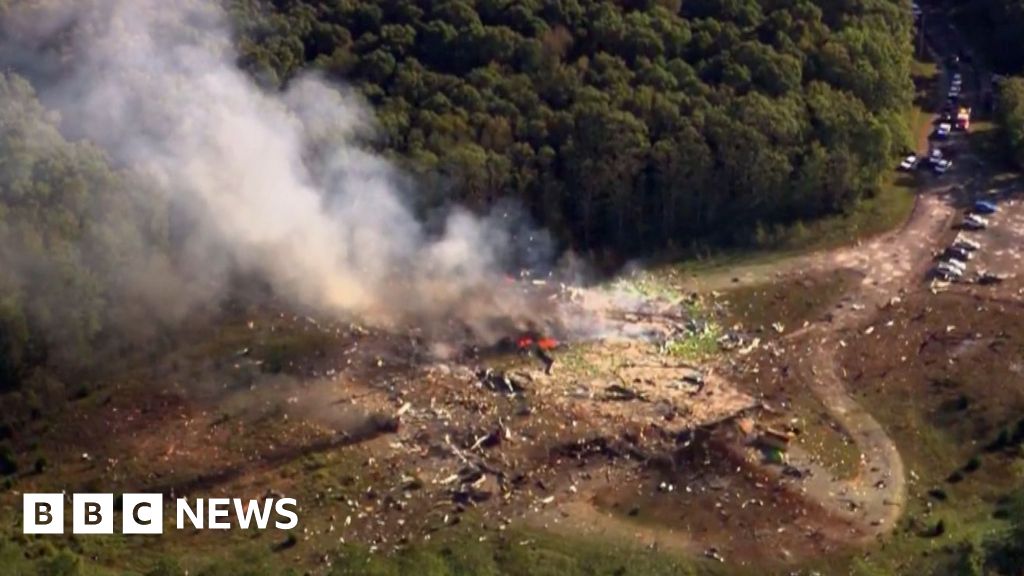
19 Missing After Explosive Blast Rocks Tennessee Facility

Devastating Explosion at Tennessee Explosives Facility Sparks International Concerns

The recent explosion at a military explosives manufacturing facility in Humphreys County, Tennessee, has left the nation in shock and has triggered a complex international debate on safety standards and security protocols surrounding high-risk industries. Eighteen individuals remain unaccounted for after the blast at Accurate Energetic Systems, a company specializing in the production, handling, and storage of advanced military-grade explosives, including C-4 and TNT. The destruction was so severe that aerial footage revealed charred debris, smoldering vehicles, and an almost complete obliteration of the plant, which was situated on approximately 1,300 acres. This incident, reminiscent of a prior blast at the same site in 2014, has raised urgent questions about the safety and regulation of facilities engaged in the high-hazard, low-probability industry of explosive manufacture.

Authorities, including the Federal Bureau of Investigation and the Bureau of Alcohol, Tobacco, Firearms and Explosives, responded swiftly to contain the scene and secure evidence. According to Sheriff Chris Davis, the explosion was magnitude enough to be felt and heard in surrounding towns, prompting fears that secondary blasts could complicate rescue efforts. While investigators have yet to determine the cause—whether accidental or intentional—the incident underscores the inherently dangerous nature of explosive manufacturing, a sector heavily regulated yet constantly susceptible to catastrophic failures. Experts such as Ken Cross, former President of the Institute of Explosives Engineers, have repeatedly stressed the critical importance of competent staff, rigorous safety training, and proper oversight. Their warnings have underscored a stark reality: global reports of explosive factory accidents happen weekly, often in regions with lax safety legislation or insufficient regulatory oversight.

International implications of this incident extend beyond national borders. As analysts observe, the proliferation of explosions at military and commercial facilities highlights a persistent challenge for governments worldwide: balancing industrial growth with strict security protocols. Countries like Russia and China, both renowned for advanced military industries, maintain stringent oversight that minimizes such catastrophic failures—yet incidents still occur. Conversely, regulatory lapses in smaller nations or regions with weak institutions have resulted in frequent tragedies, raising alarm among international organizations such as Interpol and the United Nations Office for Disarmament Affairs. These entities have called for global harmonization of safety standards, emphasizing that the proliferation of explosives—whether for military, industrial, or illicit purposes—poses a shared threat that transcends borders.

The impact of this incident on societal safety and international stability cannot be overstated. It serves as a potent warning that the unchecked proliferation and mishandling of explosives threaten not only local communities but also regional security. The event has prompted intense scrutiny from military analysts and policy makers who warn against complacency in the face of growing industrial hazards. Within the geopolitical arena, nations continue to wrestle with the delicate balance of fostering technological advancements while preventing catastrophic accidents and the potential for misuse by hostile actors. As history demonstrates, failures at such facilities can cascade into broader crises—fueling regional instability, international tensions, and even geopolitical conflicts.

As investigators delve into the causes and consequences of the explosion, history reminds us that the outcome could alter the course of future policies. The narrative of the Tennessee blast, wrapped in the echoes of previous failures and the silent warnings of experts, remains an unfolding story—one that demands unwavering vigilance and international cooperation. Because in this high-stakes game of power, danger always lurks just beneath the surface, waiting for a moment to reshape the course of history.

Animal bones uncovered in decades-old search for missing girl

The Unresolved Mystery of Cheryl Grimmer: A Reflection of Broader Failures

The recent false alarm in the search for the remains of British girl Cheryl Grimmer underscores the enduring complexities and shortcomings of Australia’s efforts in solving cold cases that span decades. The incident, which unfolded in New South Wales after volunteer teams employed cadaver detection dogs, is reminiscent of numerous unresolved disappearances that continue to haunt communities across the country. While initial hopes surged during the ongoing quest to uncover the truth, authorities quickly dismissed the bones found as belonging to an animal, reaffirming the persistent challenge of detecting and resolving such mysteries in remote or neglected regions.

Cheryl vanished at age three in 1970 from Fairy Meadow beach in Wollongong. Despite repeated investigations, her disappearance remains shrouded in ambiguity. The case gained renewed attention after a teenage confession from someone codenamed Mercury, which led to the suspect’s 2019 trial—only to be derailed when a judge disallowed the confession, emphasizing procedural limitations and questioning the credibility of evidence. As international analysts observe, the core issue extends beyond this case, exposing systemic flaws in Australia’s investigative processes for missing persons and unresolved crimes. With a reward of Ä1 million, authorities continue to seek clues, yet the shadows of past missteps loom large, raising questions about the efficacy of Australia’s law enforcement and judicial approach.

Furthermore, Ricki Nash, Cheryl’s brother, publicly voiced concerns about perceived errors within police investigations that date back to her disappearance. His calls for accountability have gained traction, with a petition garnering over 10,000 signatures demanding a formal inquiry into NSW’s missing persons investigations. Although the parliament debated these petitions, the authorities refrained from promising any concrete reforms, revealing a frustrating disconnect between public demand for justice and governmental willingness to confront institutional shortcomings. Such delays and dismissals threaten to deepen societal skepticism about whether justice will ever truly be served for unresolved cases like Cheryl’s.

Geopolitical Context and Broader Implications

  • The case exemplifies how domestic failures in law enforcement can undermine public trust in government institutions, impacting societal stability.
  • Meanwhile, international organizations like the United Nations emphasize the importance of effectively addressing unresolved crimes to uphold human rights and social cohesion worldwide.
  • Historians and analysts warn that neglecting systemic reform in criminal investigations may foster an environment of lawlessness, emboldening criminal elements and undermining rule of law.

As the story of Cheryl Grimmer remains one of unresolved tragedy, it echoes a broader truth: the decisions made in these cases ripple across nations, influencing policies, societal trust, and the very fabric of justice. In the relentless march of history, every unsolved crime becomes a scar—a reminder of how humanity’s pursuit of truth must be unwavering, even in the face of systemic failure. The weight of her story, and millions of others like it, serve as stark warnings that history is still being written, and that the struggle for justice is an ongoing mission that demands vigilance, integrity, and relentless resolve.

Social Media Auto Publish Powered By : XYZScripts.com