Matox News

Truth Over Trends, always!

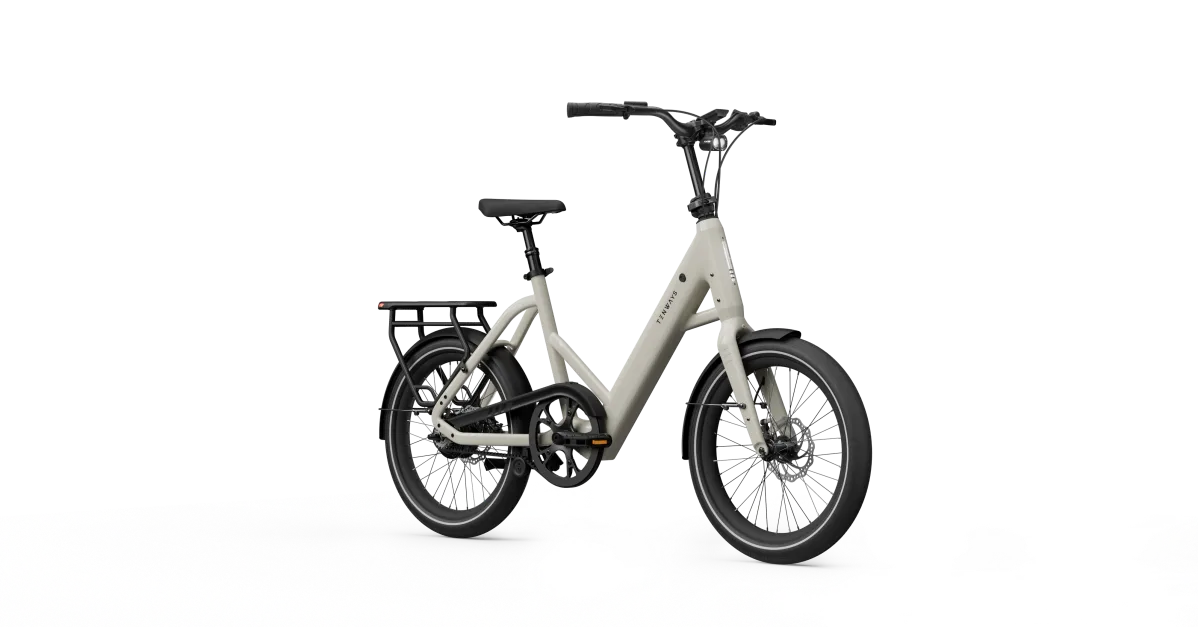
Tenways’ sleek foldable e-bike: urban mobility just got smarter

Emergence of Chinese E-Bike Innovator Tenways in European Markets

In a compelling move that underscores the acceleration of disruptive innovation in mobility technology, Tenways, a Chinese e-bike manufacturer with its headquarters in the Netherlands, is rapidly gaining traction across Europe. Leveraging aggressive pricing strategies, sleek design language, and an expansive network of over 1,500 shops and service centers, the company exemplifies how emerging players are redefining the traditional e-bike landscape. While less recognized globally, Tenways’ strategic focus on cost-effective, high-performance offerings could challenge established European and American incumbents, opening a new frontier for technological innovation and market disruption.

Central to Tenways’ European success is their CGO Compact, an e-bike priced at €1,999—significantly below the average €2,681 typical for European electric bikes. This pricing edge is vital in an industry increasingly driven by affordability paired with technology. Featuring a 250W rear-hub motor mated with a maintenance-free Gates Carbon belt drive, the CGO Compact epitomizes simplified yet powerful design choices aligned with urban commuting demands. Its 500Wh removable battery delivers a range of up to 100 km—an attractive proposition for city dwellers seeking reliable, eco-friendly transport options. Notably, the bike incorporates advanced features such as an integrated torque sensor for smooth pedal assistance and Tektro hydraulic disc brakes, all embedded within a compact profile.

  • Affordability without sacrificing core performance
  • Integration of sophisticated sensor technology
  • Extensive service network supports consumer confidence

Despite its impressive tech stack, the bike’s single-speed drivetrain and moderate torque output make it optimized primarily for flat urban terrain.

However, the CGO Compact’s design demonstrates how disruption often involves trade-offs. At nearly 20 kg, it is heavier than many competitors, including foldable models like Brompton G, which is designed for versatility and portability but costs more. This weight could impact user adoption among those valuing portability and ease of transport—an issue that highlights the ongoing challenge of balancing innovation with practicality. Yet, this drawback hasn’t hindered Tenways’ market penetration: experts from Gartner suggest that cost-efficient, durable, tech-enabled bikes can significantly reshape urban mobility. Such shifts could impact traditional European brands that rely on premium pricing, forcing them to re-evaluate product strategies in a rapidly evolving market.

Looking ahead, the implications for the overall e-bike industry are profound. As businesses race to capture market share, disruptive innovation fueled by companies like Tenways signals a clear trend: affordability, robust technology, and extensive service networks are becoming the new competitive metrics. Industry stakeholders—including tech giants and automotive OEMs—are eyeing this segment closely, recognizing the potential for electric bikes to replace short car commutes and reshape urban planning. Importantly, analysts warn that if incumbent manufacturers do not innovate swiftly, they risk losing customers to these agile, price-conscious entrants.

In conclusion, the rise of Tenways underscores the necessity for established players to accelerate their innovation cycles, integrate smarter value propositions, and prioritize user-centric design. Given the sophistication of their features—alongside their aggressive pricing strategy—these Chinese firms are setting a new benchmark that could accelerate the transformation of urban mobility. The industry must adapt or risk obsolescence; the future belongs to those who can leverage cutting-edge technology, redefine cost paradigms, and disrupt entrenched markets with speed and precision. The coming years promise a fierce contest—those who act now will shape the future of transportation, as urban landscapes evolve into hubs of smart, sustainable mobility.


TechCrunch Mobility: Bold Move, No Hostility – The Future of Mobility Looks Different

In the rapidly evolving landscape of transportation technology, autonomous vehicles (AVs) and electric mobility stand at the forefront of a disruptive wave that promises to overhaul traditional industry paradigms. Recent developments highlight how pioneering companies are leveraging breakthrough innovations to challenge incumbents and reshape economic opportunities. Notably, Luminar, a leader in lidar technology, is embroiled in a dramatic internal power struggle that could have far-reaching implications for the autonomous vehicle sector. The bid by Austin Russell, Luminar’s founder and former CEO, to acquire the company underscores an ongoing narrative of disruption from within, as visionary entrepreneurs seek to redefine competitive advantage amid tumultuous boardroom politics.

Russell’s return to the scene with a new venture, Russell AI Labs, signals a strategic pivot that could catalyze industry-wide innovation. The proposed bid involves acquiring or merging with other automotive tech entities, hinting at a broader trend of consolidation and diversification aimed at accelerating autonomous and sensor technology integration. This move coincides with key market shifts, as Gartner and other research institutions emphasize the importance of business model agility for AV success. Companies willing to disrupt entrenched supply chains and pivot toward value-driven services will dominate the next decade, with startups like Russell AI Labs poised to challenge established giants.

Simultaneously, the electric aviation sector exemplifies how disruption extends beyond ground mobility. Lilium, once considered a disruptor in vertical takeoff and landing (VTOL) aircraft, has transitioned its assets to Archer Aviation after ceasing operations. The acquisition of all 300 patents for €18 million underscores a strategic move driven by a desire to capitalize on legacy tech and optimize urban air mobility. While the industry is still embryonic, this deal exemplifies the potential for patent consolidation as a weapon against incumbent transportation giants, actively shaping urban mobility’s future.

  • Emerging startups like Airbound and Dexory are receiving significant funding—$8.65 million in seed capital and $165 million in Series C, respectively—highlighting investor confidence in automation and logistics innovation as markets mature and infrastructure demands escalate.
  • International expansion continues unabated, with Pony.ai and WeRide gaining regulatory approval to list on the Hong Kong Stock Exchange, signaling a burgeoning Chinese presence in global autonomous markets.

As the industry accelerates, *strategic partnerships* are becoming vital. Stellantis’ collaboration with Pony.ai aims to deploy robotaxis across Europe, threading together traditional automakers’ market reach with cutting-edge AV software—setting a precedent for legacy automakers to embrace disruption proactively. Meanwhile, automakers like Stellantis are reorienting their investment strategies; despite betting big on AVs, Stellantis plans to scale back electrification investments in favor of strengthening manufacturing capacity—highlighting a broader industry tension between supply chain resilience and innovation acceleration. Furthermore, companies like Waymo exemplify the trend of international expansion, with plans to operate robotaxi services in London, and strategic collaborations such as with DoorDash, to explore driverless delivery solutions—an indicator of the industry’s push toward multifaceted mobility ecosystems.

The future belongs to those who move fast and innovate relentlessly. With regulatory landscapes shifting rapidly, technological advances accelerating, and bold entrepreneurs pushing boundaries, the industry is poised for transformative change. Stakeholders who understand the importance of disruption, strategic agility, and disruptive business models will shape the mobility of tomorrow. The race is on, and incumbents who hesitate risk ceding their market dominance to new wave innovators. For investors, policymakers, and technologists alike, one thing is clear: the time to be bold and adapt is now. The next few years will define the trajectory of transport, and those who act decisively will reap the rewards in the decade ahead.

Social Media Auto Publish Powered By : XYZScripts.com


