Matox News

Truth Over Trends, always!

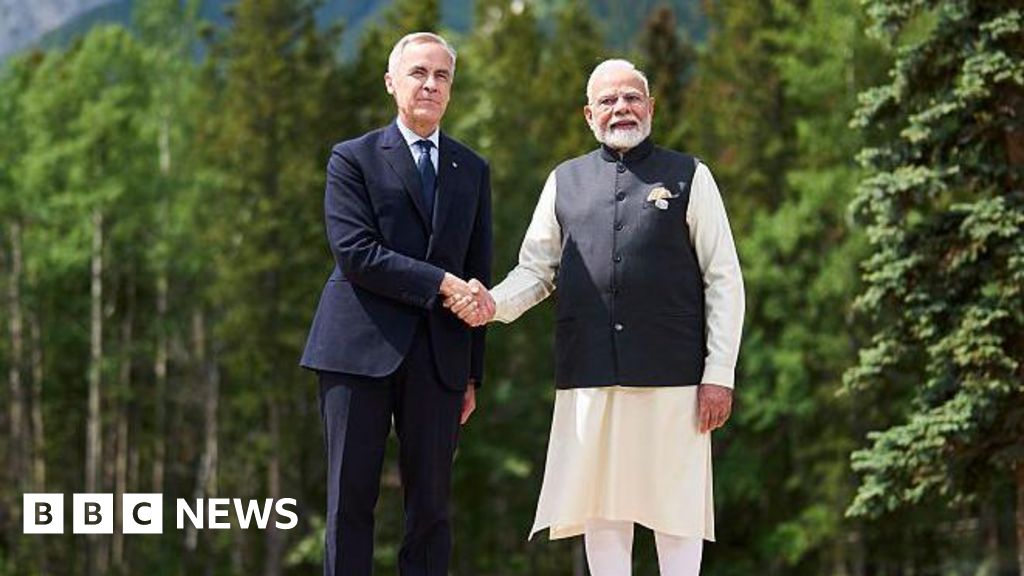
Carney’s India trip: A subtle Canada challenge, Modi scores a win-win

The international landscape is once again gripped by tension as Canada and India face a pivotal crisis that could reshape diplomatic alliances. In 2023, a startling accusation from Canadian Prime Minister Justin Trudeau has sent shockwaves across global political corridors. Trudeau publicly alleged that India was involved in the assassination of Hardeep Singh Nijjar, a prominent Sikh separatist leader, who was shot dead in British Columbia. This accusation not only challenged longstanding diplomatic norms but also ignited a broader debate about sovereignty, espionage, and international justice.

The Indian government quickly dismissed the allegations as baseless and politically motivated, asserting its stance that Canada’s accusations undermine the diplomatic efforts to maintain peace and stability in the Indo-Pacific region. The fallout resulted in a series of retaliatory actions, including the expulsion of diplomatic personnel from both nations. The situation grew further complicated as investigators in Canada charged four individuals with Nijjar’s murder. Although the case remains before courts, the incident has exposed underlying tensions between the two nations, with profound geopolitical impact that stretches well beyond their borders.

Analysts and international watchdogs underscore the broader ramifications of this diplomatic rupture. Global institutions such as the United Nations are closely observing, fearing this incident might *set a dangerous precedent*—where accusations can escalate into open confrontations without sufficient evidence, thus destabilizing international relations. Moreover, India and Canada are both key players in regional security architectures, with India trying to bolster its influence across Asia and Canada maintaining strategic ties with the United States. Any further deterioration could undermine efforts towards multilateral cooperation, especially in counterterrorism initiatives and trans-continental diplomacy.

This episode underscores the delicate balance of modern diplomatic engagement amid rising nationalistic sentiments and shifting global alliances. How decisions in Ottawa and New Delhi will echo in international forums and across societies at home remains uncertain, but such crises serve as stark reminders of the high stakes involved. As history watches silently, the world stands on a knife’s edge—every move, every statement potentially tipping the scales toward confrontation or reconciliation. The unfolding story continues to test the resilience and maturity of nations that, in this interconnected era, are bound by the weight of their actions and the legacy they leave behind. In that quiet, yet thunderous space where diplomacy meets destiny, history is once again in the making.
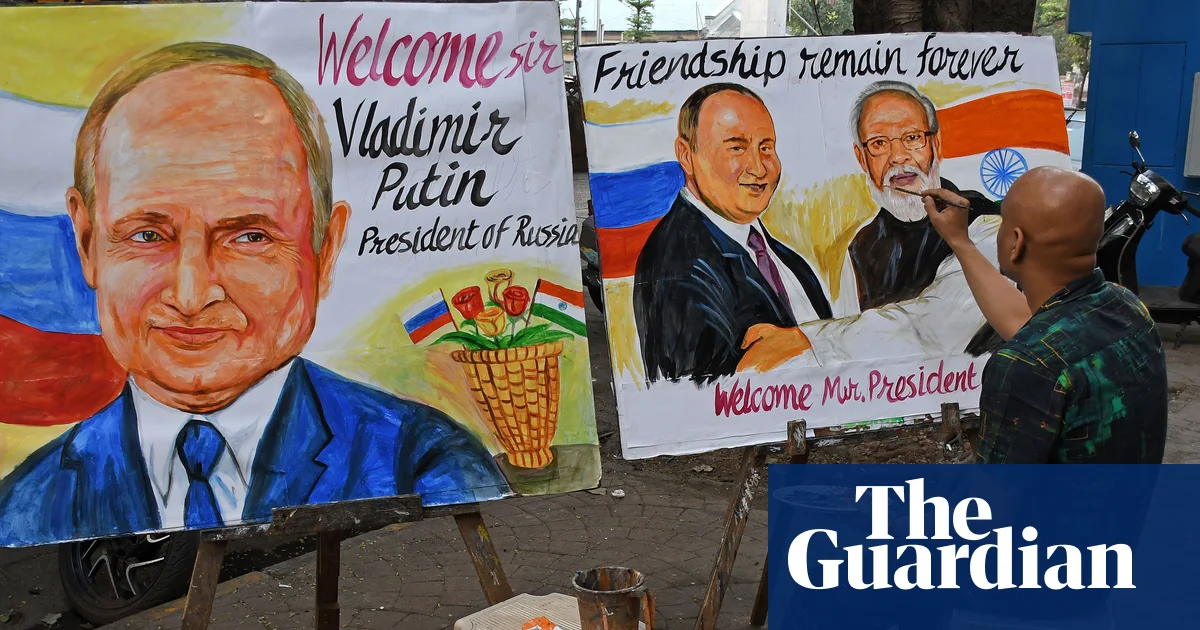

Putin and Modi Prepare to Meet Amid Rising Challenges for Russia and India

In a display of resilience and strategic recalibration, Vladimir Putin recently traveled to India, marking a significant moment in the ongoing reshaping of international alliances. This visit, occurring against the backdrop of an increasingly tense global scene, underscores the enduring importance of India’s relationship with Russia amidst escalating pressures from the United States and its allies. Just four years ago, Putin’s previous visit to India reflected a world still in relative balance, where Moscow maintained a perceived closeness to Delhi. However, subsequent years have seen dramatic shifts—culminating in Russia’s invasion of Ukraine, which transformed Putin into a pariah on the world stage and resulted in widespread sanctions, travel bans, and diplomatic isolation.

The importance of Putin’s current trip neither merely symbolic nor superficial: it is an emphatic message that Russia is carving out a path toward international normalization despite Western efforts to isolate it. According to analysts like Petr Topychkanov of the Stockholm International Peace Research Institute, the very fact that Putin is on the diplomatic trail signals a tangible shift—“Russia is no longer anxious about political isolation.”

For India, the stakes are different but equally vital. Navigating a complex geopolitical landscape marked by a semi-isolationist America, a weakened Russia, and an increasingly assertive China presents a delicate balancing act. As Aparna Pande of the Hudson Institute notes, New Delhi’s policy has shifted towards “hedging,” signaling to the world that, despite deeper ties with Moscow, India retains multiple options should the geopolitical winds shift. India’s strategic dependence on Russia for military hardware remains significant, yet it has also sought to diversify, reducing reliance from approximately 70% to below 40% in recent years—an effort to safeguard itself from external pressures, especially from China.

The geopolitical significance of the India–Russia relationship extends beyond mere trade, primarily rooted in security concerns. India’s historic reliance on Moscow’s defense industry, especially for advanced weaponry like the S-400 missile systems and Sukhoi jets, is balanced with a nuanced diplomatic approach that aims to avoid complete dependency. While upcoming talks between Putin and Modi are likely to focus on military supplies, they also illustrate a relationship defined by a core realism rooted in geographic necessity. As Pande remarks, the alliance is “based on pure realpolitik,” with India actively maneuvering to ensure that its strategic interests remain intact, even as Moscow deepens ties with Beijing.

The question of oil

Amid these strategic moves, the energy sector remains a crucial battleground. India has historically purchased large quantities of Russian oil—around 70% of its defense procurement from Moscow—yet recent Western sanctions seek to curtail those exchanges. As a response, India has begun importing more from the United States and the Middle East, aiming to reduce reliance on Russian energy supplies. Nevertheless, Putin’s spokesperson Dmitry Peskov has emphasized that despite obstacles, economic and energy cooperation will continue, asserting Moscow’s technological resilience in bypassing Western sanctions.

Within this shifting landscape, India’s diplomatic dance remains precarious. While it seeks to maintain its longstanding ties with Russia, it also recognizes the growing threat posed by China, making balancing relationships an existential priority. The very fabric of international relations is being rewritten, with each decision echoing through the corridors of power, impacting societies and the global order. As the world collectively wrestles with the consequences of war, sanctions, and diplomatic brinkmanship, history continues to unfold—its narrative uncertain, yet undeniably profound. In this complex chess game, the path forward remains clouded, and the true impact of Putin’s visit to India will be felt in the days—and perhaps decades—to come, as nations try to navigate the chaos of a redefining world.

Social Media Auto Publish Powered By : XYZScripts.com


