Matox News

Truth Over Trends, always!

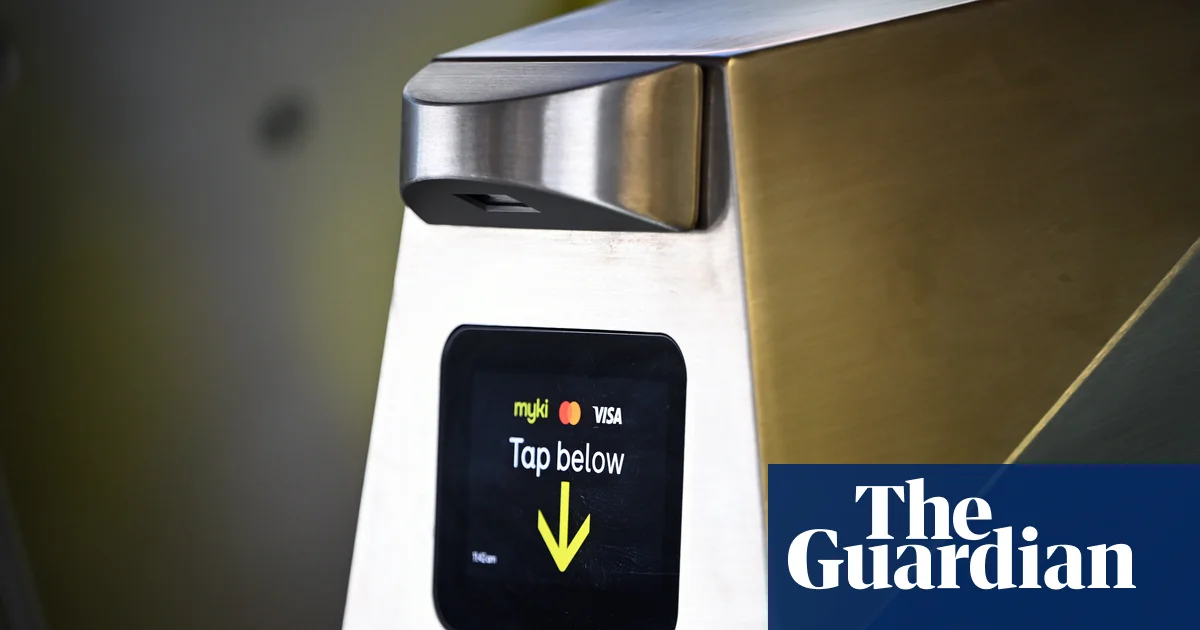
Victorians Score Free Public Transport for a Month to Tackle Fuel Crisis

The recent decision by the Victoria government to make public transport free for a month highlights a significant national response to the ongoing international fuel crisis brought about by the war in the Middle East. The move, announced amidst soaring fuel prices and shortages, underscores how localized policies can reflect and attempt to mitigate global upheavals. The energy shock resulting from conflict in regions critical for oil production demonstrates the intense interconnectedness of geopolitics and domestic economies. Governments are now caught in a balancing act: managing immediate economic relief while addressing the broader, unsettling geopolitical realities that threaten energy security worldwide.

Analysts from prominent international organizations, including the International Energy Agency (IEA), warn that the recent disruptions are likely to have enduring repercussions. Historically, such conflicts have served as catalysts for energy market volatility, often leading to sustained price increases and supply chain vulnerabilities. The current situation casts a spotlight on the contentious matter of energy independence; many nations, especially in the West, are increasingly recognizing the imperative for diversified energy sources. Meanwhile, some geopolitical analysts suggest that these crises could accelerate shifts in alliances and strategic partnerships, as countries seek to secure reliable energy supplies amid political instability.

At the domestic level, the Australian government’s attempts to alleviate this crisis—such as offering free public transport—highlight a strategic acknowledgment of how economic hardship and geopolitical shifts influence societal stability. Despite the increased cost of petrol—upwards of $20 more weekly for many households—Australians are yet to markedly reduce driving, indicating a reliance on personal vehicles that complicates government efforts to curb fuel consumption. Such policies, while primarily aimed at easing the immediate burden, inevitably underscore the fragility of energy-dependent lifestyles and the pressing need for resilient infrastructure. Critics, however, argue that these measures are temporary palliatives that sidestep the deeper issue of energy independence—issues that, if left unaddressed, could threaten national security as dependence on unstable global suppliers grows.

As leaders and historians analyze the unfolding crisis, a somber truth remains: the conflicts reshaping the Middle East are no longer isolated events but pivotal moments in history with the potential to redraw the geopolitical landscape. The decisions made by governments today—whether to diversify energy sources, bolster strategic alliances, or implement social support measures—will resonate in the annals of history. As governments scramble to navigate this turbulent era, it becomes clear that the ripple effects of geopolitical upheaval extend well beyond borders, impacting every societal fabric from economic stability to personal mobility. The weight of history continues to unfold in real time, leaving future generations to judge whether current policymakers successfully steered through this turbulent epoch or allowed it to spiral into a new, uncertain world order.

Eco-friendly Cutting Boards & $17 Bike Lights: 11 Must-Haves That Made March a Stylish Month | Life & Style

As March unfolds, a palpable shift echoes through the everyday routines of the modern youth—a collective awakening from the icy grip of winter hibernation. No longer confined to hotpot nights and indoor coziness, many are seeking out new ways to connect with their environment and enhance their wellness. This season isn’t merely about shedding layers; it’s about embracing a curated, purpose-driven lifestyle that emphasizes self-care, sustainability, and active leisure. Amidst this societal renaissance, a growing number of young enthusiasts turn to innovative, thoughtfully designed products that mirror their desire to live better, smarter, and more connected to the natural rhythm of the world around them.

From prepping fresh produce for vibrant meals to engaging in farmers’ market shopping, and shifting toward at-home workouts emphasizing dynamic cycling and pickleball, this movement is shaping a lifestyle rooted in vitality and authenticity. These activities are not just trends—they are pathways for personal impact, offering health benefits that foster resilience and mental clarity. Industry experts and wellness influencers like Dr. Alex B. and holistic lifestyle advocates emphasize that these shifts in daily habits are essential for the new generation aiming to forge a more fulfilling, well-rounded existence.

In tandem with these lifestyle changes, consumers eagerly explore a curated selection of products that support their ambitions for a more sustainable and efficient future. Among the standouts are items like the Field Company No 5 Chef Skillet, a cast-iron skillet celebrated for its durability and precision heat distribution, making it an essential for anyone serious about cooking. Complementing this is the Bike Light Set, a USB rechargeable bike light set ensuring safety and visibility during evening rides. This reflects a lifestyle valuing not only personal health but also ecological responsibility, highlighting a conscious choice to minimize plastic waste with products like the Plastic-Free Cutting Board. These items aren’t just consumer choices—they are lifestyle statements that promote mastery over personal spaces, health, and the environment.

This renaissance also inspires reflection on the broader narrative of personal impact. The recent popularity of tools like the Vegetable Scrub Brush and the Vegetable Scrub Brush goes beyond cleaning; it symbolises a mindful approach to everyday chores, aligning with a lifestyle rooted in intentionality and respect for craftsmanship. Meanwhile, a travel-conscious mindset influences accessories like the Lite Travel Pack, a sleek 30L travel pack that embodies functionality and style for the new wave of explorers. Today’s youth are choosing products that are not just utilitarian but that echo their rising aspirations toward a lifestyle of authenticity, wellness, and sustainability.

In the end, the journey through this evolving lifestyle landscape is about more than acquiring new gadgets or adopting trendy activities. It’s a conscious embrace of self-improvement—a testament to resilience, innovation, and individual purpose. The story of March’s lifestyle redefinition isn’t merely written in the products we buy but is reflected in a broader movement towards living intentionally and honestly. As we navigate these changes, we discover that the pursuit of wellness is fundamentally a voyage—a continuous unfolding that invites every young person to write their own chapter, carving out a space for growth, impact, and inspired living in a world full of possibility.

Nancy Guthrie disappearance: unanswered questions linger as search enters another month

The recent disappearance of the mother of renowned TV presenter Savannah Guthrie has sent shockwaves across the United States, highlighting concerns about security and social stability in an era marked by rising crime concerns. While the case remains unresolved with no arrests so far, the incident has rekindled debates about law enforcement effectiveness and the persistent vulnerabilities in urban and suburban communities. This situation underscores broader issues that resonate well beyond American borders, emphasizing the importance of resilience and vigilance in safeguarding societal stability.

From an international standpoint, the unfolding events serve as a reminder of the geopolitical implications associated with internal security. Countries worldwide, especially those with open societies and active media landscapes, observe such incidents with keen interest. They reflect not only on domestic governance but also on the global image of safety and justice. Analysts like Dr. James Montgomery, a geopolitical commentator for the International Security Institute, argue that internal security failures can have ripple effects, influencing perceptions of strength and stability, especially for nations engaged in diplomatic or economic negotiations. A failure to resolve such cases promptly could embolden criminal networks or undermine public confidence in government institutions, with consequences that extend well beyond national borders.

Moreover, the case demonstrates the delicate balance between individual rights and societal security, a topic under intense scrutiny by international organizations such as the United Nations and INTERPOL. The case serves as a stark reminder that a society’s resilience is tested not only by external threats such as terrorism or cyber-attacks but also by internal crises and community safety. As law enforcement agencies worldwide grapple with similar challenges, the need for effective cooperation and intelligence-sharing becomes more critical. The failure to swiftly apprehend suspects in sensitive cases could influence international relations, particularly if criminal networks cross borders or threaten regional stability. These developments highlight how domestic issues dovetail into broader geopolitical concerns, reminding governments that internal security is integral to national sovereignty and global peace.

As the case remains unresolved, historians and analysts continue to draw parallels to other pivotal moments in recent history—times when internal crises revealed systemic weaknesses or precipitated broader political shifts. The subtle yet powerful lessons stem from a series of global events, in which a society’s failure to protect its citizens has sometimes led to social upheaval or cultural shifts. The stubborn persistence of unresolved cases emphasizes that the landscape of international relations is shaped as much by internal stability as by external diplomacy. The weight of this ongoing mystery hangs heavily in the collective consciousness, hinting that the true test of national resilience is yet to come. As history unfolds, the decisions made in response to this and related incidents could determine whether societies survive their hardest tests or succumb to internal fractures, leaving a legacy that will echo for generations to come.

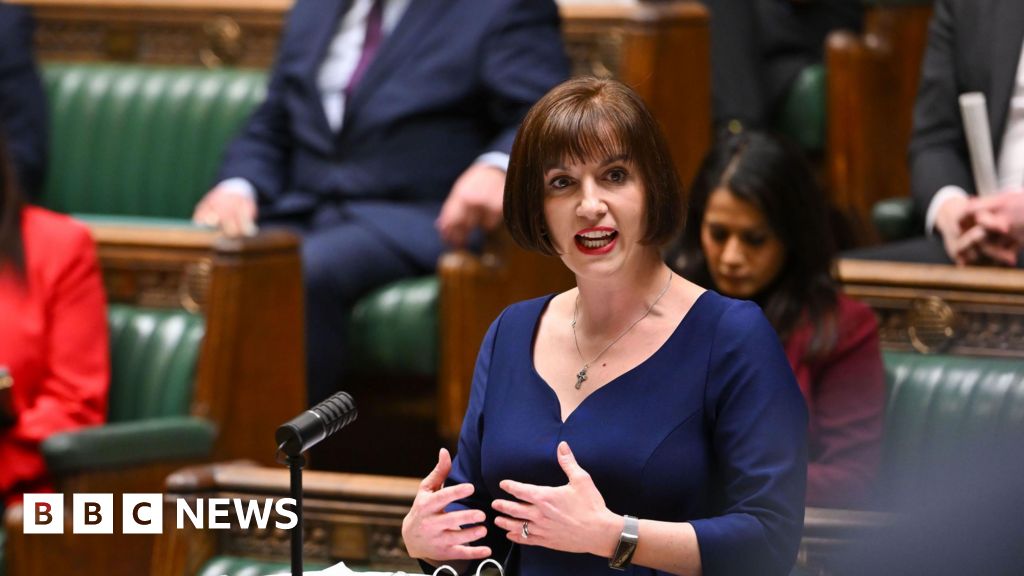
Phillipson sticks up for student loan shake-up, warns average repayments to jump by £8 a month

Societal Strain as Graduates in England Reduce Work Hours to Manage Student Debt

Across England, a growing concern is emerging within families and communities regarding the financial pressures faced by young graduates. Recent reports reveal that some students, now transitioning into the workforce, are resorting to cutting their hours at work due to what they describe as “punishing” student loan repayment schemes. This shift not only impacts individual career trajectories but also ripples into broader social and economic spheres, raising questions about the sustainability of current higher education financing models.

Students and educators alike have long debated the balance between the pursuit of higher education and its cost. Sociologists such as Dr. Emily Carter have documented that the escalating burden of student debt creates a barrier to meaningful employment and socioeconomic mobility for younger generations. The immediate consequence, highlighted by recent testimonies, is that graduates are forced to reduce their working hours—often at times when they need income most—to avoid falling behind on loan repayments. The challenge compels many to choose between earning a living and managing debt, a dilemma that risks undermining the **future stability** of families and eroding the **financial independence** that higher education was supposed to promote.

This phenomenon also impacts educational institutions and employers. Universities, historically viewed as gateways to opportunity, now face scrutiny for their role in fostering a financial climate that strains students’ mental health and limits career development. As historian Dr. Mark Hughes argues, “the modern student debt crisis signifies a societal shift where higher education no longer guarantees economic uplift but becomes a debt trap,” illustrated by patterns of graduates reducing their work commitments to contain repayment burdens. Employers are witnessing staffing reductions and decreased productivity as young workers juggle their academic debts with professional ambitions, thereby influencing community stability and local economies.

  • Financial insecurities stemming from student debt threaten the social contract—the belief that education equates to upward mobility.
  • Children grow up witnessing parental sacrifices, which fosters a cycle of financial anxiety and altered family dynamics.
  • The erosion of youth independence hampers community engagement and volunteerism, essential elements of societal cohesion.
  • The need for policy reform grows urgent, aiming to reduce repayment burdens and restore economic inclusivity.

As social commentators emphasize, the current landscape reflects not just an economic challenge but a moral crisis. Our society’s foundation—families, education, and communities—face mounting pressures that threaten to fracture social fabric if unchecked. Recognizing that social issues are interconnected, policymakers and civic leaders must work toward sustainable solutions: reforming student loan schemes, expanding support for young families, and fostering a culture that values financial literacy and equity in educational access. The future of society hinges on whether we can address these challenges with unwavering resolve, transforming financial hardship into a catalyst for renewed social cohesion and shared prosperity.

In this dance of societal change, hope remains resilient. Society’s greatest strength lies in its capacity for reflection and transformation. As future generations face the ripple effects of today’s policies, there exists a profound opportunity—an enduring call—to rebuild a society where families thrive, education empowers, and communities unite. Only through collective effort can we turn disruption into a catalyst for a society where every young person, burdened no longer by crushing debt, can dream anew and work towards a brighter tomorrow.

Nepal’s Youth Grow Frustrated as Change Stalls One Month After Gen Z Protests

In what was once considered a quiet and traditional Himalayan nation, Nepal has undergone a seismic shift driven by a surge of youth activism and anti-corruption sentiments. An incident that began with a spontaneous protest against corruption, a social media ban, and government suppression has morphed into what many are now calling Nepal’s gen Z revolution. This upheaval has resulted in the unpredictable toppling of the government, dissolution of parliament, and the swift appointment of Sushila Karki, a former chief justice, as the interim prime minister. Analysts warn this rapid political shake-up carries profound geopolitical impact, not just internally but across the entire South Asian region, as old political order faces a challenge from the new, impatient generation demanding transparency.

The incident that sparked widespread unrest was marked by a tragic day on 8 September, when police opened fire on protesters outside parliament, killing 19 young demonstrators—an event that has become a defining moment in Nepal’s modern history. Among the injured was Prakash Bohora, a symbol of Nepal’s youth driven by disillusionment with corruption, unemployment, and exploitation. His story encapsulates the broader discontent; he fought in Russia’s army in Ukraine, saw his friends killed or maimed, and returned home to find a political system increasingly detached from the needs of its citizens. Many young Nepalis, like Bohora, joined the protests not for regime change but because of frustration with a system that seems to favor elite corruption while everyday citizens suffer. Historians and analysts argue that this civic awakening signifies a potential turning point in South Asian politics—an era where youthful protest could reshape the geopolitical landscape.

Despite the youthful energy fueling the protests, Sushila Karki’s appointment as a temporary leader has faced skepticism, particularly from Nepal’s major political parties—the Nepali Congress, the Communists, and the Maoists. These parties have openly questioned her legitimacy, accusing the new government of bypassing constitutional norms. The government’s focus has shifted heavily toward investigating allegations of corruption, especially regarding the toppled figures of former Prime Minister KP Sharma Oli and ex-House Minister Ramesh Lekhak. Pressure from youth groups demands that the government deliver tangible progress, including arrests of high-profile politicians accused of enriching themselves at public expense. From an international perspective, this internal turmoil underscores the growing fragility of Nepal’s democracy—where success hinges on the delicate balance of reform and political stability.

Regional and international stakeholders are watching keenly. India and China, as neighboring giants with vested interests, fear that Nepal’s instability could spill over, impacting trade routes, bordering security, and regional influence. Meanwhile, the United Nations and other international organizations have called for calm and dialogue, warning that any escalation of violence would threaten Nepal’s fragile new government and regional stability. As the political crisis deepens, analysts emphasize that Nepal’s crisis is but a chapter in a larger story—one where generations are demanding their voice, and the old guard must decide whether to adapt or face being swept away by an age of youthful activism. History’s pen lingers over this moment like a shadow, reminding the world that the long arc of justice sometimes bends fierce and swift, leaving behind a nation forever changed—an uncharted chapter in the unfolding saga of South Asia’s future.

Social Media Auto Publish Powered By : XYZScripts.com