Matox News

Truth Over Trends, always!

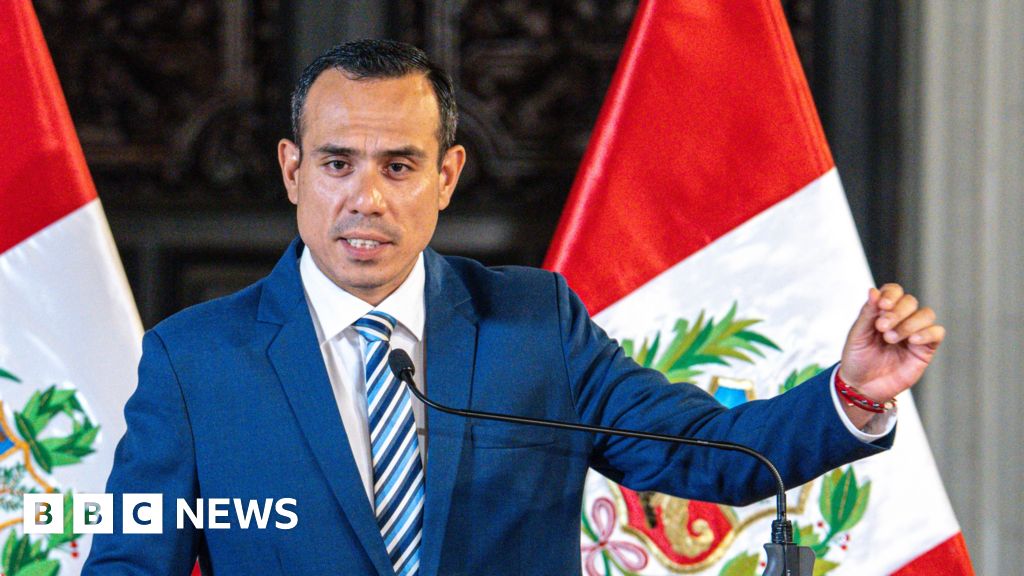
Peru's President Ousted After Just Four Months in Power
Peru’s President Ousted After Just Four Months in Power

In an unprecedented turn of events, Peru finds itself embroiled in a cycle of political upheaval that questions the stability of democratic institutions across Latin America. The recent ousting of José Jerí marks the third president to be removed from power in a span of just a few years, solidifying a disturbing trend that has seen the country’s leadership oscillate between legitimacy and crisis. Since 2016, seven presidents have been dismissed or resigned amid mounting protests, corruption allegations, and institutional crises. This alarming pattern reflects deeper issues within regional governance structures that threaten to destabilize entire nations, impacting millions who seek stability and economic progress.

That Jerí’s ousting is no isolated incident but part of a broader regional story is clear. As analysts note, the rapid succession of presidents—each facing mounting pressure from protests, judicial investigations, or political opposition—embodies a fragile democratic fabric. Experts warn that such persistent upheavals can erode public trust, weaken international relations, and foster conditions ripe for authoritarian backlashes. By studying these cycles, historians like Dr. Maria Lopez emphasize that Latin America remains vulnerable to the risks of political volatility, which often leads to increased social unrest and economic instability. Recognizing this, regional organizations such as the Organization of American States have called for adherence to democratic norms, yet the underlying systemic issues persist.

The geopolitical impact of such unrest extends beyond national borders, stirring regional and global concerns. Countries in the region may experience diminished foreign investment, increased migration, and strained diplomatic relations. The instability also provides fertile ground for external actors seeking to leverage chaos for strategic gains. For example, analysts point out that China and Russia are actively expanding influence in Latin America, capitalizing on moments of institutional weakness to bolster their presence. Meanwhile, the United States, traditionally a regional power, faces criticism for its inconsistent approach, often perceived as either supportive of authoritarian regimes or ineffectual in defending democratic norms.

Regional leaders and international bodies continue to grapple with the consequences of this ongoing crisis. Some advocate structural reforms, stronger rule-of-law measures, and greater civic engagement as a way forward. Yet, the persistent cycle of political upheaval suggests that more fundamental changes are required—not merely superficial fixes or shifts in leadership. As history unfolds, the question remains: will Latin America break free from this destructive cycle, or will it become a cautionary tale for nations worldwide? The stakes are high, as each new turn in the region’s tumultuous political landscape shapes the future of democracy and freedom in this vital part of the world, leaving a legacy that will echo for generations to come.


US-Palestinian teen released after nine months behind bars in Israel

The recent release of Mohammed Ibrahim, a 16-year-old Palestinian-American who endured nine months of detention by Israeli authorities without formal charge, underscores the ongoing complexities defining the Israel-Palestine conflict and its profound geopolitical impact. Arrested at 15 while visiting the West Bank from Florida, Mohammed’s case is emblematic of the broader issues surrounding the treatment of Palestinian minors in Israeli custody, a matter long condemned by human rights organizations and the United Nations. While his release marks a personal milestone, it also raises pressing questions about international accountability and the role of the US in advocating for its citizens abroad.

  • Mohammed’s detention followed allegations of stone-throwing against Jewish settlers, a charge he and his family deny, highlighting the persistent tensions and accusations of misconduct from both sides of the conflict.
  • The Israeli prison system, where approximately 350 Palestinian minors are held, has faced widespread condemnation for alleged abuses and torture—accusations upheld by human rights organizations and reinforced by international reports.
  • Mohammed’s family, including his father Zahar Ibrahim, criticizes what they perceive as insufficient intervention by the US government, despite bipartisan advocacy—27 US lawmakers signed a letter demanding action from President Donald Trump.

Analysts note that the detention of minors in such conditions not only impacts individual lives but also fuels regional instability. Experts from Oxford’s Middle East Institute warn that these policies contribute to a cycle of violence, unrest, and international scrutiny. The case also exemplifies how US foreign policy, often characterized by a complex balance of support and criticism, influences how these conflicts evolve. The US’s stance, articulated through the State Department, prioritizes citizen safety, yet many critics argue this rhetoric often falls short of meaningful action, especially when dealing with PGs like Israel in sensitive areas.

This situation also emphasizes the broader consequences for societies caught in prolonged strife. Mohammed’s case and the subsequent focus on other injustices, such as the death of dual US citizen Sayfollah Musallet at the hands of settlers, illustrate the deep scars of unresolved conflict. The family’s fight for justice and accountability underscores how international decisions reverberate through communities—turning localized incidents into symbols with global ramifications. The inability of authorities to prosecute those responsible for Sayfollah’s death, despite evidence, feeds into an international narrative of unchecked violence and impunity, threatening the fragile stability of the region.

As history continues to unfold, the case of Mohammed Ibrahim stands as a stark reminder of the danger inherent in unresolved conflicts and the crucial need for international diplomacy and justice. With each headline, the weight of history presses harder—underscoring that these are not merely stories of individuals but chapters in the ongoing saga that will shape the future of nations and societies for decades to come. The question remains: will the international community heed the warnings, or will they be swept aside as just another chapter in a relentless cycle of conflict?

Palestinian-American teen imprisoned in Israel for 9 months finally released in West Bank

In a recent development that echoes across the geopolitical landscape, Mohammed Ibrahim, a 16-year-old Palestinian-American citizen, was released after nine months of detention in Israeli custody. The young teenager’s ordeal, which captured worldwide attention, underscores the ongoing controversies surrounding Israel’s treatment of Palestinian minors in military courts. Ibrahim’s case not only highlights alleged human rights violations but also signals the fragile state of U.S.-Israel relations, especially when American citizens are caught in the crossfire of regional conflicts. International organizations, including UN human rights agencies and various civil rights groups, have long condemned the systematic prosecution of Palestinian minors, which places Israel under increasing scrutiny for its military justice practices.

This incident arrives at a time of escalating tensions and international debates focused on the treatment of Palestinians under occupation. According to reports from B’Tselem and Defense for Children International-Palestine, hundreds of Palestinian children remain detained by Israeli forces, often subjected to harsh conditions, inadequate nutrition, and limited contact with their families. As of September, approximately 350 minors were in military detention, with allegations of abuses ranging from forced confessions to inhumane treatment. The case of Ibrahim, who lost a quarter of his body weight and contracted scabies, exemplifies the ongoing issues of military justice and human rights violations that continue to stain Israel’s image on the world stage. Critics argue that such practices threaten to undermine the legal norms espoused by democratic standards and fuel international divisions.

Notably, prominent American politicians, including Senators Bernie Sanders and Elizabeth Warren, along with over 100 human rights organizations, have demanded the U.S. government intervene to secure Ibrahim’s release. The U.S. State Department officially became involved when it appointed a dedicated officer to handle the case, reflecting mounting concern over the treatment of American citizens abroad. Yet, the broader geopolitical impact extends beyond individual cases. Many analysts view these incidents as symbols of a deeper conflict—a clash between Israel’s security policies and international calls for accountability. History advises caution, emphasizing that overlooking such abuses risks fostering further resentment and instability in one of the most volatile regions in the world. Furthermore, the international community remains divided, with some nations backing Israel’s security concerns, while others advocate for stronger adherence to human rights standards. Recognized voices like those from Amnesty International warn that ignoring abuses against minors could eventually catalyze wider movements against occupation policies, altering the continent’s geopolitical balance.

The incident involving Ibrahim is more than a mere isolated event; it amplifies the ongoing debate surrounding regional stability, human rights, and international law. The recent cases serve as stark reminders that, amid shifting alliances and renewed geopolitical rivalries, the unresolved Israeli-Palestinian conflict continues to echo with profound consequences. In the grand narrative of history, decisions made here—be it on military justice, human rights, or diplomatic engagement—will shape the future for generations to come. As the world watches, the question remains: will diplomacy and justice prevail, or will history record another chapter filled with injustice and lost opportunities? The weight of these choices bears heavily on the collective conscience, for it is in these moments that the course of history is truly decided.

UK inflation cools for first time in five months to 3.6% ahead of crunch budget

In a notable development, the United Kingdom experienced a decline in inflation rates in October, marking a crucial moment amid ongoing economic turbulence and geopolitical uncertainty. The Office for National Statistics (ONS) reported that the annual consumer price index (CPI), which measures inflation, fell to 3.6% from a peak of 3.8% earlier in the year. While this reduction certainly offers respite to households burdened by rising costs, experts caution that the broader economic landscape remains fragile. The primary drivers of this decline were decreased gas and electricity prices, influenced by changes in the Ofgem energy price cap, and a drop in hotel prices. Yet, core inflation—excluding volatile food and energy sectors—remained stubbornly high at 3.4%, signaling that underlying price pressures persist.

Under the spotlight, Chancellor Rachel Reeves prepares for her upcoming budget, promising measures to cut living costs and foster economic stability. Her vow to “bring down inflation to smooth the path for the Bank of England to cut interest rates” underscores a strategic shift. Analysts and government officials alike recognize that easing inflation provides an opportunity to recalibrate monetary policy—potentially allowing for a reduction in borrowing costs, which have already been decreased five times since Labour’s ascension to power in July 2024. The Bank of England seems poised to act, with signals suggesting that an interest rate cut as early as next month could be on the table, contingent upon incoming economic data. The delicate balancing act involves tempering inflation without undercutting economic growth, a challenge that many view as a defining test of the UK’s economic resilience.

Despite these promising signs, the UK faces significant external pressures. It continues to register the highest inflation rate among the G7 nations, with recent data highlighting rising food prices—particularly bread, cereals, and meats—placing additional hardship on households. Critics, including the shadow chancellor, Mel Stride, argue that inflation has remained stubbornly above target, leaving working families worse off. The volatile food sector underscores ongoing supply chain issues and geopolitical disruptions, especially in the context of the East-West tensions and trade negotiations that influence global markets. As economists forecast possible rebounds in inflation during the coming months, the overarching risk remains that geopolitical shifts could hinder long-term economic stability. This unfolding drama—part economic, part geopolitical—will determine the course of Britain’s future and shape societal realities for generations to come.

Looking ahead, the crucial question for analysts and citizens alike is whether Britain’s recent economic movements are merely a brief anchor in a storm or the harbingers of a more profound transformation. The decision-makers are walking a tightrope, weighing domestic priorities against a tumultuous international backdrop that includes rising tensions with continental neighbors and global energy insecurities. As history continues to write itself, the fate of the UK’s economy—and perhaps, the stability of the wider Western order—may hinge on the choices made in the coming weeks. The weight of these decisions will echo through future generations, reminding us that even in moments of apparent calm, the currents of history are relentlessly shaping destinies in ways no one can fully predict.

DHS Hid Chicago Police Data for Months, Flouting Espionage Laws

US Government Accelerates Digital Surveillance Infrastructure, Signaling Major Disruption for Tech and Security Sectors

The recent revelations about the Department of Homeland Security’s (DHS) expanding ambitions highlight an aggressive push towards integrating public safety and commercial data through groundbreaking technological innovations. As DHS’s budget nears $191 billion, its focus on eliminating information silos signals a new era of *disruptive* government-driven data fusion, setting a precedent that could reshape both security operations and industry standards. The March 2025 executive order that urges federal agencies to streamline and consolidate data repositories indicates a strategic move to leverage cutting-edge AI capabilities for enhanced surveillance and enforcement, marking a significant shift in how national security apparatuses operate.

At the heart of these initiatives lies the FBI’s watch-listing system, including the Terrorist Screening Dataset and the Threat Screening Center’s TADP list, which, according to newly obtained records, is evolving beyond its initial scope. While explicitly excluding U.S. citizens and lawful residents, authorities are broadening definitions of threat-related entities—sometimes blurring lines to include individuals with *vague associations* with groups like Latin Kings or drug cartels. This approach harnesses *innovation* in data analytics and AI to connect seemingly disparate information sources—ranging from border crossings to social support networks—creating a comprehensive digital footprint that could revolutionize enforcement strategies but raises serious privacy and civil liberties concerns.

Disrupting Traditional Boundaries in Security and Business

The recent decision by the FBI to expand its TADP list to include the Latin Kings exemplifies the shifting *industry landscape*. The move illustrates a departure from traditional law enforcement boundaries, integrating commercial and public data to facilitate broader targeting mechanisms. This is compounded by the DHS’s ongoing efforts to merge domestic and international data sources, effectively creating a unified, real-time monitoring ecosystem. Such integration not only disrupts legacy security models but also opens new avenues for innovative *private sector* technologies, including advanced AI, real-time analytics, and large-scale data management systems. Industry leaders like Palantir or Darktrace are already positioning themselves as critical enablers of this new intelligence paradigm—offering tools capable of processing vast datasets with unprecedented speed and accuracy.

  • Key features of this digital overhaul:
  • Fusion of sensitive public and commercial data streams for comprehensive surveillance.
  • Implementation of AI-driven watch-list algorithms, with real-time updates and alerts.
  • Expanding scope to include broader definitions of threat entities, blurring conventional lines of suspicion.

This technological disruption signals a potentially **transformative** period for national security, but it also presents *significant risks*. Critics warn that the expansion of surveillance and data aggregation without sufficient oversight may lead to *overreach*—targeting innocent individuals, infringing privacy rights, and undermining constitutional protections. As MIT’s Digital Intelligence Lab advocates for balance, industry giants and policymakers must navigate the fine line between innovation and civil liberties — a challenge that will define the future of American security policy.

Looking Ahead: The Future of Surveillance Innovation and Industry Impact

The rapid integration of AI and big data into federal security efforts underscores an urgent call for strategic adaptation across sectors. With *industry disruptors* poised to capitalize on government contracts and technological advancements, competitive pressure will intensify to develop more sophisticated, yet ethical, data management tools. Inspired by visionaries like Elon Musk and Peter Thiel, the outlook suggests a future where *disruption* becomes an essential element of national security, fostering a high-stakes race to build the next-generation surveillance ecosystem.

As the government accelerates its digital transformation, stakeholders across industry and civil society are compelled to stay vigilant. The path forward involves harnessing *innovation* to bolster security, while safeguarding fundamental freedoms. The stakes have never been higher—timing and strategic foresight will determine whether these technological leaps serve as instruments of protection or tools of unchecked surveillance. The question remains: in this new frontier, who will shape the future, and how quickly will industry adapt to meet the challenge?

India’s Snabbit doubles to $180M in 5 months on bold house-help play

Snabbit’s Rapid Expansion Signals Disruption in India’s On-Demand Home Services Market

In a clear indication of how consumer demand for instant convenience continues to reshape industries, Snabbit, an innovative home-help startup based in Bengaluru, has secured a fresh infusion of $30 million in Series C funding, propelling its valuation to $180 million. This accomplishment underscores a broader trend of disruption within the traditionally offline domestic services sector, driven by scalable on-demand digital platforms promising quick, reliable service with minimal friction. With the backing of prominent investors like Bertelsmann India Investments, alongside existing supporters Lightspeed, Elevation Capital, and Nexus Venture Partners, Snabbit’s momentum emphasizes a shift in how urban Indians access household help, aligning with the global trend of disruptive innovation in gig and platform economies.

Founded merely in 2024, Snabbit has transitioned swiftly from concept to market leader within its micro markets, delivering over 300,000 orders and increasing daily bookings from just 1,000 to more than 10,000 in a matter of months. Such rapid growth emphasizes the scalability of hyperlocal, tech-enabled service delivery—a model gaining traction worldwide, including giants like Urban Company. Spearheading this wave are features including

  • 100% women-led workforce of 5,000 specialists
  • Service options ranging from cleaning to kitchen prep, laundry, and dishwashing
  • Delivery within 10 minutes, leveraging dense urban networks

The startup’s strategic focus on deep, micro-market penetration over broad geographic expansion exemplifies a significant industry displacement: the era of “scale first” is giving way to “depth first” approaches that emphasize customer loyalty and local dominance. In the words of analyst firms like Gartner, this indicates a fundamental industry shift whereby hyperlocal, on-demand platforms will define urban consumer experiences. Furthermore, Snabbit’s targeted expansion into categories like cooking and elderly care signals an understanding that integrated, high-frequency services will be the next frontier for maximum disruption and revenue growth, potentially transforming household economics in India’s dense urban centers.

Indeed, the implications for traditional offline domestic help models are profound. With cost-efficient, on-demand solutions costing around ₹150 ($2) per hour and workers earning competitive salaries ($284–$340/month), startups like Snabbit are setting new standards for worker engagement, service quality, and consumer choice. As Peter Thiel and other Silicon Valley visionaries have long argued, disruption is about transforming fundamental market dynamics rather than merely digitizing existing models. In this context, the rising tide of innovation in Indian on-demand home services foreshadows the emergence of a globally competitive, tech-driven household services industry that could outpace more traditional sectors.

Looking ahead, the key question revolves around how incumbents and new entrants will adapt to this wave of disruption. With the continuous flow of venture capital, ongoing technological advancements, and increased consumer acceptance, the race for micro-market dominance is intensifying. Initiatives integrating AI, advanced logistics, and localized data analytics will be critical to sustain momentum and secure a competitive edge. As India’s digital economy accelerates, it is imperative for investors, entrepreneurs, and established players alike to recognize that this is not merely a regional trend but a harbinger of a fundamental shift in global domestic help markets. The future belongs to those who innovate at the micro-level, creating urban ecosystems where instant, reliable services become not just a convenience, but an unavoidable norm.

Three Months Sober — Now Focused on Supporting My Autistic Son’s Future

In contemporary society, the intersection of addiction, mental health, and neurodiversity is often overlooked, yet it shapes the lives of countless families. A poignant example emerges from a story of an autistic mother recovering from alcohol dependency who faces the immense challenge of rebuilding trust and stability with her 11-year-old son. This narrative underscores how social issues do not exist in isolation but reverberate through families, impacting their emotional health, educational development, and community integration.

According to sociologists and mental health professionals, families living under the weight of addiction often experience a ripple effect, with children absorbing anxieties that are both emotional and psychological. Children like the boy in this story develop a hyper-vigilance and sense of responsibility beyond their years, feeling compelled to control circumstances that feel unpredictable. Experts such as Rebecca Harris, a systemic psychotherapist, emphasize that creating a sense of safety is critical. Harris points out that children in such environments might internalize blame, thinking they somehow caused or could prevent their parent’s struggles. This internalized guilt can hamper their social development and academic progress, fostering a cycle of anxiety and mistrust that persists into adulthood.

Communities and institutions play an essential role in addressing these issues, yet often fall short due to resource constraints or systemic gaps.

  • While family support is crucial, the availability of specialized services for autistic children dealing with family trauma remains limited

Consequently, families are left navigating complex social terrains mostly alone. The local substance abuse support services are critical lifelines, offering reassurance that recovery and stability are possible, but also underscore a broader societal need for integrated, accessible mental health and autism support programs. As historian Yuval Levin suggests, society must recognize that nurturing resilient families is fundamental to a thriving social fabric.

Furthermore, the social tension between personal recovery and familial stability remains a pressing challenge. For the mother in this account, maintaining her sobriety is intertwined with fostering trust, setting appropriate boundaries, and ensuring her son’s well-being without overburdening him. Her acknowledgement of the importance of community support—whether through family, therapy, or peer groups like Al-Anon and Nacoa—is a testament to the power of collective responsibility. These community-based groups serve as anchors, helping families combat feelings of isolation, and reaffirm the tenet that society’s strength lies in its ability to support vulnerable members with compassion and understanding.

Reflecting on this deeply human story prompts a broader societal reflection: how do we, as communities, foster an environment where families affected by addiction and neurodiversity can thrive?

Perhaps the answer lies in a renewed commitment to holistic support systems and destigmatization. Education programs that help children understand neurodiversity and mental health, coupled with accessible therapeutic services, could transform lives. More importantly, society must uphold the dignity of every individual, recognizing that behind every family facing these struggles is a human story marked by resilience, hope, and the possibility of renewal. As society grapples with these challenges, it is the collective effort—a patchwork of parental strength, community compassion, and institutional support—that weaves hope into the fabric of a more understanding and inclusive future. In this ongoing journey, each act of kindness and understanding becomes a step toward societal healing, illuminating the profound truth: resilience begins in the heart of families, and society’s greatest strength lies in its capacity to uplift them amidst their silent battles.

British Teen Leaps from Jail to Tragedy: Dies in Car Crash Months After Dubai Release

In recent weeks, a tragic event has highlighted the geopolitical ripple effects that stem from complex international legal and cultural clashes. The death of Marcus Fakana, a British teenager previously imprisoned in the United Arab Emirates (UAE) for a controversial relationship, underscores the profound influence of sovereign legal systems on individual life and international diplomacy. Fakana’s story—marked by conviction, pardon, and ultimately, his unforeseen death in a car crash—serves as a striking reminder of how decisions made in distant capitals can resonate across global borders and society at large.

Fakana’s case, which drew international attention, exemplifies the delicate balance of justice and cultural sovereignty. Sentenced in Dubai for consensual relations with a minor—an act criminalized intensively under the UAE’s conservative legal framework—his subsequent royal pardon in July 2024 exemplifies the strategic diplomacy often employed by influential Gulf states to project soft power and manage international perceptions. Yet, his brief period of freedom, lasting only three months, was tragically cut short, raising questions about the effectiveness of international legal diplomacy and the societal costs of strict adherence to traditional laws. Security analysts suggest that such cases illuminate the ongoing tension between international human rights norms and sovereign legal codes that often clash, challenging Western nations to reconsider how their citizens navigate foreign legal landscapes.

The incident in London further demonstrates the intertwined nature of Britain’s domestic security and international influence. Following Fakana’s death in a vehicle collision in Tottenham, UK authorities confirmed that police were engaged in a pursuit involving a “vehicle of interest,” which ended in a fatal crash. The police’s statement, emphasizing the risks of illegal pursuits and dangerous driving, reignites debates about law enforcement’s capacity to uphold public safety amid rising urban crime. As foreign influences and local security measures collide, experts warn that the fragile fabric of societal order is at risk of fraying further, especially as some advocate more robust policies to deter transnational issues—ranging from immigration to criminal activity—affected by international incidents.

  • The UAE’s harsh legal stance on youth and consensual relationships manifests a broader pattern of conservative social policies aimed at maintaining cultural traditions amid global change.
  • The Britain’s law enforcement grapples with urban crime, emphasizing that even routine pursuits can escalate into tragedy if safety measures falter.
  • International organizations and historical analysts note that these incidents are increasingly shaped by geopolitical considerations, as nations assert their sovereignty while balancing international scrutiny and diplomatic obligations.

As historians, policy analysts, and international bodies interpret these events, a sobering narrative emerges: the ongoing battle to balance traditional values and modern justice continues to shape the trajectory of nations. Fakana’s tragic story underscores a broader warning—how decisions in distant capitals and local law enforcement actions can have irreversible consequences. With global instability and cultural clashes intensifying, history is once again writing a chapter full of tension, conflict, and unresolved questions. Humanity stands at a crossroads, where every choice echoes across generations, leaving an indelible mark on the course of world history.

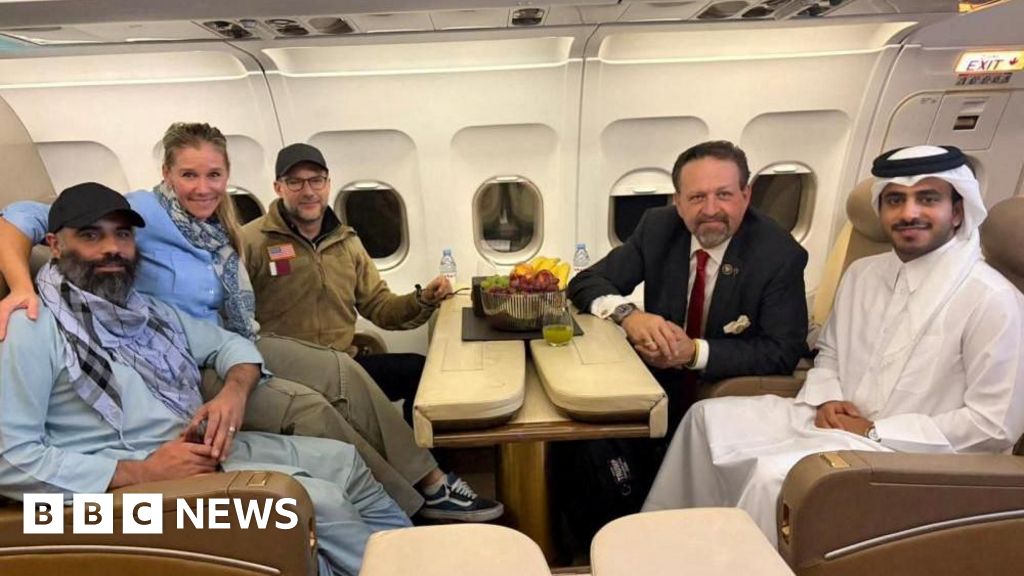
U.S. Teen Freed by Taliban After Nine Months Behind Bars

In a development that underscores the fragile yet persistent thread of diplomacy woven into Afghanistan’s tumultuous landscape, Qatar has successfully facilitated the release of Amir Amiry, a US citizen held hostage by the Taliban for nine months. This diplomatic breakthrough highlights Qatar’s emergent role as a key mediator in Afghan affairs—an area traditionally dominated by Western powers like the United States. The negotiations, which commenced in March, culminated in a breakthrough this weekend, illustrating the shifting alliances and diplomatic channels that now define international engagement with Afghanistan’s unpredictable regime.

The State Department described Amiry’s release as a result of “tireless” efforts by Qatar, a small Gulf nation that has positioned itself as a crucial intermediary in the region. Such efforts are increasingly pivotal, given the U.S. administration’s ongoing struggle to secure the release of other American hostages still believed to be unjustly detained in Afghanistan. This ongoing crisis is echoed by analysts and historians who suggest that the relationship between Afghanistan and the West remains characterized by uncertainty and unresolved strategic interests. The U.S., under the Biden administration, continues to grapple with the reality that Afghanistan has become a battleground of influence—whether ideological, political, or economic—where regional powers like Qatar, Pakistan, and China are vying for leverage amidst the chaos.

Significantly, the recent prisoner swap in January saw the U.S. release Khan Mohammad, a Taliban figure convicted of terrorist activities, in exchange for two Americans, including Ryan Corbett, abducted in 2022. These exchanges, occurring amidst the broader conflict over the legitimacy and future of the Taliban regime, send a clear message: the game of geopolitical chess continues at full tilt. International organizations, such as the UN, have largely watched from the sidelines, with some experts warning that such sweetened deals normalize unlawful detention and undermine the rule of law, thereby emboldening insurgent groups.

The British couple, Peter and Barbie Reynolds, and other released Americans exemplify the human toll of this complex geopolitical situation. Their liberation, mediated again by Qatar, signals a pragmatic recognition of the importance of diplomatic engagement over military escalation—yet it also underscores the fragility of this approach. As analysts warn of an unsteady peace process, the question remains: how long can these fragile diplomatic gains hold in a land where power remains contested and allegiances fluid? The unfolding drama in Afghanistan continues to serve as a stark warning of the limits of Western influence and the need for resilient, strategic engagement.

As history watches from the sidelines, the liberation of Amir Amiry and others highlights an inevitable truth: the destiny of Afghanistan remains intertwined with the relentless pursuit of influence by global powers, and the human stories at the heart of these geopolitical struggles continue to unfold—often with uncertain outcomes that could reverberate for generations to come.

Social Media Auto Publish Powered By : XYZScripts.com