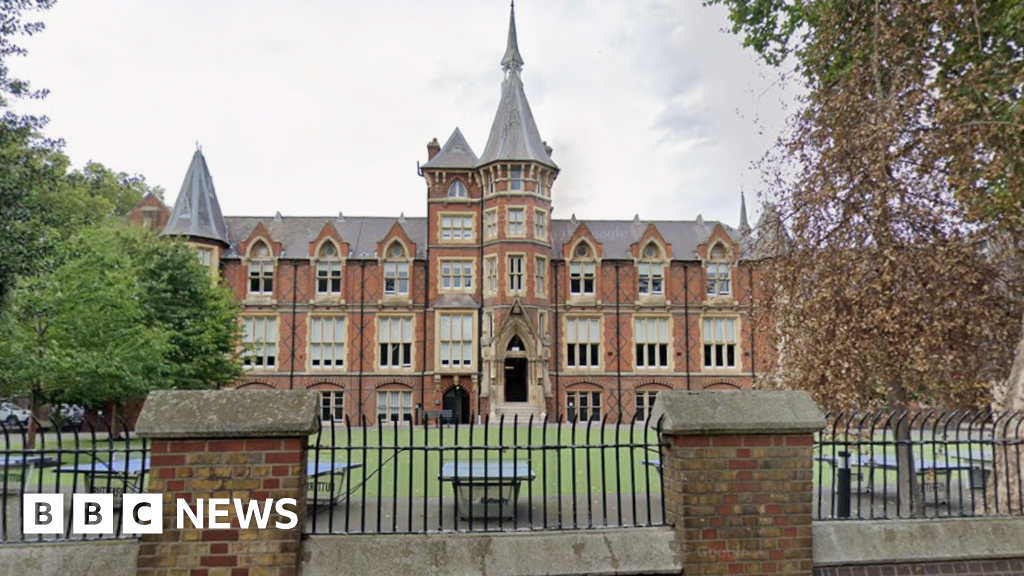
Matox News

Truth Over Trends, always!

Mossbourne School’s Impact Under Scrutiny: Some Students' Wellbeing at Risk
Mossbourne School’s Impact Under Scrutiny: Some Students’ Wellbeing at Risk

Success at a Cost: The Hidden Crisis in England’s High-Achieving Schools

In the vibrant neighborhoods of East London and the heart of Hackney, prestigious institutions like Mossbourne Victoria Park Academy (MVPA) have long celebrated remarkable academic results, exemplifying the nation’s educational ambitions. However, beneath this veneer of achievement lies a fractured cultural landscape where the wellbeing of vulnerable students is compromised in the pursuit of excellence. An independent safeguarding review has exposed troubling practices—shouting, public humiliation, unequal sanctions—that threaten the very fabric of community trust and family stability. This crisis underscores a disturbing trend: when schools prioritize discipline and academic performance over dignity and human rights, it is families and communities who bear the invisible scars.

The report reveals that these high standards have exacted a heavy toll on some of the most vulnerable pupils. Students with special educational needs and disabilities (Send) have been disproportionately sanctioned for behaviors linked to their conditions, creating a climate of fear that can haunt young minds long after they leave the classroom. Feelings of anxiety, shame, and trauma are amplified in environments where public reprimands overshadow empathy. Sociologists like Dr. Robert Putnam warn that social cohesion erodes when institutions foster a culture of control rooted in austerity rather than compassion. Families, especially those from underrepresented communities, are reporting difficulty in having their concerns acknowledged, further fueling societal divisions and distrust.

Among the most alarming findings are practices such as

  • routine shouting
  • public deskings for minor issues
  • disciplinary measures applied unfairly to pupils based on ethnicity or special needs

. These behaviors create what Jim Gamble, chair of the City & Hackney Safeguarding Children Partnership, describes as a “climate of fear” that stifles healthy development and erodes the moral fabric of educational environments. While MVPA’s academic reputation remains high, critics like historian Dr. David Gilman argue that such success, achieved through rigid and inflexible discipline systems, risks sacrificing the fundamental human dignity of students. As Sir Alan Wood, a prominent social commentator, remarks, “Success, but not for all, is merely a hollow victory if it is built on trauma.” Achieving excellence must mean fostering resilience and respect, not fear and compliance.”

Finally, the societal implications extend beyond school walls. The families affected report feeling ignored or silenced; some families even describe walking away from their parental rights in frustration, while teachers recount a culture where empathy is discouraged and blame prevails. Meanwhile, authorities like Hackney Council and the Department for Education recognize that this is a moment of crisis—an urgent call to re-evaluate not only disciplinary practices, but also the core values upon which society’s future depends. As the nation confronts this uncomfortable truth, the question remains: can we rebuild education rooted in respect, duty of care, and community trust? Or will we continue to allow the triumphs of test scores to conceal the scars of unchecked authority, leaving future generations to navigate the shadows of a divided society?

In the quiet moments of reflection, society faces the profound challenge: to ask whether our brightest institutions are truly illuminating the path to a humane and equitable future, or merely shining falsely on a broken foundation. As society’s caretakers and young changemakers look toward horizons filled with uncertainty, the hope persists—a hope that from the depths of this crisis can emerge a renewed commitment to truth, compassion, and genuine excellence.
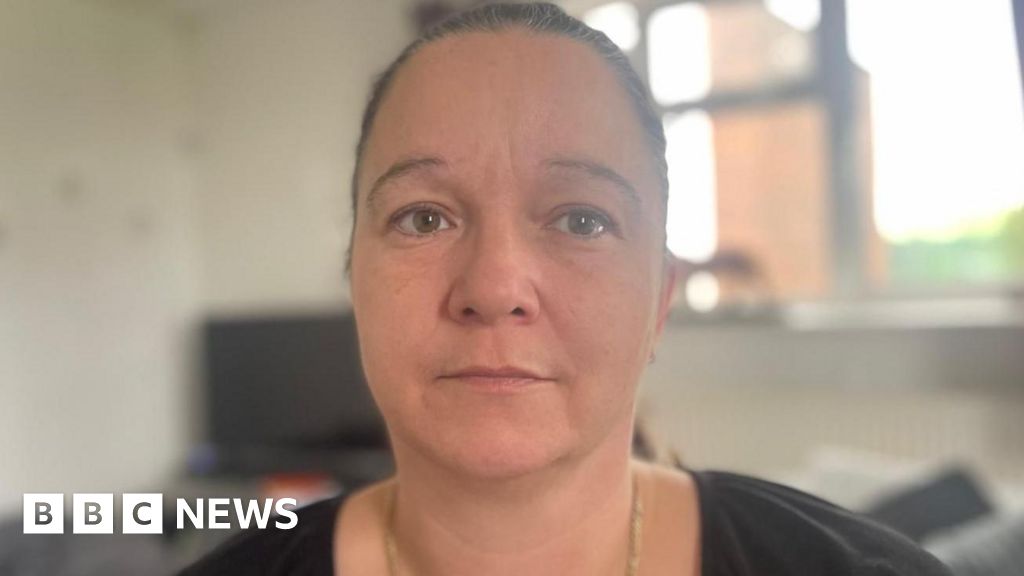

Students Opt Out of Mossbourne Federation Schools in Essex—What's Behind the Trend?
Students Opt Out of Mossbourne Federation Schools in Essex—What’s Behind the Trend?

The Impact of Educational Reforms on Families and Community Dynamics

In recent months, several communities have grappled with the tumultuous effects of a major shift in their local educational landscape. The takeover of two prominent secondary schools in Essex by the Mossbourne Federation, a highly structured and historically successful institution, has illuminated deep-seated tensions regarding educational philosophy, discipline policies, and community engagement. For many families, the upheaval signals more than administrative change; it threatens the delicate fabric of their daily lives, safety, and trust in the institutions designed to nurture future generations.

Initially lauded for decades of academic success in Hackney, the federation’s expansion into Essex promised continued excellence. However, sociologists such as Dr. Lisa Feldman and social commentators have observed that ‘strict discipline policies and rigid accountability structures often alienate families and marginalize students with additional needs’. Parents across Thurrock and Stanford-le-Hope are now voicing concerns that the schools’ new environment fosters fear and punitive practices rather than support and growth. The reported exodus of over 150 pupils since the transfer, along with accounts of inadequate communication and mishandling of individual needs, poignantly underscores how such social issues extend beyond the classroom and deeply impact family cohesion and community stability.

Social Tensions and Challenges Faced by Vulnerable Pupils

Particularly troubling are the stories of families of children with special educational needs. Becky, a mother from Stanford-le-Hope, recounts that her daughter, previously thriving, experienced support reductions under the federation’s new regime, leading to heightened anxiety and a sense of abandonment. This pattern aligns with broader concerns raised by social critics that ‘overemphasis on uniform discipline and control undermines the welfare of vulnerable students’. Likewise, Louise Butcher’s account of her son’s severe allergies being mishandled and subsequent disciplinary sanctions circulating a narrative where human health and dignity appear secondary to strict adherence to school policies.

  • Families report increased incidents of punitive measures for minor infractions, marginalizing pupils’ mental health and fostering a climate of fear.
  • Communication gaps between parents and school staff leave concerns unaddressed, creating mistrust and leading to home tutoring and withdrawal.
  • Special needs provisions are often reduced or inconsistently applied, threatening the inclusive ethos that schools should promote.

Experts have long warned that such rigid policy enforcement, especially when inadequately communicated or adapted, can exacerbate existing inequalities and fracture the vital relationship between families and educational institutions. Sociologist Dr. Margaret Stevens highlights that ‘schools, as societal microcosms, reflect and amplify broader social tensions, especially when disciplinary regimes overshadow human-centric approaches’.

Pathways Towards Societal and Educational Renewal

Despite the stark realities faced by many, there exists a hope for societal renewal rooted in community resilience, honest dialogue, and reform. The federation claims to be committed to addressing communication failures and improving individual support plans, yet the challenge remains: how can these institutions rebuild trust and ensure that families are supported, children are safe, and communities are restored? The answer hinges on adopting flexible, transparent, and human-centered policies that prioritize collective well-being over rigid control.

As historian Dr. Keith Miller notes, ‘True societal transformation requires humility and openness from those wielding authority, and a recognition that social stability is rooted not in uniformity but in diversity, compassion, and participation.’ The stories emerging from Essex serve as a poignant reminder that behind every statistic, every withdrawal, familial concern, and social tension is a human story waiting for compassion and understanding. Society’s enduring challenge—and its greatest hope—is to foster environments where social justice, moral integrity, and community cohesion can flourish from the ashes of discord, guiding society towards a future driven by shared purpose and renewed trust.

Social Media Auto Publish Powered By : XYZScripts.com


