Matox News

Truth Over Trends, always!

Tragic blaze at Bosnian retirement home leaves 11 dead—safety concerns mount for seniors

The recent fire at a nursing home in Tuzla, Bosnia-Herzegovina, represents a tragic flashpoint in the region, claiming the lives of 11 innocent souls and injuring at least 30 others. This disaster not only highlights the devastating toll such incidents take on local communities but also underscores the pressing need for international attention to safety standards in vulnerable institutions across Eastern Europe. The blaze, which erupted late Tuesday night on the seventh floor of the facility, has prompted widespread condemnation from regional leaders and international observers, raising serious questions about oversight and preparedness in a nation trying to stabilize amid political and economic challenges.

Authorities have yet to determine the exact cause of the fire, but Prime Minister Nermin Nikšić described it as “a disaster of enormous proportions”. The incident has ignited concerns about the infrastructural vulnerabilities that plague many post-conflict societies, where neglect or insufficient regulation can turn private tragedies into national crises. With footage showing flames engulfing upper floors and residents desperately fleeing, the incident underscores the urgent need for comprehensive reform — a point echoed by international agencies such as the United Nations Humanitarian Office. These organizations often warn that such tragedies may become more frequent without decisive improvements in safety standards.

Analysts emphasize how this event exposes the fragile state of Bosnia-Herzegovina’s social services amidst political instability. Historian Marko Petrovic notes that “post-war governance has neglected essential social infrastructure,” with many facilities operating under outdated regulations. The incident is a stark reminder that decisions made today will shape the social fabric of tomorrow. As the government initiates a full investigation, questions swirl about regulatory lapses and accountability. The tripartite presidency of Bosnia-Herzegovina has offered condolences; yet, some experts warn that until systemic reforms are implemented, similar tragedies are likely to recur, shaking public confidence in national leadership.

Ultimately, the fire at Tuzla’s nursing home exemplifies how local disasters ripple outward, influencing geopolitical stability and international perceptions of Bosnia-Herzegovina. As the nation grapples with internal struggles, this tragedy becomes a symbol of the wider human cost inflicted by neglect and systemic failure. Will this be a turning point or a mere chapter in a persistent pattern of crisis? It is a question that history now watches, waiting to see if the lessons of Tuzla will be heeded or lost amidst ongoing political tumult. In a world where the fragile threads holding societies together can unravel in moments, the weight of history presses ever heavier — holding the future of Bosnia-Herzegovina and its people in the delicate balance of remembrance and reform.

Victorian climbers question ban on Mount Arapiles Indigenous sites: "Are they really going to chase us away?"
Victorian climbers question ban on Mount Arapiles Indigenous sites: “Are they really going to chase us away?”

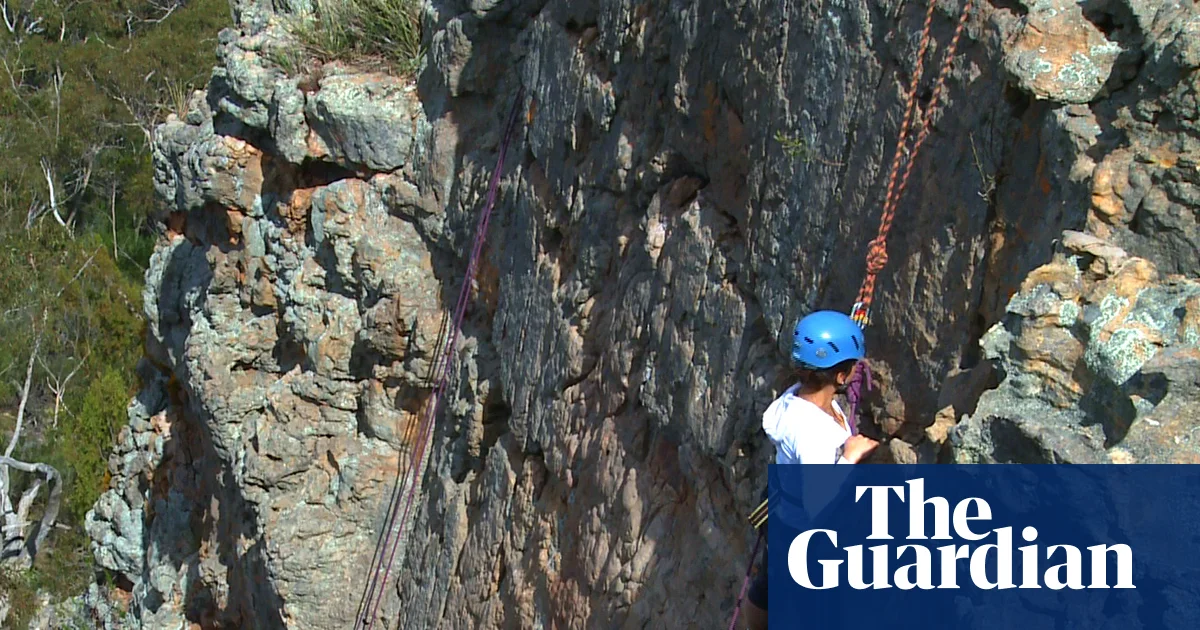
In a striking display of international tensions over land use, the ongoing controversy surrounding rock climbing in Victoria, Australia underscores a broader geopolitical debate over the recognition and respect of Indigenous heritage versus individual freedoms and recreational pursuits. At the heart of this dispute lies Mount Arapiles, a globally renowned climbing destination, which is also a site of immense cultural significance containing ancient rock art and artefacts dating back over 3,000 years. Despite governmental efforts to curb access—through voluntary bans and proposed legal restrictions—climbers, backed by passionate communities, continue to challenge these measures, highlighting the deep rift between cultural preservation and personal passion.

This spat isn’t just about climbing; it echoes worldwide conflicts over preservation of Indigenous sites and sovereignty. Australia’s Dyurrite region, as highlighted by officials from Parks Victoria, is teeming with tens of thousands of artefacts and a giant Indigenous stone quarry complex, demanding a nuanced management response. The state government’s proposal to amend the management plan, possibly leading to a full ban on climbing in key areas, has ignited fierce opposition. According to a recent consultation, involving over 1,000 voices—90% of whom are climbers—there’s a palpable sense of loss within the community. Many see restrictions as a dismissal of the land’s cultural and recreational importance, threatening the very soul of one of Australia’s most cherished outdoor pursuits. Analysts like Dr. John Edwards, a cultural historian, warn that such measures risk alienating local communities and emboldening anti-heritage sentiment, if not carefully balanced with meaningful respect for Indigenous rights.

The international impact of this conflict extends beyond the borders of Australia. As debates about Indigenous sovereignty and land rights intensify worldwide—spanning regions from North America to Africa—this saga serves as a proxy battleground for global discussions. The decisions made here could influence international policies on cultural heritage management, highlighting the delicate diplomacy necessary to navigate conflicting interests. The dispute at Mount Arapiles also exposes the potential for international organizations like UNESCO to step into the fray, urging governments to handle such matters with respect, transparency, and inclusivity. Meanwhile, climbing communities, inspired by stories of Indigenous resilience and ecological importance, are mobilizing with increased vigor, urging policymakers to reconsider restrictions.

As the struggle deepens, the climbers’ defiance stands as a testament to a broader cultural movement questioning not just land use, but the very nature of freedom and heritage in a globalized world. Despite official claims that “the great outdoors are to be experienced and admired, not locked away,” the fierce determination of activists and climbers alike magnifies the weight of historical responsibility and the enduring clash of values. With each new protest and legal challenge, history continues its relentless march, leaving the world to face the enduring question: can a nation honor its ancient past without sacrificing its modern pursuits? As the future of Mount Arapiles hangs in the balance, so too does the message that the decisions made today will echo through generations—defining the cultural landscape of tomorrow amid the echoes of history’s unfolding narrative.

Discord warns: ID photos of 70,000 users may be leaked—security concerns mount for young users

Discord Data Leak: A Symptom of Broader Cybersecurity Challenges

The recent cyber incident involving Discord, a social platform with over 200 million users worldwide, underscores a pressing reality faced by nations, corporations, and societies in the digital age. The platform disclosed that approximately 70,000 users had their personal information and partial credit card details leaked. Although officials confirmed that the core platform was not compromised, the breach involved a third-party vendor responsible for age verification, revealing vulnerabilities in what is often considered “the digital frontier of the 21st century.” This incident exemplifies the escalating arms race between cybercriminals and security agencies, where hackers increasingly target auxiliary systems exploiting their less robust defenses.

International analysts and cybersecurity experts widely agree that such breaches are not isolated but part of a broader pattern impacting all sectors and regions. Recent investigations suggest that cybercriminals are relentless in their pursuit of lucrative data, which can command premium prices on the black market. These illicit markets facilitate scams, identity theft, and financial fraud, threatening not only individual users but also national security. Recognized organizations, including INTERPOL and EUROPOL, warn that the proliferation of such cyber threats could destabilize digital economies and undermine public trust in international institutions. The United States and other Western nations have responded by accelerating efforts to bolster cybersecurity resilience, but adversaries continue to find new vectors of attack.

Critics of current cybersecurity measures highlight that patching vulnerabilities in third-party vendors is no longer sufficient. Instead, they call for a comprehensive overhaul of digital infrastructure, emphasizing the importance of stringent vetting and continuous monitoring. Cybersecurity analysts warn that if nations fail to address these systemic weaknesses, the risk of a sustained cyber arms race becomes inevitable, with consequences comparable to traditional conflicts. Meanwhile, some experts claim that data breaches, such as this one with Discord, are just a precursor to more large-scale attacks targeting critical infrastructure and governmental networks in the coming years.

As nations grapple with balancing technological innovation and security, the geopolitical impact of such cyber incidents is profound. Countries that lead in cybersecurity technology and strategy secure advantages in international diplomacy and economic stability, while those caught unprepared risk becoming vulnerable targets or pawns in broader geopolitical chess. Historians warn that recent lapses in digital security could leave a lasting scar on the fabric of international relations, as cyber conflicts increasingly intertwine with traditional diplomacy. With the digital battleground extending beyond borders and ideologies, the world stands at a crossroads where every data breach could be the spark igniting a new era of conflict. As the weight of this unfolding history bears down, the question remains: will global power structures adapt swiftly enough to prevent chaos, or will they be overwhelmed as the digital age’s darker side emerges from the shadows?

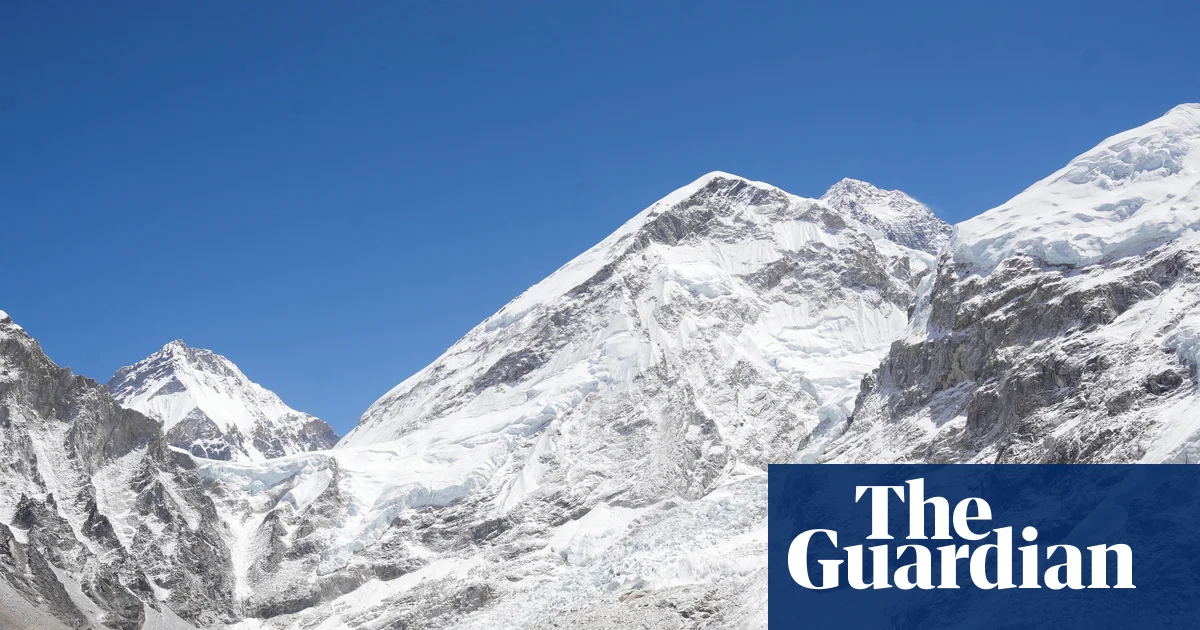
Mount Everest rescue underway as snowstorm traps nearly 1,000 climbers—urgent response in action

Amidst the rugged terrains of the Himalayas, recent natural disasters have spotlighted the fragile balance between climate change and geopolitical stability. In China, rescue efforts are ongoing to save nearly 1,000 trekkers stranded on the eastern slopes of Mount Everest following a severe snowstorm. The incident underscores the increasing unpredictability of weather patterns in this sensitive mountain range, which has historically served as a symbol of international adventure and aspiration. According to Chinese state media, hundreds of visitors seized the opportunity of an extended Chinese National Day holiday to visit the remote valley of Karma, leading many into peril as heavy snowfall rooted them in place. The response by local authorities demonstrates a critical coordination of resources, yet it also highlights vulnerabilities in managing the swelling influx of tourists amid changing climatic conditions.

The disruption in Tibet’s eastern face serves as a stark warning to the international community. The Himalayas are not only a geographic boundary but also a hotly contested locus of strategic importance, especially when environmental shifts produce dramatic events such as landslides and avalanches. Since the snowstorm struck, over 350 individuals have been safely relocated to the township of Qudang, with authorities working tirelessly to reach those still unaccounted for. Such incidents expose how nations like China and its neighbors are increasingly affected by climate fluctuations that threaten human safety and economic stability. The timing—during the peak tourist season—raises questions about the unprecedented challenges faced by nations tasked with safeguarding both their citizens and their international reputation from natural calamities driven by global warming.

On the southern side of Tibet, in Nepal, the story is equally troubling. Heavy rains since Friday have caused devastating landslides and flash floods, claiming at least 47 lives across the country. The destruction of critical infrastructure—roads, bridges, and even entire villages—has further isolated communities and complicated rescue efforts. This chain of events exemplifies how climate-induced extremes are reshaping the Himalayan geopolitical landscape, potentially fueling tensions between nations over resource access and disaster management. Analysts from the United Nations Environment Programme warn that these catastrophes may worsen as climate change accelerates, transforming the mountain region into a precarious geopolitical chessboard where local vulnerabilities intertwine with international interests.

Indeed, what is unfolding in these mountain corridors underscores a key **geopolitical impact**: the increasing importance of environmental security in international relations. Countries bordering Tibet—India, Nepal, and China—must navigate complex dynamics shaped by natural disasters and climate adaptation. The incidents on Everest and in Nepal could serve as catalysts for greater cooperation or rivalry, depending on how nations respond to shared vulnerabilities. The importance of multinational frameworks—like the underperforming Regional Himalayan Climate Initiative—becomes ever more evident as the region faces a new reality where natural calamities threaten to exacerbate existing geopolitical tensions.

As these events unfold with relentless force, the question remains: how will the Himalayan powers adapt to an increasingly unpredictable environment? Will they unite to forge resilient solutions or succumb to the chaos that climate change is unleashing upon this vital geopolitical nexus? With the weight of history pressing upon their shoulders, the nations of the Himalayas stand at a crossroads—where decisions made today will shape not just the future of their peoples but also the stability of an entire region. The mounting crises remind us that the Himalayas are more than just a majestic backdrop—they are a barometer of global health, and the current turbulence signals that humanity must confront the profound implications of an earth pushed to its environmental limits. As rescue efforts continue and nature’s fury remains unabated, the unfolding story of the Himalayas will be etched into the annals of history—an enduring testament to the indomitable resilience or inevitable decline of nations caught in the grip of Earth’s changing climate.

Social Media Auto Publish Powered By : XYZScripts.com