Matox News

Truth Over Trends, always!

British teen loses life in fresh Alps avalanche—another tragedy hits the mountains

Fatal Avalanche Incidents in French Alps Signal Broader Geopolitical Shifts

Recent tragedies in the French Alps—where three British nationals and a Polish citizen lost their lives in separate avalanches—have cast a stark light on the growing risks and international implications stemming from climatic shifts and regional stability. The deadly incidents occurred in the rugged terrains near La Grave and Val d’Isère, with authorities confirming that high avalanche risks prompted warnings from Meteo-France amid warming temperatures. While ostensibly local tragedies, these events underscore an important and often-overlooked dimension of today’s global climate and geopolitical landscape.

Experts and analysts are increasingly warning that the rising frequency and severity of such natural disasters serve as a predictable consequence of climate change, which has been fueled by ongoing geopolitical tensions and environmental neglect. The British Foreign Office has publicly supported the families of those who perished, illustrating the international repercussions and diplomatic concerns triggered by these incidents. Yet beneath the surface, these avalanches are emblematic of a larger threat—how environmental vulnerabilities threaten the stability of nations and the safety of travelers in regions often considered recreational sanctuaries. As the United Nations and various climate watchdogs highlight the persistent risks, there is an urgent call for nations to adopt more resilient and coordinated responses.

Regional Instability and the Broader Geopolitical Impact

The incidents come at a time when Europe faces multifaceted security and economic challenges, including the ongoing repercussions of the Ukraine conflict and rising energy tensions. The Alps, a vital geographical corridor spanning multiple nations, has historically been a neutral zone for diplomacy and trade. However, recent climate-related disturbances threaten to destabilize regional cooperation, especially as nations scramble for resources, security, and resilience. European nations are increasingly concerned about environmental disasters exacerbating political fractures, with some analysts warning that climate-induced catastrophes could become catalysts for broader destabilization.

Within this context, international institutions such as the European Union and NATO are under pressure to formulate comprehensive strategies addressing climate vulnerabilities, including disaster preparedness and cross-border rescue cooperation. As noted by geopolitical strategist Dr. Martin Hughes, “these natural events are more than isolated accidents—they are symptoms of a world where environmental sustainability and national security are inextricably linked.” The current avalanches serve as a painful reminder that climate resilience isn’t just an environmental issue, but a fundamental aspect of national stability and international diplomacy.

How Nations and Societies Are Affected

The violence of nature forces societies to grapple with loss, economic strain, and the complex task of safeguarding their citizens. The United Kingdom, through its Foreign Office, has emphasized support for the families of victims, yet the incidents also raise questions about how effectively nations are preparing for environmental disasters that threaten tourism, infrastructure, and public safety. With high-risk warnings remaining in effect and seasonal thawing expected to intensify, the danger persists. As climate events continue to escalate, societies face the challenge of balancing economic reliance on alpine tourism with the urgent need for safety and environmental stewardship.

In the words of international environmental analysts, “This is a societal wake-up call—climate change is no longer a distant threat but an immediate crisis impacting human lives and international stability.” How governments respond in the coming months will shape regional relations and the credibility of their commitments to environmental preservation and disaster management. The events in French Alps are not isolated; they are part of a pattern that demands urgent global attention and action, lest history record a time when humanity watched helplessly as natural calamities tore through the fabric of society, leaving devastation in their wake.

Conclusion: The Unfolding Saga of Earth and Power

As the echoes of mountain avalanches fade into memory, they linger as a grim reminder that the interplay of environmental and geopolitical forces is accelerating with unprecedented ferocity. The tragedies in the French Alps embody a broader narrative—one of a world at the mercy of forces both natural and man-made, where borders and alliances are tested by the changing climate and shifting global power dynamics. The coming chapters of this unfolding story will be written by decisions made today: choices that could either mitigate catastrophe or deepen the divide. The weight of history presses down, heavy with the realization that, in our pursuit of prosperity and dominance, we have often overlooked the fragile forces that sustain life on Earth—forces that, if left unchecked, threaten to rewrite the boundaries of land, power, and human destiny.
Australia Faces Key Fight Over State Health Funding, Teen’s Body Found After Blue Mountains Camping

As the global landscape reels with shifting alliances and rising tensions, Australia finds itself at a pivotal crossroads, where internal politics threaten to ripple across the world stage. In the midst of negotiations over critical national issues such as health funding, aged care, and gun control, decision-makers in Canberra are making choices that could redefine Australia’s geopolitical stance for decades to come. Recent reports highlight a flurry of activity in the National Cabinet, as leaders grapple with a complex web of domestic challenges that hold profound implications beyond their borders.

The ongoing negotiations over the health funding deal underscore a larger theme of national sovereignty and resilience. Prime Minister Anthony Albanese and his cabinet are under pressure to secure an agreement that balances fiscal responsibility with the urgent needs of Australia’s health system. The proposed delay in launching new programs, such as the autism intervention under the NDIS, signifies an attempt to buy time in a climate of fiscal strain and political brinkmanship. Such decisions, analysts argue, reflect a broader strategic calculus that may influence Australia’s role in regional security and economic stability, especially as rival powers like China and Russia continue to expand their influence in the Indo-Pacific.

Meanwhile, the alarm over aged care shortages and misuse of funding reveals underlying tensions within Australian society that echo wider global concerns about social stability and human rights. Reports of prolonged wait times—up to 245 days for in-home care—highlight the failure to meet basic societal obligations, sparking sharp criticism from opposition parties and international observers alike. The scandal surrounding the unauthorized use of restrictive practices against NDIS participants exposes a severe failure in safeguarding vulnerable populations, a crisis that echoes similar issues in various Western nations. These domestic failures threaten to undermine Australia’s diplomatic standing, as allies and adversaries alike scrutinize how internal policies shape its commitments to international standards.

Furthermore, the debate surrounding the federal government’s approaching gun buyback scheme exposes the delicate balance of sovereignty and security. Albanese’s push for a comprehensive program costing hundreds of millions faces resistance from regions like Queensland and the Northern Territory, complicating efforts to present a unified front on national security. This internal discord risks emboldening international actors who interpret Australia’s divisiveness as a sign of political fragility—an unintended signal in an era of rising geopolitical instability. As historians warn, such internal divisions could weaken Australia’s capacity to act decisively in regional conflicts and global crises, thereby fostering a perception of vacillation at a time when strong leadership is desperately needed.

Every decision in Canberra resonates beyond its shores, shaping the very fabric of international diplomacy and conflict. Nations watch closely as Australia contends with internal crises that threaten to spill over and influence regional power dynamics. From escalating health crises to security gambits, the choices made by Australia’s leadership may well determine whether the continent remains a pillar of stability or succumbs to internal discord that invites opportunism from rivals. The weight of history presses heavily upon this nation, whose trajectory now hinges on the resolve to prioritize national interests in a world teetering on the edge of chaos. The unfolding saga remains a stark reminder: in the theater of geopolitics, the stakes have never been higher, and the future is written in the decisions of today.

Avalanche in Italy claims five lives, including father and daughter—tragedy strikes the mountains

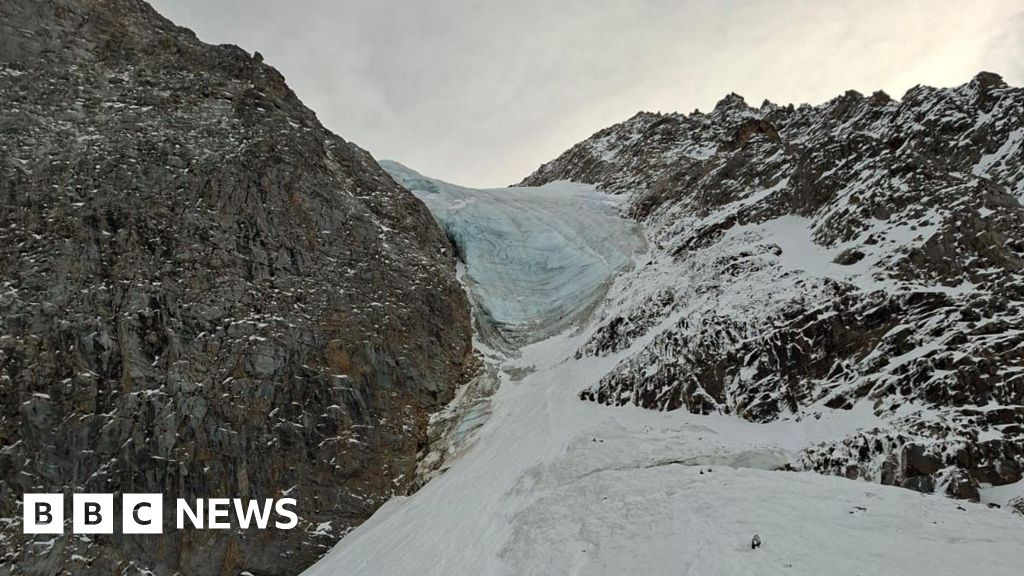
The recent avalanche tragedy in Italy’s Dolomite mountains has cast a stark light on the growing dangers posed by shifting climatic conditions in iconic alpine regions. Five German mountaineers, including a 17-year-old girl and her father, lost their lives amid a sudden and destructive snowslide on Cima Vertana in the spectacular yet perilous Ortler Alps. This incident underscores the multilateral risks confronting modern mountain sports, even as thousands of enthusiasts continue to pursue adventure in these treacherous terrains. The event has ignited alarm within international mountaineering circles and has prompted urgent questions about how climate anomalies are magnifying the risks faced by climbers worldwide.

According to rescue officials, the avalanche was likely triggered by recent snowdrifts that had failed to bond with the underlying ice, a phenomena increasingly associated with the unpredictable impacts of climate change. Olaf Reinstadler, spokesperson for the Sulden Mountain Rescue Service, pointed out that weather conditions had been generally favorable, yet the timing of the climbers’ ascent—late in the afternoon—may have contributed to the tragedy. This detail raises questions about safety protocols and the decision-making processes of climbers venturing into high-risk terrain when visibility and daylight are waning. As rescue efforts resumed after initial delays caused by fog and low visibility, the bodies of the father and daughter were recovered at 2,600 meters, leaving the international community to grapple with the implications of such incidents amid a changing climate.

The geopolitical impact of rising mountain hazards extends beyond individual tragedies, affecting tourism, regional economies, and international perceptions of risk. The European Union, along with regional authorities, must grapple with how to adapt mountaineering safety standards in light of climate irregularities and unpredictable weather patterns. These events have sparked debate among environmental analysts and historians—some warn that the allure of mountain adventure may be increasingly overshadowed by danger, calling for tighter regulations and better forecasting tools. Organizations such as the United Nations Environmental Programme have emphasized the pressing need to consider the broader environmental shifts contributing to such disasters, framing climate change as a threat to human safety and cultural heritage in alpine zones.

As the echoes of this tragedy fade into memory, the unfolding story of climate variability and human resilience continues to write itself into the annals of history. The mountain’s silent verdict — a reminder that uncontrolled natural forces are reshaping our world — hangs heavy over Europe, urging nations and communities to reconsider how they coexist with the increasingly unpredictable natural landscape. Each rescue mission, each loss, pushes this narrative forward: the question of how society can adapt and survive in a world where even the majesty of the mountains can turn deadly in a heartbeat.

Social Media Auto Publish Powered By : XYZScripts.com



