
Matox News

Truth Over Trends, always!

Police Investigate New Allegation Linking Andrew Mountbatten-Windsor to Epstein

In what continues to be a defining chapter for the British royal family, fresh allegations connecting Prince Andrew to Jeffrey Epstein’s nefarious activities threaten the very fabric of the monarchy’s credibility. As British police scrutinize claims that Epstein facilitated sexual encounters with the former prince—a revelation that surfaced amid the release of classified US Department of Justice documents—the international community watches with a mix of skepticism and concern. The recent move of Prince Andrew out of the Royal Lodge to a temporary residence on the Sandringham Estate underscores internal royal turmoil and a diminishing reputation that impacts global perceptions of Britain’s aristocracy. Such disclosures, amplified through leaked emails and photographs, spotlight the broader uprising of criminal investigations into elite power and the potential for scandal to ripple beyond national borders.

  • Allegations suggest Epstein’s operatives, including Jeffrey Epstein himself, may have trafficked women, including a woman claiming she was taken to Windsor in 2010 for sex with Prince Andrew.
  • US documents reveal disturbing correspondence and photographs linking the royal to Epstein’s circles, raising questions about the extent of royal-corporate-elite collusions.
  • While Thames Valley Police assess the allegations, critics argue that in the face of formidable international scrutiny, the royal family’s reputation is irrevocably compromised, threatening the UK’s political and social stability.

Historically, Britain’s monarchy has wielded soft power, symbolizing stability and tradition. Yet, these recent revelations threaten to fracture that narrative, inviting international skepticism about the accountability of the aristocracy. Many analysts suggest that, in an era driven by transparency and social justice, the royal family’s staunch secrecy only fuels suspicion. The United States has intensified its investigations, releasing over 3 million Epstein-related documents hinting at clandestine networks tying corporate, political, and high-society figures together. The release includes email references to Mountbatten-Windsor and his ex-wife, Sarah Ferguson, revealing continued contact with Epstein immediately after his 2010 house arrest—undermining official denials of involvement. Such evidence stokes fears that even the most established institutions may harbor complicity in the face of unchecked power.

As the international community grapples with the implications, voices within the UK and beyond warn of broader geopolitical fallout. The scandals threaten to weaken the soft diplomatic influence traditionally associated with the monarchy and raise questions about the unchecked freedoms of a class that often operates beyond scrutiny. As historian Dr. Gerald Matthews notes, “The royal family’s survival increasingly depends on its ability to adapt to the demands of accountability—failures here could usher in decades of decline.” Meanwhile, British lawmakers face mounting pressure to reevaluate the monarchy’s role amidst accusations of complicity and cover-up. Still, the defining fate of this scandal remains unresolved, casting a shadow over Britain’s image on the world stage. Will this be a turning point or merely another chapter in a long, tangled history of aristocratic excess? The answer may well determine the future trajectory of Britain’s place in an ever-changing international order.

As history continues to unfold, the weight of unresolved charges, leaked evidence, and shifting allegiances stands as a stark reminder that no institution, no matter how ascendant, can escape the relentless tide of truth. The spotlight now falls on elements larger than individual corruption—the fundamental questions of justice, morality, and the integrity of power itself. With every revelation, the world seems to hold its breath, waiting for the murmur of justice to swell into a clarion call that reshapes the landscape of global influence—an ongoing struggle where today’s secrets are tomorrow’s upheavals, and history’s verdict awaits in the shadows of the present.
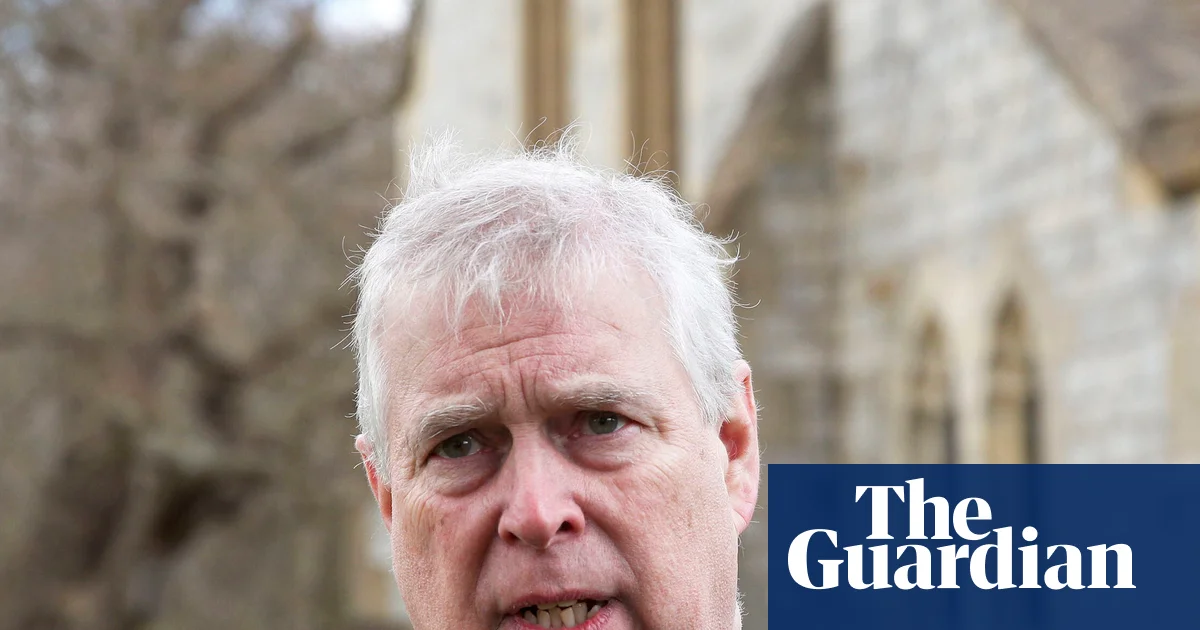
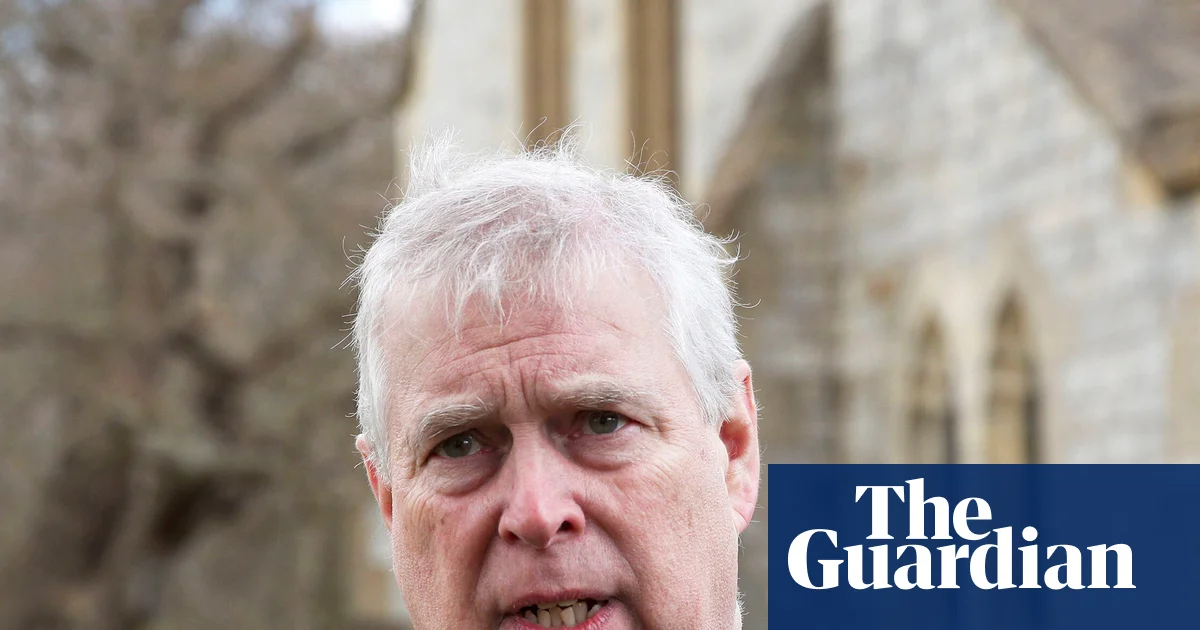
Prince Andrew becomes the punchline in this year’s top Christmas cracker joke—Andrew Mountbatten-Windsor strikes again

As the world approaches the end of 2023, the geopolitical landscape remains a tapestry of dramatic shifts, contentious conflicts, and cultural upheavals. This year has underscored the profound ways in which internal political shifts and international decisions ripple across nations, societies, and global institutions. Each headline, each political joke or scandal, encapsulates a broader narrative of a world grappling with the consequences of leadership struggles, cultural transformations, and the relentless march of history. Equally, the public’s humorous reflection on these serious matters—be it via satire or satire-like jokes—serves as a testament to the tension between authority and societal sentiment.

The decline of Prince Andrew symbolized more than just a royal scandal; it became a reflection of shifting societal values and the diminished trust in traditional symbols of authority. This year’s humorous jabs, crowned by a popular British joke questioning why Andrew isn’t writing Christmas books because “he hasn’t got any titles,” exemplify how cultural narratives adapt to the changing perception of monarchy and privilege. The joke’s resonance signals a broader cultural shift where aristocratic power complexes no longer hold the same sway, especially among the digital-savvy youth who demand accountability and transparency. According to internationalists and historians, this erosion of old-standing figures underscores a foundational transformation in how nations and their governing institutions are viewed—less as symbols of unchangeable heritage and more as entities subject to societal scrutiny.

Furthermore, the year saw a rise in sharp humor surrounding political figures like Angela Rayner and Nigel Farage, highlighting ongoing ideological conflicts within the United Kingdom. Such satire reflects the deep divisions that continue to shape the political climate, impacting everything from domestic reforms to international diplomacy. Meanwhile, international organizations have issued warnings about the potential for political polarization to escalate into instability, emphasizing how internal decisions in one country reverberate globally. The ‘cultural pandemic’ of satire encapsulates a collective anxieties about future governance, societal cohesion, and the preservation of traditional values amidst rapid change. Analysts argue that these jokes are not mere entertainment—they are a form of societal barometer, revealing the pulse of a transformed public consciousness seeking to redefine its future pathways.

On the global stage, external shifts—such as the ongoing impacts of international conflicts and negotiations—continue to realign alliances, affect trade routes, and challenge the sovereignty of nations. The delicate balance of power that once guaranteed stability is being renegotiated, with regional conflicts and coups threatening to plunge some areas into chaos while others forge new partnerships. For instance, the recent friction in Eastern Europe and next-level engagement by superpowers illustrate a climate of strategic uncertainty. International bodies like the UN and NATO are increasingly seen as ineffective or outdated, sparking calls among many nations for new alliances and a reevaluation of global governance. This tumultuous environment amplifies the stakes for democratic nations striving to protect their sovereignty and social orders, as the “great game” of geopolitics fuels economic uncertainty and societal strain worldwide.

As history continues to unfold on a grand scale, the tension between tradition and transformation persists. The scenes of politicking, cultural shifts, and international power plays echo through the corridors of power and within the streets of countless cities, leaving the world at a crossroads. The undeniably impact of these decisions resonates far beyond the headlines: they will shape not only the geopolitical map but the societal fabric of future generations. The weight of history presses down, as leaders and citizens alike navigate this treacherous, uncharted terrain—knowing full well that the story’s next chapter remains unwritten, its destiny still hanging in the balance of global choices and collective resolve.

Met Won't Probe Andrew Over Virginia Giuffre Allegations, Says Andrew Mountbatten-Windsor
Met Won’t Probe Andrew Over Virginia Giuffre Allegations, Says Andrew Mountbatten-Windsor

The recent decision by London’s Metropolitan Police to decline a formal criminal investigation into Andrew Mountbatten-Windsor, the brother of King Charles III, marks a significant turning point in a saga that extends beyond British borders into the realm of international geopolitics and influence. Despite widespread public and media attention, the police authority firmly concluded that no sufficient evidence exists to warrant further legal action, emphasizing that investigations into allegations of trafficking and abuse linked to Jeffrey Epstein have already been reviewed multiple times over the past years. This decision not only shields a member of the British royal family but also underscores the complexities of holding powerful individuals accountable, especially those with the backing of longstanding political and institutional ties.

Much of the controversy surrounding Mountbatten-Windsor revolves around allegations presented in the 2021 lawsuit filed in the United States. Virginia Giuffre, who has since passed away, claimed her trafficker, Epstein, forced her into sexual encounters with the former prince in London and beyond when she was just 17 years old. Her sworn testimony—though not admissible in evidence posthumously—highlighted alleged systemic abuses involving prominent figures and a network of sex trafficking that has now become a political quagmire for the British monarchy. Critics within the international legal community argue that, given the gravity of the accusations, a full-fledged criminal investigation should have been pursued, especially considering that the evidence included specific claims of trafficking and coercion, which, if proven, would constitute severe violations of international law.

Nevertheless, international organizations such as the United Nations and various national law enforcement agencies have expressed cautious skepticism about the resolution in the UK. While official statements from London’s police point to the absence of new evidence, some legal analysts—like former CPS Director Nick Vamos—warning that the evidence of non-consensual acts and trafficking could be enough for a criminal investigation. The core issue, they say, lies in whether Andrew knew of her trafficking status and used his influence or connections to abuse that power. This controversy illustrates a broader theme: how global centers of power, especially those tied tightly to royal, political, or economic elites, often impede justice in highly politicized cases. International observers warn that such cases, if left unresolved, undermine _transparency_ and _accountability_—principles vital for the international rule of law.

Meanwhile, the geopolitical impact extends beyond the courtroom. Britain’s royal scandal feeds into a larger narrative about the erosion of trust in institutions—an issue that resonates across continents. As Russia, China, and other adversaries watch, they interpret the assertiveness of Western legal procedures as either a sign of accountability or, conversely, a demonstration of internal corruption shielding elite figures. Historically, such cases have been exploited by authoritarian regimes to question Western moral authority, but they also serve as a reminder of the importance of international cooperation in pursuing justice across borders. This ongoing crisis highlights how decisions made in corridors of power can ripple through international relations, impacting alliances, diplomatic credibility, and global perceptions of justice.

As the story unfolds, the weight of history presses heavily upon the public consciousness. Whether King Charles and his family emerge unscathed from this ordeal remains to be seen, but the underlying message is clear: the age-old battle between power and accountability continues unabated. In a world where influence often obscures truth, and silence can be mistaken for innocence, the pursuit of justice remains the most consequential challenge of our time. The future hinges on whether political will and legal robustness will prevail over entrenched privilege, for history is not only written by the victors but also by those who refuse to turn away from the shadows.*

Social Media Auto Publish Powered By : XYZScripts.com



