Matox News

Truth Over Trends, always!

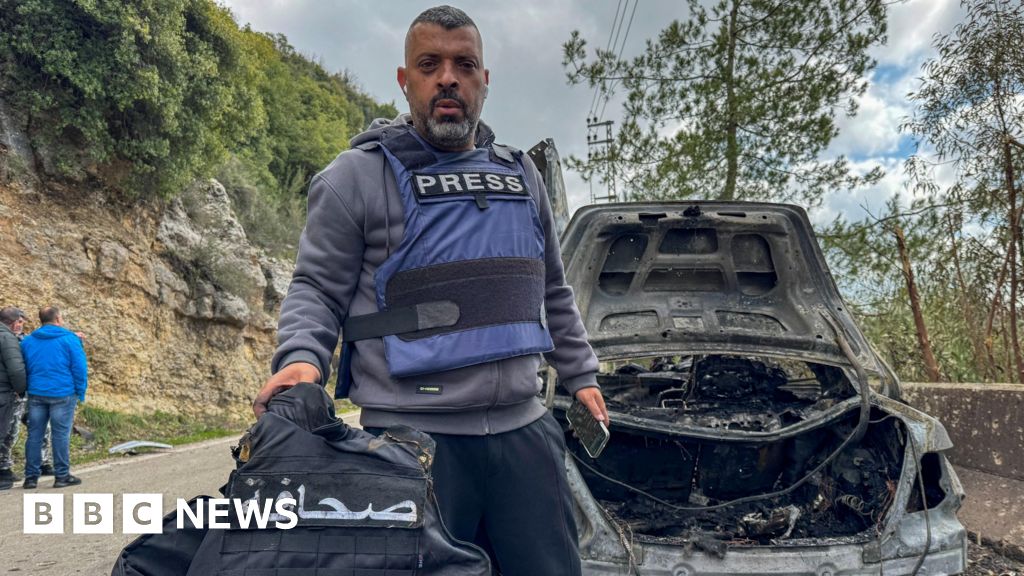
Lebanese Journalists Mourn as Israeli Strike Claims Three Lives

The recent confirmation by the Israeli military of its elimination of Ali Shoeib, a figure affiliated with Hezbollah and associated with Al Manar TV, underscores the ongoing volatility in the Middle East that continues to shape the geopolitical landscape. This event marks yet another instance of the persistent conflict between Israel and Hezbollah, a Lebanese Shia Islamist political party and militant group backed by Iran. Analysts interpret this escalation as part of an ongoing effort by Israel to weaken militant groups within Lebanon, a critical front in its broader security strategy against regional adversaries.

According to sources familiar with the operation, the targeted killing was carried out in a manner consistent with other covert missions, emphasizing precision and operational intent. Such actions often serve as a stark reminder of the relentless cycle of retaliation and preemptive strikes that define the Israeli approach to security threats. Former military commanders and geopolitical experts warn that these developments risk igniting wider confrontations, especially given Hezbollah’s fortified position along Lebanon’s border and its substantial arsenal supplied by Iran. The attack underscores the fragile balance of power in the Levant, where each act of aggression could spark a broader regional conflict.

International organizations and diplomatic analysts have sharply criticized the incident, condemning it as a destabilizing move at a time when regional stability is precariously balanced. The United Nations, which has long called for restraint and dialogue in the Middle East, remains concerned about the potential for this targeted killing to escalate into open warfare. Historically, such targeted operations have had mixed outcomes—either deterring future attacks or fueling cycles of violence that entrench mistrust and hostility.

  • The killing of Shoeib signals a turning point in Israel’s campaign to undermine Hezbollah’s influence and capabilities.
  • It comes amid rising tensions following a series of skirmishes along the Lebanon-Israel border.
  • Experts note that such actions risk broadening the regional conflict, drawing in Iran as a key backer of Hezbollah.

Many international strategists interpret these events within the context of a larger contest for influence stretching across the Middle East. Historians and security analysts frequently point out that Israel’s aggressive posture is driven by its desire to establish deterrence and limit the reach of Iran’s regional ambitions. Yet, they simultaneously warn that such policies could backfire, fueling anti-Israeli sentiment and destabilizing already fragile governments in the region. The looming question remains whether diplomacy can effectively stem the tide of violence or whether the cycle of conflict will continue to spiral out of control.

As the dust begins to settle on the latest targeted operation, the weight of history presses heavily upon the unfolding narrative of the Middle East. The region’s future is written not only in strategic military campaigns but also in the decisions of leadership, the resolve of societies, and the silent hopes for peace amid chaos. With each incident, the stakes grow higher, and the world watches with bated breath—acknowledging that these moments are not isolated, but chapters in an ongoing saga where the echoes of history threaten to reshape an entire generation’s destiny.
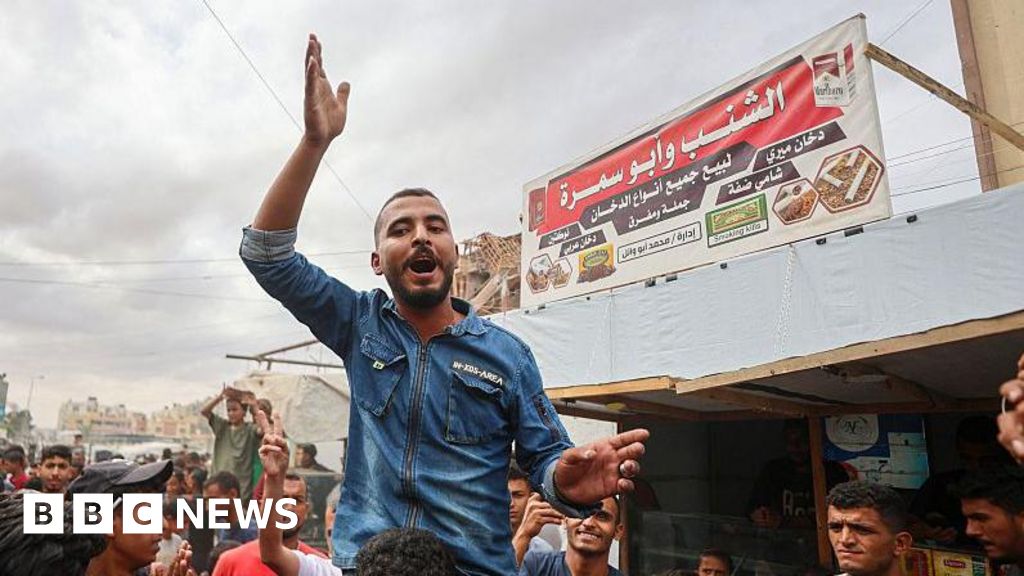

Palestinians celebrate ceasefire, but mourn ongoing pain

The Gaza Strip is witnessing a moment stained with both hope and profound sorrow, as international negotiations yield a tentative ceasefire and a landmark deal involving hostage releases. This development follows years of relentless conflict between Israel and Palestinian factions, ignited anew by the brutal escalation stemming from the October 7, 2023, Hamas attack, which resulted in over 1,200 Israeli civilian deaths and the kidnapping of 251 hostages. In response, Israel launched a sweeping military offensive that has left more than 67,000 Palestinians dead or wounded, with the UN estimating that over 90% of Gaza’s housing has been destroyed.

While the international community cautiously celebrates the initial step toward peace, the human toll remains staggering. Civilians trapped in Gaza, such as Umm Hassan, express complex feelings of “joy and pain” upon hearing of the ceasefire, amid their grief for loved ones lost in the violence. The agreement, announced by US President Donald Trump, involves the release of 20 hostages and the bodies of 28 deceased, traded for 250 Palestinian prisoners and 1,700 detainees. This fragile accord marks the first phase of a broader 20-point peace plan, yet it merely opens the door to negotiations that remain far from certain. Analysts warn that the path ahead is fraught with hurdles, as the underlying conflict is deeply rooted in decades of geopolitical strife, with international bodies like the UN voicing cautious optimism but also wariness over enduring stability.

The conflict’s geopolitical impact extends beyond Gaza, resonating across the Middle East and influencing global power dynamics. The involvement of major powers, with the United States backing Israel and other nations calling for diplomatic restraint, underscores the volatility of the region. Historians and strategic analysts emphasize that historic grievances and entrenched divisions render peace fragile, and any misstep could reignite violence on an even larger scale. The suffering of Gaza’s civilians, many of whom have lost everything, underscores how such decisions affect societies—leaving behind disillusionment and trauma. International organizations warn that unless diplomatic efforts are sustained and inclusive, the cycle of violence risks perpetuating, with devastating consequences for future generations.

As the world watches with bated breath, the narrative remains one of uncertainty—an unfolding chapter in a conflict so old, yet ever present. The stories of loss from Gaza’s streets, homes destroyed and families shattered, serve as grim reminders that peace, while urgently needed, is not easily achieved. Humanitarian voices, like Dr. Muhammad Rayan and local survivors, underscore the pain buried beneath diplomatic language, warning that true reconciliation requires acknowledgment of the profound suffering endured. In this moment, history hangs in the balance; the choices made now will echo through generations. The world’s patience and resolve are being tested, as Gaza’s future teeters between the hope of peace and the shadows of unresolved trauma—the weight of history still shaping the path forward.

Social Media Auto Publish Powered By : XYZScripts.com


