
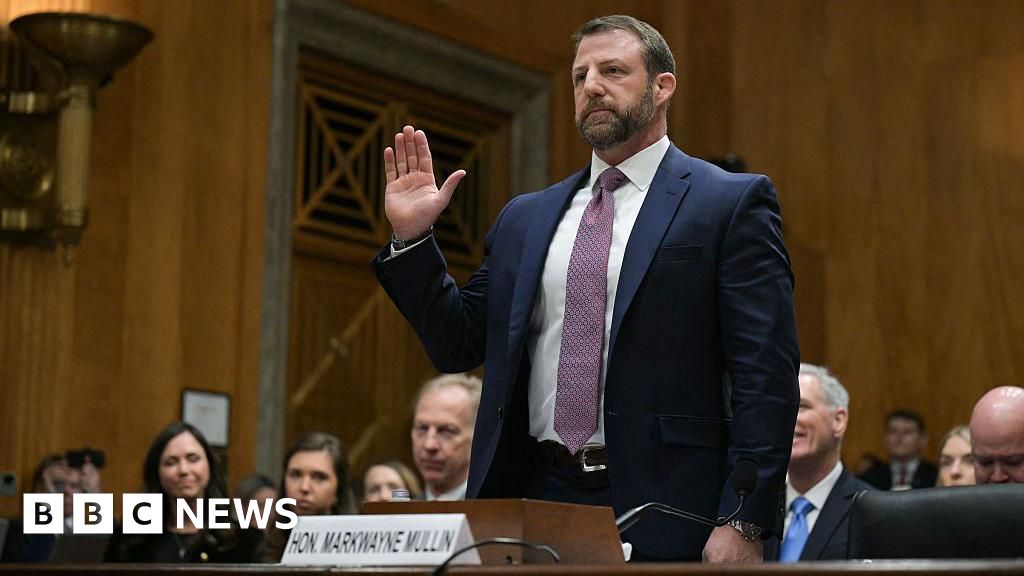

US Senator Appointed to Oversee Immigration Enforcement Amidst Crisis
In a significant shift that underscores ongoing tensions within America‘s political landscape, a prominent US senator has been tasked with overseeing the embattled Department of Homeland Security’s Immigration Enforcement division. This appointment comes after a series of costly and contentious errors that have upended the agency’s credibility, raising profound questions about national sovereignty and border security. Analysts suggest that this move is not merely an internal fix but a reflection of wider geopolitical concerns that stretch across the globe, illustrating the high stakes involved in America’s immigration policies and their ripple effects on international stability.
The recent blunders involve overreach, administrative missteps, and controversial deportation practices that have drawn ire from both domestic and international communities. According to diplomats and human rights advocates, these failures have not only tarnished the United States’ reputation as a nation of laws and order but also fueled instability in neighboring regions. Historian James McAllister points out that such internal crises can serve as catalysts for broader geopolitical shifts, shaping alliances and influencing migration patterns. By placing a seasoned senator at the helm, authorities aim to restore order, restore trust, and recalibrate the nation’s approach to immigration—key issues that resonate far beyond America’s borders.
International organizations, including the United Nations, have expressed concern over these recent developments, warning that unpredictable enforcement can exacerbate regional conflicts and destabilize fragile economies. Analysts warn that unilateral policies rooted in strict enforcement risk unintended consequences, including increased humanitarian crises and black-market human trafficking networks. This situation underscores the importance of strategic decision-making in a connected world, where domestic policies frequently have profound international repercussions. The appointment is viewed by some experts as an attempt to stabilize not only a domestic issue but also to project a semblance of control in a chaotic geopolitical environment in which nations are increasingly interconnected.
As the United States grapples with its internal challenges, the broader global landscape watches cautiously. In a world where ideological clashes and economic rivalries define the modern era, America’s handling of immigration enforcement is emblematic of larger struggles for sovereignty and influence. The decisions taken now will influence not only how the U.S. navigates its internal divisions but also how nations around the world confront their respective migratory and security crises. History will judge whether this pivotal moment signals a renewed commitment to lawful but humane immigration policies or whether it plunges the nation further into chaos and disarray. As the dust settles on this recent reshuffle, the enduring question remains: how will the decisions made in the corridors of power ripple through the fabric of societies and shape the unfolding course of history?






