Matox News

Truth Over Trends, always!

As Co-Founders Exit and IPO Nears, Musk Sets Sights on Moon Mission

Elon Musk’s xAI Targets Lunar Manufacturing as Next Technological Frontier

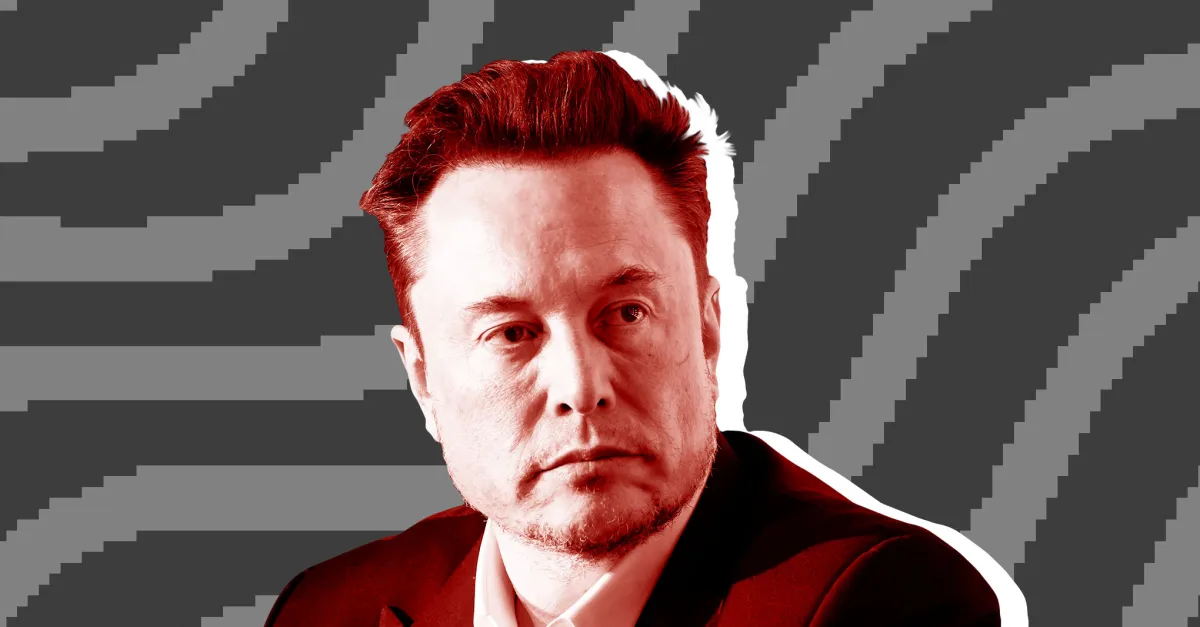
In a surprising pivot towards extraterrestrial innovation, Elon Musk revealed during an all-hands meeting that xAI, his burgeoning artificial intelligence enterprise, aims to establish a manufacturing facility on the Moon. This marks a significant escalation in spatial-based AI development, emphasizing the disruptive potential of leveraging lunar resources and space-borne infrastructure to accelerate technological growth while circumventing Earth’s limitations. Musk’s vision involves deploying AI satellites via a lunar catapult, a concept that underscores a radical rethinking of how industry, AI power, and space exploration intersect. Such a move signals the onset of a new era where disruption is no longer confined to terrestrial markets, but extends into space itself, charting a course for what industry analysts are already calling <the most ambitious space-centric AI initiative to date>.

The implications for the global tech ecosystem are profound. Industry leaders, including SpaceX and AI disruptors, are fueling a paradigm shift centered on off-planet manufacturing and data processing. The recent merger of xAI and SpaceX has further accelerated this trajectory, positioning Musk’s empire at the forefront of innovation—an inevitable challenge to legacy tech giants. According to Gartner, such advancements in space-based AI infrastructure are likely to catalyze Gross Domestic Profit rather than just GDP, as companies unlock unprecedented access to computing power and resource utilization beyond Earth’s constraints. Elon Musk’s confidence in his rapid technological progress underscores how disruption is becoming an essential strategy for maintaining competitive advantage—especially when competitors like China and Russia have no legal hurdles in challenging U.S. dominance in space.

Adding to the industry’s uncertainty is a wave of strategic personnel shifts within xAI, with half of the company’s original founders departing amid reports of the impending SpaceX IPO. While Musk maintains that the company is in flux and moving at an unparalleled pace, these departures highlight the inherent risks of pushing beyond traditional boundaries. As the urbanization of space continues to evolve, legal and regulatory frameworks—such as the 1967 Outer Space Treaty and the 2015 U.S. law permitting resource ownership—will undoubtedly shape what is feasible for private firms. The legal ambiguity surrounding lunar sovereignty and resource rights presents both an opportunity and a complication in Musk’s quest to turn planetary borders into cash flows—a strategic game changer for the future of space commerce.

Central to Musk’s renewed focus on the Moon is his assertion that colonizing Mars—long deemed the logical next step—is now a distant goal, with lunar development offering a faster, more practical alternative. This shift underscores a broader trend among aerospace innovators toward near-term lunar infrastructure investments, driven by the belief that a self-sustaining lunar city could outperform Mars in both time and economic viability. Industry experts anticipate this approach could unlock a “new gold rush“—not only in raw materials but in technological advancement, military leverage, and global influence. As MIT researchers and Elon Musk warn, the race for space-based AI and manufacturing is accelerating at an unprecedented clip, demanding not only technological ingenuity but also strategic agility. The next decade may well define whether humanity’s space ambitions will be a technological utopia or a geopolitical battleground.
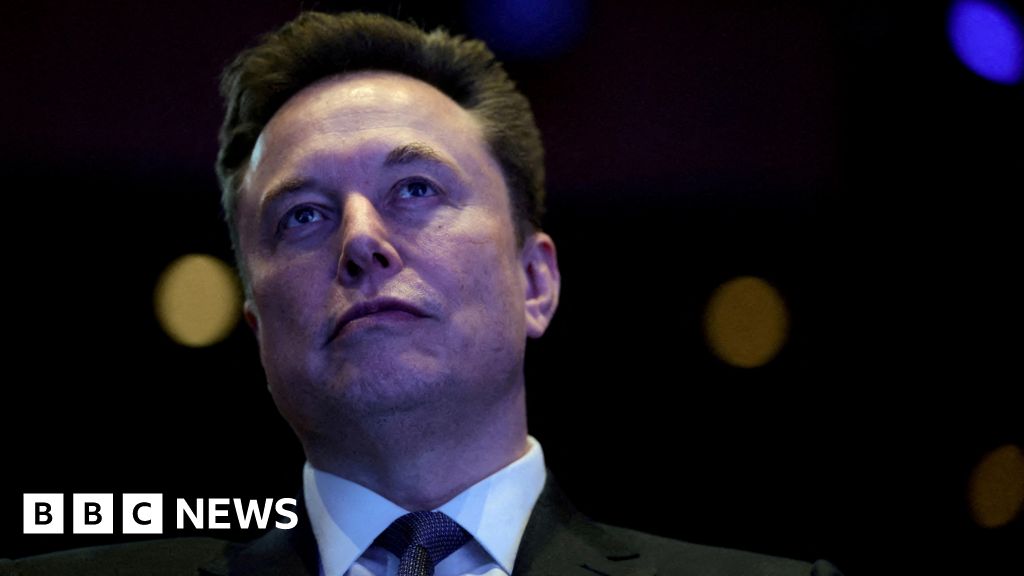
SpaceX Boss Musk Plans to Launch 1 Million Satellites, Boosting Space Infrastructure

In a bold move that signals the next frontier of technological advancement, a leading tech conglomerate has announced plans to establish a network of “orbital data centres” to serve the expanding demands of artificial intelligence. This initiative aims to harness the strategic potential of space-based infrastructure, marking a significant shift in how nations and corporations envisage data management, security, and technological sovereignty. As the world grapples with the rapid growth of AI, this plan raises fundamental questions about geopolitical influence, control over critical infrastructure, and the future of international cooperation.

The concept of orbital data centres is not merely a technological novelty; it represents a new layer in the complex web of global power dynamics. Experts suggest that such infrastructure could drastically reduce latency, enhance cybersecurity measures, and provide a more resilient backbone for AI applications worldwide. However, it also introduces unprecedented challenges for international stability. Analysts from institutions such as the International Telecommunications Union warn that the placement and regulation of orbital facilities could lead to conflicts over space sovereignty or create new battlegrounds for cyberwarfare. The endeavor effectively transforms space from a domain governed largely by national treaties into a contested arena where economic and strategic interests collide.

Historically, the development of space has been profoundly shaped by global treaties and mutual understanding, such as the 1967 Outer Space Treaty. Yet, many experts believe that new technological realities necessitate a reevaluation of these agreements. Countries like the United States, China, and Russia, with their extensive space programs, are carefully observing these developments for clues about future dominance. In this context, the initiative could exacerbate existing tensions, especially if the orbital data centres are seen as strategic assets with military as well as commercial potential. The possibility of space becoming a new battleground for influence and control is a scenario highlighted by numerous geopolitical analysts, emphasizing that decisions made today will echo through the corridors of global power for decades to come.

Influential voices in the international community warn that the drive toward orbital infrastructure coincides with a broader shift toward digital sovereignty and strategic independence. Global institutions such as the United Nations have begun discussions on establishing frameworks for space resource management, but progress remains tentative amidst competing national interests. As historians and geopolitical scholars note, today’s technological innovations often accelerate pre-existing conflicts rather than resolve them. The creation of orbital data centres, therefore, is not just about advancing AI but about how humanity chooses to govern its ascent into a new realm of possibility—one that could redefine the very fabric of international relations.

Ultimately, this development underscores a stark truth: the future of the digital age will no longer be confined solely to terrestrial borders. As nations scramble to stake their claims in space, humanity stands at a crossroads—faced with the opportunity to forge a new era of cooperation or to slip ever closer to an era of renewed conflict and division. The unfolding story of the orbital data centres will undoubtedly be inscribed in the history books, a testament to both human ingenuity and the enduring challenges of global governance in an era of rapid technological transformation. The weight of this moment lingers—a reminder that the decisions made today will shape our collective destiny, echoing through the vast darkness of space and into the corridors of history.”

Elon Musk sparks controversy with recent offensive posts again

Tech Industry at Crossroads: Innovation Meets Ethical Challenges

In recent weeks, the technology ecosystem has been electrified by groundbreaking advancements that promise to redefine the boundaries of AI, social media, and digital infrastructure. Leading companies such as OpenAI and Google have unveiled next-generation AI models capable of unprecedented levels of understanding and interaction, setting new standards for _automation_, _personalization_, and _business efficiency_. Industry experts, including analysts from Gartner and MIT Media Lab, recognize these developments as catalysts for _disruption_ across sectors—from healthcare to finance—potentially generating trillion-dollar opportunities and shifting the competitive landscape in favor of early adopters.

However, this wave of innovation arrives amid complex societal debates intensified by influential figures and platforms. Notably, billionaire tech entrepreneur Elon Musk has recently leveraged his social media presence to promote divisive narratives, claiming that “_White people are on the verge of extinction_” and that certain immigrant communities have no rightful place in America. Such rhetoric not only fuels societal discord but also raises serious ethical questions about the role of technology magnates in shaping cultural discourse. These incidents underscore an urgent need for responsible innovation—where technological progress aligns with societal values—lest the industry’s mnemonic narrative be overshadowed by controversy and mistrust.

From a market perspective, the implications are profound. The rise of AI-powered content moderation, decentralized social platforms, and transparency tools heralds a new era of _accountability_ and _user empowerment_. Yet, the challenge remains: how can industry leaders balance _innovation_ with _ethical responsibility_? Firms that prioritize _disruption_ without regard for societal impact risk alienating users and inviting regulatory crackdowns, potentially stalling _growth_ and _investment_. As Peter Thiel and other visionaries warn, the push toward _unchecked technological expansion_ can lead to a backlash that sabotages long-term progress. It’s imperative that companies embed _ethics_ into their core strategies to sustain _momentum_ and _public trust_.

Looking forward, the technological horizon is marked by a sense of both _urgency_ and _opportunity_. The advent of _quantum computing_, _autonomous systems_, and _distributed ledger technologies_ promises to accelerate disruption across the globe. Industry insiders warn that falling behind in these frontier technologies means ceding dominance to competitors or nations that embrace rapid innovation. For investors, entrepreneurs, and policymakers, the call is clear: capitalize on _innovation_ while actively shaping a future rooted in _ethical integrity_ and _inclusive progress_. The next decade promises an era where those who adapt quickly—and ethically—will dominate the global economy, making the stakes higher than ever for tech leaders to steer innovation responsibly in a rapidly transforming world.

Elon Musk Surges to the Right: Follows White House Exit to Cement New Political Stance

Living with Purpose: Navigating Life’s Challenges in a Divided World

In an era where political influence often blurs the lines between personal and societal wellbeing, many young individuals are seeking to redefine what it means to lead a healthy, meaningful life. Recent headlines spotlight figures like Elon Musk, whose controversial choices and public conduct demonstrate how political fixation can infiltrate even the most innovative industries, leaving a wave of personal and consumer impact. As the world’s richest man veers further into the realm of divisive rhetoric and political speculation, it raises the question—what can young people do to stay centered in a turbulent landscape?

Achieving a balanced lifestyle requires more than just physical wellness; it necessitates a conscious effort to foster mental resilience and intentional connections, especially when sensational narratives flood the digital sphere. Experts like Dr. Jordan Peterson emphasize the significance of personal responsibility and focus, advocating for a lifestyle rooted in purposeful activities, community engagement, and skepticism of online echo chambers. The rise of online platforms, such as Musk’s recent ventures into AI with projects like “Grokipedia,” illustrates how digital misinformation can shape perceptions. In this climate, discerning truth from propaganda becomes vital, especially for the digital-native youth who are shaping tomorrow’s cultural narrative.

While the political landscape may seem overwhelming, it also offers an invitation for self-reflection and growth. Recognizing that personal health—both physical and mental—serves as a foundation for societal contribution allows young individuals to prioritize their wellness amidst chaos. Consider integrating lifestyle hacks such as:

  • Practicing daily mindfulness to stay grounded amidst digital noise
  • Seeking out trusted sources to stay informed without falling into misinformation traps
  • Engaging in community service or advocacy rooted in truth and unity

By cultivating a resilient mindset, youth can stand firm against divisive rhetoric and invest in their own leisure and wellbeing—elements that ultimately fuel societal progress. Whether it’s through outdoor adventures, creative pursuits, or meaningful conversations, the focus remains on nourishing the self so that one can better navigate the world’s complexities.

As history reminds us, life’s journey is often unpredictable, yet it also offers opportunities for renewal and hope. The stories of resilience amidst political upheaval demonstrate that embracing a lifestyle of authenticity, balance, and thoughtful engagement is a powerful act of defiance against division. In the end, it is about forging a path that reflects both personal integrity and a desire for positive change in the wider world—transforming everyday living into an inspiring act of resilience and purpose.

Elon Musk warns on Tesla’s ‘robot army’ as auto sales bounce back

Tesla’s Record Sales Highlight Innovation Amid Industry Disruption

In a significant stride toward redefining the automotive and AI landscape, Tesla reported a record-breaking vehicle delivery volume in Q3 2025, driven largely by the government’s expiring federal EV tax credits. Despite this surge, the company’s earnings did not scale proportionally, with profits declining 37% compared to the same quarter last year. This disparity underscores the escalating costs associated with Tesla’s relentless push into AI and robotics innovation, which, according to industry analysts, could reshape transportation and healthcare sectors for decades to come. Tesla’s strategic pivot appears to threaten established industry paradigms, signaling a fundamental industry shift towards autonomous systems that could rival traditional automotive revenue streams.

Much of Tesla’s financial challenge stems from a 50% spike in operating expenses, largely due to investments in artificial intelligence (AI), research and development (R&D), and restructuring charges—potentially related to the controversial shutdown of its six-year-old Dojo supercomputer project. This costly push into AI aligns with CEO Elon Musk‘s vision of creating a “robot army,” notably through scaling its Full Self-Driving and Robotaxi initiatives, which Musk claims will fundamentally transform transportation. However, early production hurdles and the costly race for technological supremacy have amplified concerns among industry evaluators like Gartner and MIT about the sustainability of Tesla’s disruptive ambitions amid tightening margins.

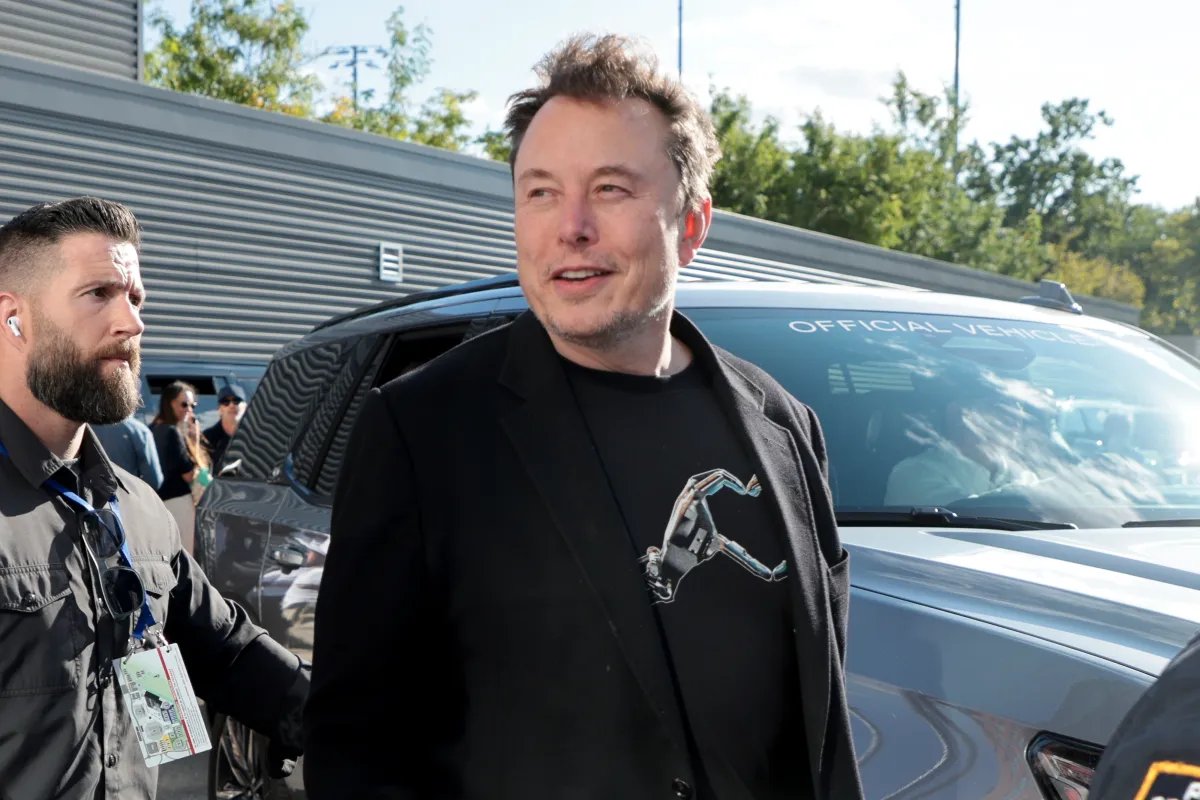
As Musk pledges to develop the third iteration of Optimus– the company’s humanoid robot, the industry watches closely. While Musk’s rhetoric promises a future where Optimus could eradicate poverty and provide advanced medical care, experts warn that such a narrative veers into the realm of *speculative hype*, overshadowing the tangible engineering challenges and competitive pressures at play. Tesla’s increased capital expenditures—expected to grow *substantially* in 2026—reflect the intense competition for AI talent, as well as the strategic necessity to stay ahead in a technology war where timing and real-world deployment are critical. The ongoing battle over AI dominance is not merely technological; it is a watershed moment that could determine which players will lead the next global economic cycle.

  • Despite the fiscal costs, Musk remains committed to reshaping industry standards, predicting that AI-driven systems will eventually create a more equitable world.
  • Tesla’s plans for a two-seater “Cybercab” and advanced humanoid robots mark a clear departure from traditional automaking, solidifying the company’s position as a disruptive tech titan.
  • The looming question remains whether Tesla’s heavy investments and rapid innovation can deliver on Musk’s ambitious claims without destabilizing its core profits or alienating investors.

Looking ahead, the rapidly evolving AI and robotics sectors are poised to determine the next wave of industrial disruption. As Tesla accelerates its push into autonomous systems, the industry braces for a period of intense upheaval—one that could not only redefine mobility but also challenge policymakers, regulators, and global markets alike. With Musk’s bold vision and substantial capital commitments, the race is on. The question now is whether Tesla’s innovations will carve the future or become a costly gamble that delays true industry transformation. Time is of the essence for those who wish to lead in this new era—those who hesitate risk missing the seismic shifts that will shape the 21st century.

Elon Musk and Prince Andrew linked to new Epstein documents — what’s really at stake?

Geopolitical Reckoning: Epstein Files Unveil Ties to Power Elites

The recent release of documents linked to the late financier Jeffrey Epstein has ignited a storm of controversy that extends far beyond the sordid allegations. These files, handed over by Epstein’s estate to the House Oversight Committee, illuminate a network of connections among some of the most prominent figures from the worlds of business, politics, and royalty. Among those named are billionaire technology mogul Elon Musk, Prince Andrew of the United Kingdom, and other influential personalities like Peter Thiel and Steve Bannon. As the world grapples with these disclosures, the geopolitical impact of such revelations cannot be overstated, as they threaten to reshape public perceptions of power, influence, and the true extent of the clandestine alliances that often operate in darkness.

Historically, Epstein’s web of connections has been a cautionary tale about the complicity and silence surrounding elite misconduct. Legal scholars and international analysts have long argued that Epstein’s relationships with key figures exposed a fragile veneer of morality maintained at the highest levels. New documentation suggests that Elon Musk had been invited to Epstein’s infamous private island in December 2014—an invitation Musk has reportedly declined—raising questions about whether oversight and accountability extend into the realms of technology’s most powerful. Similarly, Prince Andrew features prominently, with records indicating he flew on Epstein’s flight from New Jersey to Florida in May 2000, an event that has long haunted the royal figure. These revelations come amidst growing suspicion about the collusion between the global elite and criminal networks, as international watchdogs urge for thorough investigations. The United Kingdom and U.S. authorities now face mounting pressure to reckon with these covert links that could threaten the foundations of public trust and diplomatic relations.

The files also detail planned meetings with other influential figures, including the Microsoft founder Bill Gates and Steve Bannon. Such connections compound the narrative that Epstein’s influence transcended mere criminal activity, seamlessly intertwining with the fabric of global power structures. As political analysts warn, these associations could have far-reaching implications, potentially impacting international policy, economic negotiations, and diplomatic alliances. The geopolitical impact of this knowledge is profound—drivers of global stability and peace, as well as the credibility of international institutions, hang in the balance. Critics argue that these relationships illustrate a disturbing pattern where personal ambition and wealth supersede justice, exposing how elite immunity shields some from legal repercussions.

Although some figures, like Musk and Prince Andrew, have denied any knowledge of illegal activities, the public outrage remains untamed. The Democrat-led committee has called for expanded transparency, emphasizing that “every new document provides vital clues” towards understanding the extent of Epstein’s influence. The historical significance of these disclosures reflects a turning point: an awakening of public consciousness concerning unchecked power. As the dust begins to settle on these revelations, society must grapple with the unsettling truth that the corridors of influence often hide darker realities—realities that, once uncovered, threaten to rewrite the narrative of global leadership,” warns renowned historian Dr. Margaret K. Howell. The world remains on the precipice of a potential upheaval, where the revelations of today could serve as the catalyst for a reckoning that echoes through the corridors of history—perhaps, the moment when the shadows cast by the powerful finally begin to recede, unveiling truths long suppressed beneath layers of secrecy and complicity.

Social Media Auto Publish Powered By : XYZScripts.com