
Matox News

Truth Over Trends, always!

Billions spent, yet the Xbox mystery remains unsolved for most teens

Xbox’s Strategic Pivot: Innovation, Disruption, and Industry Implications

Over the past decade, Microsoft’s Xbox division has undergone a profound transformation, signaling not just a repositioning of a gaming brand but a potential disruption of the entire entertainment ecosystem. Under the leadership of Phil Spencer, who announced his departure last week after steering the platform since 2014, the company’s evolution underscores a deliberate shift toward integrating gaming into a broader digital experience. Spencer’s tenure, marked by the rise of Game Pass and cloud gaming, cemented Xbox’s role as a pioneer in game streaming and accessibility, potentially challenging traditional console-centric models.

What’s compelling about Microsoft’s approach is its aggressive move toward redefining the relevance of hardware. The classic Xbox as simply a powerful console has given way to a paradigm where the brand’s essence is inseparable from any device capable of playing Xbox games. The advertisement campaigns emphasizing “Xbox everywhere” exemplify this strategic disruption, positioning gaming as a ubiquitous, platform-agnostic experience. This aligns with fundamental industry shifts identified by analysts from Gartner and MIT: the rise of cloud-native gaming solutions that threaten not only hardware sales but also traditional content and distribution models. By extending the Xbox ecosystem beyond dedicated consoles, Microsoft is attempting to dominate a new, disrupted market landscape where device independence becomes the norm.

Moreover, the company’s recent acquisitions — notably Activision and Bethesda — demonstrate a clear intent to control exclusive content, even as strategic positioning shifts. While critics argue that Xbox has become a “state of mind,” this evolution introduces significant business implications. As Microsoft increasingly becomes a major publisher on PlayStation and other rival platforms, it challenges the traditional industry consensus that platform owners alone reap the benefits of exclusive titles. This disruptive strategy could pave the way for platform-agnostic monetization models, accelerating the democratization of high-quality gaming and further blurring industry boundaries.

However, these transformative efforts are not without risks. The new leadership under Asha Sharma faces the challenge of translating “the return of Xbox” into tangible market dominance. As former Xbox President Sarah Bond departs, questions remain about the clarity of Microsoft’s long-term vision and how it will compete with the rapidly evolving cloud-based gaming giants like NVIDIA and emergent players inspired by AI-driven innovation. Industry observers, including top-tier analysts from Gartner, warn that failure to capitalize on this disruption could result in Xbox’s marginalization in an increasingly digital-first world. Yet, the company’s commitment to innovation signals a desire to not merely adapt but to lead industry shifts—offering a compelling glimpse of a future where gaming is no longer confined to consoles but integrated into daily life through seamless, platform-independent experiences.

As the gaming industry stands on the cusp of this new era, the urgency for established players to innovate is more critical than ever. Microsoft’s strategic disruption of Xbox signifies a broader movement across tech industries—where legacy brands must either evolve rapidly or face obsolescence. With AI, cloud technology, and next-gen streaming at the forefront, market watchers must anticipate a fierce race for dominance in what could be the most revolutionary phase of digital entertainment yet—one driven by relentless innovation and an unstoppable desire to redefine the boundaries of how, where, and when we game.

Why Is Ice Still a Mystery to Science?

Groundbreaking Research Challenges Long-Standing Theories on Ice Slipperiness

The age-old mystery of why ice remains perpetually slippery has entered a new phase of understanding, with recent scientific advancements threatening to disrupt traditional perspectives in physics and materials science. German researchers have proposed a compelling fourth hypothesis—known as the premelting theory—that suggests an intrinsic, microscopic layer of liquid water exists on ice surfaces prior to contact, fundamentally redefining the phenomenon. This innovative approach tailors to a broader trend in scientific disruption—where classic theories are being replaced by more nuanced, real-world models.

The Evolution of Theories: From Pressure to Premelting

The longstanding debate began in the 1800s with James Thomson, who theorized that additional pressure from a human step could locally lower the melting point, thus creating a slippery layer of water. His idea was supported by Lord Kelvin, but later challenged in the 1930s by scientists like Frank Bowden and T. P. Hughes, who argued that the pressure exerted by even vigorous skaters isn’t sufficient to cause melting. Their calculations indicated that the force generated on a typical skate is orders of magnitude too weak to influence ice’s phase change significantly. This skepticism prompted the scientific community to look elsewhere.

Friction and its Falling Out of Favor

Another dominant hypothesis suggested that heat generated through motion—the idea of frictional heating—caused the ice to melt at the contact point. However, recent experimental studies, including those by Daniel Bonn at the University of Amsterdam, have challenged this assumption. By creating microscopic ice slabs and measuring the forces involved, Bonn’s team discovered that ice slipperiness appears largely independent of the speed of movement, undermining the frictional heating explanation. These findings place the role of surface physics into sharper focus, emphasizing that the phenomenon might arise from more subtle, surface-specific processes rather than bulk heat generation.

The Rise of the Premelting Hypothesis and Industry Implications

Perhaps the most revolutionary shift is the renewed support for the premelting hypothesis—an idea originating from Charles Gurney and others—that ice’s surface is inherently wet at temperatures below 0°C. This microscopic wet layer could be responsible for the persistent slipperiness, and its understanding opens doors for disruptive applications across multiple industries. For instance, manufacturers of anti-icing and de-icing products could leverage this knowledge to develop more effective solutions, reducing reliance on chemical de-icers that harm the environment. Similarly, advances in ice-related transport technologies—like autonomous snow plows or luxury skating rinks—stand to benefit from a profound grasp of the surface physics involved.

  • Emerging technologies in surface coating and material design aiming to manipulate or reinforce the premelted layer.
  • Potential for reduced energy costs and increased safety in winter transportation through advanced understanding of ice’s natural properties.
  • Strategic positioning for companies innovating in climate resilience and infrastructure adaptation.

The Future: Innovation, Disruption, and Competitive Edge

As top industry analysts from Gartner and innovation leaders like Elon Musk and Peter Thiel emphasize, those companies that quickly adapt to the evolving scientific landscape hold the keys to gaining a first-mover advantage. The shift toward understanding surface premelting not only symbolizes a significant paradigm change but also indicates an upcoming wave of technological disruption in fields ranging from transportation to renewable energy. With research like Bonn’s providing a clearer picture of ice’s intrinsic properties, the energy sector and smart infrastructure developers are keenly watching for how to incorporate this knowledge into next-generation solutions.

The decades ahead will determine whether traditional industry giants or agile startups lead the charge—yet one thing remains clear: the race to harness the fundamental science of ice is more urgent than ever. Those who can translate these breakthroughs into practical, scalable applications will set the course for resilience and innovation in a warming world, cementing their position at the forefront of the new technological frontier.

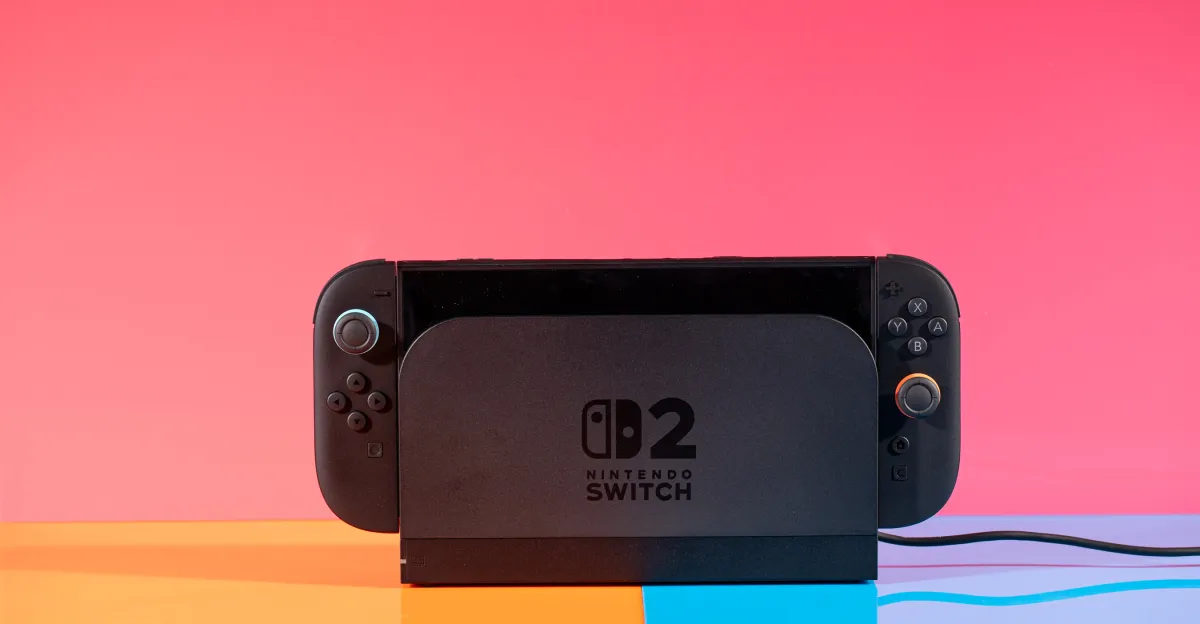
Nintendo blocks some third-party Switch 2 docks — the reason’s still a mystery

The recent firmware update 21.0.0 for Nintendo’s highly anticipated Switch 2 has sent ripples across the gaming and accessory markets, exemplifying how technological innovation often triggers disruption within proprietary ecosystems. While Nintendo aimed for minor improvements, the update unexpectedly compromised compatibility with popular third-party docks, spotlighting an ongoing battle between console manufacturers’ desire for control and third-party innovators’ push for open ecosystems. This move shifts the industry’s dynamics, prompting accessory companies to quickly recalibrate their strategies—a reflection of the relentless pace of innovation and the high stakes involved in maintaining relevance.

Initially, third-party accessory developers scrambled to reverse-engineer Nintendo’s proprietary handshake protocols, racing against the clock to keep their products functional. Early efforts involved:

  • Adjusting firmware commands
  • Modifying power delivery algorithms
  • Reengineering chips to bypass restrictions

Despite significant progress, the latest Nintendo update appears to have reconfigured the system’s handshake handshake validation, effectively “closing the door” on previous circumventions. This turn heralds a broader industry pattern where tech giants like Apple and now Nintendo are implementing tighter control measures—potentially signaling a move toward a more closed, locked-down ecosystem that limits third-party innovation. Whether Nintendo will follow the model of Apple’s MFi certification, allowing accessory developers sanctioned access through a standardized, fee-based program, remains to be seen. Such a move could catalyze a new wave of disruption, as legitimate players might leverage certification to ensure quality while safeguarding platform integrity, but it also risks stifling independent innovation.

This scenario exemplifies the ongoing tension between disruption and control—a dynamic examined closely by industry analysts and thought leaders across sectors. Experts from MIT and Gartner warn that, without a shift toward more open standards, manufacturers risk alienating the very communities that drive their ecosystems’ relevance. Yet, at the same time, business giants are realizing that protecting their ecosystems can reinforce brand loyalty and revenue streams. The implications are profound: third-party accessory markets, once thriving on flexibility and innovation, may face increased barriers, yet they remain critical to fostering technological innovation and consumer choice.

Looking into the future, the trajectory appears clear: we are entering a phase where control measures become more aggressive, but opportunities for strategic disruption also multiply for those willing to innovate within or around these constraints. Companies that can negotiate certification programs, or develop solutions that seamlessly integrate with proprietary systems, could secure a strategic advantage, turning restrictions into opportunities. As industry leaders like Elon Musk and Peter Thiel have argued, real innovation often emerges from disruption—not compliance. The challenge ahead for accessory makers and developers: adapt rapidly or risk obsolescence in a market that rewards agility and forward-thinking. Ultimately, the next wave of technological evolution will test the limits of control, opening a landscape fraught with both danger and opportunity—a future where those who act boldly will define the new frontier.”

Pluribus on Apple TV+: A Bold New Sci-Fi that Keeps the Mystery Alive

Disruptive Innovation Meets Narrative Excellence: The Promising Future of “Pluribus”

In an era where technological disruption is redefining every industry, the entertainment sector continues to lead with groundbreaking innovations that are reshaping storytelling. Apple’s latest series, “Pluribus”, exemplifies this seismic shift, blending sophisticated narrative design with cutting-edge technology to deliver a viewing experience that challenges traditional formats. Developed under the guidance of visionary creators like Vince Gilligan, well-known for his work on “Breaking Bad,” “Pluribus” leverages the power of immersive storytelling with high fidelity to audience expectations for intelligence and nuance. This approach not only elevates content quality but also signals a broader trend of disrupting the conventional TV game.

At the core of “Pluribus”’s innovation is its deliberate pacing and complex character development, highlighted by a compelling performance from actress Seearon that anchors the series. The show’s deep dive into layered narrative and psychological authenticity demonstrates the new frontier of entertainment—one where storytelling is no longer just about entertainment, but about engaging viewers’ intellect and emotional spectrum. This sophistication aligns with recent insights from Gartner, emphasizing that the future of successful media is rooted in content that demands active audience participation. As streaming giants such as Apple TV push into this space, they are not simply competing on quantity but on quality, innovation, and disruption of audience expectations.

From a business perspective, “Pluribus” exemplifies how tech-driven storytelling platforms are redefining market dynamics. The series’ strategic deployment of slow-reveal narrative techniques and emotionally complex characters signals a shift toward premium, high-investment content that aims to capture a growing segment of highly engaged viewers—particularly younger demographics who crave authenticity and intellectual stimulation. These viewer segments are increasingly discerning; they seek narratives that mirror real-world complexity and moral ambivalence. This creates new opportunities for content creators and tech platforms to differentiate themselves by investing in high-concept, high-value productions—shifting away from formulaic fare toward innovative storytelling that can generate lasting engagement.

Moreover, as industry analysts like Peter Thiel and Elon Musk highlight, the convergence of artificial intelligence, data analytics, and immersive media signals an explosive future where content creation and consumption become synergistic. The “Pluribus” model, with its meticulous attention to character nuance and narrative pacing, exemplifies the potential of leveraging AI to optimize storytelling processes and tailor content to highly specific audience segments. This disruption may soon extend beyond traditional media, influencing educational, gaming, and even virtual reality sectors, aligning with next-generation convergence of technology and human experience.

As “Pluribus” premieres on November 7th, industry observers eagerly anticipate whether it will set new standards for scripted content and viewer engagement. The show’s success could multiply, fostering an ecosystem where innovation is not merely an advantage but a requirement. The path ahead calls for proactive adaptation: companies that harness advancements in AI, storytelling algorithms, and immersive tech will be positioned as market leaders in the next wave of digital entertainment. The landscape is poised for a revolution—an era where technological disruption fuels authentic, nuanced content that captures the imagination of a global, tech-savvy audience. The stakes have never been higher; the future belongs to those bold enough to innovate and disrupt, shaping the narrative of what’s possible in entertainment and beyond.

Social Media Auto Publish Powered By : XYZScripts.com