Matox News

Truth Over Trends, always!

France’s Sarkozy Sent to Prison: A Bold Step Forward for the Nation

In an unprecedented chapter of French political history, former President Nicolas Sarkozy has become the first ex-leader to serve time behind bars, marking a rare moment of accountability within a nation long celebrated for its political resilience. Sarkozy, who held office from 2007 to 2012, was sentenced to five years in prison for conspiring to illicitly finance his election campaign with funds from the late Libyan dictator Muammar Gaddafi. This conviction not only tarnishes Sarkozy’s legacy but sends a powerful message about transparency and justice at the highest levels of government. His appeal against this verdict signifies that the judicial process remains active, yet the symbolism of his incarceration continues to reverberate globally.

The legal proceedings stem from a complex web of international influence and clandestine dealings that underscore the shifting sands of geopolitical power. According to experts and international organizations, Sarkozy’s case exemplifies the darker side of foreign interference in Western democracies. Historians highlight that the Libyan connection reflects broader strategies employed by authoritarians to wield influence abroad, often exploiting political systems for survival and expansion. The BBC’s Paris Correspondent Hugh Scofield described Sarkozy’s imprisonment as “a big moment” for France—possibly a turning point that signals a new era where international scrutiny and domestic accountability converge, setting a precedent for future political conduct.

Within the broader context, the ongoing debate about foreign influence and national sovereignty gains new urgency. France, a key pillar of the European Union, finds itself at the crossroads of internal reform and external threats. In light of rising geopolitical uncertainties, some analysts see Sarkozy’s fall as symptomatic of a broader shift—one where the old guard’s influence is being challenged, re-evaluated, or even eradicated to make way for a new political order. International observers warn that such high-profile legal actions could inspire similar scrutiny across other democracies, potentially unsettling longstanding political establishments. These developments underscore the fragile balance of democratic integrity and the relentless pursuit of justice, even for those who once wielded immense power.

As history continues to unfold, the repercussions of Sarkozy’s convictions extend beyond France. The case acts as a stark reminder that no leader, regardless of stature, is immune from the weight of their actions. The decision to imprison a former head of state reflects a broader international tendency towards transparency and the rule of law, championed by organizations committed to rooting out corruption. Yet, it also raises profound questions about the price of power and the ongoing struggle to curb international crime, influence, and embedded corruption infiltrating democratic institutions. As nations observe this landmark case, they are reminded that history’s true battle is for the very soul of sovereignty—an enduring clash between the desire for control and the imperative of justice, left unresolved and yet ever crucial. The legal drama surrounding Sarkozy may mark a chapter closed, but the larger story of geopolitics, morality, and national integrity continues to be written—an unfolding narrative that leaves the specter of history looming just beyond the horizon.
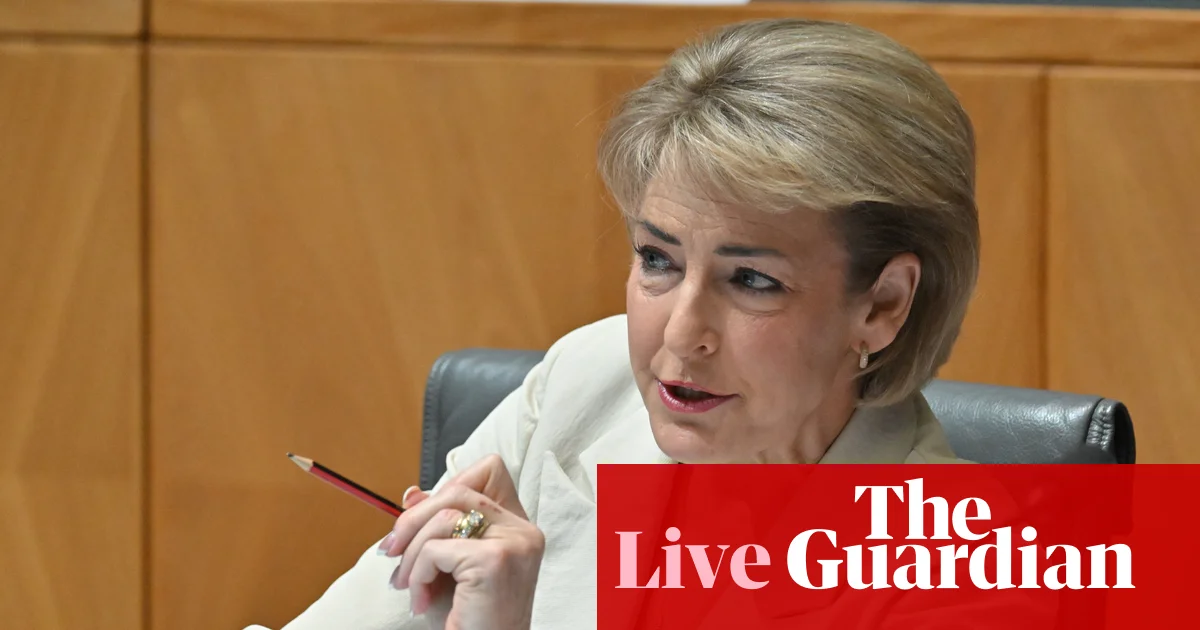
Australia News Live: Cash urges PM to condemn Chinese jet clash; Joyce grilled over One Nation shift

In a world continually edging closer to a new era of confrontation and uncertainty, recent developments underscore the volatile geopolitical landscape. From tense military encounters in the South China Sea to political maneuvering in Australia, the global stage is rife with flashpoints that threaten to ignite larger conflicts. Analysts warn that these incidents are more than isolated events—they reflect a broader strategic contest involving China, the United States, and regional powers, with international institutions often unable—or unwilling—to prevent deterioration.

The incident that has drawn significant international attention occurred over the South China Sea, where reports emerged of a Chinese fighter jet releasing flares dangerously close to an Australian surveillance aircraft. Michaelia Cash, Australia’s shadow foreign affairs spokesperson, condemned the act as a “serious escalation” that endangers the lives of Australian defense personnel. The incident marks the third provocation within a year, highlighting China’s provocative posture as it seeks to assert dominance in the strategic maritime region. In response, Cash called upon Prime Minister Anthony Albanese to publicly condemn the action, warning that failure to do so would be a “failure to stand up for Australia’s national interests.” These provocative maneuvers expose a pattern of Chinese military assertiveness that complicates diplomatic efforts and deepens regional tensions.

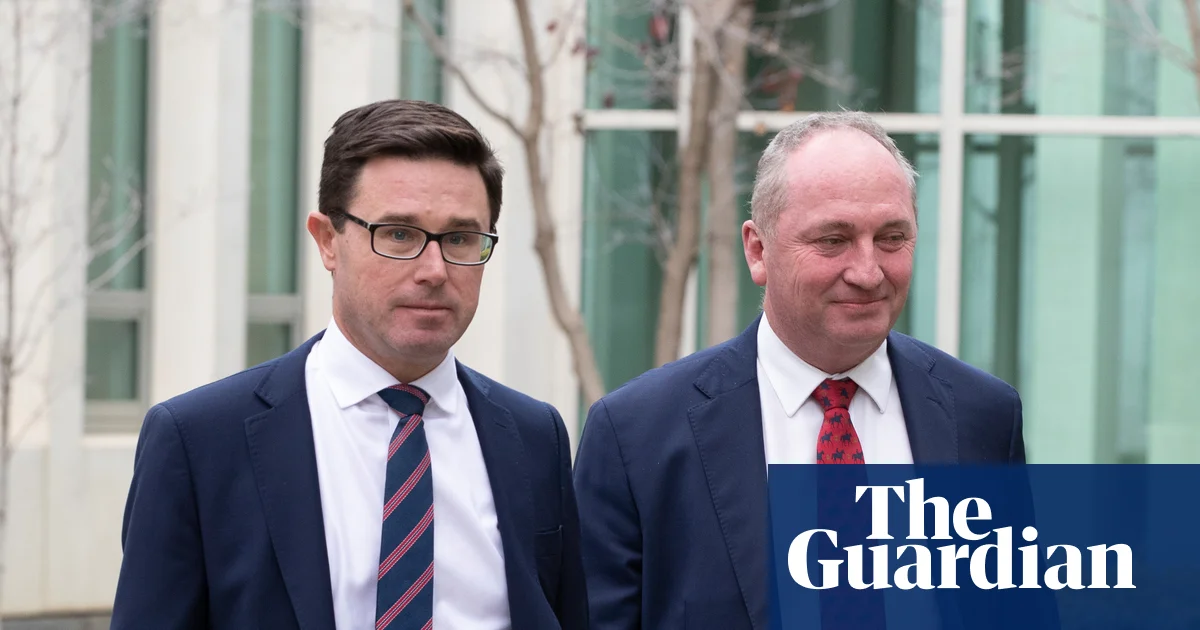
Meanwhile, within Australia, political dynamics are heating up as key figures like Barnaby Joyce and David Littleproud navigate complex intra-party relationships, with indications of potential shifts towards One Nation. Joyce, the member for New England, remains notably reticent about his political future amid rumors of defecting to the far-right party. Such moves could have profound geopolitical impact by emboldening nationalist sentiments and possibly altering Australia’s traditionally close alignment with the US on defense and foreign policy issues. The political realignments mirror a global trend where nationalist and populist movements threaten to undermine established diplomatic alliances and multilateral efforts to maintain regional stability.

Simultaneously, tensions extend beyond the Pacific with U.S. President Donald Trump and Australian Prime Minister Anthony Albanese engaging in a high-profile meeting at the White House. The visit saw the signing of a significant minerals and strategic partnership deal, signaling a pivot towards greater resource-driven cooperation. However, the broader message remains clouded by diplomatic undercurrents and the looming threat of military escalation. Historian and international security analyst Dr. Richard Martin notes that “these developments are indicative of a world where traditional power balances are shifting rapidly. The risk of miscalculation grows as nations test the limits of their strategic patience.” The risk of misunderstandings escalating into open conflict is heightened as superpowers and regional actors seek to secure their spheres of influence amid weakened international institutions.

As the world’s superpowers jostle for dominance, the flashes of military bravado, political confessions, and international diplomacy reveal a fragile geopolitical order. With Great Power dynamics on a knife’s edge, and regional allies watching nervously, the ongoing story remains one of tension—and opportunity—for those daring enough to shape it. The weight of history is pressing down, reminding us that every decision today writes the prelude to future conflicts. The question remains: how many more incidents of provocation and political upheaval can the global system withstand before shaping a new chapter—one written in the aftermath of chaos, or in the hope of a measured peace? The pages are still being turned; the unfolding drama continues to test humanity’s resolve and strategic wisdom.

David Littleproud calls on Barnaby Joyce to stick with the Nationals amid One Nation talk

Australia’s Political Turmoil and Its U.S.-China Geopolitical Ripple Effects

In the turbulent landscape of Australian politics, recent developments signal more than just domestic party disputes; they echo across the Indo-Pacific and beyond. The departure of Barnaby Joyce, a senior figure in the Nationals, from formal party ties, alongside escalating tensions within the Coalition, underscores a broader realignment that could reshape regional alliances. As Joyce considers a switch to Pauline Hanson’s One Nation, experts warn of the potential disruption this could cause not only to Australia’s internal politics but also to its strategic position amid rising U.S.-China tensions.

While initial reactions focused on the political implications within Australia, international analysts increasingly recognize that such shifts hold significant implications for regional stability. The escalation comes at a time when U.S.-Australia alliances are being tested, particularly as China consolidates economic influence within the Pacific and Southeast Asia. The internal discord over issues like climate policy—with figures like Joyce challenging the Coalition’s stance on net-zero emissions—may seem isolated, but they form part of a larger pattern of divide-and-conquer tactics that could weaken Australia’s strategic cohesion. Such internal divisions could be exploited by China to further undermine Western influence across the Indo-Pacific, a scenario decried by scholars like Professor Hugh White of Australian National University as a potential pathway to ‘strategic decay.’

The U.S. State Department and Australian foreign policy analysts observe that these internal conflicts might diminish Australia’s capacity to assert leadership or sustain a unified front amid regional power struggles. Historically, alliances are tested when middle powers face internal fractures, which is precisely what some see unfolding. The potential shift of Joyce to One Nation offers a warning sign to allies—how internal party politics can spill over into international strategy. If regional stability is to be preserved, Australian authorities must navigate these internal tensions carefully, lest they serve as a foothold for greater Chinese influence in the Indo-Pacific.

In a broader geopolitical context, the Australian scenario highlights how decisions within national parties are intertwined with global power shifts. The international community watches as internal political disputes threaten the integrity of what has been regarded as a strategic anchor in the Indo-Pacific region. The unpredictable nature of these shifts leaves many contemplating the **fragile balance of power**—where internal discord could become the catalyst for larger geopolitical upheavals. As historians remind us, the pages of history are often written when nations face internal crises that bear the imprint of greater international consequences, and Australia’s current political realignment is no exception. The weight of history remains heavy, as the unfolding narrative continues to shape the future of a region critical to global stability.

Barnaby Joyce's resignation fuels talk of a One Nation shift, stirring youth debate
Barnaby Joyce’s resignation fuels talk of a One Nation shift, stirring youth debate

Global Salvo: Australia’s Political Realignment Sparks International Reflection

In a development poised to send shockwaves through the Australian political landscape, Barnaby Joyce, a prominent figure within the National Party, has announced his intention to exit the party. This move, reportedly driven by internal conflicts and ideological disagreements, signals a potential shift of one of the country’s most influential conservative leaders onto the crossbench—or even into the ranks of One Nation, Australia’s far-right populist party. The ripple effects of such a decision extend beyond national borders, challenging traditional political alliances and raising questions about the future of Australia’s domestic and foreign policy orientations.

The geopolitical impact of Joyce’s possible defection is multifaceted. Historically, Australia’s political cohesion has been a cornerstone of its stability and its strategic alignment with the United States and the West. However, this potential shift hints at mounting factional tensions within the conservative bloc, especially surrounding the contentious issue of climate policy and economic sovereignty. Joyce, long known for his vocal opposition to net zero by 2050 commitments, has campaigned furiously against renewable energy projects, positioning himself as a champion of traditional industries and core conservative values. Analysts warn that his departure from the Nationals could embolden similar populist voices, weakening Australia’s capacity to present a unified front on global issues such as climate change, regional security, and trade alliances.

International organizations and geopolitical analysts caution that such internal political fractures risk undermining Australia’s reliability as a key ally in the Indo-Pacific. John Mearsheimer, a leading realist scholar, notes that internal political instability can lead to unpredictable foreign policy decisions, which adversaries like China and Russia might exploit. Moreover, the potential realignment towards One Nation—which has a more skeptical stance on multiculturalism and foreign alliances—could impact Australia’s diplomatic posture, especially in the context of its longstanding security pacts with the US and regional partners.

Within Australia, the controversy has ignited debates about the direction of conservatism and the influence of populist parties. Pauline Hanson, leader of One Nation, has openly welcomed Joyce, fostering speculation about a broader political realignment that could sway upcoming elections. Historians warn that such shifts reflect a broader trend of polarization and fragmentation in Western democracies, undermining the bipartisan consensus that historically guided international engagement. As the nation teeters on the brink of unprecedented political change, the world watches—some in concern, others in anticipation—asking whether this is the beginning of a new chapter or the unraveling of longstanding alliances.

Every decision in this unfolding story narrative carries the weight of history—choices that could redefine Australia’s role in regional geopolitics and the global order. As Joyce ponders his next move, it remains clear that Australia’s internal political struggles are not isolated—they are threads woven into the larger fabric of international power dynamics. In the shadows, global powers survey with keen interest, ready to adapt to whatever terrain emerges from this political upheaval. The pages of history turn inexorably forward, and the outcome of this internal struggle could shape not only Australia’s future but also the delicate balance of power across the Indo-Pacific and beyond—leaving the world pondering whether these shifts herald a new era of resilience or chaos.

Rising Stars Shine as High School Championships Kick Off Across the Nation

Dolphins’ WR Faces Uncertain Future After Dislocated Knee

The Miami Dolphins are facing a challenging situation following the recent injury of their star wide receiver. During a crucial game, one of the team’s top weapons dislocated his knee, raising questions about his future on the field and the overall impact on a team that has high hopes for the season. As the Dolphins push for a playoff spot, losing such a significant player could alter their offensive strategy and dynamic.

Initial assessments indicate that the receiver may be sidelined for several weeks, which is a concern for Head Coach Mike McDaniel. “We’ve built a strong offensive unit around our key players, and this injury undoubtedly complicates things,” McDaniel remarked in a post-game interview. The absence of a top receiver could shift the focus to backup options and potentially strain the chemistry developed between the quarterback and primary targets.

Statistics show just how impactful the injured player has been to the franchise. In the current season, he has recorded over 800 receiving yards and seven touchdowns, making him one of the most lethal threats in the league. Analysts highlight that his unique ability to stretch the field and create mismatches often opens up opportunities for other players. Without his dynamic presence, the Dolphins may struggle to maintain their aggressive offensive style.

Key Takeaways from the Injury

  • Coaching shifts: Expect adjustments in offensive schemes to accommodate backup receivers.
  • Player stats: The team will look to players like Jaylen Waddle to step up and fill the void left by the injured WR.
  • Mental fortitude: The Dolphins must rally together to maintain team morale and focus on upcoming challenges.

As the Dolphins navigate this challenging period, the essence of sports emerges—a potent reminder of resilience and unity. Whether in victory or defeat, the bond forged on the gridiron transcends beyond just the scoreboards. It fosters an unwavering community spirit that uplifts fans, players, and coaches alike. After all, in the grand narrative of sports, it is not merely about the individual performances, but about how they come together to move forward as a collective force.

Source link

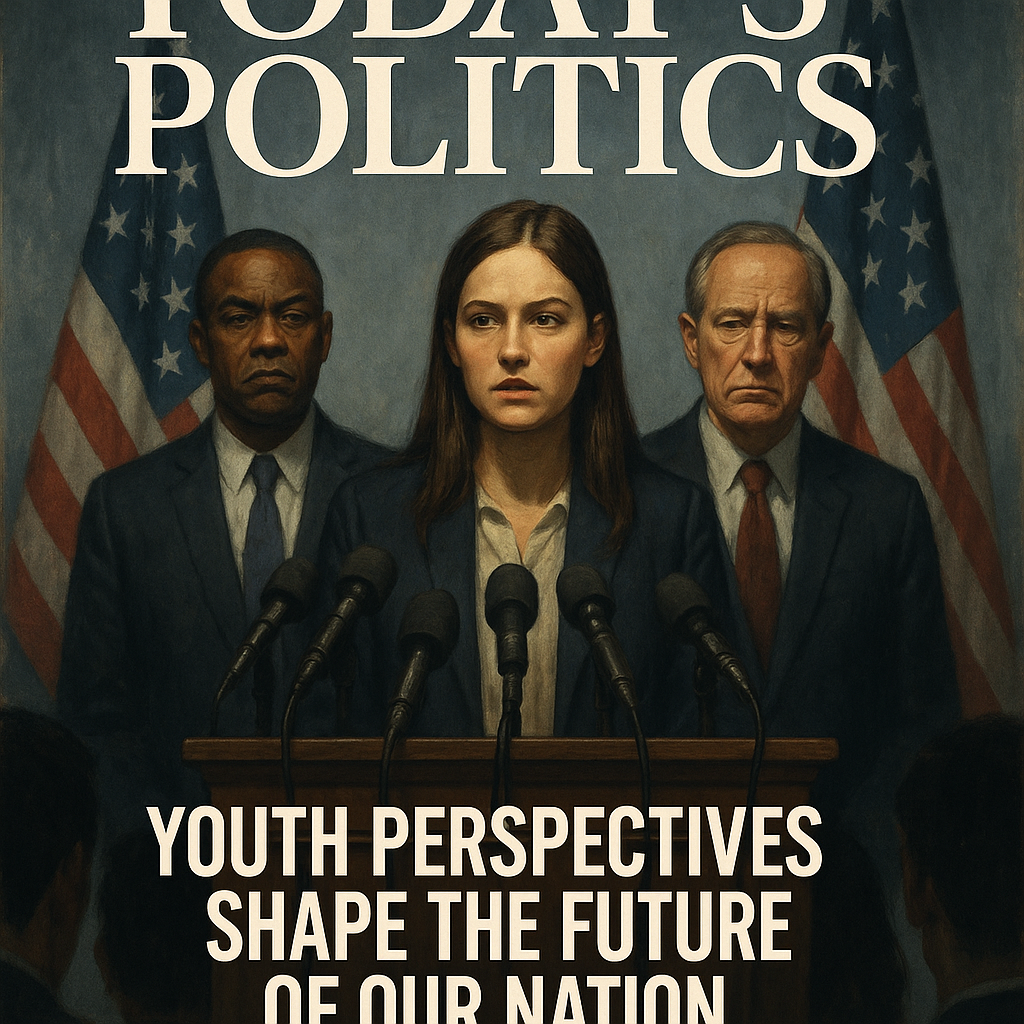
Today’s Politics: Youth Perspectives Shape the Future of Our Nation

In the current landscape of American politics, the decisive battle for the soul of the nation continues to unfold amidst mounting power struggles that determine the direction of future policy and influence. At the center of this evolving tableau is President Joe Biden, whose administration endeavors to project authority while navigating the turbulent waters of division and discontent. The confrontations between the executive branch and legislative bodies reveal much about the undercurrents shaping American governance—where policy reforms are not merely legislative acts, but battlegrounds for ideological supremacy.

The Biden administration’s push for broad reforms—ranging from economic recovery to social equity—has been marked by an ambitious agenda that echoes traditional Democratic objectives. Yet, these initiatives often encounter fierce resistance from Republican-led legislatures and conservative interest groups desperate to preserve their influence. This dynamic not only underscores the power dynamic in play, but also raises questions about who truly holds sway over the policy outcomes that will shape the lives of millions. Here, the narrative echoes the enduring philosophical debate on who determines the governance of a nation—the voters, the elites, or the institutions.

Historical parallels are instructive. Like the fierce constitutional debates during the New Deal era or the more recent battles over healthcare and executive power, today’s political climate signals a struggle over constitutional interpretation. Constitutional scholars and theorists such as **Ronald Dworkin** and **A.V. Dicey** remind us that the document—while framed in the 18th century—serves as a battleground for contemporary ideologies. The very fabric of the U.S. Constitution is being tested as executive orders clash with legislative statutes, and questions around *who* wields *ultimate authority* become increasingly contentious. When institutions clash, it becomes clear that the ruling power defines the destiny of democracy itself—placing the social contract under continuous renegotiation.

In this constant push-and-pull, the decisions of today forge the societal landscape of tomorrow. Policy shifts—be they related to immigration, economic reform, or civil liberties—are rooted in broader ideological conflicts that resist simple resolution. The stakes transcend mere legislation; they shape the identity of the nation. As political theorist **Carl Schmitt** argued, sovereignty resides in the ability to decide on the exception, and in such moments, the true supremacy of power is revealed. The question remains: who will define the narrative from this stage of history? Will it be the advocates of order or the champions of change? Ultimately, the stage is set, and history is watching—to see who will write the final chapter in this ongoing saga of power and destiny.

Social Media Auto Publish Powered By : XYZScripts.com