Matox News

Truth Over Trends, always!

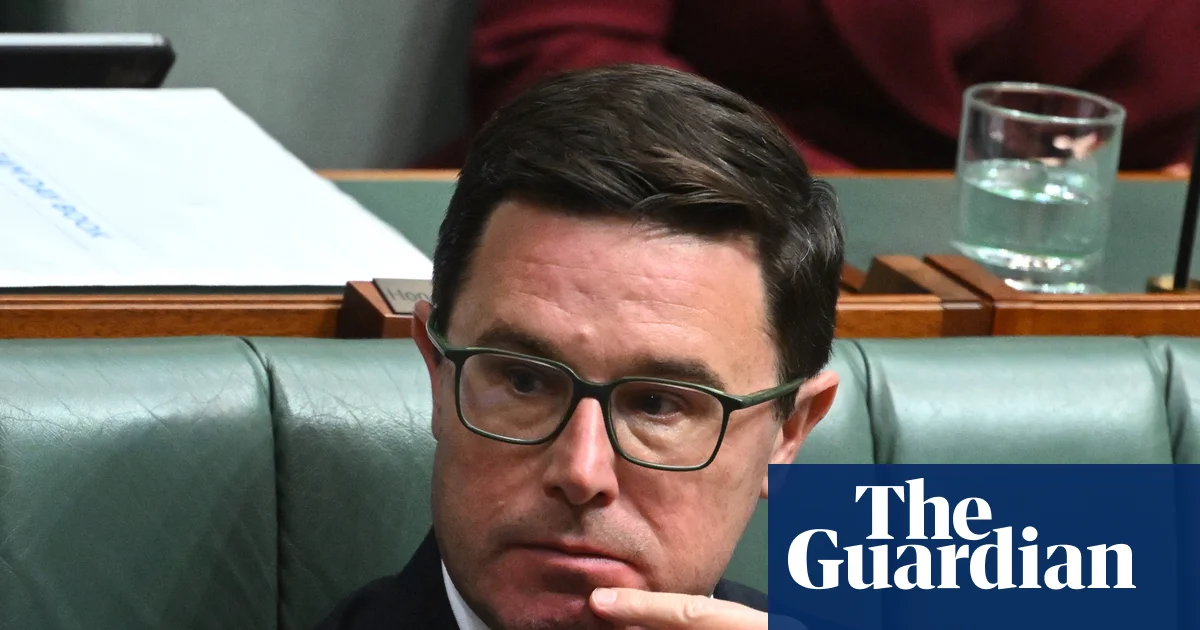
Dugald Saunders quits NSW Nationals as talk mounts on Mark Speakman’s move—what’s next in NSW politics?

The recent resignation of Dugald Saunders, leader of the New South Wales Nationals, marks a pivotal moment amidst ongoing internal political upheavals that have significant geopolitical implications for Australia. Saunders, citing personal and family reasons, stepped down as the party grapples with contentious issues surrounding climate policy and regional concerns that mirror and potentially influence national narrative. His departure underscores the deepening divisions within the coalition, notably over the decision to abandon a net zero emissions target by 2050, a shift that signals a broader resistance to global environmental initiatives perceived by many as threatening to regional industries and traditional livelihoods.

The Coalition in NSW, comprising the Liberals and the Nationals, faces mounting challenges not only on climate policy but also on issues such as management of wild horse populations and the protection of iconic ecosystems like the Great Koala National Park. These internal disagreements reflect a larger, internationally significant struggle between progressive environmental agendas and conservative, regional priorities that many analysts argue are rooted in a broader geopolitical tension. How these decisions shape Australia’s stance on climate diplomacy and regional security will influence its relationships with key partners, including the United States, China, and the European Union, particularly as global powers intensify their competition over influence in the Indo-Pacific.”

Commentators and historians, such as Dr. Robert Crane of the Australian Strategic Policy Institute, emphasize that domestic political shifts in key regional states like NSW carry the potential to tip the balance of influence in this vital region. The internal leadership contest currently brewing, with former leader Paul Toole and potential contenders Gurmesh Singh and Steph Cooke, may have profound effects on the coalition’s future stance and Australia’s broader strategy. As the party’s internal dynamics intensify, the outcome could alter not just regional governance but also Australia’s role in international energy and environmental negotiations, which are increasingly becoming battlegrounds for geopolitical influence and economic resilience.

Meanwhile, Mark Speakman, the current Liberal leader, has praised Saunders’ dedication, yet political analysts warn that the coalition’s instability, combined with a declining public opinion, could accelerate leadership changes. Reports suggest that the coalition’s future hinges on how quickly and decisively it can reconcile internal divisions—a process that could have cascading effects on Australian society and its global alignments. As historical forces continue to unfold, Australia finds itself at a crossroads where local leadership decisions are intertwined with global power dynamics. The very fabric of regional stability and the future of Australia’s international commitments could be rewritten in the coming weeks, leaving the impression that, in the grand chessboard of geopolitics, today’s political upheaval may indeed be tomorrow’s defining chapter in world history.

Australia News: NSW Nationals Drop Net Zero; Keating Honors Laws — Youth Voice Matters

In a world increasingly shaped by the relentless march of geopolitical shifts and domestic reckonings, recent events underscore a decisive moment in the unfolding fabric of history. Australia, often viewed as a microcosm of broader global trends, finds itself at a crossroads as regional political forces realign on crucial issues like climate policy and national identity. Meanwhile, the passing of iconic figures like John Laws reminds us how media personalities have historically shaped societal discourse, bridging the gap between politics and the everyday citizen in an era when radio was king. The legacy of individuals like Laws and the recent political maneuvers collectively illustrate the profound influence of communication and decision-making on national trajectories.

At the heart of international concern is the abandonment of commitments to net zero emissions by 2050—a stance taken rigorously by the NSW Nationals in Australia, following their federal counterparts’ lead in a move that threatens to fracture the stable fabric of coalition politics. The decision, driven by internal party discussions and influenced by a thinktank aligned with Senator Ross Cadell, signals a direct challenge to the global climate agenda endorsed by many Western nations.

  • Government officials and analysts have warned this rollback could hinder international efforts to combat the climate crisis, and threaten Australia’s diplomatic standing in climate negotiations.
  • The decision sparks a rift within the Coalition, specifically testing the resolve of opposition leader Mark Speakman, who has faced mounting pressure amidst poor polling and internal dissent.

The geopolitical impact of this shift extends far beyond national borders. Countries watching Australia’s retreat from climate commitments may perceive a broader trend of de-escalation or skepticism toward global climate initiatives, especially in regions where economic and energy independence are prioritized over environmental concerns. Experts like economists and environmentalists have issued stark warnings that such domestic decisions undermine international climate accords and could embolden other nations seeking to resist similar targets, thereby threatening the collective effort to mitigate the effects of climate change. Moreover, Australia’s internal debate reflects a national societal divide—those pushing for environmental credentials versus those emphasizing regional economic interests—highlighting how domestic policies can send ripples through the international diplomatic arena.

Meanwhile, the death of John Laws, dubbed the “king” of radio before the rise of the digital age, signifies a pivotal chapter in the history of media influence. Keating’s tribute underscores how Laws partnered with policymakers to educate Australia’s middle ground crowd on complex social and economic matters. This dynamic exemplifies how influential personalities have historically shaped public perception and policy, wielding power that transcends mere entertainment. As history presses forward, the media’s role in transmitting societal values and political discourse remains central, even as new digital platforms challenge traditional broadcasts. Recognizing these shifts urges societies worldwide to reflect on the enduring impact media figures have historically played—and continue to play—in shaping national identity and policy directions.

As these stories unfold—whether through the deliberate reevaluation of environmental commitments or the remembrance of media giants—the pace of history seems to accelerate, leaving societies to confront the weight of choices made today. Decisive shifts in policy, politics, and perception are not isolated events but rather the vital threads of an evolving narrative, heavily influenced by those who lead and those who listen. With each decision, with each passing figure, the tapestry of history is rewoven—sometimes a step forward, often a step into uncharted, uncertain territory. And as nations navigate the turbulent waters of change, the foundations of tomorrow’s history are being laid today—silent witnesses to the ongoing story of power, influence, and the enduring quest for a future shaped by choices of unparalleled importance.

Australia Politics: Banks Told to Respect WFH Rights as Nationals Scrap NetZero Goal—Youth Watchdog Alert

International Geopolitical Impact: Australia’s Internal Struggles Reflect Broader Global Trends

In recent weeks, Australia has once again proven itself as a pivotal player on the world stage — though not through the strength of its international diplomacy, but through internal upheaval that echoes larger geopolitical shifts across the globe. The nation’s ongoing political developments, particularly within its major parties, serve as a disturbing mirror for a world increasingly divided over energy, climate policies, and economic reform. With the NSW Nationals contemplating abandoning their *net zero* commitments, and the federal government locked in debate over energy policy, Australia’s political trajectory points to a broader trend of rising populist resistance against the global push for sustainable development and climate action.

As the NSW Nationals prepare to ditch their *net zero* pledge amid mounting anger from rural communities and conflicting interests within the coalition, international analysts warn that such decisions threaten to destabilize the Coalition government, potentially emboldening other nations to follow suit. Studies conducted by the International Institute for Strategic Studies suggest that these internal conflicts could have ripple effects, weakening Australia’s diplomatic standing and destabilizing regional alliances. How Australia manages this internal crisis—balancing economic realities with international commitments— will determine if it remains a credible partner in global efforts to combat climate change or succumbs to the siren call of nationalism and short-term economic gains.

Meanwhile, the internal struggles over energy policies—particularly the flirtation with nuclear energy and the rejection of *net zero*—highlight a broader, contentious debate over sovereignty and independence. Conservative factions, led by figures like Paul Toole and Dugald Saunders, challenge the more progressive globalist approach championed by Prime Minister Anthony Albanese. This rift underscores a wider phenomenon seen across nations — where the push for energy independence and economic sovereignty clashes with international treaties and climate agreements that threaten to infringe on national sovereignty. Historians warn that such internal fractures could permanently alter Australia’s role within the Indo-Pacific and its diplomatic alliances, opening the door for opportunistic rivals and regional powers to fill the void.

How Internal Political Decisions Reshape Society and Global Dynamics

The reverberations of these policy debates extend beyond mere political jockeying, impacting society at large. The reported 40% increase in electricity and gas prices since commitments to *net zero* were announced exemplifies the tangible consequences for ordinary Australians, especially in rural and regional communities. It exemplifies how global environmental policies, when manipulated by internal partisan interests, can deepen societal divisions and economic disparities. As analysts assert, decisions made in Canberra today have the potential to influence international energy markets, regional security calculations, and even the future of global climate negotiations.

Experts like Anne Davies and international commentators warn that Australia’s internal turbulence could serve as a cautionary tale for the world. If other nations see internal party conflicts and policy reversals as signs of political weakness, they might hesitate to commit to long-term international treaties. With regional powers like China and India watching closely, the fate of Australia’s energy policy will have transcontinental repercussions. As the debate rages on, the global community waits for the next move—knowing that the outcome will shape the future of energy, geopolitics, and international cooperation for decades to come.

The Weight of History: A Nation at a Crossroads

The unfolding saga in Australia embodies a larger narrative—a nation grappling with the twin pressures of internal sovereignty and external expectations. As historians acknowledge, the decisions made today echo through the annals of history, often dictating a country’s trajectory for generations. Will Australia stand as a beacon of sovereign resilience, or succumb to populist pressures that threaten to unravel its commitments and alliances? In the shadow of global upheaval, the choices made in the coming weeks will determine whether Australia’s internal chaos fosters a broader shift toward nationalism or paves the way for renewed international cooperation under firm, principled leadership.

One thing remains certain: this is not just a domestic dispute but a turning point in global geopolitics, where internal policies intertwine with international destiny — and the weight of history remains unforgiving to those who falter in their resolve.

Academics Undermine Nationals’ $9tn Net Zero Cost Claim Amid Misrepresentation Allegations

Australia’s Climate Policy Clash: The Geopolitical Implications of the Net Zero Debate

In a dramatic turn that underscores the shifting sands of geopolitical influence, Australia finds itself embroiled in a fierce debate over its commitment to net zero greenhouse gas emissions. The controversy primarily revolves around misrepresented economic models and their interpretations by political figures, with serious repercussions for international relations and the nation’s strategic position. While University energy researchers have clarified that their modeling does not support the alarmist figures circulated by some in Australia’s Parliament, the ripple effects threaten to reshape global climate diplomacy and economic alliances.

Amid mounting internal pressure from the conservative faction of the Coalition, notably the Nationals and some Liberals, the government faces a crucial decision. Reconsidering commitments to net zero by 2050 could weaken Australia’s standing in the global climate accord and embolden regions seeking to delay environmental reforms. Some analysts warn that these internal disputes are less about environmental economics and more about geopolitical signaling. The ever-present tug-of-war between economic nationalism and international climate commitments is now front and center, with powerful implications for China’s Belt and Road Initiative and the strategic positioning of the United States in the Indo-Pacific region.

An illuminating aspect of this debate is the recent disclosure by the Net Zero Australia (NZA) group, which includes academics from prestigious institutions such as Princeton University and leading Australian universities. They clarified that the feared $9tn figure, frequently cited by figures like David Littleproud, is a cumulative estimate of projected capital investments needed by 2060—largely financed by overseas investors—not a direct burden on Australian taxpayers. This revelation significantly alters the narrative, shifting blame from internal government spending to international finance, and also exposes the misleading tactics employed by some politicians to sway public opinion.

Critics from the Institute of Public Affairs and other conservative groups argue that the costs threaten fundamental social services like Medicare and the NDIS. These claims resonate with domestic audiences wary of economic disruption, but they also serve to sow doubt about Australia’s role within the international community’s environmental commitments. Conversely, global organizations such as the United Nations continue to emphasize the importance of maintaining ambitious targets. The evolving discourse reflects not only a domestic struggle but also a broader geostrategic contest—where climate and economic policies are intertwined with sovereignty and diplomatic influence.

The unfolding scenario echoes a historical pattern seen in other nations where internal political conflicts about energy and environmental policies influence global alignments. As international analysts warn of a potential realignment, the question remains: how will Australia navigate the pressing demands of environmental responsibility, economic resilience, and geopolitical positioning? Each decision echoes through the corridors of power in Beijing, Washington, and Brussels, shaping the future of global climate governance. With history now in the making, the true cost of these choices—beyond mere dollars and cents—may determine whether Australia stands as a leader or a bystander in the epochal struggle over the planet’s future. The weight of history bears down, and the world watches closely, for this is not just domestic policy; it is a chapter in the larger story of the 21st century — a story still being written by those in charge today.

Nationals ditch net zero goal after party room vote—getting back to real priorities

Australia’s Internal Political Shift Threatens Global Climate Commitments

The recent decision by the National party to dismantle its net zero emissions commitments marks a significant and controversial pivot in Australia’s domestic policy landscape. Following a unanimous vote in their party room, the Nationals declared their intention to abandon the 2050 climate target that had previously aligned Australia with international efforts to combat climate change. This move not only signals a fracture within Australian politics but also echoes a broader geopolitical impact—potentially weakening global climate initiatives and emboldening fossil fuel interests amid worldwide efforts to reduce emissions.

Led by David Littleproud, the Nationals now favor a trajectory that emphasizes “aspirations” over firm targets, aiming to synchronize Australia’s emissions reduction strategy with those of other OECD nations. This approach is rooted in reasserting regional economic priorities, claiming that regional Australia is suffering due to strict energy policies. Critics, including international analysts and climate advocates, warn that this shift effectively signals a retreat—one that could erode the UN’s global climate agenda and lessen Australia’s influence in regional environmental diplomacy. By rejecting the legally binding Climate Change Act and teetering on leaving the Paris Agreement, Australia risks isolating itself just as the world presses for collective action—an act viewed by many as a betrayal of its international responsibilities.

Internal Coalition Discontent and Its Broader Geopolitical Ramifications

The internal tensions within Australia’s traditional Coalition underscore a larger debate about economic sovereignty and environmental responsibility. While the Liberal Party continues its debates under the leadership of Dan Tehan and aims to resolve policy splits by Christmas, the Greens and independent analysts have characterized the Nationals’ stance as reckless. Some experts argue that Australia’s diplomatic standing in the Indo-Pacific region, especially with Pacific islands increasingly vulnerable to climate change, is at stake. As analysts from southern think tanks warn, the move is a stark demonstration of how short-term political gains can undermine long-term international relationships and regional stability.

  • In 2021, the coalition supported a net zero by 2050 target, legislated by the Albanese government in 2022—highlighting the depth of recent policy shifts.
  • The senator Sarah Hanson-Young, representing the Greens, denounced the decision, claiming it abandons future generations and Australian regional influence.
  • International organizations and climate experts fear that if Australia fully retreats from its climate commitments, the country could become a pariah, undermining not just environmental diplomacy but also regional economic stability.

The Larger Context: A Nation at a Crossroads

This development resonates beyond Australia’s borders, illustrating a global trend of energy sovereignty debates and the rising influence of fossil-fuel interests. As historians observe, such internal political shifts often serve as turning points—shaping the trajectory of national and international climate policies for decades to come. The Australian case exemplifies how internal partisanship, when rooted in economic nationalism, can threaten the fabric of global efforts to address climate change, which many say is *the* defining crisis of the 21st century.

With the strategic corridors of Asia-Pacific geopolitics hanging in the balance, the world watches as Australia’s leaders grapple with decisions that will influence energy policies, regional alliances, and the global reputation of a nation that once positioned itself as a responsible player on the international stage. Like a chapter in a grand saga, the unfolding story of Australia’s climate policy reflects the ongoing struggle between economic sovereignty and global responsibility—a struggle that history will record, shaped by the choices made in meeting the challenge of climate change. As the pages turn, the weight of these decisions will echo through time, signaling whether this pivotal moment will be remembered as a retreat from leadership or a step toward resilience in an uncertain world.

David Littleproud calls on Barnaby Joyce to stick with the Nationals amid One Nation talk

Australia’s Political Turmoil and Its U.S.-China Geopolitical Ripple Effects

In the turbulent landscape of Australian politics, recent developments signal more than just domestic party disputes; they echo across the Indo-Pacific and beyond. The departure of Barnaby Joyce, a senior figure in the Nationals, from formal party ties, alongside escalating tensions within the Coalition, underscores a broader realignment that could reshape regional alliances. As Joyce considers a switch to Pauline Hanson’s One Nation, experts warn of the potential disruption this could cause not only to Australia’s internal politics but also to its strategic position amid rising U.S.-China tensions.

While initial reactions focused on the political implications within Australia, international analysts increasingly recognize that such shifts hold significant implications for regional stability. The escalation comes at a time when U.S.-Australia alliances are being tested, particularly as China consolidates economic influence within the Pacific and Southeast Asia. The internal discord over issues like climate policy—with figures like Joyce challenging the Coalition’s stance on net-zero emissions—may seem isolated, but they form part of a larger pattern of divide-and-conquer tactics that could weaken Australia’s strategic cohesion. Such internal divisions could be exploited by China to further undermine Western influence across the Indo-Pacific, a scenario decried by scholars like Professor Hugh White of Australian National University as a potential pathway to ‘strategic decay.’

The U.S. State Department and Australian foreign policy analysts observe that these internal conflicts might diminish Australia’s capacity to assert leadership or sustain a unified front amid regional power struggles. Historically, alliances are tested when middle powers face internal fractures, which is precisely what some see unfolding. The potential shift of Joyce to One Nation offers a warning sign to allies—how internal party politics can spill over into international strategy. If regional stability is to be preserved, Australian authorities must navigate these internal tensions carefully, lest they serve as a foothold for greater Chinese influence in the Indo-Pacific.

In a broader geopolitical context, the Australian scenario highlights how decisions within national parties are intertwined with global power shifts. The international community watches as internal political disputes threaten the integrity of what has been regarded as a strategic anchor in the Indo-Pacific region. The unpredictable nature of these shifts leaves many contemplating the **fragile balance of power**—where internal discord could become the catalyst for larger geopolitical upheavals. As historians remind us, the pages of history are often written when nations face internal crises that bear the imprint of greater international consequences, and Australia’s current political realignment is no exception. The weight of history remains heavy, as the unfolding narrative continues to shape the future of a region critical to global stability.

Australia News: Nationals Back Joyce — Anti-Immigration Rallies Face Counter-Protests

As the world witnesses rapid geopolitical shifts, Australia finds itself navigating an increasingly complex landscape shaped by internal political shifts and external international pressures. The recent turmoil within the National Party, marked by Barnaby Joyce‘s announcement to leave the party and potentially join One Nation, underscores a broader trend of political realignment and nationalist sentiment sweeping across nations. Analysts suggest that such departures threaten the cohesion of coalition governments and could alter Australia’s influence within regional and global spheres. Meanwhile, former PM John Howard has stirred controversy by claiming that he’s “never met a multicultural person,” highlighting a troubling shift away from Australia’s multicultural identity and risking increased ethnic divides in an already tense social climate.

Meanwhile, in Washington, Prime Minister Anthony Albanese prepares for a historic meeting with Donald Trump, symbolizing Australia’s delicate balancing act between its traditional alliances and emerging global power struggles. This high-stakes diplomatic engagement comes amid protests across Australia, both in support of and against immigration policies, reflecting a nation in ideological flux. Throughout the domestic landscape, debates over immigration, multiculturalism, and national identity are fueling social divides that are increasingly being exploited by political actors on both sides of the spectrum. As one historian warns, the choices Australia makes now will shape its societal fabric and geopolitical influence for generations to come.

  • Internal political instability with Joyce’s departure and potential party realignment threaten coalition stability, impacting national policymaking and regional influence.
  • External, Australia’s relationship with key allies like the U.S. is under scrutiny as the PM prepares for pivotal meetings that could redefine trans-Pacific alliances.
  • Societal tensions stemming from immigration debates threaten to undo decades of multicultural integration, risking backlash and social fragmentation.

Experts from international organizations warn that such internal and external upheavals are more than mere political skirmishes—they are *turning points* that will determine Australia’s geopolitical posture in an era characterized by shifting alliances and rising Asian powers. The domestic turbulence over figures like Joyce, backed by social movements rallying in response to immigration policies, mirrors broader global trends where nationalism and populism threaten to erode the foundations of liberal democracy. As this unfolding drama continues, historians caution that the decisions made today will echo through history, influencing whether Australia will emerge stronger as a united, multicultural society or divided along ideological lines.

The Weight of History Unfolds

In the shadow of these dramatic political and international developments, the global community watches with bated breath. The decisions that Australia faces—balancing national interest with social cohesion, and alliance commitments with regional ambitions—are emblematic of a world in flux. No matter the outcome, the narrative is being written in real-time, a chapter of history where every move could tilt the balance of power, ignite societal conflict, or forge a new direction for this island continent. The weight of history is undeniable, and as the story continues to unfold, only time will reveal whether these bold choices will cement Australia’s role as a resilient democracy or lead it down a path of division and decline.

Social Media Auto Publish Powered By : XYZScripts.com