Matox News

Truth Over Trends, always!

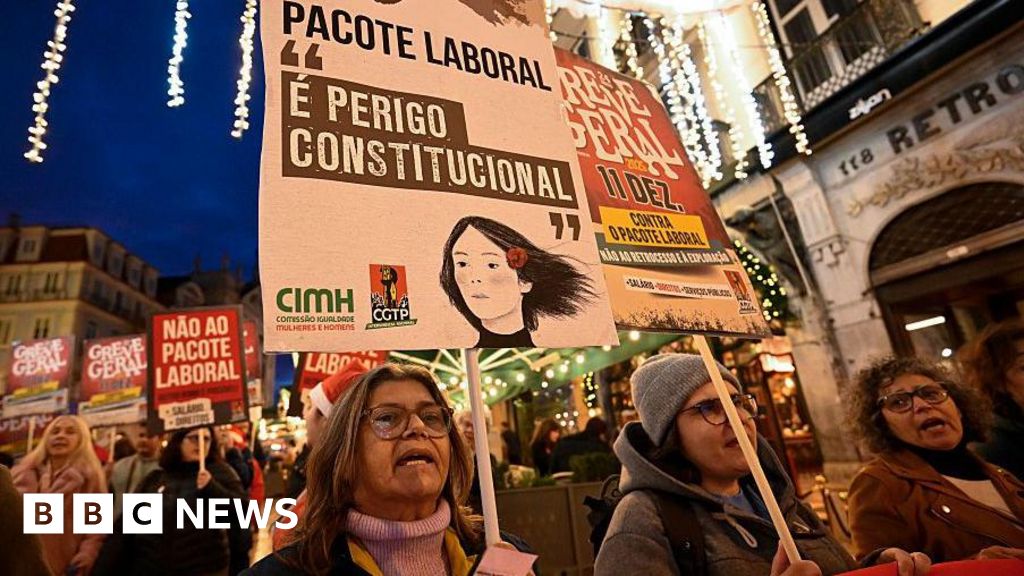
Portugal gears up for major protests in first nationwide strike in 12 years

The recent general strike in Portugal underscores a critical juncture in European geopolitics, where national sovereignty encounters the relentless pressures of international economic forces and domestic ideological battles. As transport, healthcare, and public services grind to a halt, the union federations CGTP and UGT, both historically resilient, have united against a sweeping labor reform package championed by Prime Minister Luís Montenegro. These reforms, which threaten to erode decades of worker protections, symbolize an underlying tension—one that reflects the global contest between free-market policies and the social safety nets cherished across European societies.

At the heart of the upheaval lies a package of over 100 proposals that, critics argue, serve primarily to empower employers at the expense of workers’ rights. Key among them are measures allowing firms to roll over temporary contracts indefinitely, facilitate sackings via outsourcing, and eliminate guarantees for reinstating unfairly dismissed employees. While Montenegro insists that these reforms are essential for Portugal’s economic revival, many see this as veering dangerously close to undermining the country’s robust employment protections rooted in its 1976 constitution. International economists and local workers alike warn that such measures could set a precedent, not just for Portugal, but for other nations apprehensive about losing sovereignty amid the global push for deregulation.

This internal struggle is compounded by political intrigue and external pressures, as Montenegro’s government seeks support from both the Liberal Initiative and the far-right Chega party—an alliance that raises eyebrows among observers. Since the recent elections, the leader of Chega, André Ventura, has expressed reservations about the reforms but remains open to negotiations, hinting at a broader political realignment. This maneuvering occurs against the backdrop of a *pre-election landscape*, where the very fabric of Portugal’s constitutional safeguards is threatened. Critics fear that the government’s attempts to relax employment laws could lead to the amendment of the constitution itself, thus weakening one of Europe’s most steadfast legal frameworks for workers’ rights.

In this tense climate, international organizations such as the European Union and the International Labour Organization watch with concern as social unrest takes center stage. Many analysts argue that Portugal’s crisis is emblematic of a broader phenomenon—where **sovereign nations** are caught between the economic imperatives imposed by transnational institutions and the rising tide of populist nationalism defending national sovereignty and social contracts. Historically, similar episodes—such as during the eurozone crisis—have foreshadowed future tensions that threaten the EU’s unity and the stability of the European project. The language of reform has often masked deeper struggles over who holds power in shaping the social fabric, and Portugal’s current upheaval signals that this question remains fiercely contested.

As the saga unfolds, the weight of history presses heavier on all involved. The impending presidential election and the looming threat of constitutional amendments have transformed what began as economic policy into a battlefield for national identity and sovereignty. The story of Portugal’s labor reforms is not merely about local politics; it’s a microcosm of a global power struggle—one where the outcome will determine whether societies retain their social protections or capitulate to international economic forces. In the shadow of historic institutions and the echoes of past crises, the future remains uncertain, with Portugal poised at a crossroads—its decisions shaping the trajectory of entire nations yet to come. The pages of history continue to turn, writing a chapter that will resonate far beyond Europe’s borders.
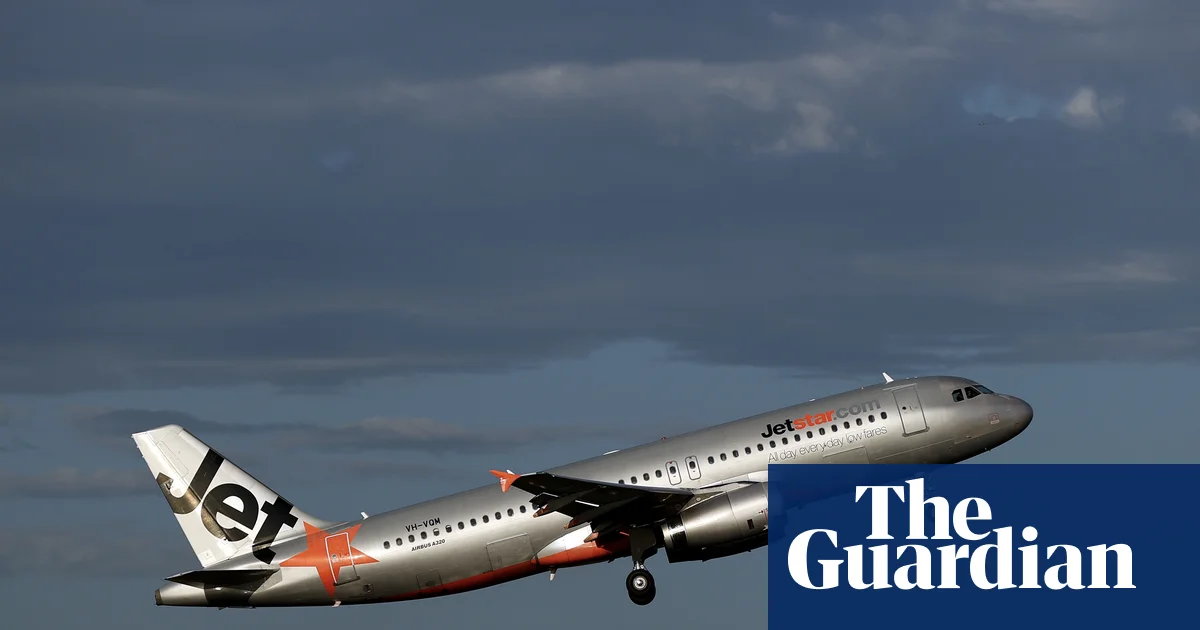
Jetstar cancels 90 Aussie flights amid Airbus A320 recall—disrupting travelers nationwide

International Flight Disruptions Reveal Fragility in Aerospace Safety and geopolitical Stability

In an unprecedented cascade of events, the global airline industry finds itself grappling with a crisis rooted not only in technical malfunctions but in the intricate web of international aviation safety. The recent grounding of **Jetstar**’s Airbus fleet, following critical software updates mandated by **Airbus** after a series of mid-air incidents, underscores how interconnected modern geopolitics, technological reliability, and national security have become. This incident exemplifies a pivotal moment where the safety of millions of passengers is intertwined with broader geopolitical currents, as nations emerge to scrutinize regulations, and global institutions face the pressure to act decisively.

The triggering event was an alert issued by **Airbus**, ordering an immediate software overhaul on a substantial number of its A320 aircraft, which are widely used by airlines such as **Qantas**, **Virgin Australia**, and **Air New Zealand**. The incident followed a JetBlue flight from Cancún, Mexico, to Newark, where an unexpected altitude loss resulted in injuries among passengers—raising alarms about potential vulnerabilities in critical flight control systems. The European Union Aviation Safety Agency (EASA), which certifies these aircraft, identified the problem as an “uncommanded pitch down event,” holding the potential for catastrophic structural failure should unchecked. Analysts warn that such technical glitches, if widely unaddressed, could erode confidence in international aviation safety standards, with ripple effects extending into diplomatic relations and economic stability.

The geopolitical impact extends beyond the immediate safety concerns. Countries that rely heavily on Airbus aircraft face a delicate balancing act—prioritizing passenger safety while managing the economic disruptions caused by flight cancellations across international and domestic routes. For instance, **Qantas** and **Virgin Australia**, both using Airbus aircraft, assured that their fleets would largely remain unaffected, emphasizing how national airlines are navigating the balance of safety, economic vitality, and geopolitical posture. Meanwhile, **Air New Zealand**—a cornerstone of New Zealand’s international connectivity—announced cancellations but reassured safety measures, highlighting how emerging aviation challenges threaten to influence regional stability and trade routes.

International organizations and security experts have voiced concern that this crisis exposes vulnerabilities in an era of increasingly sophisticated aviation technology—an arena now vulnerable to a potential mix of natural and malicious influences. Some agencies warn that the incident is a symptom of a broader shift where technological dependencies in aerospace are becoming new battlegrounds for international power struggles. Historically, analysts like Dr. Emilia Goto from the Global Security Institute argue that such disruptions, if exploited, could serve as pretexts for political leverage, especially amidst current global tensions involving **China**, **Russia**, and the **United States**. The crisis prompts a sobering reflection on how decisions taken in boardrooms and regulatory agencies now directly influence the security architecture of nations.

As this unfolding story continues to develop, the weight of history reminds us that in the 21st century, technological dependence has fundamentally altered the fabric of international stability. The recent grounding of aircraft and swift regulatory response symbolize how fragile the balance is—where the decisions of a multinational corporation, a regional airline, or a regulatory body can tip the scales of geopolitics. With each flight canceled, each safety directive issued, the world moves closer to a reality where the safety of the skies hinges on the complex interplay of technology, international cooperation, and geopolitical influence—an intricate dance where the first misstep could lead humanity into uncharted and dangerous territory, forever etching this crisis into the annals of history’s turbulent chapters.

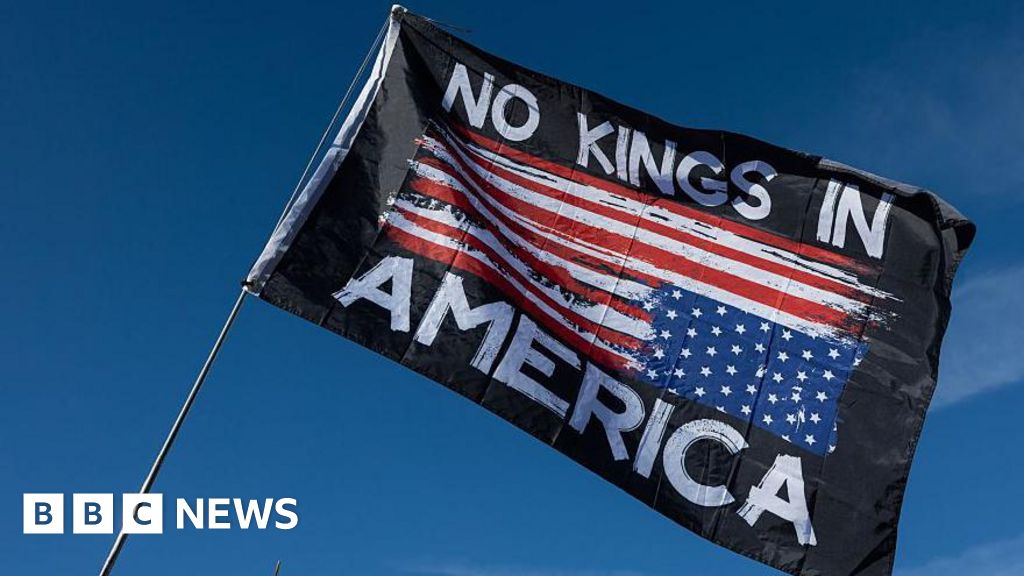
No Kings protests begin nationwide as National Guard stands ready

America witnesses a historic wave of mass protests, signaling a defining moment in its tumultuous political landscape. Organized under the banner of the “No Kings” movement, these demonstrations are set to mobilize over 2,500 locations across the country. With an estimated five million Americans having previously taken to the streets in June, the scale and fervor of these protests underscore a deep societal fracture—one that continues to resonate globally. The protests aim to challenge what organizers describe as President Donald Trump’s drift toward authoritarianism, asserting that “there are no kings in America,” and warning against escalating chaos, corruption, and cruelty.

International observers, including analysts from the United Nations and respected historians, recognize the significance of these events beyond the borders of the United States. European capitals like Berlin, Madrid, and Rome have seen solidarity rallies, reflecting how deeply discussions about democracy, sovereignty, and the limits of presidential power are echoing worldwide. The reaction from America’s internal political factions makes plain the stakes involved: while some Republican leaders call for the deployment of the National Guard in the name of security, Democrats condemn such measures as reminiscent of dictatorial regimes. This division speaks to a broader crisis of governance and legitimacy that has the potential to reshape America’s role on the global stage.

Within this historic context, President Trump’s own statements amplify the drama. In a pre-taped interview teased by Fox News, Trump dismissively remarked, “You know – they’re referring to me as a king. I’m not a king,”—a stark contradiction given the rhetoric of his opponents and the mobilization by reactionary voices within his camp. Meanwhile, Republican figures like Kansas Senator Roger Marshall and Texas Governor Greg Abbott frame the protests as threats linked to radical leftist factions like Antifa. Abbott’s decision to activate the National Guard has sparked fierce debate: critics argue it echoes authoritarian tactics, with Democrats, including Virginia’s Governor Glenn Youngkin, condemning the move as a suppression of peaceful dissent—a hallmark of despotic regimes. This confrontational stance raises pressing questions about the future trajectory of American civil liberties and governance.

As leaders, activists, and global observers watch with bated breath, the unfolding events in the United States could well mark a pivotal chapter in the course of national and international history. How nations respond to internal upheaval signals the state of their democratic health and resilience. The world remains attentive as this drama continues to unfold—a contest between authority and liberty that will ultimately define the legacy of a nation that once regarded itself as the beacon of freedom. Yet in the shadows of these turbulent protests, history quietly moves forward, its weight pressing down on the future, as the echoes of today’s confrontation threaten to shape the world’s future independence and sovereignty for generations to come.

Social Media Auto Publish Powered By : XYZScripts.com



