Matox News

Truth Over Trends, always!

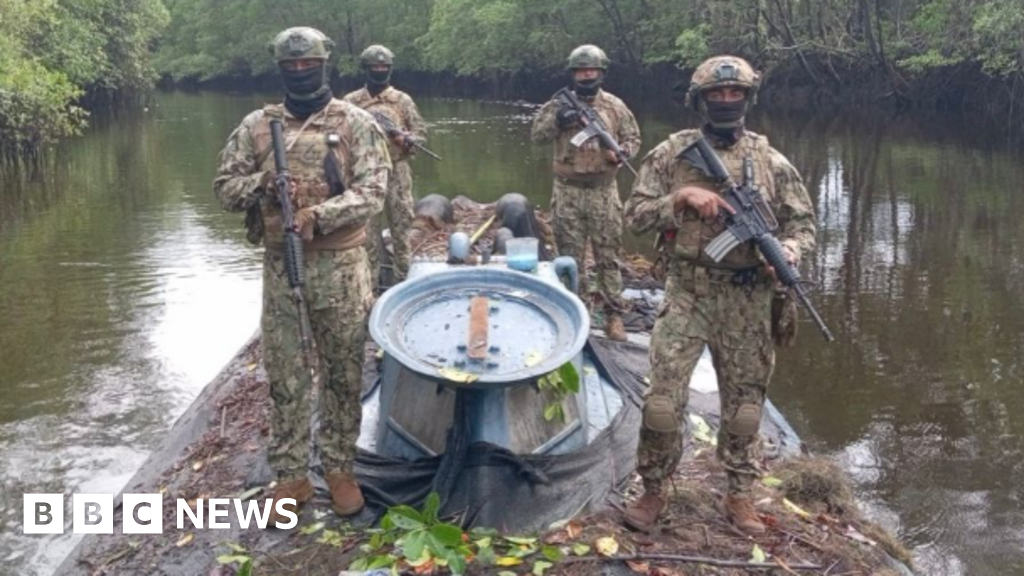
Ecuadorian Troops Uncover 35-Meter Drug Sub Hidden in Nature Reserve

In a significant development underscoring the ongoing shadow war against international drug trafficking, Ecuador’s military announced that an alleged drug-trafficking submersible was intercepted, fully loaded with fuel and primed for departure. This incident highlights the escalating use of sophisticated maritime technology by criminal syndicates operating across South America, a region increasingly pivotal in the global narcotics trade. Authorities reveal the vessel was discovered in Ecuadorian waters, a strategic corridor for traffickers aiming to evade conventional detection methods and reach their international markets.

The interception comes amid mounting concerns from regional and global security agencies over the expansion of clandestine underwater routes. These submersibles, often capable of traveling submerged for days and carrying large shipments, represent a technological leap in the trafficking arsenal, complicating efforts by law enforcement. The Ecuadorian military, in cooperation with international partners including the United States Drug Enforcement Administration (DEA), reportedly identified the vessel as part of a broader network operating throughout the Pacific coast, connecting South American production zones with transnational markets. Such operations pose a direct threat to regional stability and challenge existing maritime counter-narcotics strategies.

From a geopolitical perspective, this incident underscores the importance of Ecuador’s strategic position amid growing tensions in the broader Andean region. The country’s ability to intercept and dismantle such traffickers not only demonstrates effective state capacity but also signals a shift in regional security dynamics. Analysts from the International Crisis Group argue that these interdictions are crucial in curbing the flow of illegal drugs, which, if left unchecked, could fuel violence and corruption across South American nations. Furthermore, the use of technologically advanced submersibles reveals the adaptability of transnational criminal organizations, pushing law enforcement agencies to develop equally sophisticated surveillance and response capabilities.

  • Following this discovery, international organizations have called for increased surveillance and intelligence-sharing among neighboring states to combat the evolving threat.
  • Experts warn that such maritime trafficking methods, if left unchallenged, could lead to heightened violence, destabilizing governments and societies dependent on stability and rule of law.
  • The incident puts a spotlight on the importance of regional cooperation within U.N. conventions aimed at curbing illegal trafficking, although critics debate whether existing frameworks are sufficient to handle the technological advancements employed by traffickers.

As President Guillermo Lasso and military officials vow to intensify anti-drug operations, the incident serves as a stark reminder of the shifting landscape of global crime. Historians and security analysts emphasize that these technological innovations are not only a challenge but also a wake-up call—highlighting how clandestine networks adapt rapidly to enforce their illicit trade. The incident also raises questions about the efficacy of international cooperation and intelligence sharing, as criminal syndicates develop new methods to conceal and move their contraband beneath the waves.

In this unfolding chapter of international history, the confrontation over the seas and the shadows beneath them is far from over. Will nations succeed in strengthening their defenses and dismantling these covert networks, or will the ocean once again become a graveyard for their ambitions? As the world watches, the complexities of this war—fought in the depths of the Pacific and beyond—continue to shape the future of security, sovereignty, and the rule of law in the 21st century. This is a war not only of ships and submarines but of willpower and resilience, where the outcomes will reverberate through the corridors of global power for generations to come.

Australia Politics Update: Labor Tries to Win Greens and Coalition Support on Nature Laws in Final Week of 2025 Parliament

Global Power Dynamics in Flux: A Year of Unprecedented Shifts

As 2025 unfolds, the international arena witnesses a series of transformative developments that will undoubtedly leave a lasting imprint on the course of history. From the reaffirmation of aged alliances to emerging conflicts over resource control, the geopolitical landscape is shifting with unprecedented speed and intensity. Major world powers are recalibrating their strategies amidst the complex web of regional tensions and global challenges, signalling a new era where old paradigms are no longer sufficient to navigate the turbulent waters of the 21st century.

Key among these shifts is the continued resurgence of China and Russia, who are consolidating influence in strategic regions through economic, military, and diplomatic avenues. Western nations, particularly the United States and its NATO allies, are dispatching signals of renewed commitment to their traditional security pacts; however, cracks are beginning to surface within these alliances, driven by internal political shifts and divergent national interests. Yet, the most startling change may be the reassertion of sovereignty by emerging economies and regional powers asserting their independence from Western dominance, transforming previous unipolar narratives into a more multipolar reality.

Within this context, international organizations such as the United Nations and the World Trade Organization face increasing scrutiny and calls for reform, largely because their ability to mediate effectively has been hampered by national self-interests. The global climate crisis adds a layer of urgency to these diplomatic negotiations, with nations balancing the imperative for sustainable development against short-term economic gains. Historians and analysts warn that failure to adapt to these new realities could lead to heightened conflicts over resources and technology, with the potential for widespread instability.

Of particular concern is the escalation of conflicts over critical resources, including rare earth elements, water, and energy supplies, which are vital for technological and military superiority. Countries are increasingly turning inward, prioritizing self-reliance and securing their borders against what many perceive as external threats. This trend signifies a fundamental challenge to the post-World War order and a deliberate move toward geopolitical resilience. As nations navigate these turbulent waters, scholars emphasize the importance of maintaining open channels for dialogue to prevent misunderstandings from spiraling into all-out confrontations. The next few years are likely to be pivotal, as political factions and regional actors push for dominance, making the path forward anything but predictable.

In conclusion, the unfolding history of 2025 is a stark reminder that the decisions made today will echo through generations. As global players recalibrate their positions and face the consequences of their actions, the world stands at a perilous crossroads—where the pursuit of power and security risks eclipsing the common good. The cause-and-effect of these seismic shifts will shape the fabric of international relations for decades to come, leaving behind a legacy that history will scrutinize with relentless scrutiny. In this drama of diplomacy and conflict, the weight of the future remains uncertain, yet undeniably heavy—building a story of resilience, rivalry, and revolution that is still quietly being written in the shadows of the great halls of power.

Turning Nature Into Education: How a Forest Preschool Boosts Kids’ Health and Future

Biodiversity and the Future of Society: Finland’s Rewilding Movement in Early Childhood Education

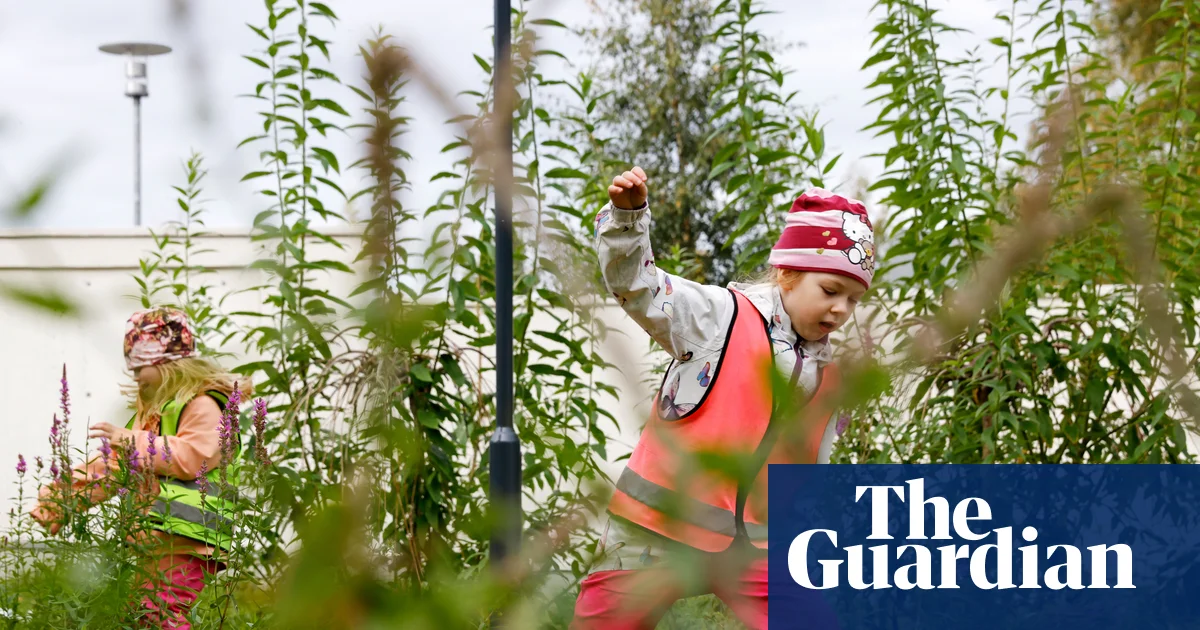
Imagine a society where our youngest generations are immersed in natural ecosystems from the very beginning. In Finland, a pioneering movement is reshaping how communities approach childhood development, emphasizing the profound importance of microbial biodiversity for health, learning, and societal resilience. At the core of this initiative are kindergarten yards transformed into vibrant, biodiverse landscapes—reclaimed from concrete and asphalt—where children are encouraged to dig in soil, forage for berries, and discover bugs. By exposing children early to the complex web of nature, educators aim to foster robust immune systems while instilling an enduring respect for the environment. Institutional efforts like these resonate with sociologists like Michael Foucault, who underscored the importance of spaces of knowledge and health, highlighting how societal structures can be reconfigured to favor *well-being* over sterile convenience.

The social implications of this shift extend beyond health, touching on questions of how communities organize space and prioritize collective health. As these rewilded daycare centers flourish, they challenge the prevailing sanitized model of childhood—characterized by synthetic mats, plastic toys, and limited contact with the natural world. Finland’s innovative project has been supported by €1 million in funding awarded to 43 centers to increase environmental diversity. The outcome has been a remarkable reduction in childhood disease-causing bacteria, such as Streptococcus, and an increase in immune cells critical to preventing autoimmune diseases, as shown by recent research. This is a testament to how social policies rooted in environmental realism can paradoxically cultivate healthier, more resilient human bodies and communities. Families and educators are discovering that nurturing microbiodiversity is not just an environmental priority in isolation but a societal imperative for nurturing the next generation of citizens able to withstand the health challenges of the modern age.

But the social benefits reach further, as studies reveal that this engagement with nature enhances cognitive development and emotional well-being. According to research from the University of Sheffield, green barriers, such as plant hedges, have effectively reduced harmful air pollutants like nitrogen dioxide around school playgrounds. Such approaches demonstrate that the move outside is essential not only for health but for cultivating a sense of community and environmental stewardship among children. Finnish educators emphasize that they want to move the “action from inside to outside,” highlighting a societal shift towards integrating ecological consciousness into daily life. This vision echoes the ideas of environmental thinkers who advocate for a society where human activities harmonize with natural processes—an urgent response to the *demographic and ecological shifts* threatening our collective future.

As society grapples with environmental loss and public health crises, these Finnish initiatives serve as both a vision and a call to action. The underlying message is clear: by integrating biodiversity into the very fabric of childhood learning environments, we instill values that transcend individual health—values rooted in understanding our interconnectedness with the Earth’s ecosystems. Perhaps, in nurturing this respect and resilience from the earliest age, society can begin to repair the fractured relationship it has with nature. This is not merely an experiment in education but a blueprint for societal renewal—where hope emerges from understanding the intricate dance of microbes, trees, and human life, reminding us that the path to a sustainable future begins with the smallest hands in the dirt and the boldest visions for a society that values health, community, and the environment equally.

Young Buyers Push into ‘Nature Deserts’: UK Data Reveals New Reality

Urban Development and Green Spaces: A Societal Challenge

In recent years, the struggle for affordable housing in the UK has driven many first-time buyers into areas increasingly devoid of nature, green spaces, and vital ecological resources. A groundbreaking study by Wildlife and Countryside Link reveals a troubling correlation: for every square meter of green space lost to urban development, hundreds of new homeowners are drawn to these degraded areas, seeking affordable properties, yet inadvertently sacrificing essential mental, physical, and community health benefits. As sociologists like Raymond Williams have observed, the fabric of a thriving society is woven tightly with access to natural environments, forming a cornerstone of community well-being. When green spaces vanish, it is not only urban landscapes that change; families, schools, and local communities all bear the consequences.

This loss of green space has profound social implications. The study highlights a stark disparity: residents living more than 800 metres from parks or natural areas report significantly higher rates of anxiety, depression, and overall wellbeing issues, especially during crises such as COVID-19. Conversely, areas with fewer parks—often the cheapest—see an influx of first-time buyers, creating a socio-economic paradox: those thriving in these “nature deserts” are often the very communities most vulnerable to health disparities. Such a societal landscape fosters greater inequality, where the pursuit of affordable housing results in a fragmented society less connected to nature and each other. Scholars like eco-socialist David Harvey warn of this unchecked growth as a threat to cohesive community development, emphasizing that public health and social stability are inherently linked to our environmental condition.

Addressing these challenges calls for both urgent policy reform and a rethinking of urban planning. Advocates, including Ingrid Samuel of the National Trust, urge the government to amend its current planning bill—to embed guarantees for green and blue spaces in every new development. Proposed amendments aim to strengthen safeguards for existing landscapes while requiring the integration of parks, waterways, and wild habitats into new housing projects. This approach recognizes that green space isn’t merely a luxury but a fundamental human right essential for physical and mental health. Social commentators argue that building communities with access to nature fosters resilience, inclusivity, and a collective sense of belonging, vital ingredients for a society facing the pressures of urban growth and environmental change.

Ultimately, the story of green spaces in the UK is not just about conservation—it’s about safeguarding the future of our society. As the rush for housing continues, the challenge remains: How can we ensure that progress does not cost us the very environment that sustains us? It is within this tension—between development and preservation—that society must find its moral compass. As John Muir once said, “In every walk with nature one receives far more than he seeks,” and it falls upon us to forge a future where such walks are not a privilege of the few, but a right for all. Only then can we hope to nurture societies where families are rooted not just in bricks and mortar, but in the timeless embrace of nature’s sanctuary.

Minister to Keep Final Say on Controversial Projects as Labor’s Nature Laws Stay Put

Australia’s Environmental Legal Reforms: A Reflection of Global Power Dynamics

The announcement surrounding Australia’s new federal environmental laws underscores a pivotal moment in the nation’s journey to balance economic growth with ecological stewardship. Under the leadership of Environment Minister Murray Watt, the revised Environment Protection and Biodiversity Conservation (EPBC) Act aims to redefine project approval processes, yet it retains crucial ministerial decision-making authority. This approach, favored by Labor, the Coalition, and industry stakeholders, has sparked fierce debate among environmental advocates. Critics argue that this model could inherently allow vested interests—particularly big business and mining conglomerates—to exert undue influence on environmental outcomes, raising concerns about the integrity of Australia’s ecological safeguards.

The decision to keep the environment minister as the ultimate arbiter in project approvals marks a nuanced resolution that reflects Australia’s strategic geopolitical stance—favoring pragmatic leadership that appeals to economic pragmatism and industry interests. By maintaining ministerial discretion rather than establishing a fully independent oversight body, the government signals a desire to avoid judicial paralysis and facilitate quicker project approvals, especially for resource-intensive developments. Historian and political analyst Dr. Jonathan Mead notes that such decisions often trade environmental transparency for national economic interests, aligning with a broader pattern observed in resource-rich democracies grappling with their global image. However, international organizations warn that such self-regulation could undermine Australia’s commitments to climate change mitigation, especially as global pressure mounts for transparent environmental governance.

The recent legal amendments also introduce a new entity, the National Environment Protection Agency (NEPA), designed to monitor compliance and enforce laws independently from direct ministerial influence. While advocates like Environment Minister Watt emphasize NEPA’s enhanced enforcement powers, critics—including the Australian Conservation Foundation—remain skeptical. They argue that without full independence, NEPA risks becoming an administrative extension of government rather than an impartial watchdog. The Greens’ environment spokesperson, Sarah Hanson-Young, warns that the proposed model could devolve into “another branch of government bureaucracy,” lacking the teeth needed to effectively challenge powerful industrial actors. This debate underscores a critical connection to how decisions at the national level ripple across society—potentially marginalizing indigenous communities, rural populations, and environmental concerns in favor of economic expediency.

Globally, Australia’s moves resonate with similar shifts in resource policies observed among major powers—including the United States and China. While the Green New Deal in the U.S. advocates for robust independent agencies to guard environmental integrity, bipartisan gridlock often hampers progress. Conversely, China employs top-down state control to rapidly develop its resource sectors, often at environmental and social costs. As international analysts observe, the Australia case exemplifies a broader struggle: nations contending with the dual pressures of economic development and environmental sustainability, all within a geopolitical landscape marked by competition and cooperation.

As history continues to unfold, Australia’s legislative choices serve as a potent reminder of how national policies embody the geopolitical ambitions of controlling actors—balancing the allure of resource wealth against the weight of environmental responsibility. While the world watches and critics warn of the perils of compromised integrity, Australia stands at a crossroads—its future ecological legacy intertwined with questions of sovereignty, influence, and the true cost of progress. The pages of history remain unwritten, but the echoes of these decisions will reverberate through generations to come—a testament to the enduring struggle to forge a sustainable path amid global uncertainty.

Social Media Auto Publish Powered By : XYZScripts.com