Matox News

Truth Over Trends, always!

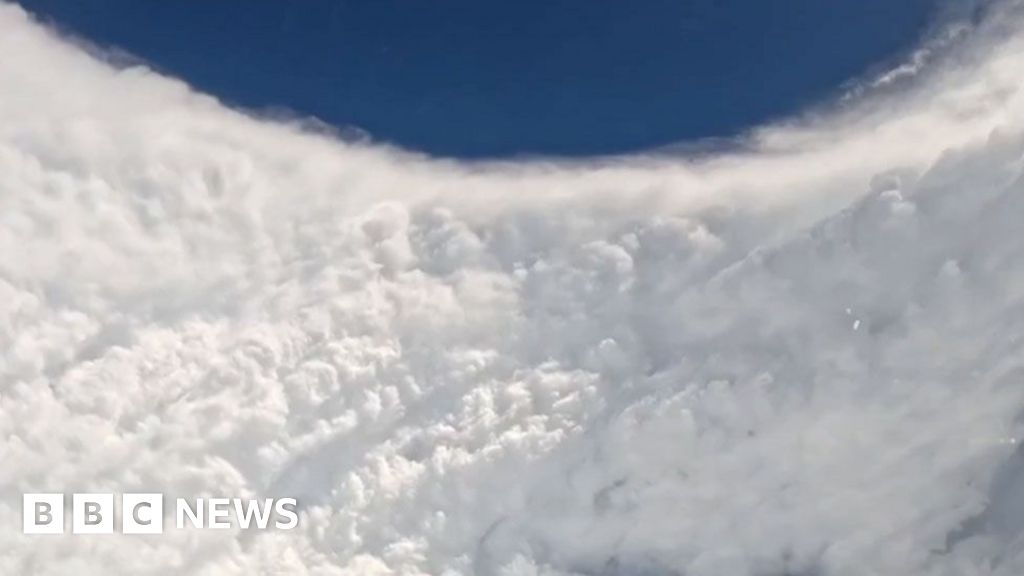
Storm chasers venture into the eye of Hurricane Melissa—braving Mother Nature’s fury.

In a striking display of nature’s relentless power, Hurricane Melissa—with wind speeds soaring to 175mph (282km/h)—has become the year’s fiercest storm and the most formidable of the 2025 cyclone season. The US Air Force Reserve’s “Hurricane Hunters” recently ventured into its eye, gathering crucial data for the National Hurricane Center amid mounting concerns about the increasing intensity and frequency of such phenomena. As this catastrophic storm approaches late Monday or early Tuesday in Jamaica and then traverses across eastern Cuba and the Bahamas, the global community remains on high alert, cognizant of the broader geopolitical and societal impacts unfolding in its wake.

Environmental experts and international analysts have pointed to climate change as a primary driver behind the escalation of superstorms like Melissa. Historically, storm intensity has been regarded as a natural cycle, but recent patterns have alarmed climate scientists worldwide. A report by the Intergovernmental Panel on Climate Change (IPCC) warns that without decisive global action, hurricanes could become not only more frequent but also more devastating. Such meteorological upheavals threaten economic stability and threaten to deepen societal disparities—particularly in vulnerable nations within the Caribbean and downstream in North America and beyond. This storm’s trajectory and ferocity underscore a glaring reminder: humanity is at a crossroads, where environmental decisions of the past now manifest as future tragedies.

The geopolitical impact of hurricanes like Melissa stretches beyond the natural realm, influencing international power dynamics and security concerns. Countries in the Caribbean, dependent on tourism and agriculture, face economic crises should these storms cause extensive destruction. Rivalries and alliances may also shift as nations struggle to provide aid and infrastructure rebuilding—an often overlooked facet of climate-related disasters. Meanwhile, U.S. and international organizations are coordinating emergency preparedness and relief efforts, though critics highlight disparities in aid distribution and resilience planning. The storm’s approach serves as a stark reminder that climate challenges echo geopolitical struggles, compelling leaders to prioritize environmental stability in their strategic calculations.

Prominent historians and analysts, such as Dr. Patrick M., argue that Melissa’s unprecedented strength signals a pivotal moment in global history—one where nations must confront the harsh reality that natural calamities are no longer isolated incidents but components of a broader, interconnected crisis. The climate negotiations and treaties drafted over recent decades now face increased scrutiny, as skeptics decry the lack of concrete action. The unfolding drama of Hurricane Melissa encapsulates a moment where environmental, social, and political threads intertwine, forging a narrative that will shape policies for generations. As the storm’s winds rage and ocean’s fury swells, the world must grapple with this emerging truth: history is being rewritten beneath the storm clouds, and how humanity reacts may determine the course of civilizations yet to come.
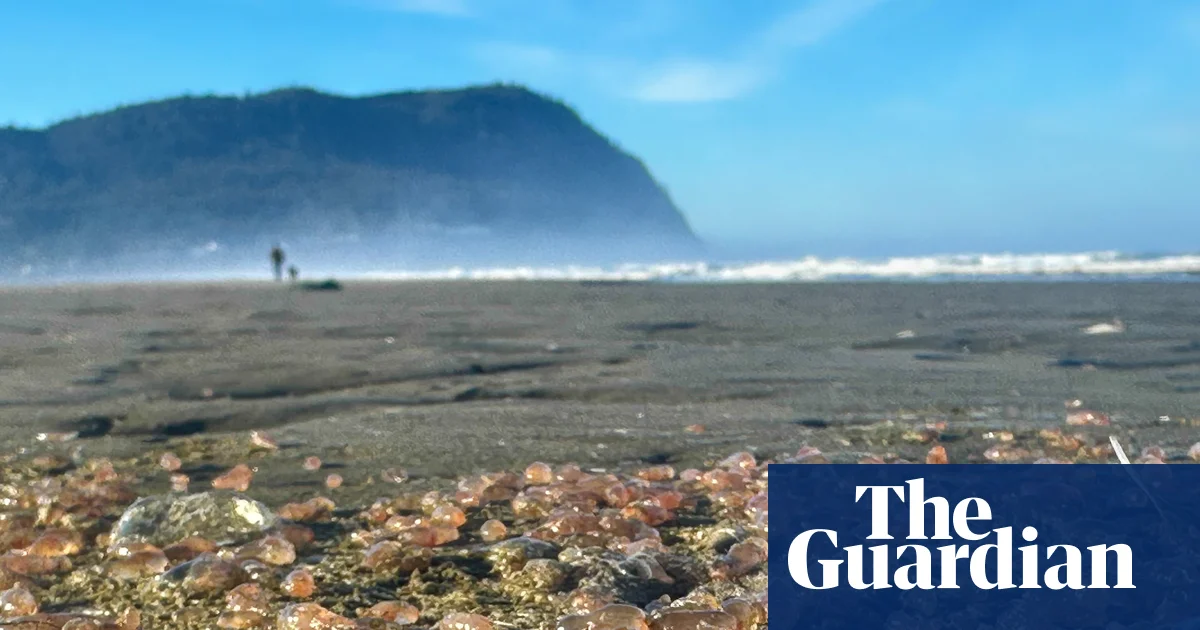

Thousands of sea cucumbers wash up along Oregon coast, raising concerns about nature's chaos
Thousands of sea cucumbers wash up along Oregon coast, raising concerns about nature’s chaos

Environmental Phenomenon Strikes Oregon Coast: Thousands of Sea Cucumbers Wash Ashore

In a rare and striking display of nature’s unpredictability, Seaside, Oregon, has recently become the staging ground for an unusual marine event. Thousands of Leptosynapta clarki, or skin-breathing sea cucumbers, have been washed onto the beach following a combination of heavy surf and low tide. This event, which spans over an astonishing 2 miles of coastline, underscores the complex interactions within marine ecosystems and highlights the vulnerability of specific marine species to shifting oceanic conditions. As tourists and locals alike observe this bizarre spectacle, it is vital to understand the broader geopolitical implications linked to marine environmental shifts and the warning signs they present for future ecological stability.

Marine biologists and environmental analysts suggest that such phenomena occur sporadically, often triggered by specific confluence of surf and tide conditions. Dr. Michelle Yang, a marine ecologist at the National Oceanic and Atmospheric Administration (NOAA), pointed out that while these events can happen a few times a year or even less frequently, their scale and timing might be indicative of broader environmental stressors, including climate change and oceanic acidification. The sea cucumbers themselves, typically inhabiting the sand from northern California to the Gulf of Alaska, are incapable of returning to their preferred habitat after such displacements, leading to their eventual death and decomposition on the shore. This creates a temporary, yet significant, nutrient source for local invertebrates, which further alters the seaside’s delicate food chain.

Analysts warn that these increasingly frequent and widespread occurrences could have ramifications beyond local ecosystems—they are potential indicator signals of deeper, global marine disruptions. Many international experts warn that as ocean temperatures rise and weather patterns become more volatile due to climate change, similar incidents might become more common, affecting fisheries, coastal economies, and regional stability. The event in Oregon echoes past concerns expressed by organizations such as the United Nations’ Intergovernmental Panel on Climate Change (IPCC), which predicts that marine biodiversity could face unprecedented challenges in upcoming decades. This phenomenon might not only be an ecological anomaly but a harbinger of broader uprising shifts disrupting the relationship between nature and human progress.

Historian and geopolitical analyst Dr. Marcus Keller emphasizes that such marine disturbances serve as stark reminders of the interconnectedness of environmental health and international security. As nations grapple with climate policies and maritime disputes, the health of our oceans becomes an integral component of geopolitical stability. The deteriorating state of marine ecosystems, evidenced by events like the sea cucumber influx, underscores the urgency of global cooperation over environmental governance. The crisis in the Oregon coast exemplifies how localized natural events can reflect and influence international debates on environmental responsibility, resource management, and climate resilience. As history continues to unfold in the shifting tides of our planet, it remains clear that the choices made today about how we treat our oceans will echo in the halls of history—either as part of a sustainable future or as a chapter of neglect and loss.

In the end, the sea’s silent upheaval reminds us that nature’s fury and resilience are boundless, leaving humanity to ponder whether we are merely spectators or active participants in this unfolding story of planetary destiny.

Social Media Auto Publish Powered By : XYZScripts.com


