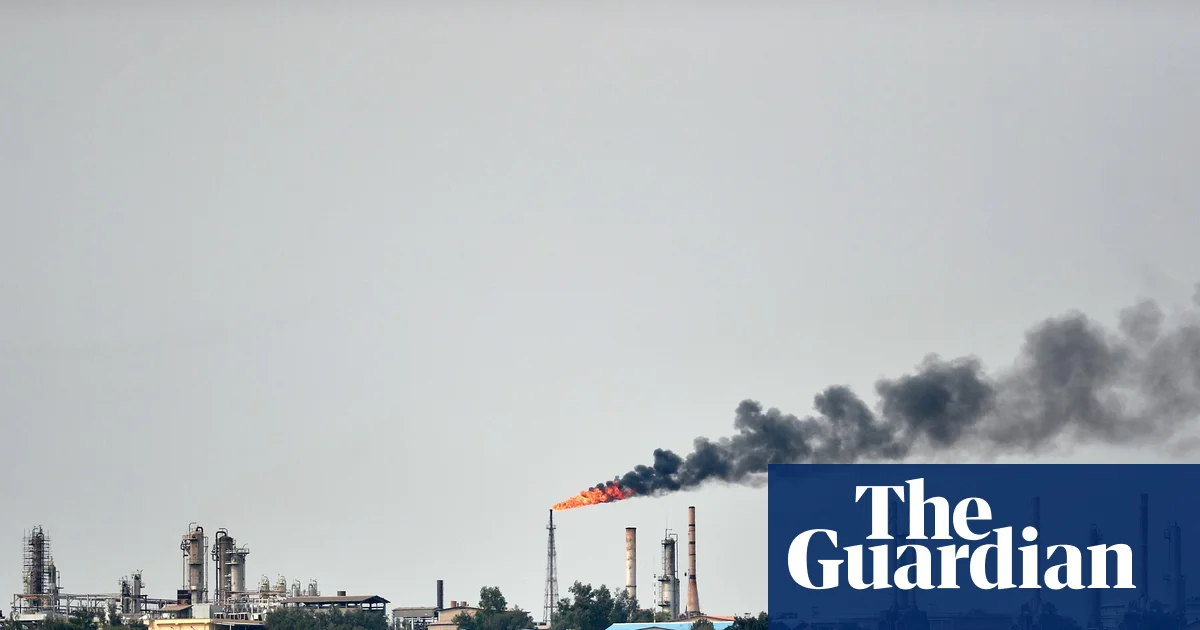

The United States has struck a significant blow on Iran’s Kharg Island, a critical maritime node and a linchpin in Iran’s oil export infrastructure. President Donald Trump announced that US forces had “obliterated” military targets on the island, although explicitly spared the oil facilities themselves—an act of restraint that nonetheless signals a clear message of military dominance and intent. The strike, described by White House officials as a demonstration of strength, signals an escalation in the ongoing confrontation between the two powers and underscores how US foreign policy continues to influence Middle Eastern geopolitics amid rising tensions. The decision to target military assets on Kharg Island not only impacts Iran’s commodity exports but also sends ripples across global markets, given the strategic importance of oil in world affairs.
This covert yet provocative act comes in the wake of escalating rhetoric and military posturing. Just days prior, Iranian officials, notably Mohammad-Bagher Ghalibaf, the speaker of the Iranian parliament, warned that any attack on Iran’s territorial waters or oil infrastructure would trigger a severe retaliation. His declaration—that Iran could “abandon all restraint”—underscores the deepening hostility and the high stakes at play. Analysts warn that such threats could lead to a dangerous cycle of escalation, threatening to ignite a broader conflict in a region already volatile from years of proxy wars, sanctions, and political unrest. The International Atomic Energy Agency and other organizations monitor these developments, worried that further military aggression might spiral out of control, destabilizing the entire Gulf region and affecting global energy security.
The geopolitical impact of this latest operation is profound. Kharg Island, as the primary exit for Iran’s oil exports, is a critical choke point in the global flow of energy resources. Any disruption could cause international prices to skyrocket, with oil prices already surging past $120 per barrel and analysts speculating that further attacks could push prices as high as $150, jeopardizing global economies and fueling inflation worldwide. The deployment of approximately 2,500 Marines aboard the amphibious assault ship USS Tripoli and a flotilla of other naval assets reflects a clear message: the US is prepared to escalate military measures if necessary. Though officials deny the imminence of a ground invasion, the presence of such forces signals readiness for any contingency, raising fears of a broader conflict that could engulf the region and rewrite the balance of power in the Middle East.
Historically, this volatile period echoes Cold War-era brinkmanship, with historians and foreign policy analysts warning that miscalculations could lead to catastrophic conflict. The United Nations and neighboring nations, desperate to prevent a full-scale war, call for restraint but recognize that decisions taken today could determine the future stability of the entire region. As the winds of international diplomacy blow cold, the looming shadow of possible escalation hangs over the Gulf. The unfolding narrative remains one of tension, with each decision echoing in the halls of history, reminding the world that this critical crossroads in the 21st century is a battleground not only of armies but of ideologies, economic interests, and the enduring struggle for dominance in an increasingly fractured global order. History watches as the decisions made in this fragile moment could shape the fate of nations for generations to come, leaving us all to confront the heavy weight of an unfolding chapter in world history.