Matox News

Truth Over Trends, always!

Navalny’s mother calls poison evidence proof he was targeted and murdered

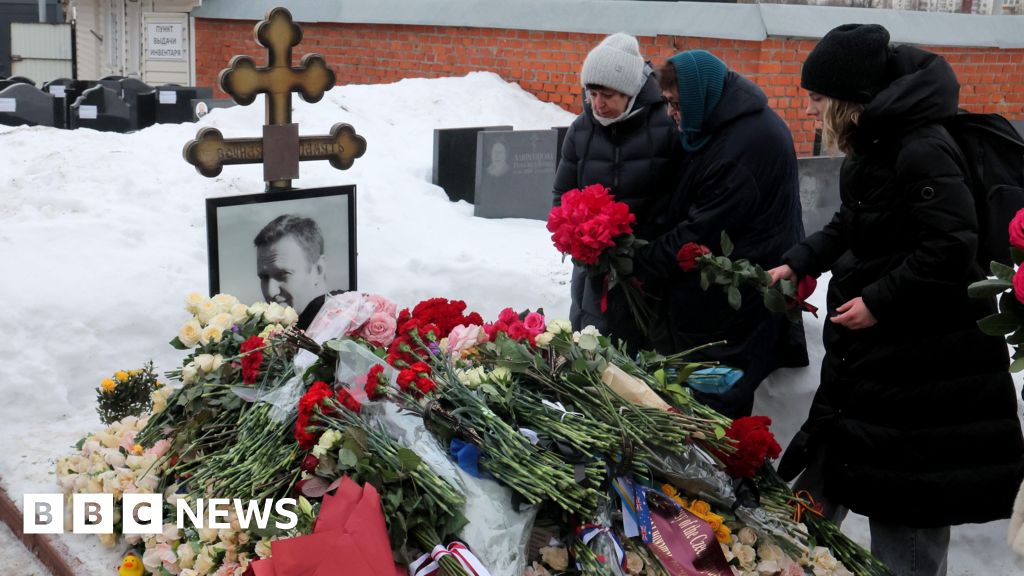
As the world marks the second anniversary of the death of Alexei Navalny, his mother, Lyudmila Navalnaya, delivers a poignant reminder that challenges to political sovereignty in Russia extend far beyond individual human tragedies. She asserts that her son’s death was not merely a tragic consequence of incarceration but an event reflective of a broader geopolitical struggle, one that tests the resilience of international norms and the sovereignty of nations.

Unveiling a Deadly System and Its Impact on Global Stability

Navalny’s death in prison, widely seen as a breach of human rights, resonates as a stark warning to Western democracies and autocratic regimes alike. Analysts from the International Institute for Strategic Studies highlight that this event underscores the peril of unchecked authoritarianism, which threatens to destabilize regional equilibrium. Despite global diplomatic efforts, Russia remains resolute in suppressing political dissent, thereby challenging the principles of sovereignty and self-determination. Such actions have prompted rising concern among nations who view navalny’s fate as a bellwether for the trajectory of Russia’s internal governance and its international commitments.

Global Reactions and the Struggle for Accountability

The international community, especially the European Union and the United States, faces mounting pressure to balance strategic interests with the imperative of human rights enforcement. The United Nations has repeatedly called for transparency and accountability but remains hamstrung by political divisions. According to prominent historians like Anne Applebaum, the modern world enters a new phase where the fight for democratic values is contested through geopolitical power plays. As Russia dismisses Western criticisms, the risk increases that the global order will fragment into competing spheres of influence. This dynamic directly affects societies worldwide by threatening to erode the international legal frameworks that once underpinned diplomatic stability.

How Decisions on the International Stage Shape Societies

Every diplomatic move concerning Russia reverberates across national borders, influencing regional security, economic stability, and public perceptions of justice and governance. The decision by Western nations to impose sanctions or engage in dialogue directly impacts the stability of Eastern Europe and beyond. Such choices are scrutinized by global analysts, who warn that persistent inaction or misguided policies could embolden other regimes to adopt similarly ruthless tactics. As history demonstrates, the suppression of political dissent in Russia does not occur in isolation; it threatens to empower autocratic tendencies across the world, destabilizing the international system itself.

Historical Echoes and the Unfolding Reality

Throughout history, instances of political repression have often marked turning points—either sparking upheaval or cementing authoritarian rule. Today’s situation, with Navalny’s death serving as a somber reminder, echoes the warnings of pre-World War II upheavals when unchecked tyranny went unchallenged. Analysts like Timothy Snyder suggest that this era may well define the global landscape for decades to come. The weight of this unfolding narrative underscores the importance of steadfast resistance to oppressive regimes, lest the lessons of history be lost and humanity march toward an uncertain future where the triumph of individual rights and sovereignty remains under threat.

As nations grapple with the repercussions of the Navalny tragedy, the historical significance becomes painfully clear: the decisions made today will determine whether democracy endures or succumbs beneath the weight of authoritarian ambition. The story is far from over; indeed, the arc of history continues to be written by those willing to confront tyranny and stand firm for the principles that safeguard human dignity. In this moment of peril and hope, the world remains a battleground of ideas—where the future of freedom itself hangs in the balance, and the echoes of history threaten to shape the destiny of generations yet unborn.


What’s the truth about the dart frog toxin linked to Navalny’s case?

Global Implications of Epibatidine Discovery and Its Potential Use

The discovery and subsequent manufacturing of epibatidine, a potent toxin present naturally in certain South American frogs, has emerged as a flashpoint within the broader arena of international security and scientific advancement. Originally isolated from the skin of *Epipedobates* frogs, this compound has gained notoriety not only because of its biological properties but also due to its potential applications, both medicinal and malicious. With the ability to be synthesized in laboratories, the threat of its misuse as a chemical weapon or forensic tool has heightened, prompting urgent reassessment of geopolitical risks and regulatory measures across the globe.

Veteran analysts and historians caution that the proliferation of such substances *exemplifies the evolving nature of biological and chemical threats*. Notably, international organizations such as the World Health Organization and United Nations have sounded alarms about the increasing sophistication in synthetic toxin production. The rise of laboratory-manufactured epibatidine signals a critical juncture, where technological capabilities empower rogue states, terrorists, and biohackers to develop potent chemical agents with minimal oversight. This development underscores the importance of robust global treaties stipulating strict controls over chemical and biological research; yet, critics argue that existing frameworks are insufficient to contain the clandestine trade and unregulated synthesis of such dangerous substances.

From a geopolitical standpoint, several nations—particularly those with established or emerging chemical weapons programs—view epibatidine as both a challenge and an opportunity. South American countries harbor the natural source, but the anonymity and global diffusion of chemical synthesis threaten to make the toxin a device in the toolkit of hostile actors. Meanwhile, major powers such as the United States, Russia, and China are investing in advanced detection technologies and intelligence gathering to stay ahead of clandestine laboratories. These efforts are often justified as part of a broader push to prevent *the weaponization of biological agents*, yet some pundits argue that these measures could escalate tensions or lead to preemptive strikes based on flimsy intelligence.

Some experts point to history for lessons to shape future responses. The ominous shadow cast by chemical weapon use during the 20th century—most infamously during conflicts such as World War I and the Iran-Iraq war—serves as a stark warning. As Dr. Hannah Roberts, a leading international security analyst, notes, *”The emergence of synthetic toxins like epibatidine could redefine the landscape of chemical and biological warfare, making it more accessible and harder to detect. This has profound consequences for global stability.”* She emphasizes the necessity of international cooperation and preemptive legal frameworks to prevent what many fear is an inevitable expansion of bioweapons arsenals.

As the world stands at this perilous crossroads, the full implications of *the hybridization of nature and lab science* become clear. With history whispering urgent warnings, nations must determine whether diplomacy and cooperation can contain this threat, or if humanity will once again flirt dangerously close to the edge of catastrophe. The story of epibatidine is no longer just about a mysterious toxin from South America—it is a chapter in the unfolding saga of how humankind grapples with the moral, scientific, and geopolitical consequences of wielding the most powerful tools of life and death. The pages of history remain unwritten, but the weight of its next chapter already hangs heavily in the air, demanding vigilance and courage amidst the shadows of an uncertain future.

Social Media Auto Publish Powered By : XYZScripts.com