Matox News

Truth Over Trends, always!

Shocking Fraud Unearthed: Poker Cheats Using X-Ray Tables, Tech Gear, and NBA Athletes

Global Crime Syndicates Hit Hard: Mafia-Linked Poker Scheme Unveiled with Devastating Geopolitical Ramifications

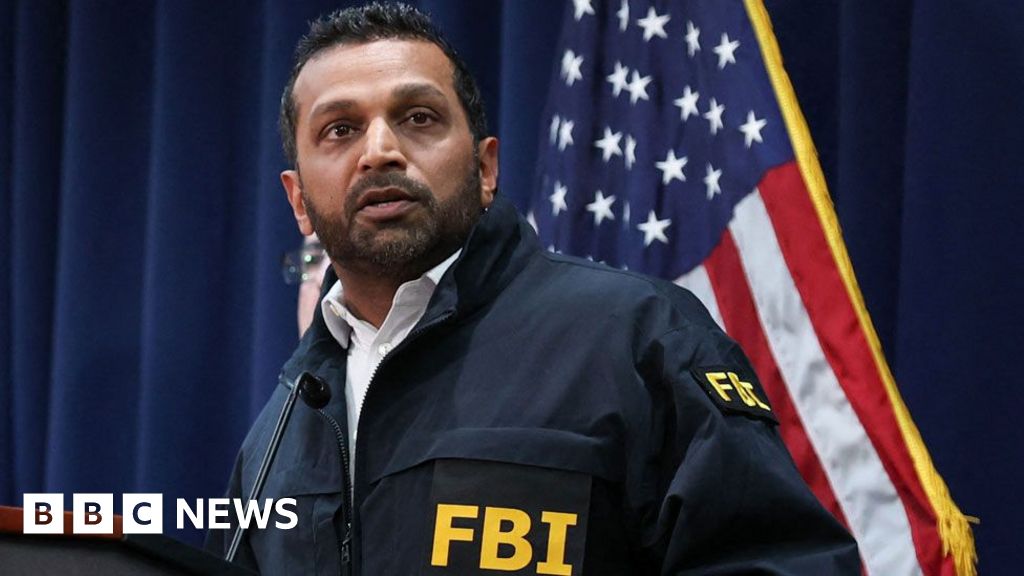
In a startling development that underscores the shadowy reach of organized crime into the fabric of American society, federal authorities have dismantled an elaborate gambling scheme linked to Italian mafia factions, including the notorious Bonanno, Gambino, Luchesse, and Genovese families. The investigation, spanning several years and involving relentless federal agents, revealed a sophisticated network targeting high-profile individuals such as celebrities, professional athletes, and wealthy gamblers, with far-reaching geopolitical impact being a core concern for analysts around the world.

The operation, which prosecutors describe as “reminiscent of a Hollywood movie,” employed cutting-edge technology — from X-ray card tables to rigged shuffling machines and contact lenses capable of reading concealed cards — as part of a well-orchestrated effort by criminals to manipulate outcomes and siphon millions. Such technological ingenuity not only exposes the vulnerability of clandestine gambling operations but also demonstrates how technological advancements are increasingly exploited for illicit activities across borders. The scheme’s use of cryptocurrency and shell companies to launder profits illustrates the innovation organized crime employs to stay ahead of law enforcement efforts, threatening the stability of financial systems and how decisions made in legal arenas resonate globally.

High-Profile Figures and International Implications

The scheme’s ripple effects extend beyond national borders, with arrests including NBA coach Chauncey Billups and former NBA player Damon Jones. Billups, identified as a “face card” in the illegal poker games, was detained in Portland and reported to be on leave from the NBA, highlighting how organized crime’s reach infiltrates even mainstream sports and entertainment sectors. The involvement of elite athletes, who prosecutors say were enlisted to lure unwitting victims (“fishes”), reveals the dangerous intersection of sports, crime, and international influence. The FBI’s assistant director in charge, Christopher Raia, described the scheme as a threat to national security, emphasizing how organized crime groups use financial resources to fund their broader criminal enterprises, which could include transnational operations far beyond US borders.

Analysts suggest that this bust serves as a warning to other nations about the cross-border nature of organized crime, especially considering the longstanding influence of Italian mafia families interconnected through global criminal networks. The tapestry of illicit activities that includes money laundering, illegal betting, and rigged gambling tables paints a stark picture of a criminal underworld that adapts swiftly to technological change. International organizations such as INTERPOL view the case as a clarion call for enhanced cooperation, recognizing that how nations counter these schemes directly affects societal stability. The dismantling of this operation signifies a pivotal shift, reinforcing the idea that organized crime’s tentacles extend into financial, sporting, and entertainment sectors worldwide — a clear reflection of the complex geopolitical landscape it fuels.

History’s Unfolding Shadow Play

As authorities continue to unravel this sprawling web of deceit, the broader significance becomes clear: history is being written not just with arrests, but through the looming shadow of crime shaping the future of justice and security. The case acts as a stark reminder of how turning points in global criminal pursuits threaten to destabilize societies, challenge law enforcement, and redefine the boundaries of justice. Every technological innovation exploited by these networks whispers a warning to nations still grappling with the fallout, signaling that the battle against organized crime is far from over. The weight of history now rests on the shoulders of global institutions tasked with defending the rule of law, as the dark web of greed and violence seeks to rewrite the future in shadows cast by the very tools meant to innovate and connect nations.

Inside the NBA gambling scandal: What you need to know about the rigged poker arrests

US Authorities Crack Down on NBA-Linked Organized Crime and Match-Fixing

The recent massive crackdown by U.S. federal authorities has sent shockwaves through both the sports world and the underworld of organized crime. The arrests, which include NBA stars and coaching icons, underscore a disturbing resurgence of organized criminal influence within professional sports — a phenomenon that elites and analysts had believed to be largely eradicated since the peak of mafia domination in the 20th century. This analysis highlights the growing geopolitical impact of illegal gambling networks entwining with societal institutions, revealing a deeply troubling trend that threatens the integrity of both national and international sporting agencies.

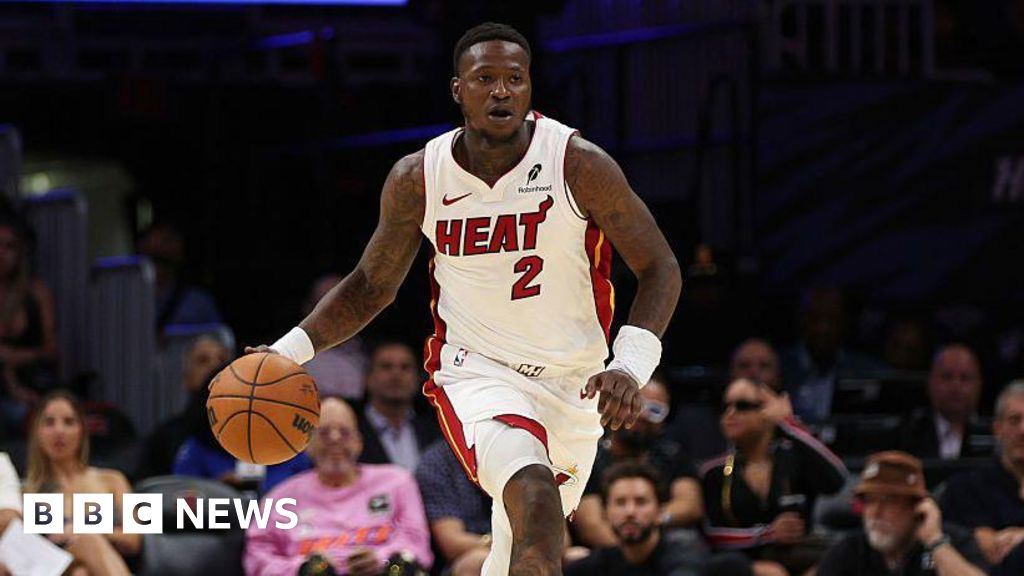
Authorities have detailed a sweeping investigation, dubbed “operation nothing but bet,” uncovering a sophisticated scheme involving insider information manipulation and multi-million dollar betting frauds. Among those indicted are renowned figures like Portland Trail Blazers coach Chauncey Billups and Miami Heat star Terry Rozier. The scandal extends beyond individual athletes to encompass four of the notorious ‘Five Families’—long-standing mafia syndicates that have historically wielded power in New York. The FBI described the scheme as “mind-boggling,” with criminals employing cutting-edge technology like off-the-shelf shuffling machines, eye-reading contact lenses, and even X-ray tables to rig illegal poker games. Here, the cumulative damage involves millions in stolen funds and a dangerous infiltration of the societal fabric.

From a geopolitical and societal perspective, these revelations trigger a new wave of concern about how entrenched criminal operations continue to compromise the rule of law and the integrity of global sporting competitions. International organizations such as INTERPOL and FATF have long warned about the proliferation of crypto-based laundering and sports corruption, and these latest developments underscore the urgent need for fortified international cooperation. The involvement of organized crime syndicates like the Bonanno, Gambino, and Genovese families illustrates how persistent mafia influence remains, even as law enforcement has scored major victories in the past. The return of such underworld networks to high-profile arenas signals a broader crisis for societal trust, representing a direct challenge to the cultural respectability and economic stability associated with global sports industries.

As sports leagues and government agencies brace for further repercussions, the question remains: how deep does this corruption go, and what are the implications for the future? Noted historians and crime analysts warn that this is more than just a series of isolated scandals; it is an indicator of a potential paradigm shift where organized crime progressively infiltrates legitimate institutions. The NBA’s response—placing the implicated players and coaches on immediate leave—reflects a reactive stance, but critics argue that only comprehensive reforms and international cooperation can truly restore integrity. As Europe and other regions watch closely, the unfolding story highlights one enduring truth: in the theatre of power, money, and influence, the line between legality and corruption has always been fragile. With each indictment, history’s pages turn, leaving future generations to ponder whether justice truly prevails or if, in the shadows, the old empire of crime still rules. The night is darkening, and the echoes of lawlessness are louder than ever — the question is whether the dawn of real accountability is still to come.

Meet the startup co-founded by NBA star Russell Westbrook, redefining end-of-life planning for the next generation

AI-Driven Innovation Disrupts End-of-Life Planning Industry with Eazewell’s Vision

In a remarkable display of technological innovation and market disruption, Eazewell, an AI-powered platform dedicated to simplifying end-of-life and funeral planning, has entered a traditionally fragmented industry. Founded in 2024 by Donnell Beverly Jr.—whose personal loss catalyzed the venture—Eazewell leverages cutting-edge artificial intelligence to automate tasks that once weighed heavily on grieving families. This initiative exemplifies the seismic shifts occurring as AI begins to redefine how life’s final transitions are managed, with significant business implications for sectors ranging from funeral services to digital estate management.

The core innovation behind Eazewell is its AI agent, available around the clock, which empowers families to effortlessly coordinate funeral arrangements, manage paperwork, and even cancel credit accounts on behalf of the deceased. This automated approach resolves longstanding inefficiencies within the industry, often plagued by manual, time-consuming processes. The platform’s recent rollout of an enterprise solution for hospice providers, senior living facilities, and insurers further extends its disruption. By integrating seamlessly into existing software ecosystems, Eazewell positions itself as a market-changing enabler for enterprise-level stakeholders, promising to transform industry standards.

Market Implications for Traditional and Emerging Players

According to leading analysts from firms like Gartner, the integration of AI-driven automation into sensitive segments such as end-of-life planning is a strategic game-changer with broad implications. Already, Eazewell reports assisting over 100,000 families, a testament to the scalability of its approach. As the platform broadens to include digital asset management—an increasingly vital concern in a digital-first era—the industry is poised for a fundamental shift. The ongoing digital transformation hints at a world where legacy management and estate planning become seamlessly integrated into everyday digital life, challenging established traditional players resistant to technological evolution.

The Broader Context of Disruption and Innovation

Disruptors like Elon Musk’s Neuralink and Peter Thiel-backed startups have demonstrated the enormous potential of AI to overhaul deeply rooted industries. Eazewell’s focus aligns with this trajectory by highlighting how AI’s influence extends well beyond the here and now, into the posthumous realm. The company’s forward-looking vision, including managing digital assets and inheritance, exemplifies how innovation is converging with industry standards of trust and security. Notably, industry experts and forecasters see these advancements as not just improvements but essential evolutions for businesses seeking resilience amid changing consumer expectations and technological norms.

The significance of this evolution transcends mere convenience: it heralds a new era where disruption can unlock new revenue streams, reduce operational costs, and elevate service standards. As AI and automation continue to mature, competition will intensify, compelling entrenched industries to innovate or face obsolescence. The urgency for stakeholders—whether traditional funeral service providers or emerging digital estate managers—is clear: adapt rapidly or be left behind in a rapidly transforming landscape that demands technological agility and disruptive thinking.

Future Outlook: An Urgency for Strategic Adoption

Looking ahead, the potential of AI to revolutionize end-of-life services signifies more than just a niche innovation; it foreshadows a broader societal shift. Industry visionaries and technology leaders emphasize that the pace of change necessitates proactive engagement. Experts from institutions like MIT forecast that AI-driven end-of-life management will become a standard component of digital identity and estate planning platforms within the next decade. This evolution presents a crucial call to action for investors and businesses alike: position strategically now to harness the impending wave of disruption, leveraging innovation to serve a growing demand with compassion and efficiency.

As the industry broadens its horizons, it becomes evident that disruption is inevitable. The integration of AI into sensitive life-stage services embodies both a technological leap and a philosophical shift—one where technology’s role is to ease burden, empower families, and fundamentally reimagine what legacy means in a digital age. The race for innovation is on, and those who move decisively will shape the future of a trillion-dollar industry—and redefine how society handles its most profound moments.

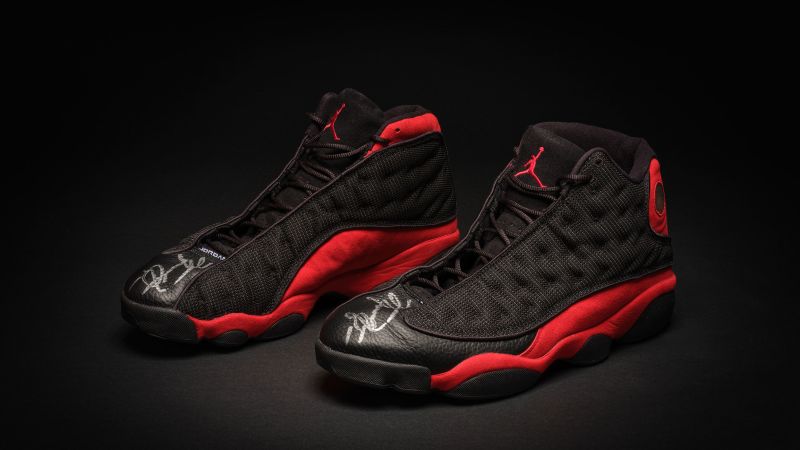
Michael Jordan’s 1998 Finals Sneakers Break Record with $2.2M Sale

Global Sports Memorabilia Auction Breaks Records as Michael Jordan’s Legend Continues to Dominate

In a remarkable testament to the enduring influence of Michael Jordan and his unparalleled legacy in sports, a pair of his game-worn Air Jordan 13s achieved the highest auction price ever recorded for sneakers, selling for an astonishing $2.2 million at Sotheby’s in New York. The shoes, worn during Game 2 of the 1998 NBA Finals in Salt Lake City, where Jordan led the Chicago Bulls to victory, are symbolic of the zenith of his career. Historically, these sneakers are not merely footwear; they represent a cultural phenomenon whose impact ripples across nations, societies, and the global sports economy.

The auction, coinciding with what some dub as “Jordan Year,” underscores the superstar’s monumental status in popular culture. The event saw multiple records shattered, echoing the escalating value of memorabilia linked to legendary athletes. Last year, Jordan’s Game 1 jersey from the same historic series set a record by fetching $10.1 million. This highlights not only the intrinsic value of Jordan’s artifacts but also the international appetite for sports memorabilia that encapsulates moments of cinematic sporting excellence. As analysts emphasize, the decision by Sotheby’s to showcase these items solidifies the global recognition of sports icons as transcendent cultural symbols that influence societal identity, national pride, and economic markets.

How International Perspectives and Historical Narratives Frame the Legacy

Historians and international organizations have long debated the geopolitical impact of such memorabilia sales. According to sports cultural analyst Dr. James Carter, these auctions serve as barometers of cultural diplomacy, weaving a narrative that elevates individual athletic achievement into a form of soft power. “Michael Jordan is more than a basketball player; he’s a global ambassador whose influence crosses political and social boundaries,” he comments. The sale of his sneakers, alongside other memorabilia like Kobe Bryant’s Lakers shirt and Pelé’s debut jersey, underscores a broader trend where sport becomes a universal language, uniting diverse nations under shared admiration for excellence and perseverance.

International marketplaces have embraced this phenomenon, with collectors worldwide vying for artifacts that embody moments of sporting history. The massive interest reflects a societal shift toward viewing athletes not just as entertainers but as pivotal figures shaping youth culture, national identity, and even geopolitical narratives. For instance, the auction of Pelé’s debut jersey signifies Brazil’s deep-rooted football culture, while Kobe Bryant’s memorabilia resonates with a generation that venerates competitive excellence. These sales, documented extensively by global trade organizations, amplify the message that sports and its icons wield undeniable influence far beyond the stadium.

Decisions that Shape the Future of Cultural and Economic Exchanges

As the international community watches, the increasingly high financial stakes and cultural significance of athletic memorabilia point toward a future where sports artifacts transform into strategic assets. The controversial yet compelling narrative suggests that nations and societies increasingly recognize the soft power embedded within iconic memorabilia. Numerous analysts warn that these escalating values could lead to a commodification that complicates genuine cultural appreciation, but nonetheless accentuate the undeniable power of sports diplomacy. Across continents, governments, and private collectors are aligning resources to secure the legacy of athletes like Jordan—decisions that could influence cultural exchanges for generations.

Ultimately, the record-setting auction of Jordan’s sneakers echoes a historic pattern: how individual greatness becomes a catalyst for collective identity and global influence. As history continues to unfold, the world remains captivated by the stories of perseverance, triumph, and iconography—narratives that sit at the nexus of sports, culture, and geopolitics, forging a collective memory that will shape societal values for decades to come.

Social Media Auto Publish Powered By : XYZScripts.com