Matox News

Truth Over Trends, always!

Australia updates: Dural ‘stronghold’ tied to Baghsarian kidnapping, NSW police reveal; Angus Taylor calls to ditch ‘net zero’ push

As 2026 unfolds, the world witnesses a series of seismic shifts that threaten to redefine geopolitics and global stability. From internal political tremors in Australia to sweeping changes in Europe and fragile peace negotiations in the Middle East, nations grapple with decisions that will echo through history. The choices made today set the trajectory for generations, and their impacts extend far beyond borders.

The recent developments in Australia exemplify the turbulence faced by democracies under pressure from both domestic political narratives and international expectations. The controversial shift by Angus Taylor and the Liberal Party’s declaration to abandon the previously embraced ‘net zero’ commitment signals a departure from global climate consensus. While the government asserts that this move offers flexibility, critics argue it undermines efforts coordinated through international climate accords. Analysts warn that this divergence could weaken Australia’s diplomatic standing and erode trust with allies committed to sustainability, further isolating a nation vital to the Indo-Pacific strategy. Historians caution that such policy reversals might be remembered as a pivotal moment where economic interests overrode environmental responsibility, casting shadows on the country’s global reputation.

Meanwhile, in the United Kingdom, the arrest of Andrew Mountbatten-Windsor at Sandringham on suspicion of misconduct has cast a spotlight on questions of accountability within the British monarchy. This unprecedented event ignites debates about tradition versus transparency, with international observers questioning whether the monarchy can adapt to the demands for moral integrity today. The fallout, if allowed to deepen, could influence Britain’s soft power and diplomatic alliances, especially as Europe faces its own challenges with regional unity and economic stability. Experts from the European Union warn that such internal struggles might embolden nationalist factions and threaten the unity of the bloc at a time when global powers are recalibrating their alliances.

Contrasting these internal political crises are the ongoing conflicts and security concerns in the Middle East. Reports from Syrian and Iraqi authorities confirm that over 5,000 detainees, including suspected former Islamic State fighters, have been transferred across borders. The potential for unrest or resurgence in extremism remains a troubling prospect for regional stability, drawing concern from international organizations like the United Nations. The transfer underscores the fragile balance of power in a region where diplomacy and military might intertwine dangerously. Should extremism reignite, it could trigger a broader security crisis impacting Europe and the United States, emphasizing how even regional disputes have global consequences.

In this high-stakes landscape, the decisions of today are shaping a world on the brink. The intertwined fates of nations—whether they choose resilience or retreat—carry implications far beyond their own borders. As the great historians of tomorrow sift through these moments, they may recount 2026 as a defining year—a year when the delicate fabric of international order trembled under the weight of rash decisions and forgotten commitments. History, with all its weight and consequence, continues to unfold, leaving a stark reminder: in geopolitics, the stakes are nothing less than the future of civilization itself.
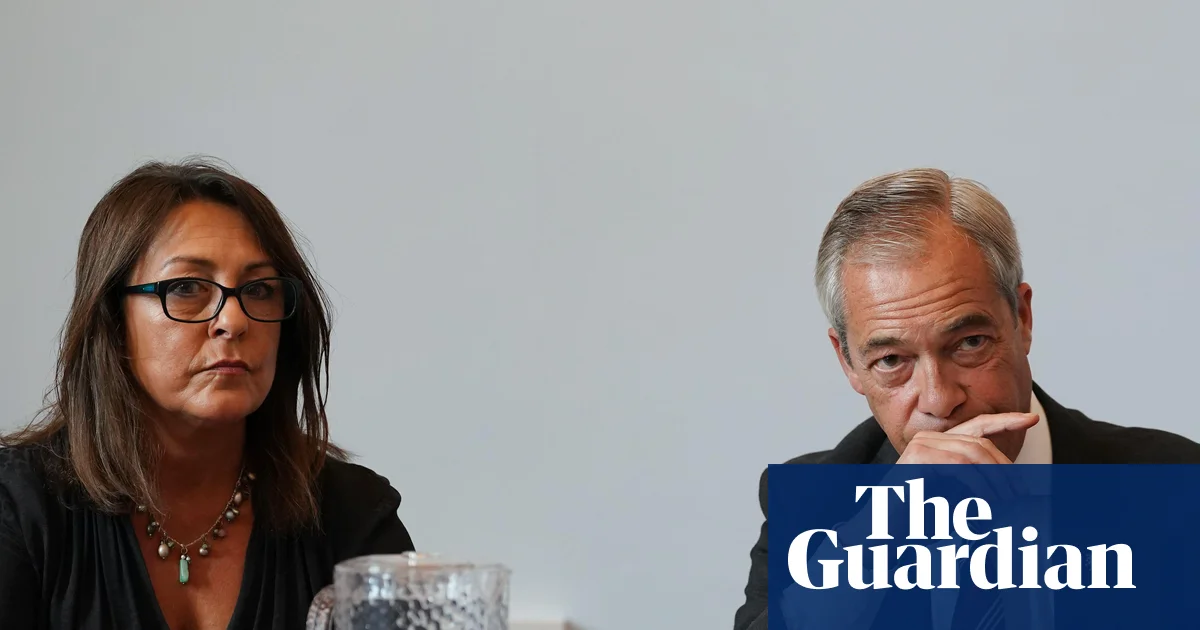

Kent Council Under Fire for Alleged £40m Net Zero "Savings" — Reform UK Calls Out Fabrication
Kent Council Under Fire for Alleged £40m Net Zero “Savings” — Reform UK Calls Out Fabrication

Uprising of Reform UK in Local Governance Sparks International Scrutiny

The recent political scandal surrounding Reform UK’s control of Kent County Council has ignited a broader debate on the efficacy and transparency of insurgent right-wing movements in local governments across the United Kingdom. Decision-makers and political analysts worldwide are closely observing whether the party, known for its anti-establishment stance led by figures like Nigel Farage, can transition from disruptive rhetoric to effective governance. The scandal, centered on alleged falsehoods about massive savings tied to net zero initiatives, not only threatens the party’s credibility but also raises questions about the impact of such political upheavals on regional stability and fiscal policy.

At the core of the controversy is Kent County Council’s claim of saving nearly £40 million—an assertion now under question after investigative efforts revealed that the claimed savings were based on hypothetical projects lacking concrete documentation. This development is viewed as a *regrettable* reflection of how some insurgent parties might manipulate fiscal figures for political gain, especially amidst a climate of pervasive *wokeness* and environmental mandates increasingly scrutinized at the local level. The situation echoes past warnings from international organizations, such as the OECD, which have cautioned against politicized climate policies that lack transparency and tangible outcomes, viewing them as potential catalysts for public mistrust and societal division.

International Dimensions of Local Party Power and the Consequences of Political Deception

Analysts point out that this incident in Kent is emblematic of a broader phenomenon where local insurgent parties seek to capitalize on popular sentiments against traditional political elites. The accusations of misinformation, especially involving claims of significant financial savings from projects that only existed in planning drafts, have stoked fears about the rise of populist movements exploiting fiscal narratives. Some international observers, including political scientists and historians, warn that such tactics, if widespread, can undermine trust in independent institutions and destabilize regional governance structures, with ripple effects felt across national and even international levels.

  • Specifically, the dispute centered on claims that the council would cancel environmental projects and electric vehicle initiatives, purportedly saving millions—yet, subsequent disclosures revealed scant evidence for such projects’ existence or approval.
  • Key figures, including Polly Billington, a Labour MP, denounced the claims, labeling them as “a blatant lie,” highlighting a pattern of *deliberate deception* aimed at political positioning rather than public service.
  • Meanwhile, the party’s leadership defended their narrative, asserting that potential projects listed in budget documents were *”future cost‑avoidance measures,”* a technicality that prompts debate over fiscal integrity versus political rhetoric.

This episode underscores a critical truth about the *geopolitical impact* of local political maneuvers. As insurgent parties like Reform UK seek to reshape local governance, they inadvertently influence broader national discourse on fiscal responsibility, environmental policies, and government accountability. The governing institutions at the European Union and beyond have long emphasized transparency as essential for maintaining public trust, and the current scandal exemplifies how deviations from this principle can fuel unrest and populist backlashes. Furthermore, the event serves as a warning to societies worldwide that the unchecked rise of populist rhetoric, especially when encapsulating exaggerated or fabricated claims, can erode the foundations of democratic accountability.

The Unfolding Narrative as History Continues to Write Itself

As Kent reels from the revelations, the wider implications for British politics loom large. The incident adds to a growing list of conflicts where *truth and transparency* collide with political ambition, raising questions about the future of governance in a landscape increasingly dominated by media savvy and populist appeals. The departure of Paul Chamberlain, who resigned after admitting to a “lapse of judgment,” reflects internal struggles within these movements, hinting at deeper issues of discipline and ideological cohesion. Internationally, observers note that such internal discord can serve as a microcosm of larger societal tensions, where the desperate pursuit of power often clashes with ethical governance.

The world watches as the story continues to unfold—each revelation, denial, and political maneuver shaping not just local policies but echoing across borders. The very tenets of truth, fiscal responsibility, and accountability are now at a critical crossroads. As history’s pen writes, the question remains: will these early missteps be the cautionary tales that forge resilient democratic institutions, or will they be the dark chapters that expose the fragility of society’s trust and the perilous edge of populist politics? With the weight of the future hanging in the balance, the unfolding saga in Kent reminds us that, in the theater of geopolitics, every local battle shapes the narrative of a world still striving, still fighting, for its soul.

Liberals Drop Emissions Goals, But Ley Sees Net Zero as Still Possible Win | Australia News

Australia’s Climate Pivot: A Shift that Reshapes Global Emissions Commitments

In a move that reverberates beyond the shores of Australia, the federal opposition unveils plans to significantly alter its stance on climate change commitments, raising questions about geopolitical impact and the future of international climate cooperation. The decision to abandon legislated net zero by 2050 targets, once a cornerstone of global climate diplomacy under the Paris Agreement, signals a potential turning point in how nations approach their responsibilities amidst a climate crisis that refuses to pause.

The ruling Labor government’s push for deep emissions cuts faces opposition from the Liberal Party and its partner, the National Party. As Sussan Ley confidently defends the move as a means to prioritize energy abundance and the support for nuclear power, the international community watches with concern. The decision to sideline the legally binding targets while still claiming adherence to the Paris Agreement sets the stage for a potential breach of obligations, risking diplomatic fallout with entities like the United Nations Framework Convention on Climate Change (UNFCCC). Analysts warn that such a shift could undermine Australia’s credibility, tarnishing its reputation as a responsible global player and prompting other nations to reconsider their own commitments under the treaty.

Politics Over Climate: A Dangerous Precedence

  • Despite promises to hold onto the Paris commitments, the Coalition’s plan to scrap legislated emissions targets threatens to disrupt global efforts aimed at limiting temperature rise to 1.5°C. This divergence fuels concerns among experts and international observers, as the global community has relied on the consistency of national policies to craft effective climate strategies.
  • Historians and climate analysts highlight that such backsliding could encourage a wave of similar decisions by other countries, eroding the progress made since the signing of the 2015 Paris Agreement. The Climate Action Tracker reports that more than 145 nations are considering or have set net zero emissions targets, making Australia’s retreat a critical juncture that could ripple through global efforts.
  • The PM Anthony Albanese openly criticizes the Coalition’s stance, framing it as a rejection of climate science itself. Such rhetoric underscores how internal political dynamics can distort international obligations, potentially emboldening others to pursue similar strategies that prioritize economy over environment, with security and regional stability at risk.

Implications for Global Governance and the Future of Climate Negotiations

By choosing to reframe the climate debate around energy security and economic growth, Australia is shaping a precedent that may weaken future international negotiations. The United Nations and other multilateral institutions emphasize that compliance and transparency are central to global climate governance—something that could be compromised if major emitters abandon long-term targets. Experts warn that such shifts could signal to the world that commitments are negotiable, potentially unraveling years of diplomatic progress.

Specialists, including climate scientists and international relations scholars, gaze apprehensively at the unfolding events, recognizing that history is watching. As the global climate clock continues to tick toward catastrophic points of no return, the decisions made by Australia and its allies today could well set the stage for a future where the line between climate ambition and political expediency becomes irrevocably blurred. The story of this decision is still writing itself, and the weight of history now hangs heavy on its next chapters.

Australia News: NSW Nationals Drop Net Zero; Keating Honors Laws — Youth Voice Matters

In a world increasingly shaped by the relentless march of geopolitical shifts and domestic reckonings, recent events underscore a decisive moment in the unfolding fabric of history. Australia, often viewed as a microcosm of broader global trends, finds itself at a crossroads as regional political forces realign on crucial issues like climate policy and national identity. Meanwhile, the passing of iconic figures like John Laws reminds us how media personalities have historically shaped societal discourse, bridging the gap between politics and the everyday citizen in an era when radio was king. The legacy of individuals like Laws and the recent political maneuvers collectively illustrate the profound influence of communication and decision-making on national trajectories.

At the heart of international concern is the abandonment of commitments to net zero emissions by 2050—a stance taken rigorously by the NSW Nationals in Australia, following their federal counterparts’ lead in a move that threatens to fracture the stable fabric of coalition politics. The decision, driven by internal party discussions and influenced by a thinktank aligned with Senator Ross Cadell, signals a direct challenge to the global climate agenda endorsed by many Western nations.

  • Government officials and analysts have warned this rollback could hinder international efforts to combat the climate crisis, and threaten Australia’s diplomatic standing in climate negotiations.
  • The decision sparks a rift within the Coalition, specifically testing the resolve of opposition leader Mark Speakman, who has faced mounting pressure amidst poor polling and internal dissent.

The geopolitical impact of this shift extends far beyond national borders. Countries watching Australia’s retreat from climate commitments may perceive a broader trend of de-escalation or skepticism toward global climate initiatives, especially in regions where economic and energy independence are prioritized over environmental concerns. Experts like economists and environmentalists have issued stark warnings that such domestic decisions undermine international climate accords and could embolden other nations seeking to resist similar targets, thereby threatening the collective effort to mitigate the effects of climate change. Moreover, Australia’s internal debate reflects a national societal divide—those pushing for environmental credentials versus those emphasizing regional economic interests—highlighting how domestic policies can send ripples through the international diplomatic arena.

Meanwhile, the death of John Laws, dubbed the “king” of radio before the rise of the digital age, signifies a pivotal chapter in the history of media influence. Keating’s tribute underscores how Laws partnered with policymakers to educate Australia’s middle ground crowd on complex social and economic matters. This dynamic exemplifies how influential personalities have historically shaped public perception and policy, wielding power that transcends mere entertainment. As history presses forward, the media’s role in transmitting societal values and political discourse remains central, even as new digital platforms challenge traditional broadcasts. Recognizing these shifts urges societies worldwide to reflect on the enduring impact media figures have historically played—and continue to play—in shaping national identity and policy directions.

As these stories unfold—whether through the deliberate reevaluation of environmental commitments or the remembrance of media giants—the pace of history seems to accelerate, leaving societies to confront the weight of choices made today. Decisive shifts in policy, politics, and perception are not isolated events but rather the vital threads of an evolving narrative, heavily influenced by those who lead and those who listen. With each decision, with each passing figure, the tapestry of history is rewoven—sometimes a step forward, often a step into uncharted, uncertain territory. And as nations navigate the turbulent waters of change, the foundations of tomorrow’s history are being laid today—silent witnesses to the ongoing story of power, influence, and the enduring quest for a future shaped by choices of unparalleled importance.

Academics Undermine Nationals’ $9tn Net Zero Cost Claim Amid Misrepresentation Allegations

Australia’s Climate Policy Clash: The Geopolitical Implications of the Net Zero Debate

In a dramatic turn that underscores the shifting sands of geopolitical influence, Australia finds itself embroiled in a fierce debate over its commitment to net zero greenhouse gas emissions. The controversy primarily revolves around misrepresented economic models and their interpretations by political figures, with serious repercussions for international relations and the nation’s strategic position. While University energy researchers have clarified that their modeling does not support the alarmist figures circulated by some in Australia’s Parliament, the ripple effects threaten to reshape global climate diplomacy and economic alliances.

Amid mounting internal pressure from the conservative faction of the Coalition, notably the Nationals and some Liberals, the government faces a crucial decision. Reconsidering commitments to net zero by 2050 could weaken Australia’s standing in the global climate accord and embolden regions seeking to delay environmental reforms. Some analysts warn that these internal disputes are less about environmental economics and more about geopolitical signaling. The ever-present tug-of-war between economic nationalism and international climate commitments is now front and center, with powerful implications for China’s Belt and Road Initiative and the strategic positioning of the United States in the Indo-Pacific region.

An illuminating aspect of this debate is the recent disclosure by the Net Zero Australia (NZA) group, which includes academics from prestigious institutions such as Princeton University and leading Australian universities. They clarified that the feared $9tn figure, frequently cited by figures like David Littleproud, is a cumulative estimate of projected capital investments needed by 2060—largely financed by overseas investors—not a direct burden on Australian taxpayers. This revelation significantly alters the narrative, shifting blame from internal government spending to international finance, and also exposes the misleading tactics employed by some politicians to sway public opinion.

Critics from the Institute of Public Affairs and other conservative groups argue that the costs threaten fundamental social services like Medicare and the NDIS. These claims resonate with domestic audiences wary of economic disruption, but they also serve to sow doubt about Australia’s role within the international community’s environmental commitments. Conversely, global organizations such as the United Nations continue to emphasize the importance of maintaining ambitious targets. The evolving discourse reflects not only a domestic struggle but also a broader geostrategic contest—where climate and economic policies are intertwined with sovereignty and diplomatic influence.

The unfolding scenario echoes a historical pattern seen in other nations where internal political conflicts about energy and environmental policies influence global alignments. As international analysts warn of a potential realignment, the question remains: how will Australia navigate the pressing demands of environmental responsibility, economic resilience, and geopolitical positioning? Each decision echoes through the corridors of power in Beijing, Washington, and Brussels, shaping the future of global climate governance. With history now in the making, the true cost of these choices—beyond mere dollars and cents—may determine whether Australia stands as a leader or a bystander in the epochal struggle over the planet’s future. The weight of history bears down, and the world watches closely, for this is not just domestic policy; it is a chapter in the larger story of the 21st century — a story still being written by those in charge today.

Liberal MPs fight to save net zero amid fears of city electoral wipeout | Liberal Party

Australia’s Internal Climate Dilemma Sparks Global Concerns

The political landscape of Australia is currently embroiled in a fierce debate that carries substantial geopolitical impact. The country’s liberal factions are divided over the core issue of maintaining a commitment to net zero emissions, a move seen by many as pivotal to Australia’s international standing and climate obligations. On one side, conservative forces rooted in the Liberal and National parties are considering abandoning their previous pledge to reach net zero by 2050 — a target enshrined under the Paris climate agreement. On the other, moderate voices and climate advocates warn that such a retreat would not only damage Australia’s reputation but also threaten its strategic alliances and economic stability, especially within the Asia-Pacific region.

Internal Politics as a Microcosm of Global Climate Strategy

The ongoing debate reflects a broader turning point for Australia, a nation historically cautious about aggressive climate policies—yet increasingly pressured by global expectations, scientific evidence, and the rising influence of international organizations. Senator Andrew McLachlan has voiced concerns about the ramifications of abandoning the pledge, warning that “if we retreat from achieving net zero, we will pay dearly in city electorates. Our reputation as a nation that keeps its promises will be diminished, and our Pacific friends will be betrayed.” These sentiments underscore the how decisions made in Canberra ripple across regional stability and global perceptions. Moreover, foreign analysts and historians note that Australia’s willingness to adhere to or forsake its commitments could serve as a litmus test for international trust and diplomatic credibility in an era where climate policy is increasingly intertwined with national security.

Impact on Society and International Relations

  • Recent polls suggest that a significant segment of the Australian population and their elected representatives view the net zero pledge as essential, citing the potential consequences of “doing a U-turn,” including economic repercussions and diminished international influence.
  • In contrast, the ruling party’s internal factions consider a strategic reprieve, contemplating a delayed or modified timeline for reaching their climate goals—an approach that risks violating the Paris agreement’s stipulation not to regress on previous commitments.
  • World leaders and international organizations, such as the United Nations and the IPCC, have repeatedly emphasized the critical importance of adherence to scientifically-backed targets, framing Australia’s debate as emblematic of the global challenge in balancing economic growth with environmental stewardship.

As Prime Minister Sussan Ley faces mounting pressure to align her party’s stance, a decisive policy is looming — one that could either solidify Australia’s leadership role in climate action or underpin a dangerous retreat into isolationism and economic shortsightedness. The prospect of a break with the Paris climate accord hangs in the balance, with implications for perhaps the most vulnerable nations in the Pacific and beyond, which look to Australia as a regional leader.

The outcome of this internal political struggle will inevitably shape the narrative of Australia’s future — whether it aligns with the global effort to mitigate catastrophic climate change or succumbs to internal divisions and short-term political gains. As history continues to unfold, it remains uncertain whether this pivotal moment will be remembered as a turning point towards principled leadership or a cautionary tale of a nation’s retreat from its global responsibilities. The weight of the choice made today will be etched into the chronicles of history, influencing generations and the integrity of international commitments for years to come.

Liberals worry Ley's net zero pledge risks controlling the agenda as push grows to scrap emissions promise — Coalition responds
Liberals worry Ley’s net zero pledge risks controlling the agenda as push grows to scrap emissions promise — Coalition responds

In a climate policy debate that highlights the profound internal divisions within the Australian Liberal Party, emerging tensions are illustrative of a broader global reckoning on energy security and environmental commitments. Opposition leader Sussan Ley finds herself caught between moderates and conservatives, as calls intensify for her to reconsider her party’s stance on net zero emissions by 2050. This debate, while localized, echoes a global scenario where nations grapple with the trade-offs of aggressive climate policies amidst economic and energy security concerns.

As Australia teeters on the edge of internal rupture, international analysts observe that such fissures are unlikely to be contained within national borders. Historian and geopolitical analyst Dr. Mark Thorne notes that “the domestic disputes over climate policy mirror the global power struggle, where nations are weighing their commitments to decarbonization against their geopolitical and economic realities.” Prominent global institutions, including the United Nations, have long advocated for urgent climate action, but the reality of energy dependence on traditional sources continues to challenge these lofty ambitions. In this climate, Australia’s internal debate about how far to push its net zero commitments could set a dangerous precedent, influencing other Western democracies in similar predicaments.”

The escalating debate in Australia underscores a scenario unfolding across Western nations: population unrest over skyrocketing energy costs and the perceived threat to traditional industries. Analysts warn that decisions made in Canberra do not just affect Australia’s domestic landscape but influence the geopolitical terrain—shaping alliances, trade policies, and international trust in commitments to climate change. The ideological clash over whether to prioritize climate targets or energy independence is creating ripples—potentially destabilizing coalitions and shifting the global balance of power, especially as China and India accelerate their development of fossil fuels without the same restrictions faced by Western countries.

Within Australia’s Coalition government, the debate over the future of climate policy is more than a political squabble, it is a symbolic fracas over the nation’s sovereignty and capacity to chart its own course. Prime Minister Anthony Albanese and his administration face mounting pressure to push forward on climate commitments, yet the rising tide of opposition—fueled by fears that policies could jeopardize economic stability—reflects a larger, more dangerous global trend: the clash between environmental ideology and national interests. Historians warn that such internal conflicts, if unresolved, risk undermining the credibility of Western democracies’ global leadership in environmental diplomacy. As international organizations like the IPCC emphasize an urgent transition, nations like Australia are caught in a storm of conflicting priorities.

Ultimately, the fate of Australia’s climate policy—and the tension-ridden debate that now defines it—serves as a stark allegory for an era where the battle for the soul of global leadership is being fought within national borders. As history continues to unfold, the decisions made today will resonate through the corridors of power for decades to come, echoing in the geopolitics of energy, sovereignty, and environmental stewardship. The weight of history presses down, leaving a vital question: which path will the world choose in this perilous balancing act—one shaped by ideology or by pragmatic sovereignty?

Nationals ditch net zero goal after party room vote—getting back to real priorities

Australia’s Internal Political Shift Threatens Global Climate Commitments

The recent decision by the National party to dismantle its net zero emissions commitments marks a significant and controversial pivot in Australia’s domestic policy landscape. Following a unanimous vote in their party room, the Nationals declared their intention to abandon the 2050 climate target that had previously aligned Australia with international efforts to combat climate change. This move not only signals a fracture within Australian politics but also echoes a broader geopolitical impact—potentially weakening global climate initiatives and emboldening fossil fuel interests amid worldwide efforts to reduce emissions.

Led by David Littleproud, the Nationals now favor a trajectory that emphasizes “aspirations” over firm targets, aiming to synchronize Australia’s emissions reduction strategy with those of other OECD nations. This approach is rooted in reasserting regional economic priorities, claiming that regional Australia is suffering due to strict energy policies. Critics, including international analysts and climate advocates, warn that this shift effectively signals a retreat—one that could erode the UN’s global climate agenda and lessen Australia’s influence in regional environmental diplomacy. By rejecting the legally binding Climate Change Act and teetering on leaving the Paris Agreement, Australia risks isolating itself just as the world presses for collective action—an act viewed by many as a betrayal of its international responsibilities.

Internal Coalition Discontent and Its Broader Geopolitical Ramifications

The internal tensions within Australia’s traditional Coalition underscore a larger debate about economic sovereignty and environmental responsibility. While the Liberal Party continues its debates under the leadership of Dan Tehan and aims to resolve policy splits by Christmas, the Greens and independent analysts have characterized the Nationals’ stance as reckless. Some experts argue that Australia’s diplomatic standing in the Indo-Pacific region, especially with Pacific islands increasingly vulnerable to climate change, is at stake. As analysts from southern think tanks warn, the move is a stark demonstration of how short-term political gains can undermine long-term international relationships and regional stability.

  • In 2021, the coalition supported a net zero by 2050 target, legislated by the Albanese government in 2022—highlighting the depth of recent policy shifts.
  • The senator Sarah Hanson-Young, representing the Greens, denounced the decision, claiming it abandons future generations and Australian regional influence.
  • International organizations and climate experts fear that if Australia fully retreats from its climate commitments, the country could become a pariah, undermining not just environmental diplomacy but also regional economic stability.

The Larger Context: A Nation at a Crossroads

This development resonates beyond Australia’s borders, illustrating a global trend of energy sovereignty debates and the rising influence of fossil-fuel interests. As historians observe, such internal political shifts often serve as turning points—shaping the trajectory of national and international climate policies for decades to come. The Australian case exemplifies how internal partisanship, when rooted in economic nationalism, can threaten the fabric of global efforts to address climate change, which many say is *the* defining crisis of the 21st century.

With the strategic corridors of Asia-Pacific geopolitics hanging in the balance, the world watches as Australia’s leaders grapple with decisions that will influence energy policies, regional alliances, and the global reputation of a nation that once positioned itself as a responsible player on the international stage. Like a chapter in a grand saga, the unfolding story of Australia’s climate policy reflects the ongoing struggle between economic sovereignty and global responsibility—a struggle that history will record, shaped by the choices made in meeting the challenge of climate change. As the pages turn, the weight of these decisions will echo through time, signaling whether this pivotal moment will be remembered as a retreat from leadership or a step toward resilience in an uncertain world.

Social Media Auto Publish Powered By : XYZScripts.com