Matox News

Truth Over Trends, always!

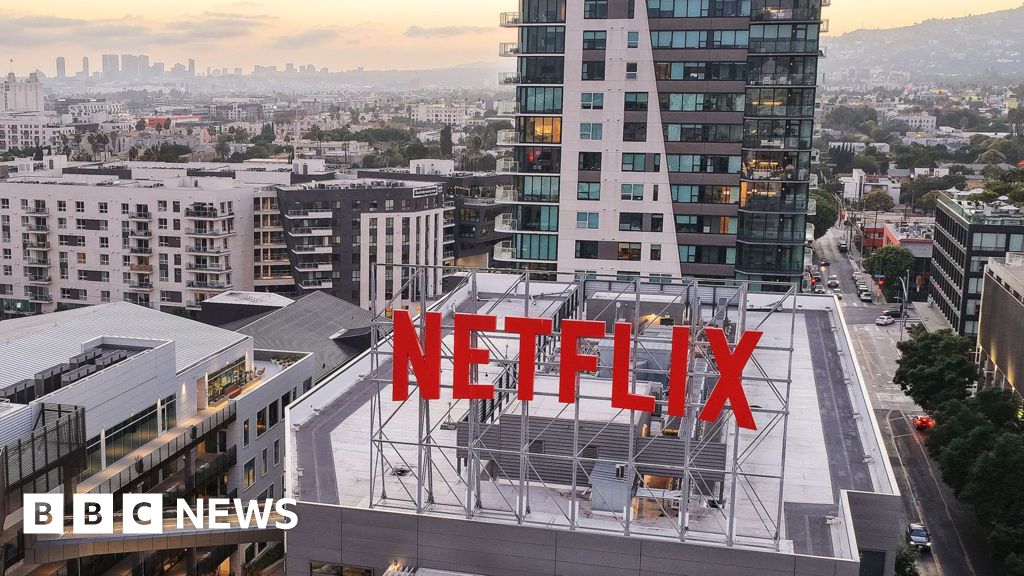
Netflix drops the Warner Bros. bid, handing studios, HBO, and CNN to Ellison’s Paramount — a bold move in the streaming game

The ongoing wave of disruption within the entertainment industry has reached a new crescendo with the high-profile acquisition of Warner Bros. Discovery by Paramount. This deal, orchestrated amidst a fierce bidding war, consolidates significant media power in a landscape increasingly defined by innovation and strategic disruption. Notably, Paramount—backed by the financial might of billionaire Larry Ellison, whose net worth exceeds $200 billion—embeds itself into a sector ripe for transformation, signaling a new era of corporate consolidation aimed at competing with streaming giants and tech disruptors.

At the core of this deal is a masterstroke in leveraging financial innovation. Paramount’s acquisition involves assuming roughly $33 billion in Warner Bros. Discovery’s debt, a move facilitated by a $57.5 billion debt commitment from financial heavyweights such as Bank of America Merrill Lynch, Citi, and Apollo Global Management. This strategic leveraging echoes the practices of top-tier institutional investors, positioning Paramount for aggressive expansion while stoking risks associated with rising debt levels in an increasingly volatile media market. The deal’s structure underscores the shifting paradigm wherein industry giants deploy complex financial engineering to consolidate power and push ahead in a rapidly evolving tech-driven content landscape.

Critically, the dynamics surrounding Paramount’s ownership involve a contentious mix of political influence and media strategy. With Larry Ellison’s significant political donations and his son David Ellison’s ownership of Paramount, the deal is under close scrutiny regarding its potential impact on content polarization and market influence. The acquisition also includes a $2.8 billion termination fee payable to Netflix to dissolve prior contractual agreements, reflecting a readiness to navigate aggressive market repositioning. Analysts like those at Gartner emphasize that such high-stakes moves are indicative of a broader disruption in traditional media models, with legacy companies aggressively positioning themselves for an anticipated post-streaming revolution.

Looking ahead, this merger points to a possible consolidation of media assets that could significantly influence the industry’s future trajectory. As disruptive technologies continue to challenge conventional distribution channels, entertainment companies are doubling down on vertical integration and strategic partnerships. With technology companies such as Tesla and Elon Musk pushing the boundaries of AI and content delivery, and industry analysts warning about the potential for increased market concentration, the urgency for established players to innovate has never been greater. The winner in this race will be those who harness cutting-edge tech, strategic capital deployment, and political navigation—making the next chapter of media history one to watch with keen anticipation.
Trump issues warning to Netflix: Remove leading Democrat or face consequences

Controversy Sparks New Chapter in Global Media and Power Politics

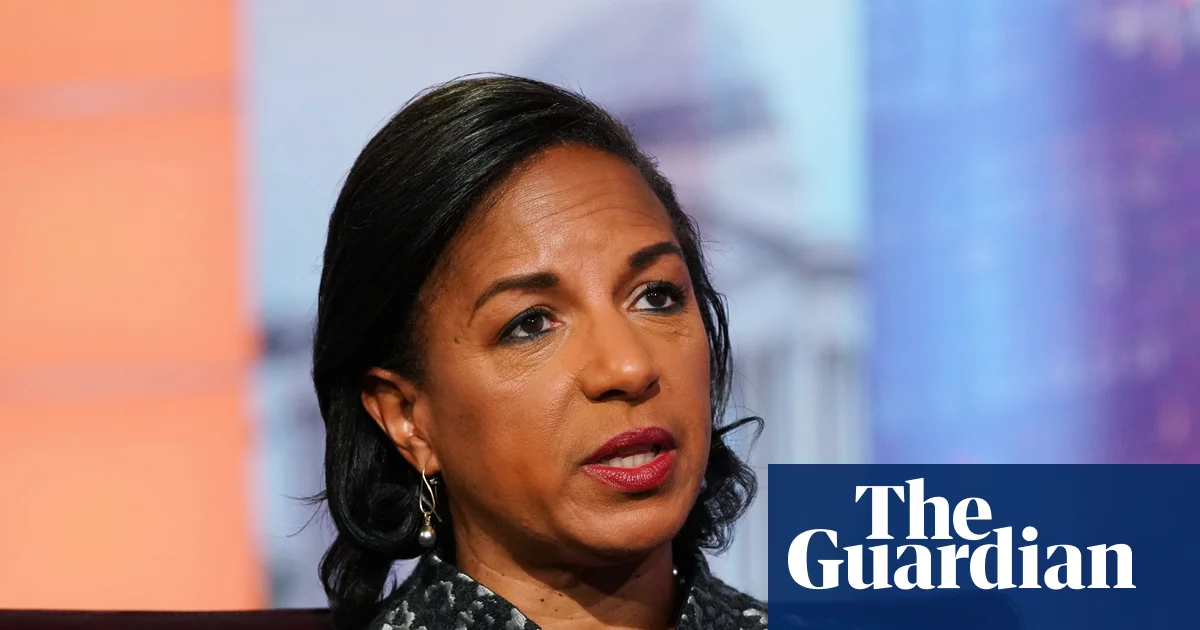
In an extraordinary display of interconnected power struggles, United States President Donald Trump has issued a direct threat to Netflix demanding the removal of Susan Rice from its board amidst a fierce corporate battle for control over Warner Bros Discovery (WBD). These comments, posted on his Truth Social platform, mark a bold intervention into not only entertainment industry politics but also reflect broader geopolitical tensions amidst the ongoing global realignment of influence. Former White House officials, besides Rice, have become pawns in an ideological clash that threatens to draw international attention, especially as major corporations become conduits for political agendas.

The backdrop to this controversy is the fierce bid war between Netflix and Paramount Skydance to acquire WBD’s lucrative assets, including the rights to iconic franchises like Harry Potter, Batman, and Superman, alongside streaming powerhouses such as HBO and its acclaimed series like Game of Thrones. Analysts warn that whether this deal goes through could have a profound impact on global media landscapes, creating a media titan wielding unprecedented influence over international narratives and cultural exports. This move reflects the consolidation of soft power through corporate dominance and exemplifies how economic leverage translates into geopolitical muscle. Washington’s stance suggests that any acquisition must receive federal regulatory approval, but Trump’s inflammatory comments serve to politicize the process and undermine international confidence in free-market principles, revealing a dangerous intersection of commerce and political vendettas.

The scandal deepens as Rice, an influential figure who served under Barack Obama and currently maintains a position on Netflix’s governance committee, became a target of Trump’s vitriol. His assertion that her “power is gone” and questioning her remuneration reveal a broader ideological battle—one where media influence is seen as a battleground for ideological dominance. Prominent international researchers and think tanks warn that the politicization of corporate governance and media assets fuels instability, potentially fostering regional conflicts as nations react to perceived external interference. Meanwhile, US political factions are divided, and global forces watch with caution as the tendency for such high-profile disputes to spill across borders grows ever more evident.

This unfolding saga is more than a battle over assets; it signals a pivot point in the rendering of geopolitical influence. The clash involving United States domestic politics, international media, and corporate sovereignty underscores a future in which economic powerhouses seek to shape global narratives and societal values. As global institutions remain watchful, historians like Fukuyama and Huntington warn that the lines between cultural influence and geopolitical strategy continue to blur, risking an era torn between the forces of capitalism and nationalist fervor. The next chapter in this fight for control may well determine if the world is steering toward a new era of unprecedented corporate domination, or if resistance by societies and nation-states will carve out a space for independence amid the chaos.

As the curtains close, the story remains unevenly written, with history once again echoing into the uncertain future. The question lingers—how will this battle for control over the streams of information and cultural icons ultimately reshape our global order? Only time will reveal whether these power plays forge a new era of dominant media empires or ignite a reckoning that reshapes sovereignty itself. For now, the world watches and waits, aware that history is not just being written—it is being violently reshaped, one deal, one tweet, one moment at a time.

Netflix set to snag Warner Bros.: The 5 hottest properties joining the streaming giant

Netflix’s $82.7 Billion Power Play: Redefining the Cultural Landscape of Entertainment

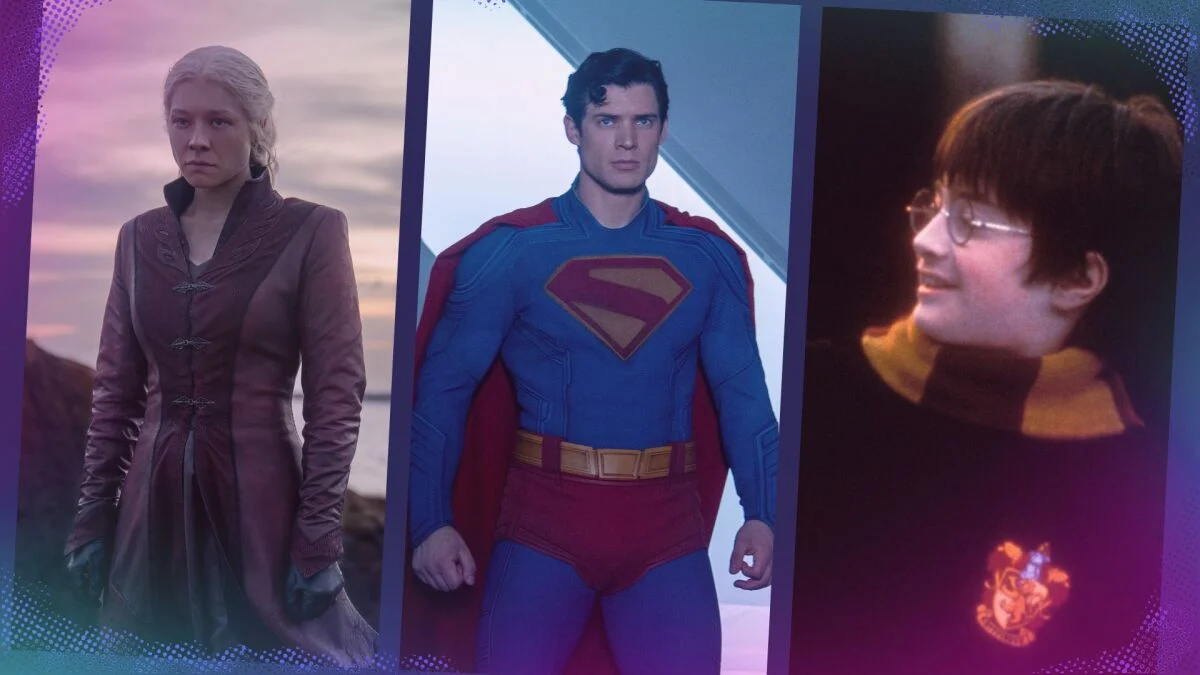
In an unprecedented move that’s sending shockwaves through the entertainment industry, Netflix recently announced the acquisition of Warner Bros. for a staggering $82.7 billion. This strategic buyout grants the streaming giant ownership of a vast array of media assets, including legendary film and TV studios, as well as iconic franchises like Harry Potter, DC Comics properties, Game of Thrones, and Looney Tunes. This deal signifies more than just a business maneuver; it marks a pivotal shift in how youth culture consumes and interacts with entertainment, blending nostalgia with emerging digital trends.

One of the most immediate impacts of this acquisition is the consolidation of beloved franchises into a single digital ecosystem. The Harry Potter saga, which has enchanted generations for decades, will now be under Netflix’s umbrella, securing the rights to all eight movies and the upcoming HBO series scheduled for 2027, which continues to stir debate amid J.K. Rowling’s controversial social statements. This move not only promises to revitalize Harry Potter’s cultural footprint but also raises questions about the power dynamics of fandom and cancel culture, as critics and fans alike grapple with the creator’s complex legacy. Meanwhile, the DC Universe and Game of Thrones—with their massive, dedicated audiences—are poised to be reimagined, tested, or expanded on Netflix’s platform, potentially turning the streaming service into the new Iron Throne holder.

The Cultural Resonance of Iconic Franchises

This move is more than just a business strategy; it’s a reflection of the shifting sands of pop culture, where franchises shape social identities. Young viewers now consume content that blurs the lines between entertainment, nostalgia, and social activism—sometimes in conflicting ways. For instance, the Harry Potter series remains a cultural touchstone, but the ongoing controversy surrounding J.K. Rowling’s comments has intensified debates about authenticity versus responsibility in fandom. Similarly, the Game of Thrones universe continues to expand, offering fresh narratives within Westeros that are likely to influence social discourse, identity politics, and fan engagement for years to come.

With this merger, Netflix isn’t just expanding its catalog; it’s redefining the social relevance of these franchises. These stories now serve as platforms for cultural conversation, where issues of representation, legacy, and social responsibility intersect with blockbuster entertainment. Experts like media sociologists suggest that in this era of digital activism, franchises wield substantial social influence, acting as both escapism and catalysts for societal change. The question that looms, however, is whether Netflix can succeed as a steward of these cultural icons—preserving their integrity while also innovating them for new generations.

The Next Chapter in an Evolving Ecosystem

While the acquisition cements Netflix’s status at the top of the streaming hierarchy, it also invites a profound question about the future of entertainment consumption: Will this convergence of old and new media signal a shift toward a more unified cultural experience, or will it intensify competitive fragmentation as other players seek to carve out their own legacy? As Netflix becomes the custodian of these the stories that shaped much of modern youth culture, the next big challenge lies in navigating how to keep these franchises relevant in a rapidly changing digital landscape. Will they serve as enduring cultural touchstones, or will they be co-opted and commercialized to an unsustainable degree?

As the landscape continues to evolve, one thing remains clear: this acquisition is not just a business transaction but a cultural realignment that questions the very future of entertainment, legacy, and social relevance. The next big question for both creators and consumers is whether these iconic stories will be used to foster genuine cultural dialogue or simply become commodities in a relentless pursuit of streaming dominance.

Netflix Nears Deal with Warner Bros., Big Win for Streaming Giants

Netflix Eyes Major Acquisition in the Battle for Global Entertainment Dominance

In a move that could reshape the geopolitical landscape of international media, Netflix is reportedly nearing a deal to acquire the film and streaming assets of Warner Bros Discovery. This potential acquisition, which includes iconic franchises such as Harry Potter and Game of Thrones, as well as the streaming service HBO Max, signals a strategic shift in the global entertainment market. As competition intensifies among streaming giants, analysts warn that this industry consolidation may have profound consequences for media sovereignty and cultural influence worldwide. The deal’s outcome will undoubtedly influence how entertainment is produced, consumed, and regulated on a scale that extends beyond individual markets, affecting societies and national policies alike.

The dynamics of this proposed acquisition have sparked a fierce debate among industry stakeholders and international regulators. Paramount’s legal representatives have publicly questioned the fairness of Warner Bros’ sale process, hinting at potential bias that favors certain bidders. A letter reviewed by CNBC accused Warner Bros of conducting a “myopic process with a predetermined outcome,” raising concerns that the sale might be manipulated for the benefit of a single corporate player. Such allegations reflect broader fears about monopolistic behaviors—fears that are resonant far beyond Hollywood, echoing anxieties about media concentration’s impact on diversity of content and global information flow. The United States Federal Trade Commission and other international authorities are likely to scrutinize this deal closely, weighing the potential for a media monopoly to stifle competition and limit consumer choice on a global scale.

How Industry Power Plays Redefine Global Cultural Politics

Industry experts like Emma Wall, chief investment strategist at Hargreaves Lansdown, argue that the bidding war is about more than just profit margins—it’s about wielding cultural influence. She noted that Paramount’s bid included parts of Warner Bros with ongoing profitability challenges, whereas Netflix’s proposal focused solely on its strongest assets. “You’re sort of tainting your offer if you go into a spat,” she remarked, implying that strategic acquisitions are being driven by complex, behind-the-scenes negotiations that involve international regulators and geopolitical considerations.

The potential creation of a *“global media mega-power”* has alarmed critics who warn of regulatory challenges. According to CNBC, legal representatives from Paramount suggest that Warner Bros’ sale process may be skewed in favor of a single bidder, leading to broader implications for international media regulation. If such a conglomerate emerges, it could result in an entrenchment of cultural hegemony, with a handful of corporations controlling the narrative and access to entertainment across continents. Historians and analysts warn that such concentration mirrors other periods of monopolistic dominance, where unchecked corporate power can distort political and social development.

Implications for Hollywood and the Global Audience

The ramifications extend beyond the realm of media business models; they threaten the very fabric of cinema and cultural expression. As Tom Harrington of Enders Analysis warns, should Netflix’s acquisition succeed, the Hollywood industry would face a *“reorientation,”* with the creative jewelHBO—becoming deeply intertwined with a platform historically at odds with traditional cinema. This potential fracture in the relationship between streaming services and traditional filmmaking could accelerate the decline of cinema as a cultural pillar, reshaping artistic narratives and societal storytelling paradigms.

Operational and regulatory challenges loom large, with international watchdogs poised to examine whether such a merger would violate principles of fair competition. As global audiences become increasingly polarized in media preferences, the consolidation of power in the hands of few conglomerates could lead to a homogenization of culture, eroding the diversity that once fueled creative innovation. Historians argue that this moment might be remembered as a defining juncture in the transformation of global media, where the clash between corporate ambition and cultural integrity reached its zenith. The stakes are high, and the course of history continues to be written with every negotiation, every deal, and every decision made behind closed doors—reminding us that in this new era, entertainment is no longer just a product but a weapon in the relentless pursuit of geopolitical dominance.

Netflix secures victory in Warner Bros. bidding war—tech giants shake up the entertainment game

Netflix’s Strategic Push into Hollywood: A Paradigm Shift in Content and Business Models

In a move that could redefine the entertainment landscape, Netflix is reportedly considering acquiring Warner Bros. and its associated assets, including HBO Max. While the deal faces imminent regulatory hurdles, notably opposition from the Department of Justice, industry insiders suggest that if approved, this acquisition could trigger a seismic shift in how streaming giants operate within traditional Hollywood frameworks. Such an integration would place Netflix at the helm of one of the oldest and most influential film studios, fundamentally altering existing distribution, production, and theatrical paradigms.

From an innovation perspective, this move signals a disruption of the conventional content supply chain. Historically, Netflix has prioritized digital-first distribution, avoiding involvement in theatrical releases and traditional studio operations. The potential transition into studio management would allow Netflix to leverage its data-driven approach to content creation while integrating theatrical releases into its ecosystem. This strategic positioning could enable the company to compete directly with legacy studios by controlling more of the content lifecycle—from production to consumer. Such vertical integration aligns with industry trend forecasts from Gartner and MIT, which emphasize the importance of disruptive consolidation as a way to leverage big data and cutting-edge AI for content optimization and personalized marketing.

The implications for the broader industry are profound. A successful acquisition not only disrupts the traditional Hollywood power balance but could accelerate the consolidation of media assets across emerging digital platforms, forcing competitors to adapt or face obsolescence. Analysts like Peter Thiel have long argued that such disruptive business models fuel innovation by creating new avenues for revenue and consumer engagement. If Netflix can integrate large-scale theatrical content, it may gather a significant competitive advantage—offering consumers a seamless experience that combines the best of traditional cinema and digital streaming, accelerating the metamorphosis of the entertainment industry.

Business Implications and Future Outlook

The potential acquisition underscores how disruption in the tech and entertainment sectors is accelerating, with major players seeking to reinvent their roles within the evolving ecosystem. While regulator concerns and antitrust scrutiny are significant hurdles, industry insiders suggest that the strategic value of owning a legacy studio—combining creative control with data-driven insights—could outweigh regulatory obstacles in the long term. This move may also set a precedent for vertical integration, inspiring other tech giants, such as Apple and Amazon, to pursue acquisitions that further blur the lines between content creation and distribution.

Looking ahead, the industry faces an imperative to innovate rapidly in response to consumer demand for high-quality, multi-platform content. Executives, investors, and creators must recognize that disruption is now a strategic necessity. As Netflix potentially steps into a new role as a Hollywood studio powerhouse, the entire media landscape remains on the cusp of profound transformation—one that demands agility, strategic foresight, and an unwavering commitment to pushing the boundaries of entertainment technology. The future belongs to those who can harness the power of innovation amidst regulatory challenges, seizing opportunities to reshape cultural consumption in ways previously thought impossible.

Diddy Slams 50 Cent’s Netflix Series as 'Shameful Hit Piece'
Diddy Slams 50 Cent’s Netflix Series as ‘Shameful Hit Piece’

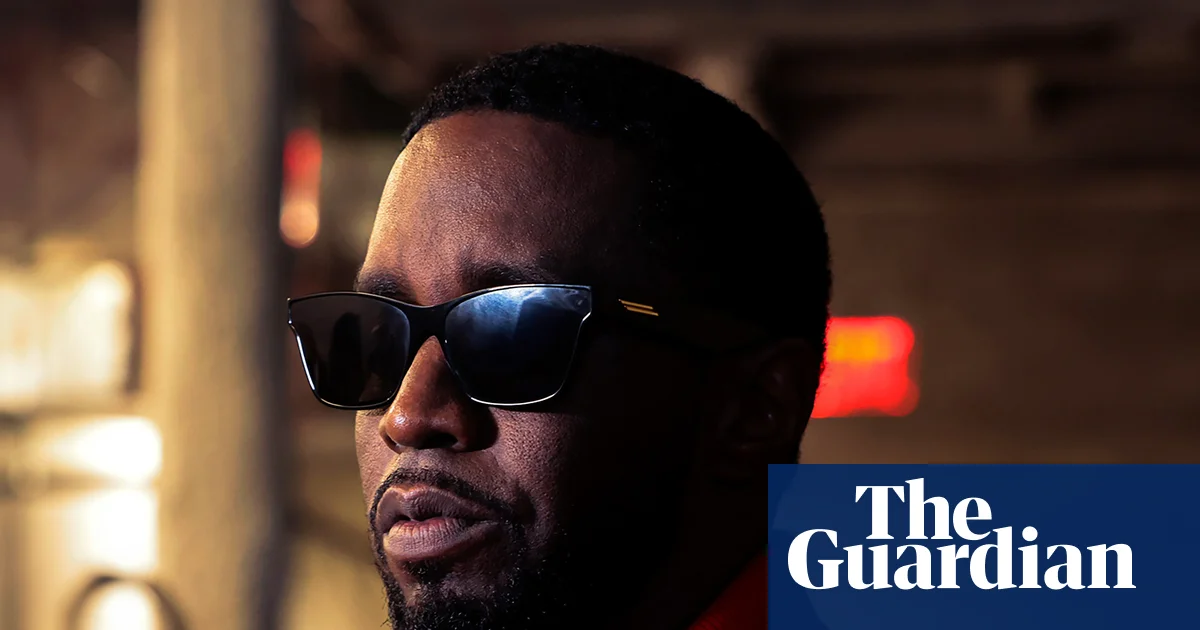
In an era marked by a relentless pursuit of transparency and accountability, international institutions and sovereign nations are increasingly scrutinizing figures who symbolize cultural influence, from entertainers to political leaders. Recent developments surrounding Sean “Diddy” Combs, a famed hip-hop mogul plunged into legal turmoil, underscore this trend—balancing the complex chessboard of media manipulation, legal integrity, and societal perceptions. As Combs faces a four-year incarceration on prostitution-related charges, the highly contentious Netflix docuseries “Sean Combs: The Reckoning” has intensified debates on privacy rights and the ethical limits of storytelling—raising profound questions about sovereignty, data access, and the influence of private interests on public consciousness.

  • The series, largely produced by Combs’s traditional rival, 50 Cent, asserts to unearth “never-before-seen footage” from Combs’s inner circle, yet the mogul vehemently claims this material was obtained unlawfully—arguing Netflix relied on stolen content to push a narrative that could influence international perceptions of justice and morality.
  • Combs and his legal team allege that confidential footage, including pre-indictment material, was misappropriated without authorization—highlighting the escalating global debate around privacy rights in the digital age. Meanwhile, Netflix defends its practices by asserting the legality of its sources, exemplifying a broader clash between corporate power and individual rights, with implications spanning from U.S. law to global liberal norms about data and privacy protection.

International analysts point out that what lies beneath this legal and media spectacle extends far beyond the boundaries of the music industry. Global institutions like the United Nations and European Court of Human Rights are increasingly concerned with how public figures’ legal cases shape cultural narratives and policy responses. As historian Dr. Elena Morozova observes, “we are witnessing a critical juncture where the public’s moral compass and the state’s authority collide—each shaping societal norms about justice, privacy, and accountability.” Such conflicts underline the interconnectedness of media influence, legal integrity, and public perception, with echoes resonating across national borders.

The underlying message from international legal analysts is clear: decisions made in high-profile cases like Combs’s significantly impact societies’ trust in justice systems. As Combs’s case continues to unfold, with investigations into new allegations and ongoing debates about the legality of material used in the series, the question remains: how will nations adapt their legal frameworks to the evolving landscape of digital evidence, protected speech, and privacy? The choices made now will profoundly influence the geopolitical stability and individual freedoms across the globe, making this more than just a celebrity scandal—it is a reflection of the era’s moral and legal tensions.

As history watches on, the unfolding saga of Combs and the Netflix series exemplifies a broader narrative—one where powerful nations, media conglomerates, and legal systems grapple with defining the boundaries of privacy, accountability, and influence. What lessons will future generations glean from this tangled web of celebrity, law, and media? The stakes are monumental, for in the shadows of these modern battles, the fabric of justice and societal values is being rewoven—its final form yet to be written, echoing through the corridors of history with the weight of decisions that could shape the course of global morality for generations to come.

Top 42 Must-Watch Netflix Shows You Can’t Miss in 2025

Disruption in Streaming: The Industry’s Next Chapter

As the digital entertainment landscape continues to evolve at breakneck speeds, streaming services stand at the forefront of a transformative era driven by relentless innovation and disruptive shifts. From the departure of industry giants like Henry Cavill in The Witcher to groundbreaking animation such as Arcane, companies are redefining how stories are told and consumed. This seismic shift signals a new phase where content is not only more diverse and daring but also deeply intertwined with technological advances, forcing legacy media players and new entrants to rethink their strategies.

Innovation and the Power of Disruption

In recent years, the industry has embraced collaborations between traditional media and cutting-edge tech, exemplified by Netflix’s bold experimentation with animation styles in Love, Death + Robots and the adoption of AI-driven content curation. Market analysts like Gartner emphasize that the integration of artificial intelligence, virtual reality, and immersive storytelling will be decisive in capturing the hyper-connected, youth-oriented consumer base. These ventures aim to disrupt the static binge model, shaking up audience engagement and monetization strategies while setting new standards for interactive and personalized experiences.

Business Implications and Industry Evolution

Major entertainment firms recognize that disruption demands agility and innovation. The strategic focus on original content, innovative storytelling formats, and international markets has become more critical than ever. For example, the resurgence of regional productions like *North of North*, and international hits such as Squid Game, showcase how breaking industry norms creates global cultural phenomena. Furthermore, platforms are increasingly investing in multi-genre and diverse storytelling—ranging from gritty crime thrillers like Black Doves to speculative sci-fi in Pantheon—to appeal broadly and lock in differentiated audiences.

Industry Outlook: A Race Toward the Future

The foundation laid by current digital innovations indicates that the future belongs to those who prioritize technological disruption and emerging consumer trends. Experts from MIT and industry leaders like Elon Musk have warned that the next era of entertainment will be defined by hyper-realistic virtual worlds, AI-generated content, and enhanced viewer immersion. In this landscape, traditional content pipelines must adapt rapidly, leveraging big data and AI to anticipate viewer preferences and deliver tailor-made experiences that transcend conventional paradigms. The advent of live-action AI-driven shows, coupled with interactive narratives exemplified by Black Mirror and Arcane, signals a future where content is no longer static but a fluid, participatory experience facing an urgent need for innovative business models to stay competitive.

In conclusion, the streaming industry is entering a phase of unprecedented disruption, where innovation, technological integration, and bold storytelling will determine the winners and losers of this new digital era. The question is not if but when traditional media giants will fully embrace or be displaced by these revolutionary trends. As the digital frontier expands, stakeholders must act swiftly—embracing innovation is no longer optional but essential for survival in the fiercely competitive, fast-changing future of entertainment.

Netflix doubles down on AI, fueling the future of entertainment amid industry splits

Netflix Embraces AI Innovation, Signaling Industry-Wide Disruption

In a move that underscores the transformative power of artificial intelligence (AI) across the entertainment sector, Netflix is positioning itself at the forefront of technological innovation. During its recent quarterly earnings report, the streaming giant explicitly stated it is “very well positioned to effectively leverage ongoing advances in AI,” highlighting a strategic shift that aims to redefine content creation and production workflows. Unlike narratives that paint AI as a threat to creativity, Netflix emphasizes its role as a tool for making the creative process more efficient—an approach that aligns with the broader industry trend of technological disruption brought about by generative AI.

While Netflix does not intend to depend on AI as the core of its content, the company’s recent experiments demonstrate a pragmatic approach to integrating this disruptive technology. For example, the use of generative AI in the Argentine show “The Eternaut” to craft a collapsing building scene, and other projects like “Happy Gilmore 2,” which employed AI to make characters appear younger, illustrate how content creators leverage AI for pre-visualization, visual effects, and post-production processes. These innovations not only accelerate production timelines but also open avenues for storytelling that were previously constrained by budget and time. In this context, AI becomes a catalyst for disruption that could redefine competitive dynamics within the industry.

Industry analysts like Gartner and institutions such as MIT have long predicted that AI-driven automation will drastically lower production costs, thus enabling new entrants and more agile competitors to challenge traditional media giants. However, this rapid evolution also sparks intense debates around ethical considerations and creative integrity. Artists express concern about AI tools that non-consensually utilize their work as training data, posing potential threats to job security and artistic authenticity. Despite these controversies, industry leaders like Netflix’s CEO Ted Sarandos assert that AI will serve as an enhancer, not a replacement, for human creativity. His comments reflect a broader consensus: innovation must complement, not substitute, genuine storytelling talent.

The implications for business models are substantial. Disruption driven by AI technology is poised to shift market leadership and content economics. As Netflix’s quarterly revenue edges upward to $11.5 billion, an increase of 17% year-over-year, it remains evident that leveraging AI for more efficient production could create a competitive edge in an increasingly crowded streaming landscape. With AI’s capabilities expanding rapidly, major players like Disney, Amazon, and Apple are likely to follow suit, pushing the industry toward a new paradigm where speed, customization, and innovation become the benchmarks of success.

Looking ahead, the industry faces a critical point of inflection. As AI tools become more sophisticated and widespread, the pressure on traditional filmmaking and content creation will intensify. Events like the upcoming TechCrunch conference in San Francisco from October 27-29, 2025, are expected to spotlight these trends, highlighting the urgency for companies to adapt quickly or risk falling behind in the relentless march of technological progress. The future of entertainment is undoubtedly intertwined with disruption driven by AI innovation. The companies that harness this wave of change—and do so ethically—will define the new standards of storytelling, business agility, and competitive dominance in the digital age.

Jane Goodall’s passing sparks debut of Netflix’s latest docuseries for a new generation

Netflix Leverages Innovation in Media with Posthumous Interview Series

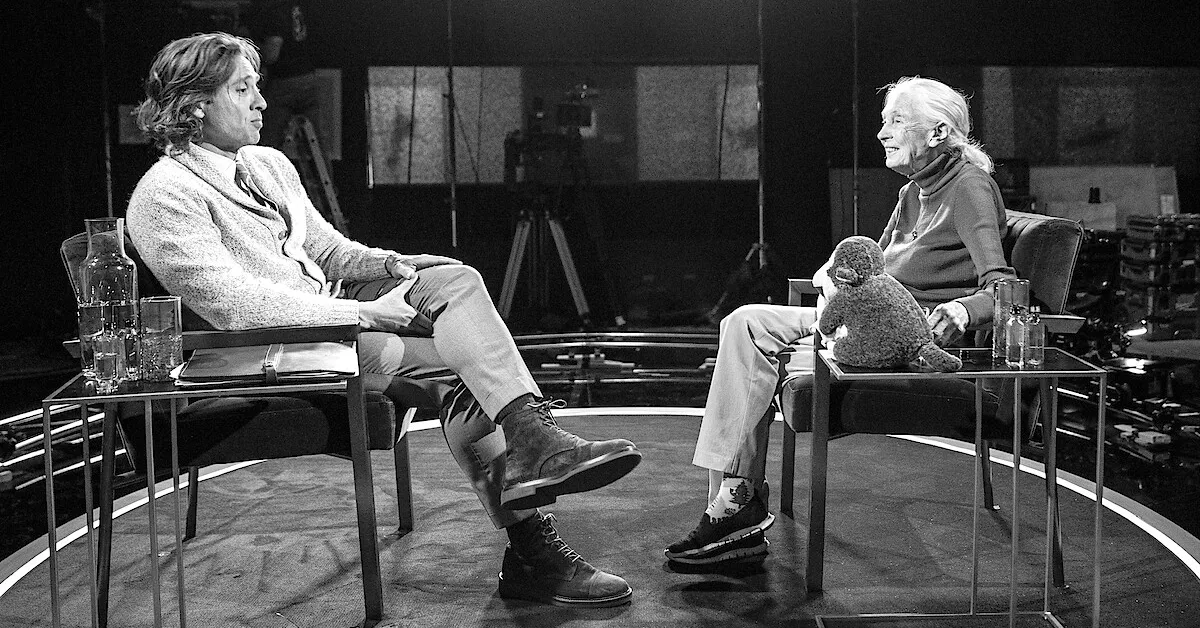
In a move that signals a bold shift in the entertainment industry, Netflix has launched a provocative new show, Famous Last Words, which premieres episodes only after the interview subjects’ passing. This strategy underscores the platform’s relentless drive to innovate and disrupt traditional media norms, pushing the boundaries of content creation and consumption. By integrating advanced remote filming technology, Netflix transforms the interview format into an intimate and unfiltered experience, often involving conversations that are remarkably candid because the subjects are no longer constrained by the need for public approval.

The adaptation of Denmark’s acclaimed series Det Sidste Ord exemplifies how disruptive technologies can redefine storytelling. This series employs remotely operated cameras and carefully curated interview scenarios, hosted by Brad Falchuk, previously known for his work on American Horror Story and Glee. These technological innovations enable production teams to access high-quality footage without traditional on-site filming. Industry experts, including analysts from Gartner, highlight this as an evolution driven by artificial intelligence, remote control tech, and data-driven insights—allowing creators to capture nuanced perspectives that were previously inaccessible or considered taboo.

Implications for the Business and Media Ecosystem

For media companies and content creators, this approach signals a broader trend toward leveraging cutting-edge tech for breakthrough storytelling. The business implications are significant: this model minimizes logistical costs while maximizing viewer engagement with raw, unfiltered content. The inclusion of outspoken figures like Jane Goodall in her final interview underscores a new era where authenticity and transparency are paramount—traits increasingly demanded by younger audiences who seek content with depth and realness. As the market shifts, we can anticipate a competitive surge among tech firms and studios investing in posthumous content production, AI-driven interviewing methods, and immersive viewing experiences.

  • Enhanced audience engagement driven by unprecedented access to candid and unedited insights.
  • New revenue streams from exclusives and memorabilia associated with iconic figures.
  • Potential ethical debates over consent and commodification of personal legacies, prompting regulatory scrutiny.

Strategic and Industry-Wide Considerations

This disruptive model is more than just a revenue play; it’s an indicator of how artificial intelligence, automation, and immersive tech will redefine industry standards. Leaders like Elon Musk and futurists such as Peter Thiel have long envisioned a future where reality and digital representation blur—this series exemplifies that vision. However, this also raises warning flags about the potential for misuse, fake content, and questions over the authenticity of these final interviews. Stakeholders must navigate these ethical terrains carefully.

As the industry advances its capabilities, it’s clear that innovation, disruption, and strategic pivots will determine winners and losers in this rapidly evolving landscape. With new forms of storytelling emerging at a breakneck pace, companies must adapt swiftly—embracing technology not just for operational efficiency but as a core driver of engaging, authentic narratives. The future demands a proactive stance; those who leverage these innovations will redefine cultural benchmarks and gain a significant competitive edge in the unfolding digital era.

Social Media Auto Publish Powered By : XYZScripts.com