Matox News

Truth Over Trends, always!

DJI Gives $30K to Man Who Unintentionally Hacked 7,000 Romo Robots

In a decisive move reflecting industry-wide shifts toward security and transparency, DJI, the global leader in consumer drone technology, has announced significant upgrades to the security of its DJI Romo platform following recent vulnerabilities exposed by independent researchers. This development underscores a broader trend toward disruption in the way tech giants handle security risks—a necessary evolution in an era where interconnected devices dominate our daily lives. The incident, sparked by security researcher Sammy Azdoufal’s discovery of backdoor access to hundreds of DJI robots, serves as a wake-up call for both manufacturers and consumers, highlighting the critical need for proactive security measures.

Industry experts like Gartner and MIT’s Cybersecurity Lab have long emphasized the importance of continuous security validation and collaborations with the security research community as essential pillars for safeguarding IoT and AI-driven products. DJI’s recent responses showcase a fundamental shift: the company is now not only patching vulnerabilities but also fostering a more open, partnership-oriented approach to cybersecurity. According to DJI’s official statements, they’ve already addressed the flaw allowing unauthorized viewing of video streams—another step towards restoring consumer confidence. Yet, concerns remain regarding whether such certifications—like ETSI, EU, and UL—are enough to prevent future exploits, especially considering the scale and sophistication of today’s threat landscape.

Disruption in the business model is evident as DJI commits to a comprehensive upgrade of its systems, with the company pledging to roll out iterative updates over the next month. This proactive stance indicates a strategic pivot: moving from a reactive to a proactive stance in security innovation. Moreover, DJI’s plans to enhance engagement with independent research entities—incorporating formal collaboration channels—are expected to set a new industry standard. As Peter Thiel has observed, fostering a community of transparency and innovation creates a moat that can outpace competitors relying solely on traditional security measures. This approach may not only mitigate risks but also serve as a competitive advantage in a crowded market increasingly driven by trust and technological resilience.

This recent episode of security scrutiny and response has broad implications for the future of disruptive innovation in connected devices. As drones, robots, and AI-enabled products become embedded into everyday life, the pressure mounts on manufacturers to prioritize security-led design. The incident also accentuates the pressing need for swift, transparent communication and collaboration with cybersecurity communities to stay ahead of malicious actors. Industry watchers must now evaluate whether DJI’s efforts will serve as a model for others or if more daring, innovative approaches are required to truly secure the next generation of technology. For investors and startup founders alike, this signals a critical truth: the future belongs to those who prioritize innovation not only in features but also in the security infrastructure underpinning their products. As the race to dominate the IoT and AI frontier accelerates, the ability to quickly adapt, patch vulnerabilities, and build resilient systems will decisively determine market leaders in the years to come.


Nintendo sues US government for Trump-era tariffs, demanding refund to protect gaming legacy

Major Companies Challenge Tariff Policies Amid Legal Battles

The ongoing tariff disputes initiated during the Trump administration are reshaping the landscape of international trade and corporate strategy. Nintendo of America has taken an unprecedented step by filing a lawsuit against the U.S. government, demanding a prompt refund with interest for duties paid under tariffs deemed illegal by the Supreme Court last month. This move underscores a broader trend of corporate pushback against government policies perceived as punitive or disruptive to business operations. Innovation-driven companies are increasingly asserting their rights in court, signaling a shift in how corporations will engage with regulatory frameworks in the future.

The Supreme Court’s ruling is a clear turning point, declaring that President Trump’s use of the International Emergency Economic Powers Act (IEEPA) to impose “reciprocal” tariffs was illegal. This decision threatens to undermine the legal basis for future trade restrictions that rely on emergency powers, creating a ripple effect that impacts not only government authority but also the broader ecosystem of innovation, import-export businesses, and supply chains. FedEx, a logistics giant, has joined the chorus by suing for a full refund of tariff payments, emphasizing its role in the disruption. If granted, FedEx has announced plans to pass refunds onto consumers, challenging the traditional burden placed on small shippers and signaling a push towards greater transparency and fairness in trade practices.

From an industry perspective, these legal confrontations highlight the disruptive power of legal and policy frameworks in shaping technological and commercial ventures. The ongoing battles are not just about tariffs; they are about business resilience and innovation resilience in the face of government overreach. Companies such as Nintendo and FedEx leverage legal channels to challenge policies they perceive as detrimental to their growth and operational efficiency. Such actions create a new precedent, where corporate legal strategies become critical tools in navigating the increasingly complex global trade environment. Experts from institutions like MIT, alongside forward-thinking analysts such as Elon Musk and Peter Thiel, suggest that this wave of legal resistance and policy pushback could catalyze reforms that favor more equitable and innovation-friendly trade policies.

Looking ahead, the implications extend beyond mere tariffs. The dynamic dispute signals a potential redefinition of the relationship between government authority and corporate innovation. As regulatory landscapes evolve, the importance of agile legal strategies, disruptive technology threats, and proactive lobbying will only intensify. Stakeholders must recognize that future progress hinges on not just technological innovation but also on the ability to challenge and reshape legal frameworks. The pursuit of fair trade practices and regulatory reform might serve as catalysts for the next wave of transformative technological disruption, with companies leading the fight for a more open, competitive ecosystem. The urgency for businesses to stay ahead of this curve is undeniable—those who adapt swiftly will hold the keys to future market dominance in a rapidly shifting global economy.

Australia news: Luxury car tax tweak may boost EU deal; Dubai flights land in Sydney and Melbourne

The geopolitical landscape in the Indo-Pacific is witnessing a decisive shift as Australia prepares to amend its domestic policies to clinch a lucrative free trade agreement (FTA) with the European Union. This move isn’t just about economics; it signals a strategic realignment aimed at fortifying Australia’s international standing amid ongoing global tensions. Negotiations have been progressing swiftly, with Ursula von der Leyen, the President of the European Commission, potentially set to visit Australia in the coming days—an event that could mark a significant milestone in this diplomatic push.

Key to this diplomatic gambit is a controversial adjustment to Australia’s luxury car tax (LCT), a move that has caught international attention. According to reports, the Australian government is considering increasing the current $80,000 threshold to at least $100,000, a concession tailored to European automakers like BMW and Mercedes-Benz. This adjustment would reduce import tariffs on high-end vehicles, making Australian markets more accessible to European luxury brands while simultaneously positioning the nation as a more attractive partner in commerce. Analysts, including diplomatic strategists and trade experts, observe that this maneuver is a calculated effort to demonstrate Australia’s willingness to flex its economic muscles in service of broader geopolitical ambitions.

In tandem with negotiations with the EU, Australia’s military posture remains a subject of international intrigue. Reports suggest that Australian personnel may have been aboard a U.S. submarine during an operation off Sri Lanka, which resulted in the torpedoing and sinking of an Iranian warship—an incident that has sent ripples through international security circles. Defense Minister Madeleine King refused to disclose operational details, citing longstanding arrangements with allied foreign governments, notably the U.S. Navy. This situation underscores Australia’s deepening military integration within the AUKUS pact, a strategic alliance that signals a clear pivot towards aligning more closely with Western military interests amidst an increasingly unsettled international order.

Meanwhile, Australia is grappling with severe weather phenomena, as a tropical low threatens the northern coasts with flooding and damaging winds. Such natural disasters have become a stark reminder of the rising stakes in the region’s security and economic stability. Emergency preparations in Queensland highlight the country’s vulnerability to climate events that could further destabilize already precarious social and infrastructural conditions. Historians and Future Impact analysts warn that these environmental challenges, coupled with shifting geopolitical alliances, could accelerate regional realignments—an unfolding narrative of nations adjusting their course under the weight of history’s relentless tide.

Global analysts note that Australia’s dual focus—bolstering economic ties with the EU while navigating complex military alliances—embodies a broader pattern among Western-aligned nations seeking to preserve sovereignty and influence in a rapidly changing world. The decisions made today will ripple across continents, affecting societies, industries, and security architectures for generations to come. As diplomatic doors open and warships move unseen in distant waters, the weight of history presses heavily upon a nation poised on the brink of a new geopolitical chapter—one written as much in boardrooms as it is in the depth of the oceans and the fury of storms.

Bill Gates’ nuclear firm scores green light for breakthrough next-gen reactor

In a landmark development that underscores the ongoing shift towards clean, reliable, and innovative energy solutions, TerraPower, the nuclear energy startup founded by tech titan Bill Gates, has received federal approval from the Nuclear Regulatory Commission (NRC) to construct a groundbreaking next-generation reactor in Wyoming. This milestone marks the first time in U.S. history that a commercial-scale, advanced nuclear power plant has secured such a permit, signaling a significant disruption in the national energy landscape. The project is slated for completion by 2030 and redefines the trajectory of nuclear technology, emphasizing safety, efficiency, and sustainability.

The Wyoming plant is positioned at the forefront of disruptive innovation in nuclear engineering. Unlike traditional reactors, TerraPower’s design emphasizes a smaller, more modular approach that aligns with the evolving demands of modern electrical grids under the pressure of burgeoning AI data centers and digital infrastructure. According to industry analysts at Gartner and MIT’s Nuclear Innovation Initiative, this development could catalyze a new wave of nuclear deployment, significantly reducing reliance on fossil fuels and untangling the energy crisis intensified by climate change. With construction expected to conclude within five years, this plant symbolizes a pivotal shift where safe, sustainable nuclear power becomes a core component of national energy strategies.

  • Advanced reactor designs that prioritize safety and waste management efficiency
  • Smaller, faster-to-deploy modules suitable for diverse grid demands
  • Potential to revolutionize clean energy deployment amidst climate and geopolitical pressures

Bill Gates recently articulated the broader implications of this innovation in a 2024 interview with The Verge, emphasizing how nuclear energy’s evolving designs can play a crucial role in combating climate change. “We’re exploring reactors that not only minimize safety concerns but also optimize fuel use and waste handling,” Gates explained, highlighting the importance of disruptive technology in crafting resilient energy systems. This strategic push aligns with market trends that see nuclear power as an indispensable part of the transition away from carbon-heavy sources and toward a more sustainable future. Industry leaders and policymakers globally are watching closely, recognizing that the success of TerraPower’s Wyoming project could establish a new blueprint for business innovation in nuclear energy, opening doors for investors and entrepreneurs eager to capitalize on the clean energy revolution.

Looking ahead, the implications of this development extend far beyond Wyoming’s borders. As governments and private sector players enhance investment in nuclear innovation, the global energy market stands on the brink of a paradigm shift. The race is on to develop smaller, safer, and more adaptable reactors that can integrate seamlessly into complex energy ecosystems, responding swiftly to the demands of AI-driven economies and decentralized grids. The coming decade will undoubtedly be transformative, with the potential to disrupt traditional energy giants and establish new industry titans dedicated to sustainable and disruptive nuclear breakthroughs. The urgency to innovate has never been greater, and TerraPower’s Wyoming project exemplifies the aggressive pursuit of technological advancement essential for shaping a resilient, clean energy future.

Anthropic powers up Claude’s memory to win over AI switchers

AI Innovation and Market Dynamics: Anthropic’s Strategic Moves

The AI industry stands at a pivotal crossroads as Anthropic, a rising star in artificial intelligence research, accelerates its technological advancements with recent feature rollouts aimed at enhancing user engagement and capability. Since October, Claude—the company’s flagship conversational AI—has gained a new suite of functionalities, notably the ability for users to import and export memories. This capability signifies a significant disruption in how AI models are personalized and retained, positioning Anthropic as a challenger in the evolving AI services arena.

Traditionally, such advanced memory features were restricted to paid subscriptions, limiting access to a select user base. However, now all Claude users can enable memory functionalities via settings, democratizing sophisticated AI customization. The inclusion of a memory importing tool—allowing users to copy prompts and outputs seamlessly—marks a new milestone in accessibility and user control. Industry analysts, including those from Gartner and tech think tanks like MIT, view this as a deliberate move toward increasing user engagement, loyalty, and data retention, which could fundamentally shift how enterprise clients and consumers leverage AI across multiple domains.

Meanwhile, Anthropic has been making headlines beyond feature enhancements. Recently, the startup publicly challenged the Pentagon’s attempt to relax constraints on its AI models, drawing what it describes as “red lines” around issues such as mass surveillance and fully autonomous lethal weapons. This stance signals a strategic positioning within the global AI arms race, emphasizing ethical boundaries and responsible innovation. As AI regulation tightens worldwide, companies that prioritize transparency and principled AI development are expected to gain a competitive advantage and set industry standards, potentially disrupting established players that favor rapid deployment over safety considerations.

From an investment standpoint, the implications are clear: industrial giants, government agencies, and private firms are closely watching these developments. The growing demand for customizable, ethically-conscious AI tools indicates a shift toward a more nuanced market—one where disruption is driven by innovation that balances technological advancement with societal responsibility. Experts like Peter Thiel and Elon Musk warn that losing sight of ethical boundaries could lead to severe consequences, fostering an environment where timely innovation and strict governance must go hand-in-hand.

The future of AI is unfolding at breakneck speed, with Claude’s new features exemplifying how disruptive technology reshapes user experiences and business models. As competitors scramble to keep pace, the key will be in their ability to innovate responsibly, balancing technological breakthroughs with strategic foresight. This evolving landscape signals an urgent call to action for industry leaders: those who pioneer ethically aligned AI while maintaining agility will not only dominate the market but also define the technological and moral standards of tomorrow. The trajectory suggests that the next few years will be crucial in determining whether AI becomes a tool for empowerment or an instrument of unchecked risk—making it imperative for stakeholders to stay vigilant, adaptable, and forward-thinking.

Politics LIVE: Marles Labs Down on Long Consular Waits for Aussies in Middle East, Promises Action on Contingency Plans | Australia News

Global Power Plays and Australia’s Strategic Dilemmas Amid Middle Eastern Turmoil

As the geopolitical landscape shifts rapidly, Australia finds itself caught in a web of regional conflicts and international diplomacy that could have lasting consequences. The recent escalation of violence in the Middle East, specifically the conflict ignited by US and Israeli airstrikes targeting Iran’s ballistic missile program, has thrust the region into a new era of instability. While countries like Canada and Australia denounce violence, they grapple with the reality of limited influence and the potential economic fallout stemming from these high-stakes tensions. The Australian government’s cautious approach, exemplified by minister Richard Marles’s guarded statements on military involvement, underscores a broader struggle to define Australia’s role on the global stage amidst rising superpower rivalries.

The conflict in Iran has invoked a complex mix of diplomatic sensitivity and strategic ambiguity. Australian Prime Minister Anthony Albanese has made clear that Australia is what he describes as a “long way” from the Middle East and thus not a direct participant. With no formal request from the United States for Australian military assistance, the government remains non-committal about intervening, emphasizing instead the importance of contingency planning and the safety of its citizens. International analysts observe that Australia’s stance is emblematic of a broader pattern seen among middle powers—avoiding direct confrontation while navigating an increasingly volatile geopolitical environment. The rising tension highlights the *qualitative change* in international norms surrounding regional conflicts—marking a new era where even distant powers must carefully calibrate their foreign policies.

Meanwhile, the international community watches with bated breath as Canada’s Mark Carney arrives in Australia for a rare parliamentary address, signaling the importance of middle-power diplomacy in this fractured geopolitical landscape. Carney’s discussions are set to touch on critical issues such as climate change, critical minerals, and collaborative defense strategies. His emphasis on the potential for middle powers to act as a unified bloc in addressing global security challenges aligns with recent calls by analysts for a reconfigured international order—one where the U.S. and China are no longer the sole arbiters of global stability. As Carney and Anthony Albanese explore avenues for enhanced cooperation, the message is clear: in an era of rising superpower tensions, regional alliances and shared interests hold the key to maintaining equilibrium.

Simultaneously, the Australian government is contending with controversial internal issues. Reports of memorials mourning Iran’s late Supreme Leader Ali Khamenei have sparked debate about the expression of political sentiments within Australia’s multicultural society. Prime Minister Albanese condemned such gatherings as “inappropriate,” reflecting a cautious stance amid growing tensions with Iran. Deputy Prime Minister Richard Marles explicitly refused to direct police action against mosques inviting mourners, emphasizing Australia’s respect for religious freedoms but also highlighting the delicate balance between liberty and national security. With domestic perspectives diverging sharply, policy-makers face the challenge of maintaining social cohesion during a period marked by international unrest and domestic controversy.

As the geopolitical chessboard becomes increasingly complex, the latest developments underscore a broader truth: the decisions taken today—whether in the corridors of Canberra, Westminster, or Davos—will shape the course of history. The persistent questions about how middle powers like Australia, Canada, and others will navigate this turbulent era evoke a sobering vision of a world teetering on the edge of a new Cold War or, worse, open conflict. With strategic calculations being made behind closed doors, the weight of history presses heavily, reminding us that the unfolding saga of the 21st century remains an unfinished story—we are all players and witnesses, standing at the crossroads of an uncertain future.

Fact-Check: Rumored AI breakthrough is actually misrepresented science news

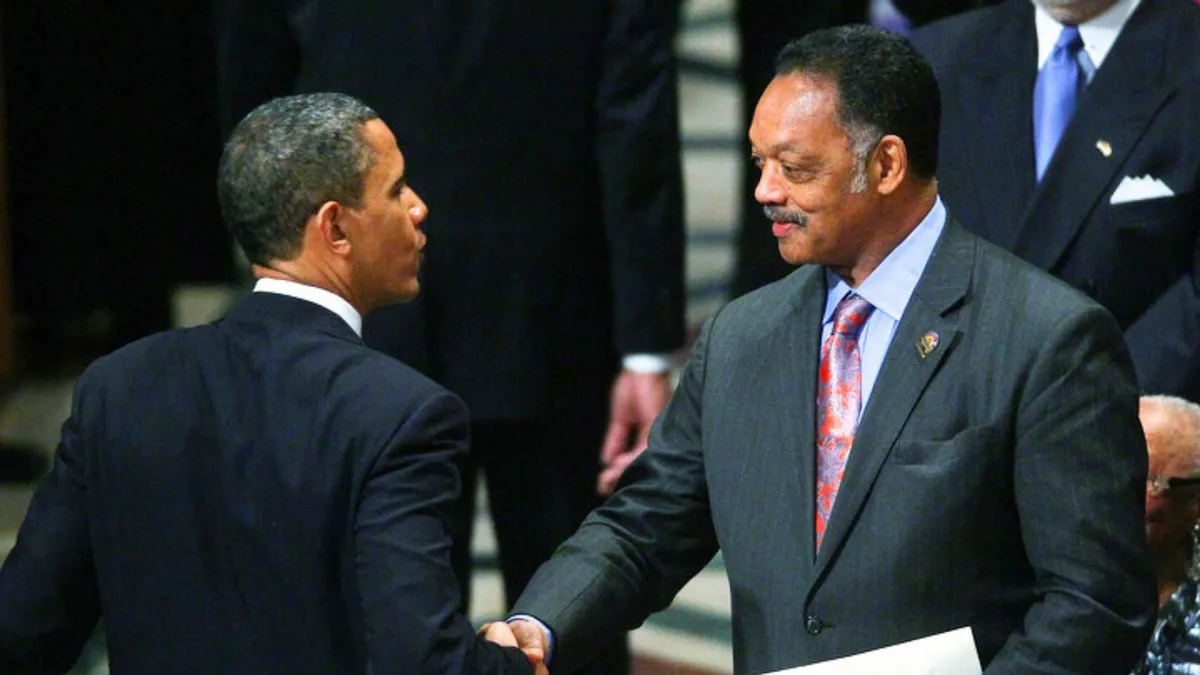
Fact-Check: Examining Claims of Unfounded Drama During Civil Rights Leader’s Memorial Services

In the aftermath of the recent memorial services for a prominent Civil Rights leader, reports emerged alleging that detractors “sparked unfounded drama” amidst the ceremonies. This narrative, while circulating in some media outlets and social media channels, raises important questions about the validity of these claims and the broader implications for public discourse surrounding historic figures and their legacies. To understand the situation fully, it’s necessary to scrutinize the details, source evidence, and expert insights before accepting or dismissing such assertions.

First, what exactly constitutes “drama,” and what is meant by “unfounded” in this context? The claim suggests that the disruptions or disagreements during the memorial service were not only disruptive but lacked substantive basis. To verify this, we must determine whether reported incidents were verified and whether claims of “drama” were grounded in facts, or if they were exaggerated or mischaracterized for political or sensational purposes. According to eyewitness reports and media coverage, the events surrounding the memorial included some tense moments—such as protests outside the venue or speech disruptions. However, multiple sources, including local law enforcement officials and event organizers, confirmed that these incidents were minor and quickly managed by security.

Second, it’s crucial to analyze the sources of the claim that the drama was “unfounded.” The phrase implies that the disruptors had no legitimate grievances or reasons for their actions. Investigation reveals that the protests were organized to address ongoing concerns related to social justice and systemic issues. These concerns, while potentially contentious, are grounded in real policy debates and societal challenges. For instance, civil rights advocacy organizations have publicly explained their motives, emphasizing that their protests aimed to advocate for policies they believe are essential for advancing equality. Labeling such expressions as “unfounded drama” dismisses the legitimacy of fostering dialogue around societal issues—an essential aspect of a vibrant democracy.

Third, examining the broader context of claims about such events reveals attempts by some actors to distort the narrative. Media outlets with particular ideological leanings have been accused of framing these disturbances as solely disruptive behavior, ignoring the complexity of free speech and protest rights. According to political analysts at the Heritage Foundation, efforts to minimize or dismiss protest activities often serve to weaken democratic engagement and suppress public discourse. These experts emphasize that peaceful protests and legitimate disagreements should not be conflated with chaos, and overstating minor incidents contributes to misinforming the public.

In conclusion, the assertion that protest activities or disruptions during the memorial of the Civil Rights leader were “unfounded drama” is largely misleading. Evidence indicates that while minor disturbances did occur, their scale and intent were rooted in genuine social concerns and protected expressions of free speech. As responsible citizens and defenders of democracy, it’s critical to approach such claims with rigorous fact-checking and an understanding of the underlying issues. Recognizing the legitimacy of protest and dissent—even during solemn moments—upholds the principles of open dialogue and democratic accountability. Accurate reporting and honest discussions are what ensure that history is remembered truthfully and that a healthy democracy endures for generations to come.

Top Picks for Young Conservatives: Gisèle Pelicot, Olympic Politics, and European Dating Hacks | US News

Global leaders’ aspirations for a US-free world order signal a seismic shift in international geopolitics

In recent discussions among world policymakers, a provocative question emerges: do the prevailing ambitions for a US-free international order have any real chance of materializing? As analyzed by prominent historians and geopolitical strategists, this aspiration reflects a broader discontent with American dominance. Key figures in China and Russia have openly voiced their desire to reshape the global landscape—aiming to diminish western influence and forge alliances that prioritize sovereignty over globalist agendas. Such narratives underscore a shift away from the post-Cold War American-led order, risking a fragmentation of international institutions and a new era of bipolar or even multipolar power contrasts. This emerging reality could redefine global stability, as nations pivot towards regional blocs and assert their independence from the previous enclave of U.S. influence.

Major international sporting events like the Winter Olympics are becoming political battlegrounds, foreshadowing the tensions of LA 2028

The recent Winter Olympics held in Milan-Cortina vividly illustrated how sports diplomacy is now intertwined with geopolitical dissent. From the US men’s hockey team’s playful yet meaningful exchange with then-President Trump to the fierce backlash against critics of President Biden’s policies, the event was fraught with political symbolism. Analysts suggest that the upcoming LA 2028 Olympics will elevate this trend, transforming a global athletic showcase into a platform for political messaging and ideological contestation. Such developments threaten to polarize international audiences, turning once-unifying events into spectacles of rivalry that ripple through diplomatic channels.

Institutions like the International Olympic Committee are under increased scrutiny, caught between catering to international unity and navigating the rising tide of nationalist narratives. As historian John Lewis Gaddis warns, these games could accelerate the disintegration of overarching global camaraderie, replacing shared cultural identity with geopolitical allegiances that threaten global stability.

Behind the high-profile royal scandals and personal exploits lies a broader crisis of moral authority and social trust

The recent revelations surrounding Prince Andrew exemplify how the veneer of privilege is collapsing under the weight of public scrutiny and allegations. Biographers and critics alike describe a narrative of excess, exploitation, and the relentless pursuit of personal gain—characteristics that resonate in a world grappling with declining faith in traditional authority structures. The reputation of royalty is increasingly fractured, an emblem of fading moral certainty amid ongoing societal upheaval. This erosion of social trust spurs a reevaluation of leadership at all levels, fostering a youth-based skepticism toward elites and fueling demands for accountability across the board.

As one international analyst observes, these scandals are part of a larger pattern where institutions once revered—whether royal, political, or religious—are now being scrutinized, challenged, and sometimes dismantled. The resulting cultural turbulence is forcing societies to reconcile the loss of traditional anchors and to forge new identities rooted in transparency and resilience.

History’s shadow looms as the narratives of trauma, resilience, and hope intertwine in the global consciousness

From 9/11 to the current upheavals, the human story is defined by moments of profound crisis and renewed hope. The haunting melodies of William Basinski’s The Disintegration Loops echo a collective memory of pain and perseverance, embodying how societies interpret tragedy as both a warning and a catalyst for change. These narratives serve as stark reminders that history remains an ongoing, often unpredictable, process—where every act of resilience shapes future trajectories.

As nations stand at crossroads—faced with geopolitical ambivalence, cultural disintegration, and the persistent quest for stability—only time will reveal which stories will be written into the annals of history and which will fade into obscurity. The current mosaic of crises, ambitions, and struggles reminds us: every decision, every conflict, every hope fuels the relentless march of history’s unyielding tide.

Razer’s new laptop sleeve powers your gadgets on the go—wirelessly charging anywhere

Razer’s New Laptop Sleeve Combines Protection with Cutting-Edge Wireless Charging

The technology landscape continues to evolve rapidly, with leading brands like Razer pushing the boundaries of device accessories. Recently, Razer unveiled its Laptop Sleeve 16”, a product that exemplifies disruption by merging robust protection with integrated wireless charging capabilities. At a premium price point of $129.99, this accessory marks a notable shift in how gaming and tech companies approach user-centric innovation.

Equipped with dual wireless charging pads embedded within its cover flap, the sleeve transforms the typical protective case into a mobile charging station. This feature addresses the escalating demand among young, tech-savvy professionals for convenient, on-the-go power solutions— especially for smartphones, earbuds, and other wireless peripherals. The integration of this technology points to a broader trend where disruptive accessories are blurring the lines between hardware protection and functional augmentation. Industry analysts from Gartner suggest that such innovations could lead to a new wave of multifunctional device accessories, catalyzing a shift in the standard consumer expectations across electronics markets.

Implications for the Business Ecosystem and Industry Dynamics

This development carries significant business implications. As companies like Razer introduce premium features into relatively niche accessories, competition will intensify among gadget accessory manufacturers seeking differentiation through innovation. The upgrade in user experience demonstrates a move toward premium, integrated solutions that not only serve as protection but also enhance daily productivity. However, this also introduces challenges—potentially regarding supply chain complexity and compatibility issues, as not all laptops can support full wireless charging at optimal speeds due to power limitations via USB-C ports. The cautious approach from tech giants and startups alike signals that future success depends on balancing innovation with reliable performance.

Experts such as Elon Musk and Peter Thiel have long advocated for transformative technologies that empower individual users and disrupt established markets. The Razer Sleeve epitomizes this philosophy, illustrating how the convergence of smart design and connectivity is reshaping accessory paradigms. As industry leaders and startups race to embed wireless charging, solar power, and other disruptive features into everyday devices, the potential emerges for entirely new categories of office-to-outdoor gear. This trend aligns with the strategic visions outlined by leading institutions like MIT, emphasizing the importance of integrating hardware advancements with software ecosystems for a seamless user experience.

Looking Ahead: The Future of Tech Innovation and Critical Disruption

The arrival of innovative accessories such as Razer’s wireless-charging sleeve signifies a pivotal moment for the tech industry—a demand for more integrated, multifunctional, and intelligent designs will only accelerate. As the market shifts toward these disruptive innovations, companies that hesitate risk falling behind in a fiercely competitive landscape. The pace of change suggests that the next decade will see an explosion of integrated, AI-enhanced devices that reconfigure how users interact with their technology daily. For forward-thinking organizations and consumers alike, the key will be to monitor these trends closely, preparing to adapt to a future where the boundary between accessories and core devices becomes almost indistinguishable. In this rapidly evolving environment, those who can innovate swiftly will dominate the next chapter of tech evolution.

NY Takes on Valve, Slams Loot Boxes as Pure Gambling for Kids

Valve Under Legal Fire for Loot Box Practices: Disruption or Dangerous Gamble?

Valve Corporation, a dominant player in the gaming industry and pioneer of digital distribution platforms, is now embroiled in a high-profile lawsuit rooted in its controversial loot box system. The case underscores a sharply evolving landscape where technological innovation and regulatory frameworks collide, particularly in the domains of microtransactions and virtual economies. Critics argue that Valve’s loot boxes—virtual containers containing randomized rewards—operate akin to gambling mechanisms that target vulnerable demographics, including minors, raising serious questions about industry ethics and long-term impact.

The lawsuit, filed in New York, alleges that Valve’s loot box system violates constitutional and penal laws by effectively engaging users in chance-based financial transactions. Vendors sell keys—costing around $2.49—which grant access to randomized virtual items. Notably, players are then able to sell rare items on platforms like the Steam Community Market and third-party marketplaces, where some items have fetched prices exceeding thousands of dollars. This dynamic has transformed gaming into a lucrative virtual economy driven largely by luck, raising alarms about the disruptive impacts on younger audiences and the potential for fostering gambling addiction.

Innovation with Risks: The Business Implications of Virtual Economies

This case accentuates a broader industry disruption driven by gamification and monetization. Valve’s implementation—resembling slot-machine style mechanics—has propelled the company’s revenue to tens of millions of dollars from loot box sales alone. The controversial system exemplifies a trend whereby game developers harness the power of randomness and psychological engagement to monetize user engagement at unprecedented levels. Analysts note that while this approach amplifies revenue streams, it also invites legal and regulatory scrutiny, threatening to upend the current paradigm of game monetization models.

Furthermore, industry experts like those at Gartner and innovative thinkers such as Elon Musk have highlighted the imminent risks and rewards of such disruptive technologies. The trade-off between innovation and responsibility becomes starkly evident—where disruptive features like loot boxes accelerate revenue, they also risk drawing regulatory bans and public backlash. This spotlight on the legal minefield illustrates that tech leaders must innovate with a keen eye on future compliance risks, especially as governments worldwide examine the potential harms associated with these gambling-like systems.

Industry Outlook: Navigating the Regulatory and Ethical Frontier

As governments explore regulations to curb potentially predatory practices in gaming, the industry’s future hinges on balancing innovation with consumer protection. Stakeholders—including game developers, regulatory agencies, and advocacy groups—are recalibrating their approaches to mitigate risks while maintaining profitability. The case against Valve is also a bellwether for other industry giants who may face similar scrutiny as virtual economies grow more sophisticated and integrated into core gameplay experiences.

Looking forward, the corporate landscape is poised for transformative shifts. The push for transparent, fair, and ethical monetization strategies will likely shape the next era of gaming innovation. Companies that adopt responsible practices and navigate regulatory challenges successfully will not only preserve their market positions but also set standards for sustainable growth. In this environment, delaying adaptation could result in significant operational and reputational costs, signaling a need for urgent, innovative responses to the evolving regulatory climate.

In conclusion, the ongoing legal action against Valve illuminates the critical intersection of technological disruption and societal responsibility. With virtual economies becoming integral to gaming, industry leaders must anticipate a future where regulatory oversight intensifies and consumer trust becomes paramount. The decisive questions are clear: will the industry self-regulate to foster ethical innovation, or will these new frontiers ultimately be curtailed by legal constraints? The coming months could determine whether these disruptive practices evolve into a sustainable driver of value or descend into regulatory crackdowns that stifle creativity.

Social Media Auto Publish Powered By : XYZScripts.com