Matox News

Truth Over Trends, always!

Apple’s ‘Veritas’ Chatbot: Exclusive Peek at Siri’s AI Boost for Employees

Apple’s Siri Revamp Signals New Wave of AI Innovation and Industry Disruption

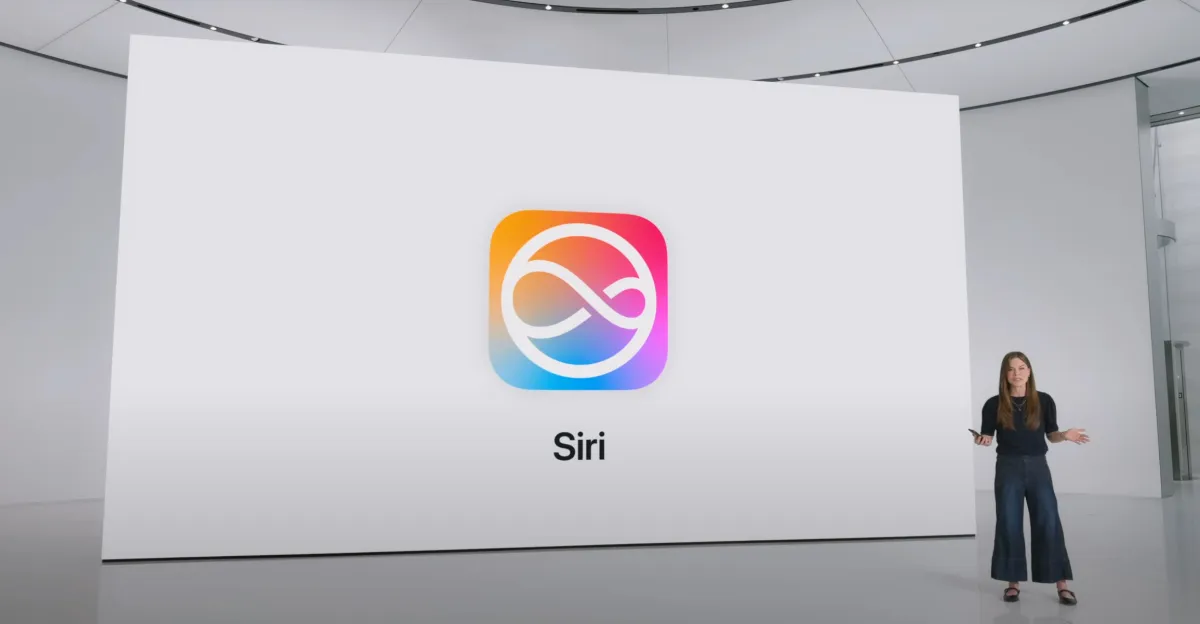
In a rapidly evolving landscape dominated by AI innovation, Apple is taking a strategic step forward with its latest internal initiative, Veritas. Sources close to Bloomberg’s Mark Gurman report that the tech giant is testing a next-generation iteration of Siri, aiming to redefine the personal assistant experience through advanced machine learning capabilities. This move highlights Apple’s recognition that AI-driven disruption is no longer optional but a necessity to stay competitive amidst rising rivals like ChatGPT and Google Gemini.

Though delayed multiple times due to challenges in keeping pace with industry leaders, Apple’s renewed focus on internal AI tools underscores a broader strategic shift. Industry experts such as Gartner point out that integrating conversational AI within ecosystems confers a significant competitive advantage, especially as user expectations evolve towards more intuitive, context-aware interactions. The newly developed chatbot allows Apple engineers to simulate real-world conversations, testing features that enable Siri to perform complex tasks—like searching through personal data or editing media—more seamlessly. While the decision to keep Veritas internal indicates a cautious approach, the underlying technology underpins Apple’s broader ambition to embed AI at the core of its ecosystem, fueling innovation, and customer loyalty.

However, the industry implications extend beyond mere product enhancements. As Apple grapples with boosting Siri’s capabilities, it faces an industry-wide dilemma: how to balance innovation, user privacy, and market disruption. Given the company’s historical emphasis on privacy, partnering with Google’s Gemini for AI search suggests a pragmatic approach—prioritizing technological synergy over complete in-house independence. This strategic reliance could set a precedent, prompting a reshuffling of AI development partnerships across the industry.

Looking ahead, the trajectory of Apple’s AI initiatives signals an inevitable disruption of the digital personal assistant paradigm. The parts are aligning for a new wave where everyday AI interactions are more intelligent and contextually aware, transforming how users engage with technology. Analysts such as those from MIT’s Computer Science and Artificial Intelligence Laboratory emphasize that such advancements could usher in smarter, more autonomous devices that fundamentally reshape consumer expectations. As Apple and its competitors race to dominate the AI-powered future, one thing remains clear: the next decade will be pivotal. Disruption is accelerating, and those unprepared risk falling behind in the emerging AI-driven ecosystem that is poised to redefine tech industry benchmarks.

In this pivotal moment, the tech world must watch closely—not just for the innovations announced, but for the shifts in power and influence that will determine the dominant players of tomorrow’s digital age. For industries and consumers alike, the race to AI supremacy is a high-stakes game, with innovation and disruption now the currency of success.


Trump Shares and Quickly Deletes Wild AI Clip Promoting MedBed Conspiracy

In an era where technological innovation relentlessly redefines the boundaries of possibility, recent developments highlight both the disruptive potential of emerging technologies and the perils of misinformation that threaten to undermine public trust. AI-generated content and virtual medicine are quickly transforming industries, creating unprecedented opportunities for forward-looking businesses and challenging existing regulatory and ethical frameworks. These advancements, while promising, demand a vigilant approach to discern genuine progress from manufactured narratives that can distort public perception.

The controversy surrounding the supposed announcement of the world’s first MedBed hospital system exemplifies the profound impact of AI-driven misinformation on market stability and technological credibility. The floating claim of a universal, all-curing medical device—widely circulated in fringe online communities—mirrors historical patterns of conspiracy-driven disruption. Major tech analysts, such as those at Gartner, warn that this type of narrative can divert investment away from genuinely transformative innovations like regenerative medicine and personalized healthcare. Meanwhile, mainstream institutions are racing to develop real bioengineering breakthroughs that could revolutionize patient care, from CRISPR gene-editing to advanced biocompatible implants.

Concurrently, the proliferation of AI-generated media, including manipulated videos and synthetic personalities, underscores both the rapid innovation within deepfake technologies and the pressing need for industry and regulatory responses. Notable figures such as Elon Musk and Dr. Michio Kaku have voiced concern over how unchecked AI content can distort public discourse and manipulate markets. This presents an urgent challenge for businesses: developing resilient verification protocols and safeguarding against malicious use. The disruption could be profound—imagine AI-powered scams that imitate CEOs or government officials, threatening the integrity of digital commerce and national security itself.

Emerging reports emphasize that the convergence of AI, biotechnology, and blockchain will accelerate an **industry revolution**—a shift that surpasses the explosive growth seen during the dot-com boom. The market implications are clear: investments in authentic innovation will determine the future landscape of healthcare, cybersecurity, and consumer technology. As MIT researchers highlight, **the next decade will be defined by a race to harness AI’s potential responsibly, with real-world applications emerging faster than regulatory frameworks can adapt**. Warnings aside, the window to capitalize on these breakthroughs is shrinking fast, with entrepreneurs and investors urged to seize opportunities rooted in *credible* scientific progress rather than fabricated hype.

Looking forward, the onus is on industry leaders and policymakers to foster an ecosystem where genuine innovation flourishes amidst an increasingly complex digital battlefield. The rapid pace of technological progress necessitates a proactive stance—embracing disruption while guarding against its darker implications. In this new digital epoch, those who can harness truth and transparency will lead the charge, shaping a future where technology serves humanity’s highest ambitions. The clock is ticking; the next wave of transformative breakthroughs is on the horizon, demanding both urgency and strategic foresight from every stakeholder committed to a brighter, smarter tomorrow.

Australia News: Albanese rules out republic vote after meeting with King Charles

In an era defined by rapid geopolitical shifts and surging international tensions, Anthony Albanese, the Prime Minister of Australia, has recently positioned himself at the heart of global diplomacy. His week of international engagements culminated in a historic visit to the Scottish Highlands, where he met with King Charles at Balmoral Castle. This meeting symbolizes not only a strengthening of diplomatic ties between Australia and the British monarchy but also signals Australia’s ongoing effort to assert its global presence amidst rising geopolitical upheaval. Albanese’s visit highlights a nation eager to balance historical ties with strategic interests, especially as alliances such as AUKUS and the shifting dynamics within world powers reshape international order.

The details of Albanese’s conversations with the monarch remain under strict protocol, cloaked in diplomatic discretion. Yet, official statements mention discussions on world affairs, emphasizing the country’s engagement with broader global issues. This diplomatic outreach coincides with Albanese’s broader international itinerary, which included addressing the United Nations and briefly engaging with US President Donald Trump. Analysts from the International Crisis Group and geopolitical experts suggest that such interactions reflect Australia’s intent to elevate its voice on issues like regional security, resource management, and adherence to international rules of law. As the world faces conflicts like the Ukraine crisis and regional disputes in the Indo-Pacific, Australia’s diplomatic posture appears aimed at reinforcing alliances and asserting sovereignty in a turbulent geopolitical landscape.

Meanwhile, domestic politics intertwine with these international maneuvers. Albanese’s firm stance against holding a referendum on Australia becoming a republic signifies a focus on stability and national identity, contrasting with his earlier openness to the idea. Critics from opposition factions, including Senator Michaelia Cash, critique his international diplomatic commitments, arguing that excessive overseas engagement might detract from pressing domestic issues such as the cost of living and national economic resilience. These criticisms underscore a broader debate on how nations prioritize their global strategy while maintaining societal stability. Yet, veteran political observers warn that such disputes could overshadow the country’s long-term strategic interests, especially as geopolitical tensions escalate.

Historians and analysts warn that the unfolding decisions and diplomatic nuances of today may well echo through future generations as a pivotal chapter in Australia’s national and international history. Albanese’s measured approach aims to forge a balanced path—asserting Australian sovereignty, cultivating strategic international alliances, and maintaining constitutional stability. In a world where ideals are often challenged by realpolitik, the choices made now will determine whether this young nation can punch above its weight or become hidden beneath global conflicts and shifting alliances. As diplomats and citizens alike watch these unfolding events, history quietly witnesses the emergence of a new global landscape, where the balance of power is neither fixed nor predictable—yet forever in flux, shaping the course of nations and societies for decades to come.

Danish Authorities Boost Security After ‘Actor’ Shuts Down Aalborg Airport—Europe News

Europe at a Crossroads: Denmark’s Drone Crisis Sparks Geopolitical Uncertainty

In recent weeks, Denmark has become the epicenter of a series of unsettling drone incursions in its airspace, exposing vulnerabilities that threaten not only national security but also the broader stability across Europe. Authorities now firmly believe that these attacks are orchestrated by a professional, hybrid entity rather than rogue private operators, marking a significant escalation in the use of drone technology as a tool of strategic disruption. Such systematic attacks, occurring at multiple locations including Aalborg airport, have prompted Danish officials to consider activating Nato’s Article 4 proceedings—an act of consultation that signals heightened concern about external aggression and regional destabilization.

Defense Minister Troels Lund Poulsen has emphasized the sophisticated nature of these operations, likening them to a hybrid attack using different types of drones. This assessment underscores a broader pattern of hybrid warfare—a strategy employed by state and non-state actors designed to create chaos and sow division, often without direct military confrontation. The incident comes amidst a crescendo of geopolitical tension that involves not just Denmark but the entire continent. Analysts from the European Union and global security think tanks warn that these incidents may portend a new era of covert conflicts, where technology-driven asymmetric warfare becomes the norm.

The strategic significance of Denmark’s response cannot be understated. The government’s consideration of requesting Nato Article 4 consultations indicates a potential shift toward collective security measures in the face of evolving threats. Although the country has yet to officially invoke the article, the ongoing engagement with Nato and the European Union reveals a deliberate effort to bolster defenses and establish a unified front. Historically, security experts like Dr. Emily Carter and notable organizations such as EUROPOL suggest that this escalation could serve as a precursor to intensified security cooperation across the Atlantic Alliance, redefining the geopolitical landscape even further.

While Denmark’s leadership states there is no evidence linking the drone incidents to Russia, fears persist over the broader implications of escalating tensions in Eastern Europe. The possibility that these attacks aim to undermine Denmark’s support for Ukraine aligns with patterns observed in recent European confrontations, where technological infiltration has played a tactical role. As the country gears up for a major diplomatic event—the upcoming EU summit—the emphasis on expanding defense capabilities and legal frameworks suggests a definitive move toward hardening national infrastructure against future hybrid assaults. This crisis, often dismissed as a mere technological nuisance, risks evolving into a catalyst for broader geopolitical realignments.

The unfolding story of Denmark’s drone crisis encapsulates a pivotal moment in international affairs—an era where the battleground extends beyond conventional borders into the skies, and where the decisions made today will resonate in the corridors of power for generations to come. The weight of history presses upon Europe’s fragile balance, as the specter of covert warfare clandestinely shifts the trajectory of global peace and security.

Honor Magic 8 Pro drops a new AI button — tech gets smarter for the next-gen user

Honor Launches the Magic 8 Series: Aiming to Disrupt the Premium Smartphone Arena

In a move highlighting ongoing innovation within the competitive premium smartphone segment, Honor has unveiled its flagship Magic 8 series, combining cutting-edge hardware with emerging AI functionalities. The Magic 8 Pro, set to debut initially in China before arriving in Europe, underscores the company’s ambition to challenge industry titans like Apple and Samsung through strategic innovation and disruptive design. Priced at over €1,000 ($1,200), the Magic 8 aims to deliver flagship-level performance with a focus on AI enhancements, camera prowess, and processing power.

Key to its disruptive approach is the phone’s integrated AI button, a feature that signals a shift in how smartphones prioritize user experience through AI-driven functionalities. Honor clarifies that this button is dedicated solely to AI-related tasks, suggesting a future where smartphones become more intuitive and personalized. Coupled with the latest Qualcomm Snapdragon 8 Elite Gen 5 processor—an upgrade also adopted by the upcoming Xiaomi 17 series—the Magic 8 Pro is positioned as a powerhouse built for high-performance AI applications and demanding workflows. Analysts from Gartner project that such hardware integrations will become industry standard, transforming mobile devices into portable supercomputers.

The business implications of this positioning are clear: Honor is not merely offering a smartphone but is disrupting the traditional flagship formula by emphasizing AI innovation and disruption in user interface paradigms. Additionally, new features like Magic Color, an AI-powered tool for dynamically restyling images and videos using different color palettes, exemplify how AI is being woven into core smartphone capabilities. These enhancements not only elevate the user experience but also open avenues for revenue through app ecosystem upgrades, AI-driven services, and possibly subscription models, echoing trends seen in tech giants like Apple and Google.

With plans to introduce a range of models—including the anticipated Magic 8 Ultra and Mini—Honor is betting on sustained innovation to consolidate its position in the high-end mobile space. The upcoming unveiling of the Magic Pad 3 Pro, also powered by the Snapdragon 8 Elite Gen 5, signals an integrated ecosystem push that could redefine consumer expectations for interconnected devices. Industry experts suggest that the rapid rollout of these advanced models may accelerate a broader industry shift towards AI-centric hardware, with firms like MIT and Stanford emphasizing AI’s role as the next major leap in mobile tech evolution.

Looking forward, the competitive edge for Honor and similar disruptors hinges on their ability to leverage disruptive AI applications and hardware innovations to outpace established incumbents. As giants continue to refine their own flagship offerings, the importance of AI-driven features and high-performance chips will only intensify. The coming months could mark a pivotal moment, where tactical innovation and bold business strategies determine the future landscape of premium mobile technology. For tech enthusiasts and industry watchers alike, the race to dominate the AI-powered mobile future has begun—and the speed of innovation is unlikely to slow down anytime soon.

UK Claims Badge of Honor in Airport Ransomware Bust, Disrupts European Travel

Emerging Ransomware Threats Signal New Era of Disruption in Critical Infrastructure

Recent cyberattacks targeting key transportation hubs have underscored a rapidly evolving threat landscape, highlighting the necessity for robust cybersecurity innovation at the enterprise and government levels. While initial reports about a ransomware incident disrupting air traffic across an entire continent remain sparse in detail, cybersecurity experts are analyzing the tools behind the attack, revealing a disturbing trend in low-cost, highly accessible ransomware-as-a-service (RaaS) platforms fueling these disruptive events. Such tools, including Hardbit and Loki, have historically been categorized as smaller-scale threats, yet their deployment in this context suggests a paradigm shift—one where the barriers to orchestrating massive infrastructure outages are steadily falling.

Kevin Beaumont, a well-respected cybersecurity researcher, noted on Mastodon that the attack involved a seemingly basic ransomware tool, Hardbit, which exemplifies the ongoing democratization of cyber weapons. This ease of access, enabled by RaaS models, means that even relatively low-skilled cybercriminal groups can launch disruptive assaults that threaten essential services. Meanwhile, sources cited by BleepingComputer suggest a variant called Loki might have been involved—a malware family known for its versatility and increased sophistication in bypassing security measures.

Disruption and Business Implications

The impact of such ransomware incursions extends beyond immediate chaos, signaling a fundamental shift in the risk profile of critical sectors like aviation, logistics, and utilities. For businesses, the implications are profound:

  • Enhanced need for next-generation security solutions capable of detecting and neutralizing RaaS-based attacks
  • Investment in preventive infrastructure that can withstand supply chain interruptions caused by cyber warfare
  • Development of resilience strategies to minimize downtime and protect customer interests

Experts from institutions like Gartner caution that the proliferation of accessible ransomware tools, combined with their deployment against infrastructure-dependent industries, could herald a new wave of economic and social instability. As Elon Musk and Peter Thiel have emphasized, the race to innovate and defend against such threats is accelerating, urging tech firms and policymakers alike to prioritize disruptive cybersecurity innovations in the coming years. The threat landscape now demands a proactive stance rather than reactive fixes, with a focus on building immunity against increasingly sophisticated cyber threats.

Looking Ahead: A Critical Juncture for Tech and National Security

The current incidents serve as a wake-up call for all stakeholders—governments, corporations, and the tech community—to act urgently. The convergence of innovation, disruption, and geopolitical considerations implies that the coming decade will be pivotal in shaping resilient digital ecosystems. As malicious actors leverage inexpensive, easily accessible tools, the necessity for cutting-edge AI-driven cybersecurity solutions and multi-layered defense architectures becomes undeniable. The question is not if further disruptions will occur, but when—and how swiftly the technology sector can adapt to safeguard the backbone of our modern societies.

This evolving threat landscape underscores that in the race for technological supremacy, those who fail to innovate risk falling behind—and potentially suffering catastrophic consequences. The future hinges on bold, forward-thinking cybersecurity strategies that can counteract the disruptive potential of accessible RaaS malware, ensuring vigilance and resilience in our interconnected world.

Sharge’s New SSD: A Magnetic Powerhouse with Built-in USB Hub!

Sharge Unveils the Innovative Disk Pro SSD: A Game-Changer in Data Storage

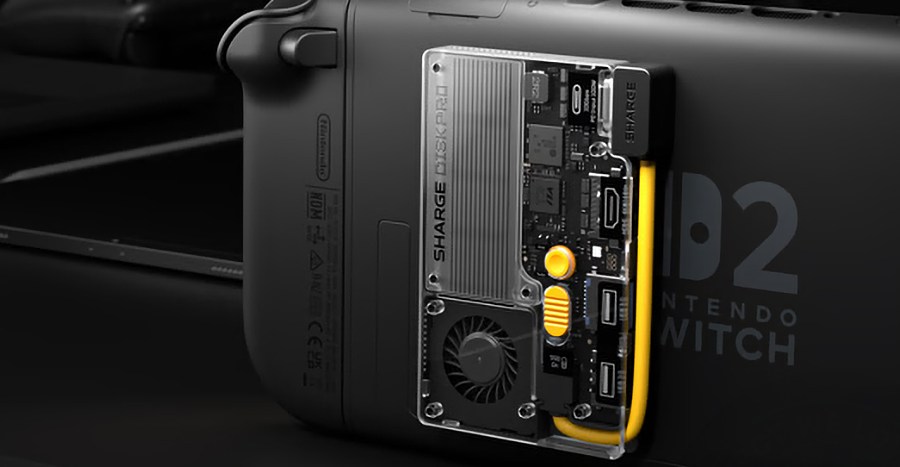
In an era where data management and performance are paramount, Sharge has introduced a groundbreaking external SSD known as the Disk Pro, currently generating buzz on platforms like Kickstarter. This device not only delivers storage solutions but also tackles a common issue among SSDs: overheating. By integrating a cooling fan directly into the design, Sharge stands at the forefront of innovation, highlighting a shift towards more efficient and reliable external storage solutions.

The Disk Pro is available in multiple capacities—1TB, 2TB, and 4TB—priced at discounted rates of $189, $289, and $469, respectively. As solid-state drives (SSDs) evolve, the issue of excess heat has become increasingly critical, especially in slim models lacking appropriate airflow. This can lead to performance throttling when SSDs reach temperatures of 70 degrees Celsius. The built-in fan in the Disk Pro mitigates this risk by offering two operational modes: a *Turbo Mode* that maintains peak cooling at 10,000 RPM, and an *Auto Mode* that adjusts fan speed based on temperature, effectively keeping the drive’s operating temperature around 50 degrees Celsius.

The Tech-Savvy Features of Disk Pro

  • Read/Write Speeds: Up to 10 Gbps
  • Cooling Options: Turbo and Auto modes with temperature regulation
  • Additional Ports: USB-C, USB-A, and HDMI output supporting 4K/144Hz and 8K/30Hz
  • Power Delivery: Can supply up to 80W to connected devices

The implications of the Disk Pro for consumers and businesses alike are significant. This device exemplifies the current drive toward *disruption* in the tech industry, where efficiency and multifunctionality are paramount. By allowing users to connect various accessories like laptops and smartphones while simultaneously managing data transfers, Sharge redefines the external SSD landscape. Major industry analysts, including those at Gartner, affirm that such innovations will likely set trends for future technology, marking a decisive shift towards versatile, all-in-one devices.

However, the introduction of the Disk Pro invites a more critical examination of the industry. With burgeoning competitors keen to enter this market segment, established brands may need to re-evaluate their strategies or risk becoming obsolete. Experts like Elon Musk and Peter Thiel have often noted that the tech sector thrives on relentless innovation and disruption. The current landscape necessitates solutions that not only meet consumer needs but anticipate future challenges, all while navigating the competitive market dynamics.

As the tech world braces for the impact of the Disk Pro, the excitement is palpable. This launch serves as a clear indicator that user-centric innovation is not merely a trend but a necessity. For young professionals and tech enthusiasts, staying informed and adaptable in such a rapidly evolving realm can define success and enable greater business implications. The advancing capabilities of devices like the Disk Pro urge us to ask: what will come next? With incessant technological advancements, the horizon glows bright, and businesses must accelerate their strategies to keep pace or risk falling behind.

Fox News is gearing up to bring real talk to the No Spin Zone—no more fluff!

The Dominion Voting Lawsuit: A Turning Point in Media Accountability and Global Power Dynamics

In Wilmington, Delaware, a judicial spectacle is unfolding that transcends the courtroom, hinting at a seismic shift in the intersection of media influence, legal accountability, and geopolitical leverage. The upcoming trial of Fox News—a media titan with global reach—charges the network with defamation over false claims about the 2020 US presidential election. The staggering $1.6 billion lawsuit filed by Dominion Voting Systems signals an unprecedented challenge to the narrative control wielded by major media outlets, especially those aligned with right-wing political factions seeking to maintain their influence amidst growing scrutiny.

Historically, Fox News has survived institutional crises by deploying a blend of legal maneuvering and strategic ambiguity. Yet, this time, the case threatens to expose a pattern of misinformation that has shaped public opinion for years. Legal analysts and media scholars warn of a watershed moment in how truth and accountability are conceptualized in the digital age, recognizing that global political stability depends increasingly on media honesty. As this high-profile trial approaches, the international community watches closely, aware that any verdict favoring Dominion could set a legal precedent with far-reaching implications, potentially curbing the unchecked power of sympathetic networks to distort facts, undermine democracy, and influence geopolitical stability.

The trial also underscores a broader shift in geopolitical power dynamics. U.S. domestic politics, often seen as a microcosm of global tensions, are now intertwined with international interests. Countries that are allies of the Western bloc are increasingly concerned about the spread of disinformation that emanates from influential American media, capable of destabilizing democracies worldwide. Critics, including international organizations such as the United Nations, warn that unchecked misinformation can accelerate conflicts and erode the fabric of international law. Conversely, nations challenging the dominant narratives—like Russia and China—see these legal proceedings as a symbolic battleground for ideological confrontation, testing the resilience of free societies against authoritarian influence.

For historians and geopolitical analysts, the current moment is reminiscent of critical junctures that define eras—when legal bodies serve as arenas for larger ideological conflicts. The future of American media, and by extension the stability of the Western world, hinges on the trial’s outcome. As legal proceedings unfold amid mounting political tensions, the world stands at a crossroads—where truth and justice are being redefined, and where the weight of history is silently sifting through the cracks of a fractured narrative.

In the end, the trajectory of this case—whether it results in accountability or further impunity—will shape the legacy of our times. The courtroom in Wilmington might seem a local dispute, but the ripples it generates extend far beyond national borders, echoing through the corridors of power and shaping the stories that societies tell themselves. As history waits in the shadows, the question remains: will this be a turning point that restores the dignity of truth in journalism, or merely another chapter in the ongoing saga of global disinformation—a story still being written, with the weight of the future hanging delicately in the balance?

Social Media Auto Publish Powered By : XYZScripts.com