Matox News

Truth Over Trends, always!

Luminal secures $5.3M to reinvent GPU coding for the next-gen developer

Revolutionizing AI Infrastructure: Luminal Secures $5.3 Million in Seed Funding

In a bold move that signals a paradigm shift in the AI hardware landscape, Luminal, a startup founded by former Intel chip designer Joe Fioti, announced an impressive $5.3 million seed round. Led by Felicis Ventures and supported by high-caliber angels such as Paul Graham, Guillermo Rauch, and Ben Porterfield, Luminal aims to tackle a pressing bottleneck that many industry leaders have overlooked—software’s role in unlocking the full potential of hardware acceleration. This fresh focus on optimizing the software stack for AI models positions Luminal as a disruptive force capable of reshaping the entire AI infrastructure ecosystem.

Founded by industry veterans from Apple and Amazon, Luminal’s core strategy challenges the dominance of Nvidia’s entrenched CUDA platform—a dominant, yet partially open-source, compiler environment that has driven the company’s explosive growth. While CUDA is a formidable tool, Luminal’s approach leverages the fact that many components of this system are open-source, creating an opportunity to build a more adaptable, industry-wide compatible compiler. This move could significantly lower barriers for developers, fostering an environment where AI innovation is driven by software agility rather than hardware constraints. The company’s participation in Y Combinator’s Summer 2025 batch underscores its high-growth potential within an aggressive, fiercely competitive tech landscape.

  • Innovation: Luminal’s focus on software optimization addresses an overlooked pain point, with the potential to democratize AI development by simplifying hardware utilization.
  • Disruption: Challenging Nvidia’s CPU and GPU dominance by proposing adaptable, open-source compiler solutions could redefine industry standards and shift market power toward more versatile, software-centric ecosystems.
  • Business implications: As AI models grow more complex and hardware options proliferate, Luminal’s flexible stack positions it as a critical enabler for startups and giants alike, reducing dependence on a single hardware vendor and fostering innovation across the board.

Despite significant competition from large-scale optimization teams at major labs, Luminal’s leadership remains confident in the market’s velocity. Fioti acknowledges the tuning advantage of hyperscalers but emphasizes that their all-purpose solution is valuable enough to carve a substantial niche. Market analyst forecasts from firms like Gartner highlight that the AI software ecosystem is on the cusp of a revolution, driven by the need for adaptable, scalable, and efficient compilers. As the industry shifts, the importance of software infrastructure as a key source of competitive advantage has never been clearer. This strategic transition could catalyze a new era where hardware innovation itself is secondary to the software ecosystem that enables hardware to operate at peak efficiency.

Looking forward, Luminal’s trajectory indicates a future where AI development becomes more agile, accessible, and resilient to the changing hardware landscape. With ongoing breakthroughs in chip design and a global push toward democratizing AI capabilities, the companies and startups that prioritize disruptive software solutions will likely dominate the next wave of technological innovation. As the industry evolves rapidly, the urgency for companies to embrace these shifts is paramount—those who fail to adapt risk falling behind in a race driven by relentless innovation and disruptive disruption. The future belongs to those who see beyond the hardware, recognizing that the next frontier in AI progress depends on software ingenuity and ecosystem openness.

NextGen Stars Shine: Young Athletes Dazzle in Weekend Showcase!

Week 10 Showdown: Rams vs. 49ers

As Week 10 of the NFL season unfolds, fans are gearing up for one of the most anticipated matchups: the clash between the Los Angeles Rams and the San Francisco 49ers. Coaches Jim Harbaugh and Mike Tomlin face off in what promises to be a strategic battle, as both teams are vying for crucial playoff positioning in a competitive NFC West. With the Rams boasting an impressive record and the 49ers seeking redemption, the stakes couldn’t be higher.

Game Highlights and Predictions

  • Key Player Matchup: Quarterbacks Matthew Stafford and Trey Lance are expected to be pivotal, with both possessing the ability to change the game.
  • Defensive Dominance: The Rams’ defense, spearheaded by Aaron Donald, is known for stifling opposing offenses, a critical factor against the 49ers’ potent running game.
  • Coach Mike Tomlin emphasized the importance of the ground game, stating, “Control the clock, control the game. It’s all about execution.”
  • Recent Form: The Rams have shown consistency but are facing a 49ers squad that has re-found its rhythm with a three-game winning streak.

For the wagering enthusiasts, analysts are weighing in with predictions that favor the Rams, though the odds are razor-thin. As ESPN’s football commentator noted, “In divisional games, records often go out the window.” This speaks to the physicality and fierce competitiveness inherent in these matchups, where every yard and every point matters dearly.

As kickoff approaches, the anticipation is palpable. Sports have always had the power to unite us, transcending rivalries and disparities. The Rams versus 49ers is not just a game; it’s a celebration of teamwork, perseverance, and community. The roar of the crowd and the camaraderie among fans serve as a powerful reminder of why we love this game. Whether one wears blue and gold or red and gold, at the end of the day, we all share a common passion – the love of football.

Source link

Kawara Takes the Lead: Automates YouTube Content Into Trendy Newsletter Drafts for the Next-Gen Creators (TrendHunter.com)

In the fast-paced realm of digital culture, Kawara has emerged as a game-changer, capturing the imagination of young creators and influencers alike. Originally designed as a content automation tool that seamlessly turns YouTube videos into newsletter drafts within seconds, Kawara embodies the spirit of efficiency that today’s digital generation craves. Its innovative approach to repurposing content not only streamlines the creator’s workflow but also signals a shift in how information and entertainment are distributed and consumed in modern society.

This platform’s cultural impact extends beyond merely saving time. It symbolizes a new era of digital literacy and personal branding. Influencers like MrBeast and YouTubers across niches have shown that strategic content repurposing is essential for growing audiences. Now, with Kawara, the ability to instantly transform a viral clip into a newsletter or promotional material democratizes content creation, allowing a broader diversity of voices to enter the conversation. Sociologists and trend analysts highlight that this shift is part of a larger trend toward immediate, scalable engagement, emphasizing speed and authenticity over polished, high-cost productions.

Moreover, Kawara is fueling a social relevance for a generation that values authenticity and accessibility. As younger audiences seek content that feels personal and relatable, the platform equips creators with the tools to maintain a consistent presence without sacrificing their unique voice.

  • It encourages a more personalized marketing strategy, connecting influencers directly with fans.
  • It fosters a culture of rapid adaptation and ongoing content evolution.
  • It reinforces the importance of multi-platform storytelling, making it easier for creators to diversify their reach.

Analysts like Dr. Lisa Johnson suggest that Kawara and similar tools might be the seeds of an even broader shift—a future where content is less about creation and more about curation, and where the mastery of quick adaptation could determine the next social trend.

Despite the excitement, the rise of Kawara raises an intriguing question: What does this mean for traditional content creators and the future of original media? As the line blurs between curated and original content, we are left pondering whether the essence of creativity is evolving from raw originality to an art of efficient remixing. This transformation could potentially lead to a society where the value placed on authentic originality is challenged by the ability to quickly repackage existing content—shifting cultural norms about what constitutes meaningful contribution in an increasingly digital world. As youth continue to adopt these tools, one has to wonder: is Kawara merely a stepping stone toward a new digital ethos, or does it signal the beginning of an entirely different paradigm of content authenticity and social influence?

DJI’s Romo Robot Vacuum: The Future of Clean Tech for Next-Gen Homes

DJI Launches Transparent Romo RoboVac: A Landmark in Cleaning Tech Disruption

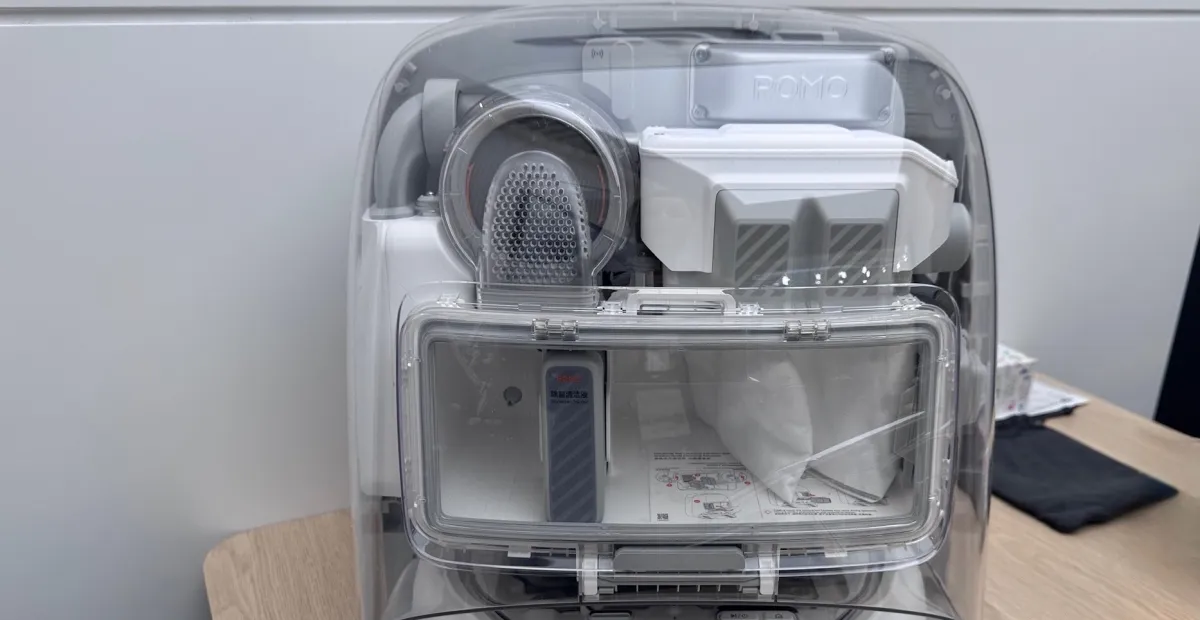
In an unexpected move that underscores the relentless pace of technological innovation, DJI, the renowned drone and camera manufacturer, has entered the competitive robotic vacuum market with the release of the DJI Romo. Debuting in Europe this week after its initial launch in China, the Romo represents a bold reimagining of home cleaning—fusing drone-level navigation tech with an eye-catching transparent design. This product signals a significant shift, revealing industry ambitions to disrupt traditional appliances with transparency, advanced sensors, and integrated AI, set against a backdrop of mounting market disruption.

The Romo’s release is notable not only for its innovative aesthetics but also for its combination of advanced navigation systems. Utilizing dual fish-eye vision sensors alongside solid-state lidar derived from DJI’s drone lines, it pushes the envelope in ground-based robotics. Vision experts and leading institutions like MIT have long emphasized lidar’s role in improving navigational precision in autonomous systems, and DJI appears committed to setting new standards here. The robot’s capacity to detect objects as thin as a 2mm cable exemplifies hardware engineering that prioritizes meticulous environment mapping, promising to elevate smart home automation to new heights. Its see-through design offers a peek inside the workings—akin to a hardware manifesto emphasizing transparency as a feature, turning a mundane appliance into a statement of tech prowess.

Market implications of DJI’s entry are profound. The Romo line comes in three models, with the flagship Romo P starting at €1,899 (~$2,200). Despite its premium pricing, the device’s disruptive features—such as a self-cleaning dock with a deodorizer slot, high-pressure jet cleaning for mops, and hot air drying—aim to redefine customer expectations for durability, convenience, and luxury in robotic home appliances. Its incorporation of mixed sensory modalities signals an industry-wide shift, challenging established brands like Roborock and IKEA, which have offered less sophisticated navigation tech. This disruption could force competitors to innovate or risk obsolescence, especially as younger consumers increasingly prioritize sophisticated gadgetry integrated seamlessly into their living spaces.

Technology analysts like Gartner and industry veterans warn that such innovation demands rapid adaptation from market players. The Romo’s design, which is substantially larger and heavier to house its advanced sensors, demonstrates DJI’s commitment to pushing technological barriers, bolstering the trend towards fully autonomous, context-aware cleaning solutions. As Peter Thiel and Elon Musk have suggested, the future belongs to firms that leverage cutting-edge sensors and AI to redefine ordinary tasks, transforming them into high-tech experiences. For now, DJI’s entry into this space confirms that the era of ordinary vacuum cleaners is ending, replaced by intelligent, disruptive devices capable of not only cleaning but also enhancing home environments through sophisticated sensors and AI-powered navigation. With no current US release plans, anticipation is high; an industry that once dismissed robotic vacuums as mere gadgets now faces the reality of a high-stakes innovation race.

Kohler drops next-gen toilet camera—tech meets bathroom innovation

Revolutionizing Personal Health Monitoring: Kohler’s Dekoda and the Future of Digital Health Devices

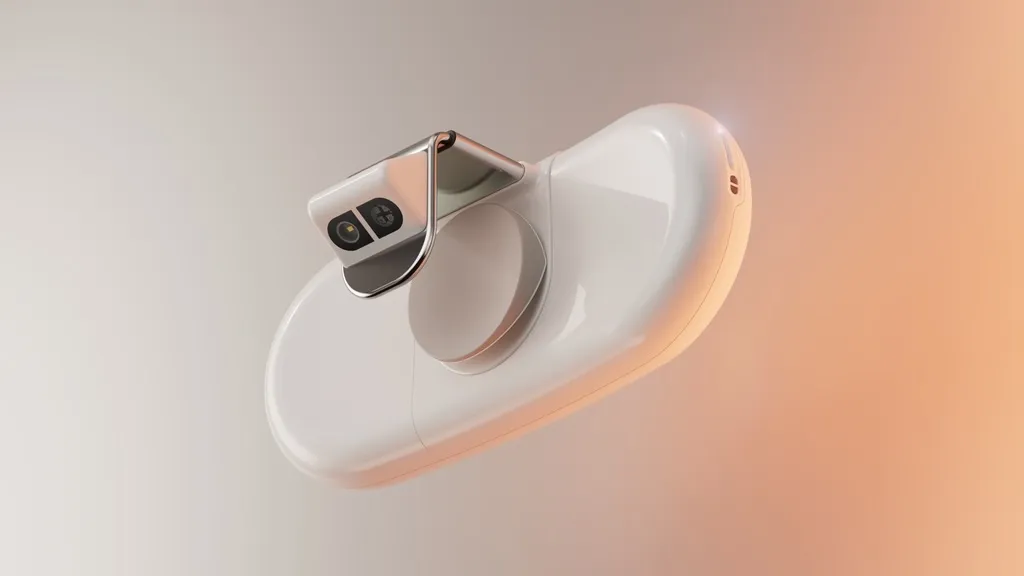
Kohler, a renowned leader in home goods, has entered the healthtech arena with its groundbreaking device, Dekoda. Priced at $599, this miniature camera attaches directly to the toilet bowl and provides users with real-time imaging of their digestive output. While this innovation is undeniably disruptive, it signals a broader trend toward integrating digital technology into daily routines, transforming personal health monitoring from conventional checkups to continuous, at-home diagnostics.

The Dekoda leverages advanced imaging technology along with AI-driven analysis to offer insights into gut health, hydration levels, and even detect potential blood in stool—key indicators often linked to serious health conditions. Its design incorporates a rechargeable battery, USB connectivity, and a fingerprint sensor that ensures user identification, emphasizing both convenience and security. According to CNET, the device is available for pre-order, with shipments to commence on October 21, accompanied by a subscription model ranging from $70 to $156. This business model exemplifies how tech firms are shifting toward recurring revenue streams, much like the SaaS industry, by embedding continuous health insights into consumer routines.

Market Implications and Industry Disruption

The advent of the Dekoda signifies a seismic shift in the health and wellness industry—an industry historically dominated by medical professionals and traditional diagnostics. With startups like Throne emerging with comparable products, a new competitive landscape is forming. Disruption here is driven by consumer demand for more personalized, at-home health solutions—an emerging vertical that giants like Apple and Gartner predict will expand rapidly over the next decade.

This development also raises strategic questions for established healthcare systems and insurance providers, who must now contend with increasingly accessible, user-driven diagnostic data. As Peter Thiel and other Silicon Valley visionaries have emphasized, the convergence of hardware, AI, and data analytics will elevate individuals from passive health consumers to active participants in disease prevention and health management. Such trends push the industry towards a future where early detection and proactive health interventions become the norm, reducing long-term healthcare costs but also shaking up regulatory frameworks.

Challenges and Ethical Considerations

Despite its promise, Dekoda and similar innovations evoke critical concerns around privacy, data security, and user consent. Kohler assures customers that the device’s sensors only see within the toilet bowl and guarantees end-to-end encryption for all data. However, industry analysts warn that widespread adoption may catalyze a wave of privacy infringements, with sensitive health data vulnerable to hacking or misuse. As the market matures, regulatory agencies will likely impose stricter standards, but the pace of innovation risks outstripping policy development, leaving consumers exposed.

Disruptive technologies like Dekoda exemplify a rapidly evolving frontier where innovation intersects with ethics. Tech giants and startups alike are racing to carve out dominance in a space that could redefine healthcare delivery. In the coming years, advancements in AI, machine learning, and sensor miniaturization will further push the boundaries of what personal health devices can achieve, fostering both excitement and caution among industry experts and consumers alike.

Future Outlook: A Call to Action for Industry Leaders

As this market accelerates, the question for entrepreneurs, investors, and policy makers is clear: who will set the standards for privacy, security, and ethical deployment of these transformative devices? The proliferation of toilet cameras like Dekoda indicates that innovation is no longer confined to high-end labs—it’s now embedded in everyday life, demanding agile yet responsible stewardship. With every new development, the stakes rise higher, underscoring the necessity for rapid technological progress paired with robust safeguards. The future of personal health technology is here, and those who embrace disruption while navigating its challenges will shape healthcare’s next era.

BURDIFILEK Revolutionizes Retail: Fresh New Look for Cosmetics and Beauty Spaces to Capture the Next-Gen Shopper (TrendHunter.com)

In today’s fast-evolving consumer landscape, beauty and cosmetics are no longer confined to the markers of individual identity—they’ve become a statement of social belonging and cultural dialogue. Recent redesigns within major retail spaces, like the stunning overhaul of the cosmetics and beauty department at Hyundai Jungdong in Bucheon, South Korea, exemplify this shift. Designed by the acclaimed interior firm BURDIFILEK, the transformation isn’t just aesthetic; it signifies an industry-wide movement towards creating immersive, lifestyle-driven environments that appeal directly to the youth demographic.

This new wave of retail design emphasizes experiential shopping—transforming ordinary visits into engaging cultural moments. The use of sleek, modern elements combined with interactive zones reflects a deeper understanding of social media-savvy consumers seeking authenticity and connection. The broader social relevance of these designs speaks to a society once dominated by traditional beauty standards, now pivoting towards a more inclusive, dynamic approach. Influencers and emerging social analysts highlight how these retail spaces are functioning less like storefronts and more like cultural hubs: places where personal style, community, and shared values converge. As sociologists point out, the design isn’t just about product placement anymore—it’s about cultivating a lifestyle that resonates with younger generations making their mark online and offline.

Another fascinating facet of this trend is how self-expression becomes a collective experience. Brands and designers are tapping into the viral power of social media platforms, creating environments that are as much about the aesthetic as they are about community building.

  • Customized beauty zones that encourage young visitors to showcase their looks.
  • Interactive digital displays featuring trending makeup tutorials and beauty tips.
  • Inclusive design elements that celebrate diversity and promote a sense of belonging.

These innovative retail spaces aren’t just a reflection of current youth culture—they are actively shaping it. Influencers, such as beauty vloggers and fashion leaders, use these environments as backdrops for their content, turning retail stores into live stages of cultural expression. Meanwhile, trend analysts argue that the cultural impact goes well beyond aesthetics, influencing societal norms around beauty, gender, and identity. As the lines between consumer and creator blur, the question becomes: are we witnessing a new form of cultural diplomacy, one where retail spaces serve as the battleground for cultural values?

The future of the beauty retail landscape appears poised at a crossroads—where design meets social activism, and personal style becomes a collective movement. Yet, as these spaces continue to evolve, one question lingers: what’s the next big shift that will redefine how we perceive beauty and self-expression in a society increasingly driven by digital identity? The answer might just lie in the next wave of innovative, immersive environments that will challenge all notions we hold about beauty, community, and cultural influence.

Amazon Pharmacy rolls out vending machines for prescription meds—tech boosts convenience for the next-gen healthcare!

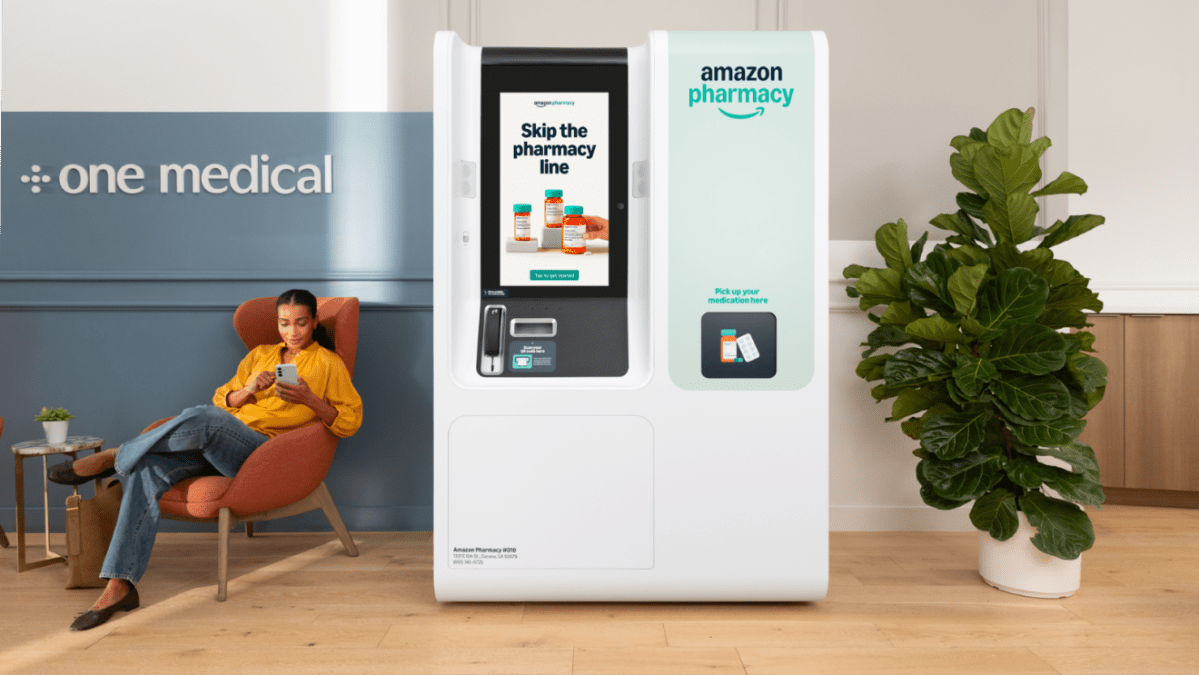
In a bold move poised to reshape the healthcare landscape, Amazon has announced the deployment of prescription vending machines at its One Medical clinics across Los Angeles, signaling a disruptive foray into pharmacy automation and retail medicine. These autonomous kiosks, operated by Amazon Pharmacy, enable patients to pick up prescribed medications immediately after their consultations, effectively reducing the friction traditionally associated with pharmacy visits. This initiative underscores Amazon’s strategic push to leverage deep technological innovation to overhaul a highly fragmented and often inefficient sector, with the promise of driving significant business implications for incumbent pharmacy chains.

The new kiosks exemplify a broader trend of digital disruption in healthcare, aligning with Amazon’s previous acquisitions such as PillPack in 2018 and the primary care provider One Medical in 2020. Industry analysts have noted that this move could have profound impacts on traditional brick-and-mortar pharmacies. Franklin & Marshall Healthcare analyst Dr. Sarah Liu highlights that “the combination of automation and seamless integration with Amazon’s digital ecosystem could fundamentally shift consumer expectations around accessibility and convenience in prescription fulfillment”. As Amazon scales these initiatives, significant market shifts are anticipated, with established retail pharmacy chains like CVS, Walgreens, and Rite Aid struggling to adapt amid closures and declining foot traffic.

The kiosks feature a curated inventory of frequently prescribed medications—including antibiotics, inhalers, and blood pressure drugs—tailored to local prescribing patterns, thus enabling quick, contactless retrieval of essential medicines. Patients can view upfront costs, insurance copays, and discounts via the Amazon app, and consult with licensed pharmacists through video or phone, embedding a highly integrated digital experience. Amazon’s deployment strategies appear designed not just to enhance convenience but to introduce a new standard of disruption-driven efficiency that could erode traditional pharmacy margins and competitive advantages, compelling industry players to innovate or risk obsolescence.

Looking forward, experts like Gartner analysts suggest that this shift indicates a transformative trajectory in healthcare delivery, where automation, AI, and data-driven personalization become ubiquitous. As Peter Thiel notes, “the next wave of technological disruption in health will be about how fast we can bring healthcare closer to the consumer, reducing costs, and improving outcomes”. The urgency for existing players is clear: to match Amazon’s innovative pace and rethink the entire prescription ecosystem before the Covid-era convenience becomes an industry standard. The race is on, and in this swiftly evolving landscape, those who fail to adapt risk falling behind in what could be one of the most consequential technological upheavals of the decade.

Honor Magic 8 Pro drops a new AI button — tech gets smarter for the next-gen user

Honor Launches the Magic 8 Series: Aiming to Disrupt the Premium Smartphone Arena

In a move highlighting ongoing innovation within the competitive premium smartphone segment, Honor has unveiled its flagship Magic 8 series, combining cutting-edge hardware with emerging AI functionalities. The Magic 8 Pro, set to debut initially in China before arriving in Europe, underscores the company’s ambition to challenge industry titans like Apple and Samsung through strategic innovation and disruptive design. Priced at over €1,000 ($1,200), the Magic 8 aims to deliver flagship-level performance with a focus on AI enhancements, camera prowess, and processing power.

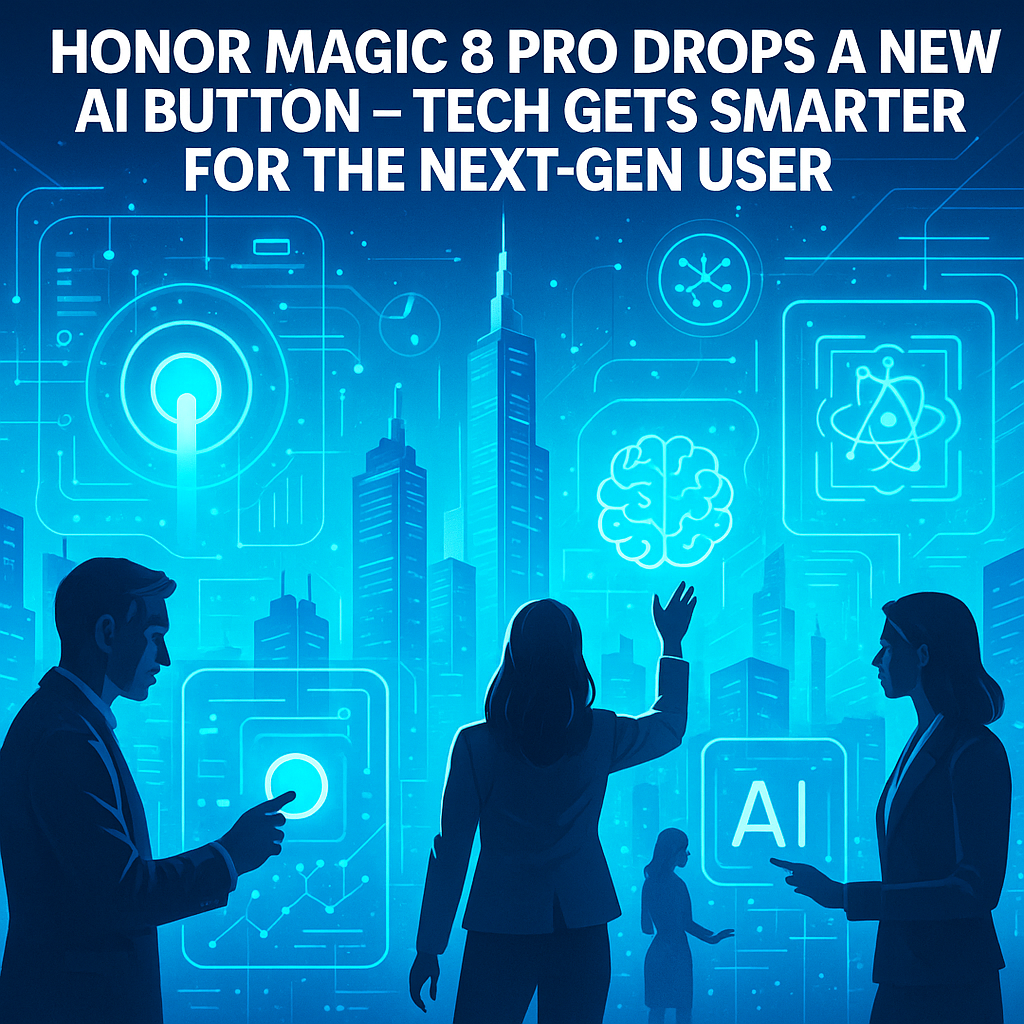
Key to its disruptive approach is the phone’s integrated AI button, a feature that signals a shift in how smartphones prioritize user experience through AI-driven functionalities. Honor clarifies that this button is dedicated solely to AI-related tasks, suggesting a future where smartphones become more intuitive and personalized. Coupled with the latest Qualcomm Snapdragon 8 Elite Gen 5 processor—an upgrade also adopted by the upcoming Xiaomi 17 series—the Magic 8 Pro is positioned as a powerhouse built for high-performance AI applications and demanding workflows. Analysts from Gartner project that such hardware integrations will become industry standard, transforming mobile devices into portable supercomputers.

The business implications of this positioning are clear: Honor is not merely offering a smartphone but is disrupting the traditional flagship formula by emphasizing AI innovation and disruption in user interface paradigms. Additionally, new features like Magic Color, an AI-powered tool for dynamically restyling images and videos using different color palettes, exemplify how AI is being woven into core smartphone capabilities. These enhancements not only elevate the user experience but also open avenues for revenue through app ecosystem upgrades, AI-driven services, and possibly subscription models, echoing trends seen in tech giants like Apple and Google.

With plans to introduce a range of models—including the anticipated Magic 8 Ultra and Mini—Honor is betting on sustained innovation to consolidate its position in the high-end mobile space. The upcoming unveiling of the Magic Pad 3 Pro, also powered by the Snapdragon 8 Elite Gen 5, signals an integrated ecosystem push that could redefine consumer expectations for interconnected devices. Industry experts suggest that the rapid rollout of these advanced models may accelerate a broader industry shift towards AI-centric hardware, with firms like MIT and Stanford emphasizing AI’s role as the next major leap in mobile tech evolution.

Looking forward, the competitive edge for Honor and similar disruptors hinges on their ability to leverage disruptive AI applications and hardware innovations to outpace established incumbents. As giants continue to refine their own flagship offerings, the importance of AI-driven features and high-performance chips will only intensify. The coming months could mark a pivotal moment, where tactical innovation and bold business strategies determine the future landscape of premium mobile technology. For tech enthusiasts and industry watchers alike, the race to dominate the AI-powered mobile future has begun—and the speed of innovation is unlikely to slow down anytime soon.

Social Media Auto Publish Powered By : XYZScripts.com