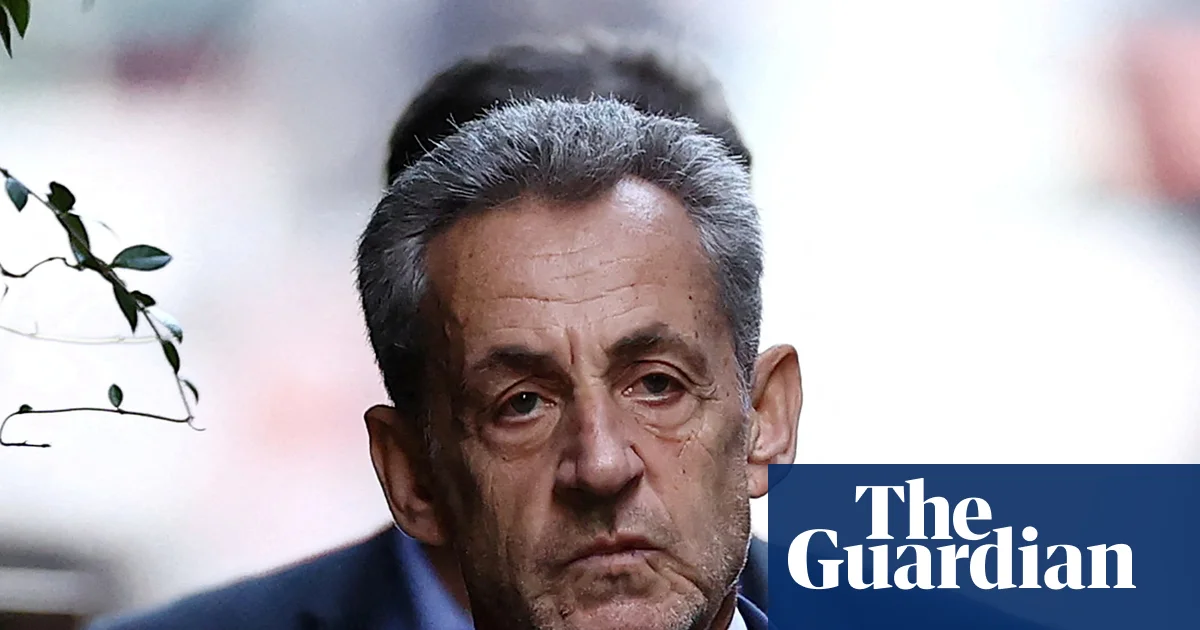

The ongoing legal battles surrounding Nicolas Sarkozy, the former French president, embody a critical chapter in the intertwined narratives of politics, justice, and international influence. As Sarkozy prepares for his second trial on charges related to alleged illegal campaign funding from the regime of Muammar Gaddafi, the implications extend well beyond domestic French affairs. These events serve as a stark reminder of how international clandestine dealings can shape the political landscape and influence foreign policy, with reverberations that challenge the integrity of democratic institutions.
The first conviction of Sarkozy last year marked a historical milestone—it made him the first former EU leader to serve time behind bars. This unprecedented situation underscores a broader decline of impunity once thought protected by political stature. The case revolves around allegations that, during his tenure as interior minister and later as president, Sarkozy conspired to secure campaign funding from the Libyan dictator—a figure notorious for his human rights abuses and connections to terrorism, including the 1988 Pan Am bombing. Prosecutors contend that Sarkozy’s deal with Gaddafi involved exchanging campaign funds for diplomatic favors, supporting Libya’s international isolation’s reversal, and rehabilitating Gaddafi’s tarnished image—a move that in a geopolitical sense, significantly shifted Libya’s diplomatic trajectory, with enduring consequences for regional stability.
Such accusations reveal pivotal how leadership decisions and covert international arrangements can destabilize societies and distort the course of justice. Scholars and analysts note that Sarkozy’s actions—aimed at boosting his political career—also served to realign Libya’s global standing, effectively allowing Gaddafi to re-enter diplomatic channels that had been shuttered for decades. The geopolitical impact is profound; Libyan society, scarred by decades of dictatorship and ongoing turmoil, was temporarily manipulated for the internal political gains of a foreign leader. These events highlight the Erasure of moral boundaries in pursuit of personal and national interests, moving beyond simplistic notions of sovereignty into a realm where international power politics overshadowed justice.
As the international community watches this case unfold, the narrative becomes an allegory for the broader erosion of ethical standards in global diplomacy. The upcoming trial—which could see Sarkozy face up to ten years in prison—symbolizes a potential turning point where accountability begins to challenge the legacy of covert dealings and international manipulation. Nonetheless, the case also showcases the darker side of geopolitics: how a leader’s personal ambition can entangle nations in a web of clandestine diplomacy, ultimately destabilizing the postwar order and exposing the shadowy underbelly of power. Will justice prevail or will these historic accusations fade amid the chaos of international politics? The decision rests not only on a court in Paris but also on the global conscience, as the story of Sarkozy and Gaddafi leaves a haunting imprint on history’s ledger—a story still waiting to be fully written.