Matox News

Truth Over Trends, always!

Gunmen massacre dozens in Nigeria amid U.S. military deployment escalation

The recent violence in the western state of Kwara has once again underscored the fragile security architecture in Nigeria’s socio-political landscape. According to local officials and eyewitness reports, shops and homes were torched in a brutal attack on two villages. The incident not only highlights persistent local tensions but also raises alarms about the broader stability of the region, which has long been a hotspot for communal conflicts and insurgent activity. As Nigeria grapples with multiple security challenges, analysts warn that uncontrolled violence could threaten national unity, calling into question the effectiveness of government strategies aimed at restoring peace.

The attack, described by a Kwara lawmaker, mirrors patterns seen elsewhere in Nigeria, where militant groups and ethnic tensions collide, often with devastating consequences. While authorities remain tight-lipped about the motives behind this specific assault, it comes amidst a rising tide of unrest across several northern and western states. International organizations, including the United Nations and regional bodies like the Economic Community of West African States, have repeatedly emphasized the importance of addressing root causes of violence—poverty, political marginalization, and unchecked militancy. Yet, the persistent outbreaks of violence suggest that these efforts are insufficient or perhaps hindered by deeper failures in governance and security cooperation.

Historically, analysts like Dr. Monica Brown of the International Crisis Group have pointed to Nigeria’s complex federation and ethnic mosaic as underlying factors complicating peace processes. As violence spreads and villages burn, fears are mounting among neighboring nations; the geopolitical impact extends beyond Nigeria’s borders, affecting trade, regional stability, and international perceptions of West Africa’s resilience. Countries such as Benin and Nigeria’s southern neighbors are on alert, knowing that unchecked violence can easily spill over borders—exacerbating an already volatile security environment.

In this turbulent landscape, the international community’s role remains critical. Some analysts point to the need for a cohesive strategy that combines military action with socio-economic reforms, emphasizing that true peace requires addressing systemic issues. As global powers weigh their interests, questions about sovereignty, intervention, and aid become increasingly fraught. The unfolding saga in Kwara is a stark reminder: history is never static, and today’s violence may well shape the continent’s future for generations to come. The flames of conflict burn fiercely, hinting at a turbulent chapter yet unwritten, and leaving the world to face the profound consequences of unresolved conflicts in Nigeria’s heartland.
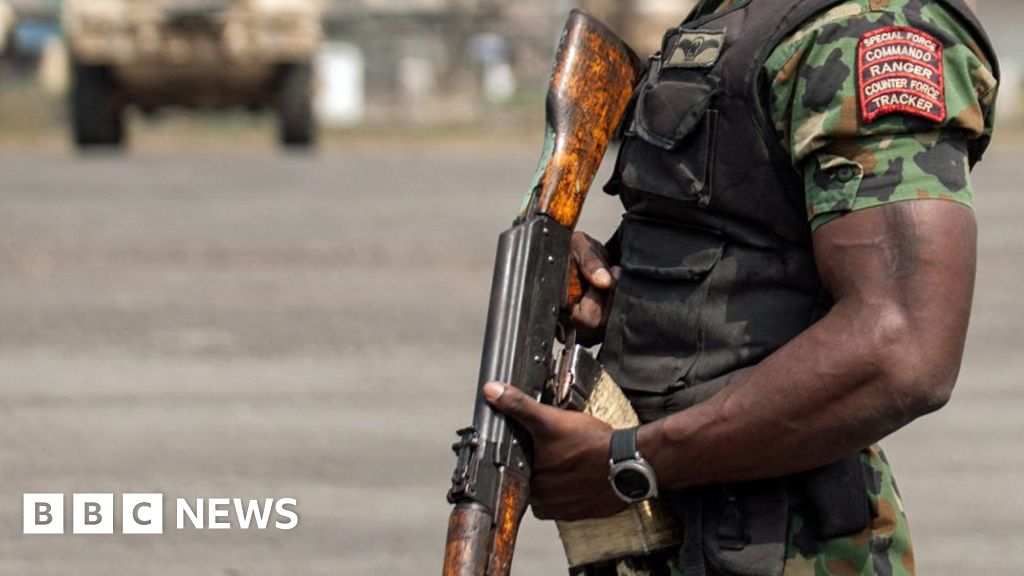
Nigeria, Ivory Coast Deploy 200 Troops for Major Clean-Up Operation

West Africa’s Turbulence: Regional Forces Foil Coup in Benin

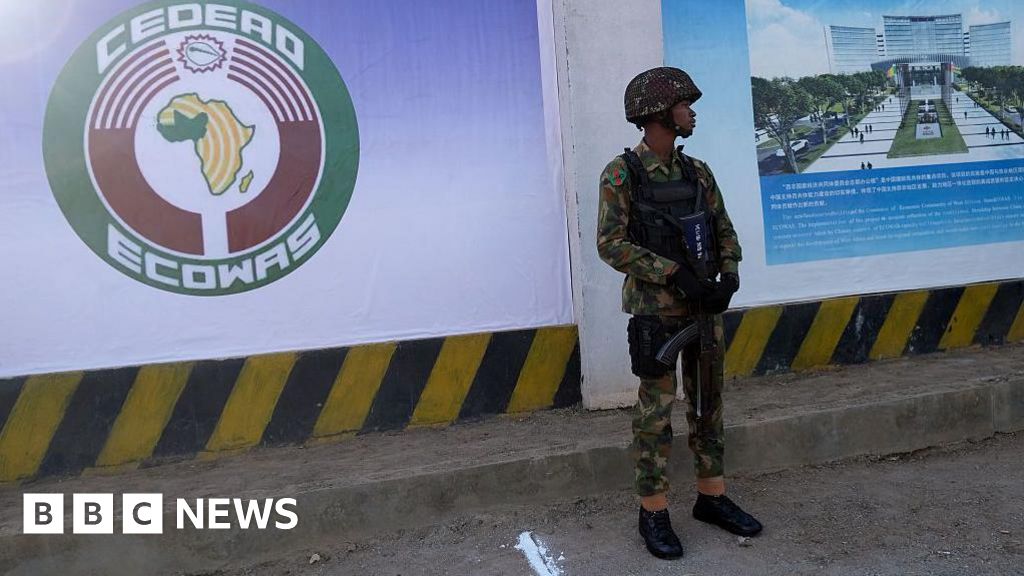
In a decisive move that underscores the escalating instability in West Africa, Benin faced a thwarted coup attempt last Sunday, prompting a swift regional military response. Approximately 200 soldiers from Nigeria, Ivory Coast, and other regional allies were deployed to stabilize the fragile security landscape, revealing an increasing reliance on international intervention to preserve democracy in the face of growing militancy and political unrest. Nigerian fighter jets played a prominent role in repelling the mutineers from key targets, such as the military base and state television headquarters—an unmistakable message that regional powers will not tolerate unconstitutional seizures of government.

Beyond the immediate crisis, this event exposes the fragile state of regional security architecture and the concerted efforts of international institutions like ECOWAS to protect democratic processes. The regional bloc’s deployment of troops from Nigeria, Ghana, Sierra Leone, and Ivory Coast signals a clear shift: West Africa no longer stands idly by as coups become commonplace. Analysts argue that these actions are a strategic move designed to deter future attempts and to uphold the rule of law amid widespread accusations of mismanagement and rising jihadist threats. The complex interplay of military intervention and diplomacy demonstrates a nuanced recognition: regional stability hinges on preventing further chaos and safeguarding democratic institutions.

Critical to understanding this incident is the backdrop of increasing security challenges, particularly along Benin’s northern borders with insurgency-plagued Niger and Burkina Faso. The spread of jihadist groups linked to Islamic State and al-Qaeda has destabilized the region, fueling grievances and broadening the scope of conflict. According to prominent historians and security analysts, such as Dr. Jean-Luc Leblanc of the International Security Institute, these militant networks exploit weak governance and social discontent, threatening to engulf entire societies in cycles of violence. As Benin’s government, led by President Patrice Talon, prepares for next year’s elections, the ongoing unrest underscores the *urgent need for international cooperation and nuanced military strategy* that balances repression with respect for sovereignty.

Despite the victorious efforts to suppress the coup, questions remain about the long-term impact of regional intervention and the ongoing influence of external actors, including France, whose special forces are believed to have supported loyalist troops. The situation’s *turning point* will undoubtedly influence the future of West Africa’s political landscape, as governments navigate the thin line between democracy and authoritarian retreat. The events in Benin are more than isolated incidents—they are symptomatic of a broader geopolitical shift. **As history continues to unfold**, regional players and global allies must confront the undeniable reality: The resilience of democracies in West Africa depends on their ability to adapt, unite, and oppose forces that threaten to undo the liberties hard-won over decades.

Nigeria scores big: Freed 100 children, securing hope for the future

Nigeria’s Kidnapping Crisis: A Geopolitical Nightmare Unfolding

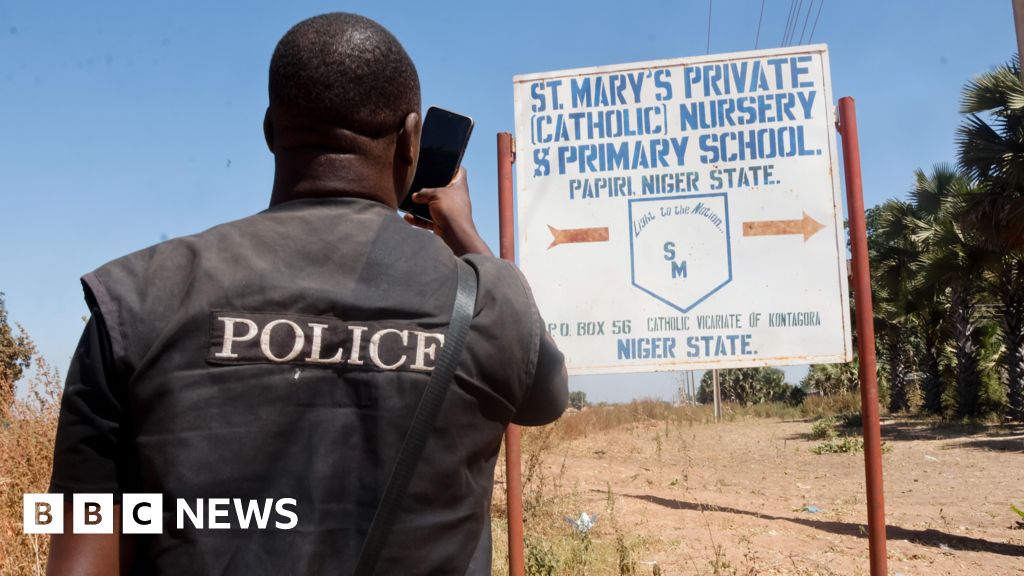
The recent release of approximately 100 children abducted from St. Mary’s Catholic School in Nigeria signals a temporary relief in a broader wave of terror that has gripped the nation. According to officials, the government, with invaluable assistance from the Office of the National Security Adviser, managed to secure the children’s return amid a perilous climate of escalating violence. This incident underscores a distressing truth: Nigeria’s security dilemma has transformed into an international crisis, threatening stability at a regional and global level.

Despite the partial breakthrough, details remain murky about whether cryptic negotiations or force secured the children’s freedom, and if any ransom was paid. The federal government remains tight-lipped about their strategy, with some analysts suggesting the behind-the-scenes efforts were complex and politically sensitive. Last week’s high-level visit by National Security Adviser Nuhu Ribadu to Papiri signals the gravity of the situation, emphasizing that the Nigerian state perceives this wave of kidnappings not merely as criminal acts but as a multifaceted threat. Such moves demonstrate the government’s awareness that internal security lapses, if unchecked, could spill into wider regional destabilization, especially as Nigeria’s neighbors grapple with their own insecurity issues.

Escalating Violence and International Ramifications

The surge in violence across Nigeria, with schools and religious sites becoming frequent targets, reflects a disturbing shift in the security landscape. Attacks in places like Kwara and Kebbi involved not only mass abductions but also lethal violence, drawing international scrutiny. These attacks, which have since been followed by the abduction of pastors, worshippers, and civilians in different regions, point to a well-organized network either driven by criminal gangs or violent jihadist groups, as suggested by Nigerian officials. While some analysts argue these groups are motivated by ransom money, others warn that these acts are intricately tied to extremist agendas destabilizing the nation’s fragile socio-political fabric. Such security breakdowns threaten to push Nigeria, Africa’s largest population and economy, into chaos, with ripple effects felt in neighboring countries.

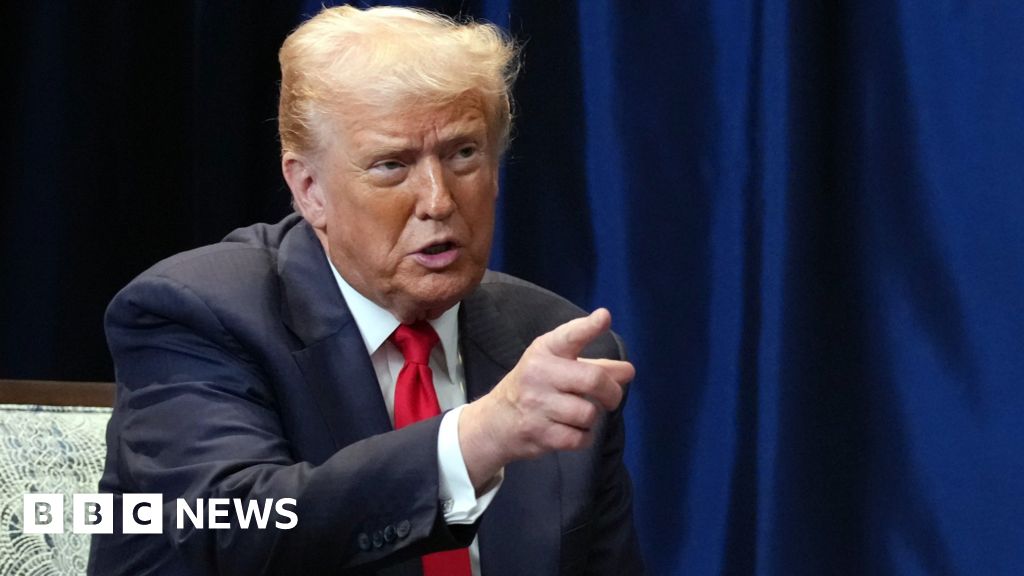
Adding to the geopolitical complexity, United States President Donald Trump recently issued a stark warning, threatening to deploy troops if the Nigerian government fails to curtail violence, especially attacks on Christian communities. This interventionist rhetoric underscores that Nigeria’s internal strife could serve as a catalyst for greater international confrontation if unchecked. Nigeria, a key player in Africa’s geopolitical landscape, has traditionally been seen as a regional hub, but its security decline has raised alarm bells among Western and regional powers alike. Experts argue that the ongoing violence, if left unresolved, could inadvertently fuel radicalization, undermine Nigeria’s sovereignty, and destabilize the West African sub-region.

How International Decisions Shape Futures

The repeated emphasis on ransom bans and military interventions reveals the difficult balancing act Nigeria faces. The government’s stance against ransom payments aims to starve kidnapper networks of their funding but faces accusations of being ineffective amid ongoing abductions. The international community, particularly organizations such as the United Nations and regional security alliances, has called for a concerted effort to address root causes—poverty, political corruption, and extremist ideology—yet tangible results remain elusive. These policy choices, weighed down with political risks, directly shape the lives of millions of Nigerians and influence the region’s stability.

In conclusion, Nigeria’s crisis confronts the world with an urgent moral and strategic choice, as a nation torn between internal chaos and international destabilization teeters on the edge of upheaval. The courage and cunning of its leaders, the resilience of its society, and the relentless weight of history now hinge on compelling decisions made in the coming days. As the story continues to unfold, the global community must grapple with a stark truth: the fate of Nigeria is intricately linked to the future of Africa, and their story remains unfinished, etched into the very fabric of history yet to be written.

Fifty children escape as gunmen’s mass school kidnapping in Nigeria sparks alarm

Flickers of Hope Amidst the Darkness of Nigeria’s Kidnapping Crisis

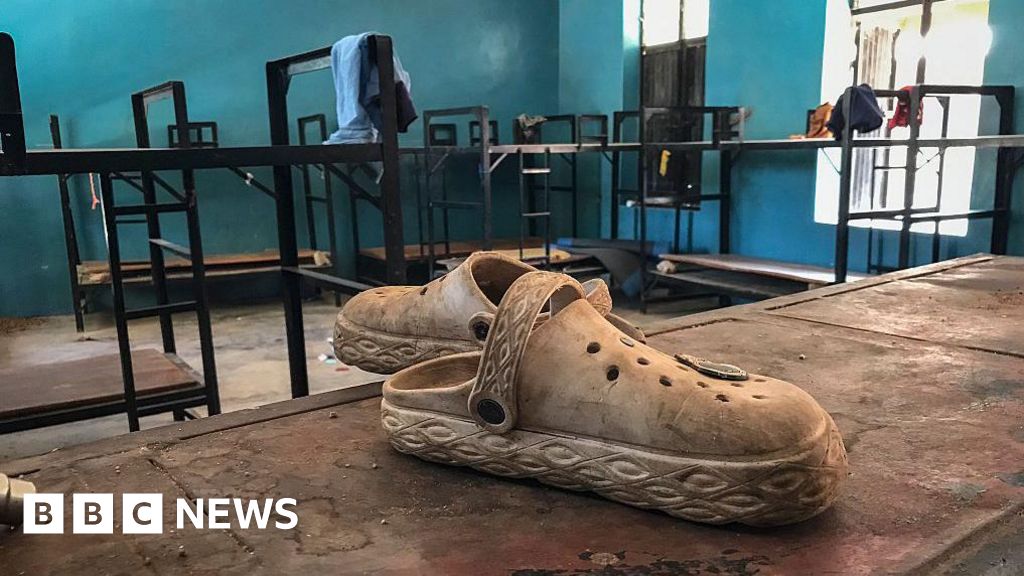
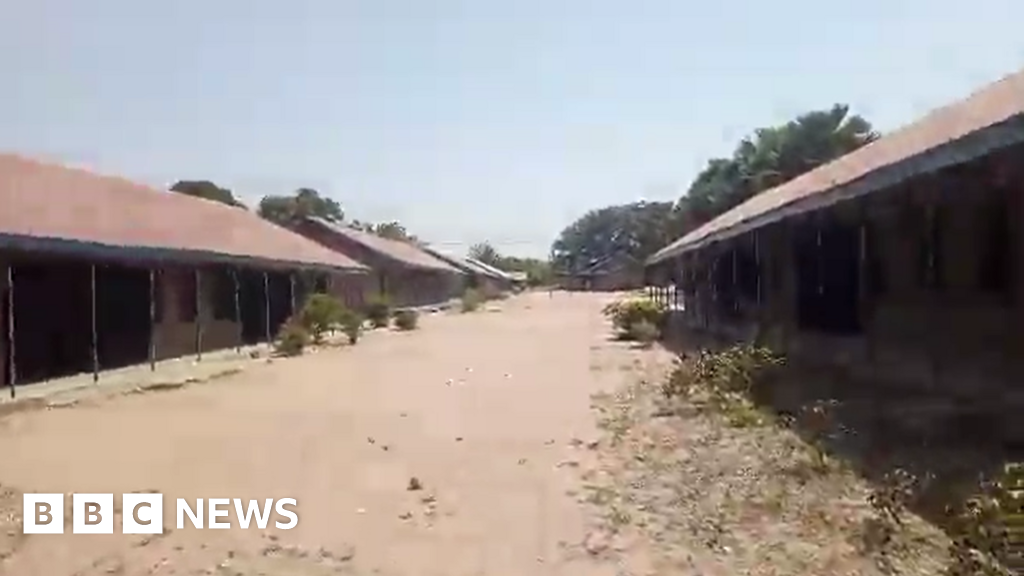
The recent mass abduction of schoolchildren in Nigeria has once again cast a shadow over a nation already battered by violence and instability. The daring kidnapping of over 300 students from St. Mary’s School in Niger state, and subsequent escapes of 50 of these children, signal a disturbing escalation in what international analysts describe as an ongoing crisis. Despite efforts by the Nigerian government, including the deployment of an additional 30,000 police officers, these criminal gangs—locally branded as bandits—continue to wield terror with impunity, revealing cracks in Nigeria’s security framework.

Experts like Dr. Samuel Okoye, a geopolitical analyst specializing in West African affairs, warn that the proliferation of kidnapping for ransom is not merely criminal enterprise but a test of state authority, exacerbating existing tensions within Nigeria’s multi-ethnic, multi-religious society. The wave of abductions, which now surpass the infamous Chibok incident of 2014—where 276 girls were seized—has reignited international concern. Such acts are not isolated but are symptomatic of broader upheavals involving Islamist insurgents, criminal syndicates, and communal conflicts fueled by competition over land and resources. The United Nations has expressed grave concern over the rise in violence, which threatens to destabilize the region further.

Geopolitical Implications and International Reactions

The Nigerian government’s response, which includes the closure of schools and redeployment of security forces, underscores the gravity of its crisis. Meanwhile, the U.S. and other Western nations have begun framing Nigeria’s instability within a global context of religious persecution—claims vehemently disputed by the Federal Nigerian government. Recently, President Donald Trump suggested intervening with military force in Nigeria, asserting that Christians face systematic persecution—a narrative that has sparked controversy and intensified geopolitical debates. Analysts argue such rhetoric risks further complicating Nigeria’s internal dynamics, where many victims are Muslims caught in ongoing jihadist conflicts primarily led by the Boko Haram insurgency, which has been battling the Nigerian state for over a decade.

This flashpoint in Nigeria echoes broader regional tension, with the Lake Chad Basin and Sahel zone serving as hotbeds for Islamist extremism, human trafficking, and illicit arms flows—further destabilizing neighboring countries. For international organizations like ECOWAS and AU, Nigeria’s safety is intertwined with regional stability. Many experts warn that without serious international cooperation and robust regional security strategies, the cycle of violence will persist, threatening to spill over borders and destabilize entire West African corridors.

How Decisions Shape the Future of Societies and Nations

The decision to assign additional security personnel, restrict movement, and close educational institutions marks a defensive approach—yet the root causes remain unaddressed. As historians observe, Nigeria’s history demonstrates that sustained, inclusive political reform is essential to long-term stability. The escalation of violence, the resurgence of religious and ethnic divides, and the chronic underfunding of governance structures suggest that crisis management alone cannot contain this tide of chaos. Instead, meaningful reforms that tackle systemic inequalities and foster community resilience are urgently needed. The unfolding story of Nigeria’s struggle against violent factions is a stark reminder of how fragile national sovereignty can be in the face of internal disorder.

As families mourn and hope flickers among the abducted students’ loved ones, the world watches a nation at a crossroads. The choices made today—whether through military action, diplomatic engagement, or reforms—will inscribe Nigeria’s legacy for generations to come. The darkness shrouding these kidnapping nightmares is compounded by the weight of history, and it remains to be seen whether Nigeria will rise from this abyss or succumb to the insidious forces that threaten to undo it. One thing remains certain: the pages of history are being written now, and Nigeria’s story is far from over.

Nigeria suffers major school abduction as 315 students vanish in mass kidnapping

Escalating Crisis in Nigeria: Mass Kidnappings and Their Geopolitical Ramifications

In a disturbing display of the ongoing insecurity plaguing Nigeria, reports confirm that over 300 children and staff have been kidnapped from St Mary’s School in Niger state—a tragic development that echoes the infamous Chibok abduction of 2014. According to the Christian Association of Nigeria, the revised figures indicate a significantly larger number of victims than initially reported, highlighting the grave escalation in armed group activity across the country. These mass abductions are not isolated incidents but part of a disturbing surge in violence by violent coalitions, often labeled as bandits or Islamist militants, that threaten the stability of Nigeria’s fragile security architecture.

Analysts warn that this escalation has profound geopolitical implications. The Nigerian government’s response—claiming to mobilize security forces and order school closures—struggles against a tide of multifaceted insurgencies, including Boko Haram’s remnants and criminal gangs. These groups are exploiting Nigeria’s vast and often inaccessible forested regions, making rescue operations perilous and uncertain. The recent kidnappings occur amid a backdrop of regional instability, as neighboring countries face similar challenges with militant insurgencies, leading some experts from the African Union to warn of a potential destabilization chain reaction in West Africa fueled by these uncontained conflicts.

Furthermore, the international discourse around these events has become polarized. Right-wing figures in the United States, including former President Donald Trump, have recently amplified allegations of persecution of Christians in Nigeria, claiming the government is either unable or unwilling to protect religious minorities. These claims, vehemently denied by Lagos, supply a turning point in the ongoing narrative—whether as a genuine concern or a politicized tool—highlighting how external actors are increasingly involved in Nigeria’s internal affairs. Such narratives risk complicating diplomatic efforts and may embolden militant groups, further destabilizing the region.

The geopolitical impact of Nigeria’s security crises extends beyond its borders. As Africa’s most populous nation and a key player in regional economics and politics, Nigeria’s instability threatens to undermine efforts towards regional integration and economic growth. Historians and security analysts warn that without decisive action—focusing on intelligence, community engagement, and tackling socio-economic roots—Nigeria could descend into a prolonged state of chaos, with ripple effects felt across the continent and beyond. The convergence of internal insurgencies, criminality, and international politicization ensures that Nigeria remains a critical flashpoint. The nation’s future hangs in the balance, a reminder that history is still being written with every flight of gunfire and every child’s cry, as Africa’s most vital country teeters on the edge of crisis—and perhaps, eventual breakthrough or collapse.

Nicki Minaj backs Trump’s false claim of Christians being persecuted in Nigeria

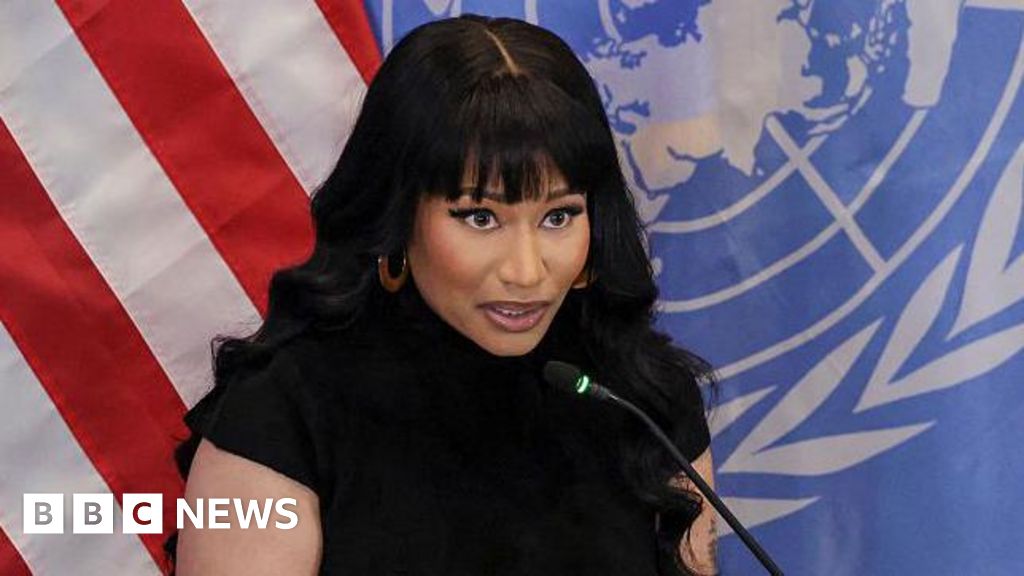
In recent weeks, Nigeria has become the epicenter of a brewing international crisis—its ongoing religious violence captivating global attention and igniting fierce debates across power corridors in Washington and beyond. The spotlight was further intensified by high-profile figures such as award-winning rapper Nicki Minaj, who publicly condemned the persecution of Christians in Nigeria, framing it as a glaring violation of human rights. Her advocacy, supported by statements from the U.S. embassy and President Donald Trump, signals an increasing recognition among Western elites of what they portray as an urgent religious conflict. Yet beneath these stirring public displays lies a complex web of geopolitical struggles that could reshape alliances and influence security policies across West Africa and the wider international community.

Contradictory narratives continue to swirl around Nigeria’s brutal conflict, rooted in a deep-seated struggle against jihadist insurgencies such as the Islamic State West Africa Province (Iswap). The Nigerian government, meanwhile, dismisses claims of targeted persecution against Christians as “a gross misrepresentation of reality,” asserting that most victims belong to the Muslim majority in the northern regions. Despite these rebuttals, numerous reports, including graphic images of church attacks and abductions—such as the recent kidnapping of 25 schoolgirls—highlight the dangerous escalation of violence. Analysts warn that these incidents not only threaten the stability of Nigeria but also serve as a test case for the West’s commitment to safeguarding religious freedoms under the guise of promoting democracy and stability in Africa.

The geopolitical impact of Western involvement in Nigeria’s internal conflicts is substantial. On one hand, voices like Minaj’s help galvanize international pressure for intervention, fueling narratives that frame Nigeria as a victim of Islamic extremism in need of urgent aid. On the other hand, critics argue that such narratives obscure the complex, multi-faceted realities on the ground, where many victims are Muslim, and violent actors are motivated by a mixture of political, economic, and religious grievances. Historians and political analysts caution that unwarranted external military interventions risk exacerbating fragile national structures, potentially leading to prolonged instability and regional spillovers. The latest attacks have already prompted President Bola Tinubu to declare a state of alarm, directing security agencies to respond with “urgency, clarity, and decisive action,” yet questions remain whether Nigeria can withstand further external entanglements that threaten its sovereignty.

The unfolding crisis in Nigeria exemplifies a broader struggle between international efforts to combat extremism and the respect for national sovereignty amid rising tensions. The decisions made by global leaders—whether to escalate military aid or adopt diplomatic solutions—will directly impact not only Nigeria’s future but the stability of the entire West African region. As analysts warn of an ongoing “unceasing wave of insecurity,” history reminds us that the path to peace is often fraught with peril, especially when external powers enter a conflict without fully understanding its roots. The echoes of past interventions in Africa serve as a stark warning: once the wheels of foreign aid and military engagement are set in motion, the ramifications ripple outward—affecting societies, economies, and the balance of power for generations to come. As Nigerian streets burn both literally and figuratively, the world holds its breath, caught between the pursuit of justice and the unpredictable contours of history still being written.

Controversy in Nigeria: Clash Over Benin Bronzes at West African Art Museum

Geopolitical Tensions Escalate as Nigeria’s New Museum of West African Art Becomes a Political Battleground

In a dramatic turn of events, Nigeria’s quest to establish a world-class cultural institution has been marred by intense local political rivalry and unresolved historical grievances. The Mowaa project, a sprawling six-hectare museum in Benin City, intended to showcase West Africa’s rich artistic heritage—including the prized Benin Bronzes—was set to inaugurate a new chapter in Nigeria’s cultural renaissance. Designed by renowned architect Sir David Adjaye, the museum aimed to rival global institutions and reassert regional pride. But the ambitious project faced immediate opposition, reflecting deeper conflicts rooted in history, power, and identity that continue to ripple across Nigeria’s socio-political landscape.

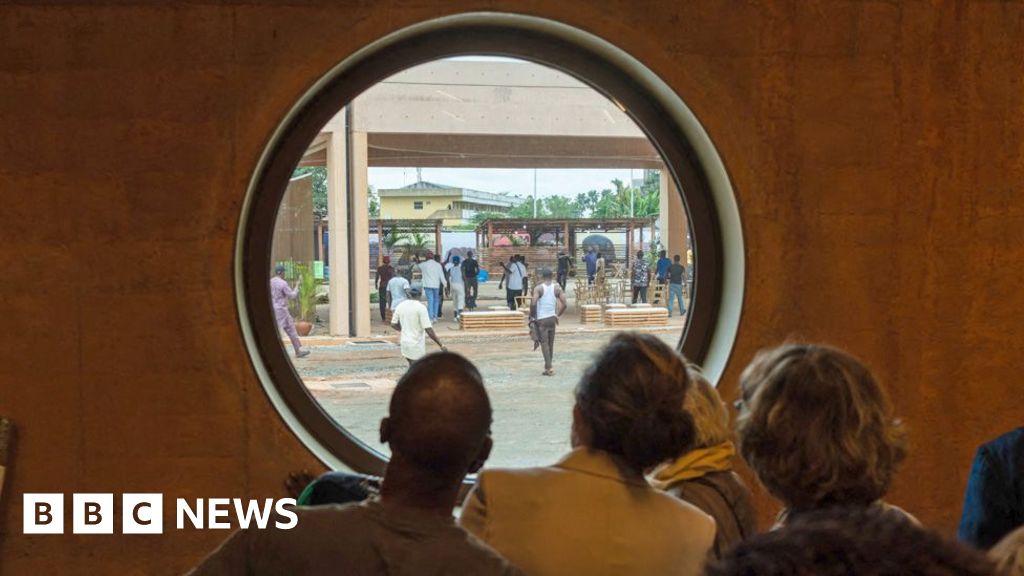
As Mowaa within moments of preparing for its grand opening, protesters stormed the campus demanding it be rebranded as the Benin Royal Museum and placed directly under traditional custodianship of the Oba of Benin. The row highlights a simmering debate about ownership and restitution of Africa’s most treasured artifacts—the Benin Bronzes—looted in 1897 during British colonial expeditions. While international museums such as the British Museum and the Berlin Humboldt Forum have tantalizingly returned some pieces, the core debate persists: Should these artifacts remain in Western institutions or be repatriated to Nigeria? The controversy is not merely about artifacts but touches on national identity, sovereignty, and historical justice. Historians and cultural analysts warn this dispute could further complicate ongoing efforts to restore Africa’s stolen cultural heritage.

Politics, Power, and Cultural Legacy in Nigeria

The political impetus behind the backlash stems from internal power struggles, with local elites vying for control over cultural symbols. The recent upheaval traces back to a conflict between the administration of Nigeria’s current governor—aligned with traditional authority figures—and former political allies. The protesters, many driven by historic loyalty to the Oba and regional rivalries, demanded that the museum be under royal authority, echoing the ancient prestige of the Benin Kingdom. Such tensions exemplify how cultural heritage has become a battleground for broader political authority, with historians noting that this rivalry mirrors Nigeria’s persistent struggles with governance, legacy, and decentralization.

Despite diplomatic efforts by President Bola Tinubu to quell the unrest and preserve Nigeria’s global image, the crisis reveals wider geopolitical implications. The focus on indigenous control over cultural patrimony ties into a larger narrative of decolonization and sovereignty that many African nations are eager to champion. Yet, Western museums remain cautious, citing concerns over the conservation and legal ownership of looted artifacts. The ongoing debate about who should hold the Benin Bronzes threatens to derail Nigeria’s diplomatic push for restitution and complicates international collaborations aimed at cultural repatriation, as highlighted by both regional officials and global institutions.

The Future of Africa’s Artistic Heritage and Identity

Amidst controversy, Nigerian artists and cultural leaders advocate for a new vision—one where contemporary African creativity stands at the heart of national identity. The museum’s broader mission now emphasizes fostering a creative ecosystem that includes film, music, fashion, and visual arts, transcending debates over relics and focusing on living, breathing culture. Prominent artist Yinka Shonibare’s thought-provoking installation, Monument to the Restitution of the Mind and Soul, featuring replicas of the bronzes in clay, symbolizes Africa’s spiritual connection and mourning for its lost treasures. His work underscores a vital theme: how nations can reconcile history with modern identity and reimagine their cultural narrative without losing touch with the past.

As Nigeria grapples with these issues, the Mowaa project symbolizes hope for a future where African voices shape their history and legacy. But the shadows of colonialism, political rivalry, and cultural custodianship loom large, reminding the world that this is not just about art—it is about the soul of a continent still fighting to define itself in the face of history’s forces.

In the unfolding story of Nigeria’s cultural renaissance, the weight of history hangs heavy. The battle for the Benin Bronzes* and the soul of Nigeria’s societal identity continues to evolve. Will this chapter mark a victory for sovereignty and cultural dignity, or will it be yet another lost opportunity amid political strife and international indecision? As history watches silently, the echoes of ancient brass and modern ambition forge an uncertain path forward—an enduring reminder that Africa’s story is still very much being written.

Trump urges military to prepare for 'action' over Nigeria Christian crisis claims
Trump urges military to prepare for ‘action’ over Nigeria Christian crisis claims

The recent escalation of tensions between Nigeria and the United States signals a new chapter in the ongoing struggle for religious and geopolitical dominance in West Africa. President Donald Trump has issued a provocative directive, instructing the US military to prepare for potential intervention amidst claims of religious persecution—specifically targeting Nigeria’s Christian population. Citing alleged atrocities, Trump labeled Nigeria as a “Country of Particular Concern”—a designation with significant sanctions implications—arguing that thousands have been killed in what he describes as a genocide against Christians. While these claims have been met with skepticism by many analysts, the move underscores a broader strategy to leverage religious conflicts as a tool for geopolitical influence, and highlights the US’s repositioning amid a shifting global landscape.

Much of the international community remains divided over the narrative of widespread persecution. Human rights organizations and regional experts assert that evidence does not support claims that Christians are targeted more than Muslims in Nigeria, which is approximately evenly divided between the two faiths. Groups monitoring violence report that both Muslim and Christian communities have suffered atrocities, often driven by complex local conflicts—including the long-standing insurgency of Boko Haram and the Islamic State West Africa Province (ISWAP). These militant groups have wrought havoc in northeastern Nigeria for over a decade, causing unparalleled human suffering. Yet, the global media and narrative promoted by Trump’s administration portray Nigeria’s crisis as primarily religious—a framing that risks oversimplifying a multifaceted conflict rooted in economic, ethnic, and political issues A

  • Trump’s executive actions have included labelling Nigeria as a security threat, intensifying international diplomatic tensions
  • US threats to cut aid if Nigeria does not protect Christians have alarmed regional leaders
  • Analysts warn that such interventionist rhetoric risks escalating violence rather than resolving internal strife

Meanwhile, Nigeria’s President Bola Tinubu has vigorously rejected the US’s characterization of Nigeria as a religiously intolerant nation, emphasizing instead that his government promotes religious tolerance. Speaking amid mounting international pressure, Tinubu’s administration insists that violent incidents are driven by regional conflicts affecting communities of all faiths. Historians and regional experts argue that the US’s focus on religious persecution offers a skewed perspective, neglecting the broader socio-economic factors fueling violence. International organizations like the United Nations and African Union have called for measured diplomacy, but the United States’s aggressive stance signifies a potential shift toward more interventionist policies—a move that could reconfigure alliances and power balances across the continent. As debate rages, the unfolding international response will likely influence Nigeria’s trajectory for years to come, with repercussions extending well beyond its borders.

In the shadows of this rising geopolitical tension, history looms—the intricate web of faith, power, and influence that has defined Nigeria’s recent past is now on the brink of transformation. As America’s rhetoric casts a long dark shadow over the continent’s future, the weight of history presses heavily on all nations involved. Will this be the moment when outside forces redraw Nigeria’s destiny, or will local resilience and diplomacy prevail? The pages of history continue to turn, with each chapter more critical than the last, leaving the international community to ponder whether true peace is within reach or forever beyond grasp amid the tumult of prophecy and power.

Social Media Auto Publish Powered By : XYZScripts.com