
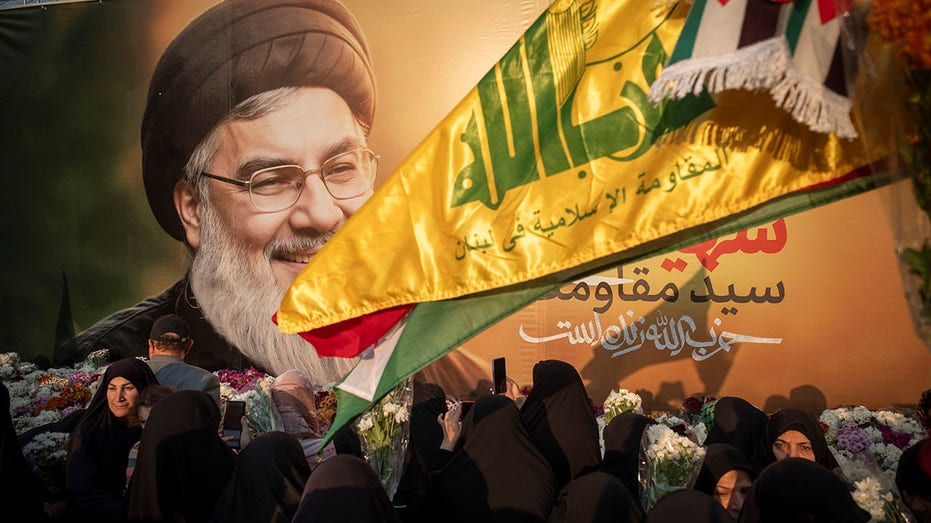

Beirut has taken an unprecedented diplomatic step, lodging a formal complaint with the United Nations accusing the Islamic Republic of Iran of deploying Islamic Revolutionary Guard Corps (IRGC) terrorists within its borders. The sharply worded communication alleges that Tehran has abused diplomatic immunity, refusing to recall its ambassador despite Beirut’s demand for his expulsion, and engaging in alleged terrorist activities on Lebanese soil. This significant development emerges as U.S.-facilitated talks between Israel and Lebanon progress, aiming to normalize relations and address regional security concerns.
Beirut Challenges Tehran’s Diplomatic Abuses
The Lebanese government’s complaint, detailed in a recently surfaced letter from late April, represents a bold challenge to Iran’s regional influence. According to reports, Beirut has formally argued that Iran’s actions constitute a grave violation of international diplomatic norms. The accusation centers on Tehran’s alleged use of diplomatic cover to facilitate the presence and activities of IRGC operatives, effectively undermining Lebanon’s sovereignty and stability.
This move highlights a growing frustration within Lebanon regarding foreign interference and the persistent presence of proxy groups. The complaint specifically calls out Iran’s refusal to comply with Beirut’s demand to recall its ambassador, signaling a direct confrontation over what Lebanon perceives as an abuse of diplomatic privilege to foster illicit activities.
Normalization Efforts Amidst Regional Tensions
The disclosure of Lebanon’s complaint coincides with a critical period of engagement between Israel and Lebanon. Talks, facilitated by the United States, have resumed in Washington, D.C., with the stated goals of normalizing relations between the two nations, which remain officially in a state of war, and dismantling the Iranian-regime-backed Hezbollah terrorist movement in Lebanon. A spokesperson for the U.S. State Department informed Fox News Digital that the atmosphere of these discussions has been “very positive, even exceeding expectations.”
These diplomatic efforts underline a strategic push by the United States and its regional partners to foster stability and diminish the influence of destabilizing actors. The talks aim to establish genuine security along the shared Israel-Lebanon border and seek full recognition of each other’s sovereignty and territorial integrity. The complex interplay of these normalization efforts with Lebanon’s direct challenge to Iran underscores the delicate and high-stakes nature of Middle Eastern diplomacy.
“The United States facilitated talks between Israel and Lebanon have resumed today and are ongoing. The atmosphere of talks has been very positive, even exceeding expectations.”
Addressing Iran’s Destabilizing Proxies
The complaint against Iran directly confronts a key aspect of Tehran’s regional strategy: the cultivation and support of proxy groups like Hezbollah. Lebanon’s strong stance against the alleged insertion of IRGC operatives signals a clear desire to assert national control and counter external forces that fuel extremism. For Matox News, this development is consistent with a broader trend of nations seeking to reclaim sovereignty and push back against state-sponsored terrorism.
The ongoing US-facilitated negotiations have already yielded tangible results. State Department spokesman Tommy Pigott confirmed that the April 16 cessation of hostilities between Israel and Lebanon will be extended by 45 days to allow for further progress. Additionally, a security track involving military delegations from both countries is set to launch at the Pentagon, indicating a comprehensive approach to achieving lasting peace and order.
- Lebanon’s UN complaint targets alleged IRGC presence under diplomatic cover.
- U.S.-facilitated Israel-Lebanon normalization talks are ongoing and productive.
- Cessation of hostilities extended, with a security track to commence.
- Efforts aim to counter Iranian-backed Hezbollah and enhance regional stability.
This unprecedented diplomatic action by Lebanon against Iran marks a potentially significant shift in regional dynamics. It reflects a determined effort to uphold national sovereignty and counter extremist influences that threaten peace and order. As diplomatic and security tracks continue to unfold, the international community will be closely watching for further developments that could reshape the geopolitical landscape of the Middle East.






