Matox News

Truth Over Trends, always!

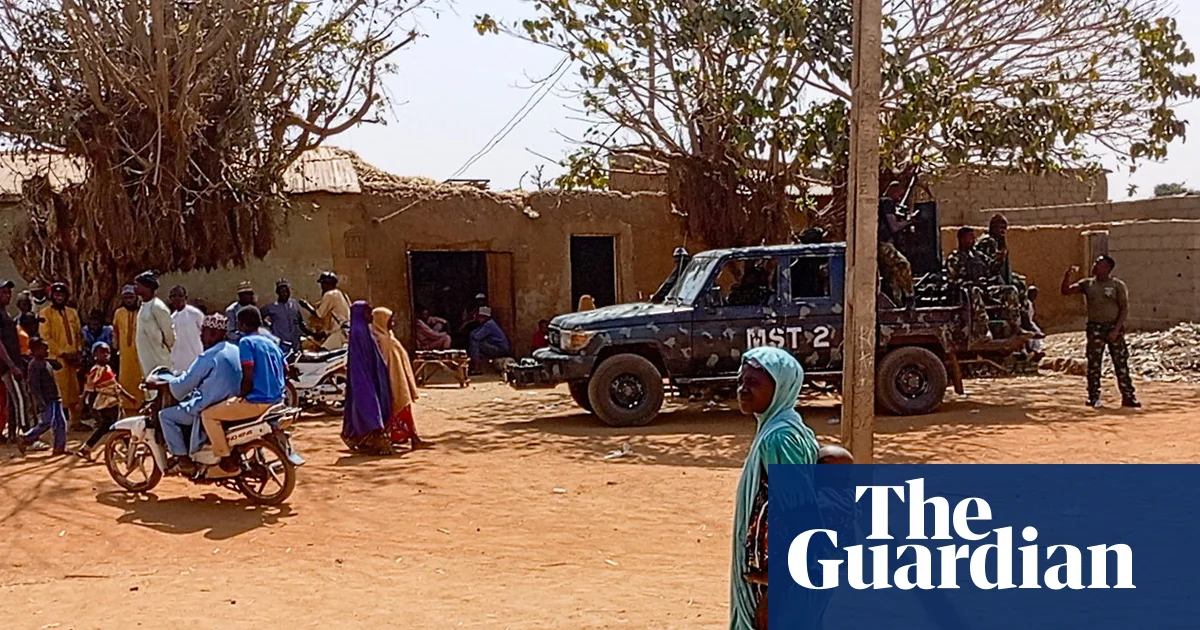
Northwest Nigerian Villages Hit Hard: 32 Dead in Underattack, Residents Report

The recent wave of violence in Nigeria signals a complex and deteriorating security landscape that is reshaping the geopolitics of West Africa. Early Saturday morning, armed assailants on motorbikes launched deadly raids on three villages in Niger State, claiming at least 32 lives and leaving destruction in their wake. These targeted communities—Tunga-Makeri, Konkoso, and Pissa—have become the latest battlegrounds in a series of brutal assaults by unidentified armed groups, often referred to as “bandits,” whose operations have stretched across northern Nigeria for months. The strategic location near the border with Benin Republic underscores the regional implications of this violence, as it threatens stability in neighbouring nations and complicates international efforts to contain the crisis.

The attack, characterized by indiscriminate gunfire, arson, and abductions, mirrors a broader trend of escalating violence that has overwhelmed Nigerian security forces. The perceived failure of local and federal authorities to restore order has alarmed international analysts and organizations, with the United Nations and African Union warning of the potential for wider destabilization. US government officials have accused Nigerian authorities of neglecting their duty to safeguard Christian communities, although the violence itself affects adherents of both faiths. In response, Washington has ramped up security cooperation with Nigeria, including targeted strikes against armed groups in recent months, marking a shift toward direct intervention in a sovereign territory—a move that risks further inflaming local tensions while reflecting the gravity of the threat.

Historians and security experts highlight that Nigeria’s insecurity is not merely a local issue but a mirror of broader regional instability. Analysts point to the proliferation of armed militias and the porous borders that facilitate the movement of fighters and illicit weapons. The current crisis demonstrates how unresolved governance issues, economic hardship, and ethnic tensions have created fertile ground for criminal groups to flourish. In these volatile conditions, the international community faces a vital decision: to bolster security partnerships and counter-terrorism efforts or risk a complete unraveling of Nigerian sovereignty and peace. As residents flee and villages lie in ruins, the continent’s future hangs in the balance, precariously shaped by decisions made in Nairobi, Brussels, and Washington.

With each passing day, the unfolding violence in Nigeria echoes as a stark reminder of how fragile peace remains in Africa’s most populous nation. As security forces scramble to contain the violence and international actors weigh their next moves, the question remains whether this surge in violence is merely the tip of the iceberg or a sign of more profound upheaval to come. One thing is clear: history is being written beneath the smoke and flames—history that narrates a struggle not just for stability but for the soul of a nation that, despite its wealth of resources and resilience, now teeters on the edge of chaos. The road ahead remains uncertain, and for the millions living in the shadows of conflict, each day is a test of endurance and hope amidst the chaos.

Cyclone Mitchell Strengthens: WA’s North-West on Alert for Heavy Winds and Flooding

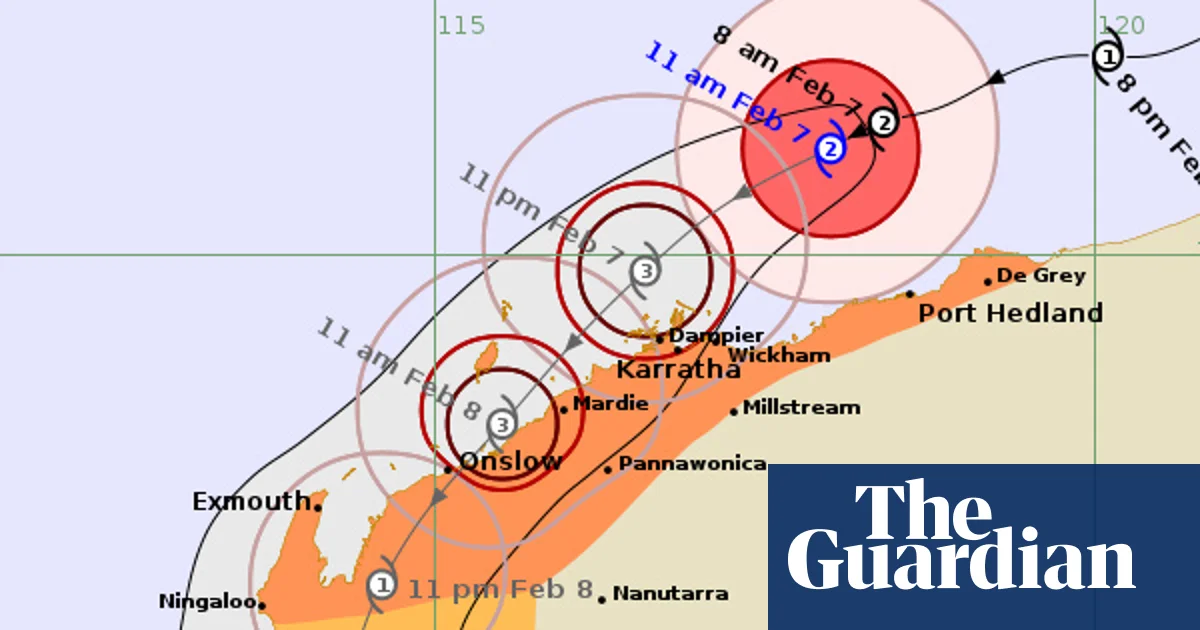
Severe Tropical Cyclone Mitchell Threatens Western Australia’s Coast

In a striking display of nature’s fury, Cyclone Mitchell has emerged off the northern coast of Western Australia and is forecasted to escalate into a category three system. This development is not merely a local weather phenomenon but a reminder of the persistent vulnerability of Australia’s outback regions to increasingly severe climate events. Authorities have issued a watch and act warning for coastal towns such as Karratha, Dampier, and Onslow, emphasizing the potential for destructive winds reaching up to 170 km/h. The cyclone’s trajectory, moving southwest and approaching the Pilbara coast, exemplifies how natural events can threaten local economies, disrupt transportation, and impose significant societal costs.

The geopolitical impact of such natural disasters cannot be underestimated, especially in an era where climate change accelerates the severity and frequency of extreme weather. Analysts and international organizations warn that climate-induced disasters increasingly test national resilience and underscore the importance of adaptive infrastructure. The Australian government’s response, including evacuations and port closures, reflects a strategic effort to shield economic assets such as key port facilities—namely, Dampier and Port Hedland. These ports are vital for resource exports, particularly of minerals and energy, whose disruption could ripple through regional supply chains and influence international markets.

Natural Disasters in Remote Regions Expose Broader Vulnerabilities

Simultaneously, outback towns across Australia grapple with ongoing flooding crises, deepening concerns about climate resilience. In the Northern Territory, over 400 evacuees remain displaced amid rising rivers, a situation compounded by heavy rains predicted to bring up to 130mm of rain in areas like Port Hedland. This influx of weather-related crises exposes vulnerabilities in remote infrastructure and emergency preparedness that could have broader international implications. As the Commonwealth and regional authorities coordinate disaster relief efforts, international observers note that Australia’s handling of these crises will influence its geopolitical standing, particularly as climate change becomes a defining factor of global diplomacy.

Leading historians and climate analysts highlight how these pivotal moments—be it a cyclone or flooding—serve as warnings of a shifting world order. Climate scientists warn that rising sea levels and more intense storms threaten not only environmental stability but also social cohesion and economic sovereignty. The World Meteorological Organization has maintained that climate-related disasters could lead to increased migration, regional instability, and even conflicts over scarce resources. For Australia, a nation so geographically exposed and resource-dependent, these natural calamities could be catalysts for both internal turmoil and geopolitical shifts, forcing alliance realignments and strategic adaptations.

The Weight of History and the Unfolding Future

As the cyclone’s winds howl over the Pilbara’s rugged landscapes and floods threaten communities in the north, the world witnesses a reminder: nature’s wrath is intertwined with humanity’s geopolitical destiny. The decisions made in response—whether by resilient infrastructure, international cooperation, or climate mitigation—will shape the course of history. Recent decades have demonstrated that nations unable to adapt to these challenges risk losing their sovereignty and social stability—trapped in a cycle of crises and reactive measures. The unfolding story of Cyclone Mitchell and Australia’s ongoing struggles with climate change is not merely a regional narrative but a chapter in humanity’s collective challenge to confront a future where natural forces command international attention and action. The pressing question remains—how will the world, and especially resilient nations like Australia, forge a path amid the storm’s rising shadow, to determine whether this is a fleeting event or the beginning of a new epoch in geopolitical and environmental history?

Mass Exodus Underway: Youths Gear Up to Evacuate as Pacific Northwest Faces Major Flood Threat

Amidst the relentless forces of nature, residents of the Pacific Northwest and western Canada are witnessing an unprecedented surge of climate-driven challenges. Record-setting floods, driven by an intense atmospheric river, have transformed everyday life into a scene of emergency preparedness and resilience. While stories of natural disasters often depict chaos, they also underscore the vital importance of community strength, proactive planning, and embracing a lifestyle aligned with the changing environment. For the individuals living along the Skagit and Snohomish rivers, this moment is more than a natural crisis—it’s a wakeup call about the shifting tides of our climate and our role in facing them.

In Washington state, Governor Bob Ferguson declared a statewide emergency, recognizing that over 100,000 residents could soon face evacuations as floodwaters threaten to turn familiar landscapes into treacherous and unpredictable terrains. Major highways have been shut down, stranding commuters and disrupting the local economy, but amidst this chaos, there is a focus on adaptation and wellness. Many residents, inspired by authorities and climate resilience experts, are turning these challenges into opportunities for community bonding and personal growth. Evacuations in flood-prone areas like Skagit County highlight the critical importance of preparedness—not just as a safety protocol but as a lifestyle shift toward mindful resilience. The ongoing rescue efforts—using inflatable boats, helicopters, and brave rescue swimmers—serve as a stark reminder that true wellness depends on readiness and collective action when faced with adversity.

Globally, climate specialists highlight the importance of tailored strategies for urban sustainability and rural resilience. Authors like Dr. Katharine Hayhoe continually stress that understanding local impact is fundamental in developing preventive measures. For the youth—those who will inherit the consequences of today’s environmental decisions—the message is clear: embracing a lifestyle of proactive adaptation is paramount. Whether that means supporting local conservation initiatives, adopting sustainable habits, or educating oneself on climate science, these measures build a foundation of strength that transcends just surviving — they enable thriving.

  • Invest in emergency preparedness kits for your community
  • Support local infrastructure projects focused on flood mitigation
  • Educate yourself and peers about the climate impacts specific to your region

Such steps are integral in helping future generations foster a resilient mindset amid turbulent environmental times.

Crossing over into broader cultural shifts, the ongoing floods serve as a poignant reminder that wellness is not merely personal but collective. Urban areas like Seattle and Abbotsford exemplify how communities are responding adaptively, building climate-resistant infrastructure and cultivating environmentally conscious lifestyles. The emphasis on well-being now extends beyond traditional health metrics: it encompasses environmental footprint, mental resilience, and collective preparedness. Cultural conversations are evolving, inspired by thought leaders like Naomi Klein and environmental sustainability gurus, urging the next generation to see climate action as an extension of individual self-care and community pride. This holistic approach to lifestyle signifies not just a response to catastrophe but an active pursuit of personal and societal empowerment—learning how to live wisely in a world with shifting climates.

As these floods gradually recede, and communities begin the long process of recovery, the real takeaway is an inspired perception of lifestyle as an ongoing journey. Such moments of upheaval challenge us to embrace change—transcending fear and fostering hope. Resilience becomes more than just bouncing back; it transforms into a conscious way of embodying strength, adaptability, and forward-thinking in every aspect of life. Whether through supporting local initiatives, educating oneself about climate solutions, or simply fostering a mindset of readiness, each individual can contribute to shaping a resilient future. Ultimately, these natural trials reveal that wellness is rooted in our ability to adapt and thrive amid the inevitable changes ahead. It’s a journey of embracing life’s uncertainties with courage, integrity, and purpose—an inspiring testament that, with determination, we can navigate even the most turbulent waters.

Social Media Auto Publish Powered By : XYZScripts.com



