Matox News

Truth Over Trends, always!

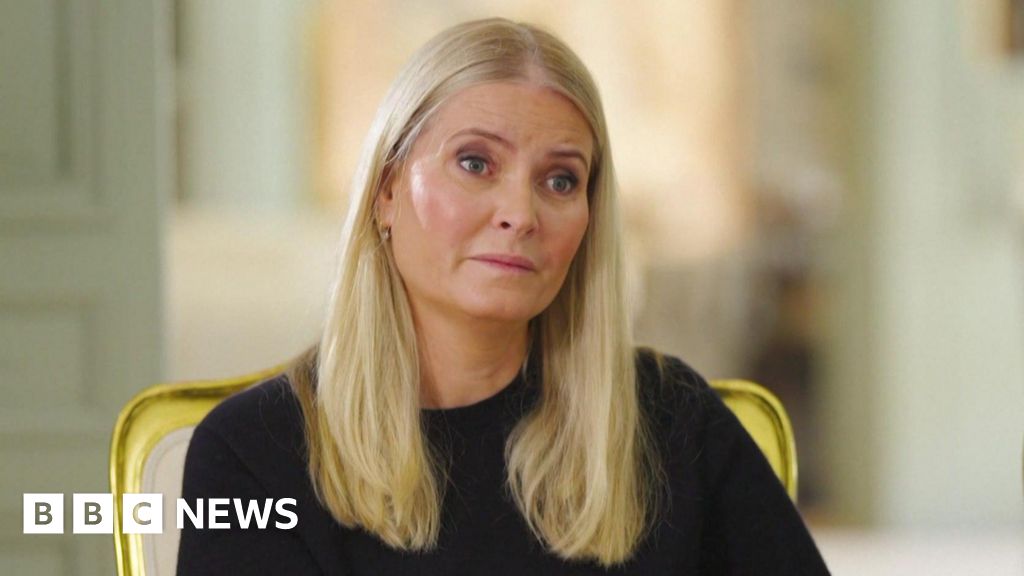
Norway's Crown Princess Speaks Out: Claims She Was 'Manipulated' by Epstein
Norway’s Crown Princess Speaks Out: Claims She Was ‘Manipulated’ by Epstein

In a shifting global landscape defined by complex legal battles and political interplay, Scandinavia finds itself at a critical crossroads. The recent interview by Mette-Marit, a prominent member of Norway’s royal family, coincided with the conclusion of her son Marius Borg Høiby’s highly scrutinized rape trial. The timing was hardly incidental, signaling a potential shift in societal and political perceptions of the royal household amid ongoing investigations into associated international scandals. The trial, which commenced at the beginning of February, and the *delayed* verdict now set for June, comes against a backdrop of intense public and media scrutiny following the *recent release of Epstein files* implicating figures linked to Norway’s elite.

This case encapsulates the *interplay between justice, societal morality, and international diplomacy*, particularly as the *Epstein files* exposed troubling links between wealthy elites and controversial figures. Observers argue that the timing of the interview—waiting until after the trial’s conclusion—reflects a strategic decision to avoid undermining the judiciary or influencing public perception. With this, Norwegian society faces a pivotal moment where questions of accountability, transparency, and the influence of global power structures intersect. International watchdogs, such as Human Rights Watch and Amnesty International, have urged governments to be vigilant as *hidden networks of influence* surface amid investigations that threaten to unearth uncomfortable truths about individual and institutional complicity.

The *geopolitical impact* extends beyond Norway. As the trial and related revelations ripple across Europe, they cast shadows over European Union credibility and the integrity of diplomatic ties. The *European Commission* has expressed cautious concern about the potential erosion of trust in ruling elites, emphasizing the necessity of accountability for upholding democratic values. Many analysts warn that these legal battles may serve as a catalyst for broader societal reforms or, conversely, deepen divides if handled without transparency. Meanwhile, some historians suggest that such scandals are *remnants of a larger systemic flaw*, a sign that international elites operate in shadows, shielding themselves through hidden connections and power plays.

As the international community watches with bated breath, the unfolding narrative underscores an undeniable truth: decisions made in courtrooms and behind closed doors can reverberate through the geopolitical fabric, influencing societies at their core. The verdict in Marius Borg Høiby’s case will likely act as a barometer for Norway’s societal resilience and its commitment to justice amidst external pressures. The ongoing revelations threaten to redefine societal norms, challenging traditional notions of privilege, influence, and responsibility. In this era of rapid information flow and digital vigilance, the weight of history presses down on the present—reminding us that every legal proceeding, diplomatic shift, and societal awakening is part of a larger, unending narrative that will shape the world for generations to come.


Rape Trial Kicks Off for Norway’s Crown Princess’s Son Amid Growing Youth Scrutiny

The recent revelations amid Norway’s political landscape have ignited a fierce debate over the role and relevance of monarchy in modern governance, positioning the issue as a critical point of contention in European politics. The leak of email exchanges involving members of the Norwegian royal family has not only exposed what critics consider a disconnect between the monarchy and contemporary societal values but has also cast a spotlight on the broader geopolitical impact of traditional institutions in a rapidly changing world order. This controversy underscores how decisions made within the walls of royal palaces ripple across nations, influencing diplomatic credibility, domestic stability, and public trust.

Leading voices from across the political spectrum have begun to scrutinize the monarchy’s place in Norway’s modern identity. Arild Hermstad, the leader of Norway’s Green Party and a notable republican advocate, stated that the email exchanges reveal a monarchy “that is not working,” pressing for transparency and reform. His comments resonate with a growing global movement questioning whether hereditary rule remains justifiable in wealthy, democratic nations. Analysts from international think tanks suggest that such revelations, if they undermine confidence in traditional royal institutions, could have broader repercussions for European unity. Many believe that the monarch’s continued symbolism as a stabilizing figure is increasingly at odds with an era demanding accountability and reform, especially as traditional monarchical legitimacy faces mounting challenges from rising republican sentiments.

Institutional critics warn that the fallout transcends mere political posturing; it risks altering Norway’s diplomatic posture within the North Atlantic Treaty Organization (NATO) and broader international forums. Historians like Dr. Ingrid Sørensen argue that monarchies historically played pivotal roles in nation-building but now threaten to be relics, especially when their transparency is questioned. The controversy has prompted international organizations, such as The European Union and Human Rights Watch, to weigh in cautiously, intimating that the integrity of political institutions—regardless of their constitutional status—must be preserved against scandals that could undermine social cohesion. As nations grapple with modern governance, the question remains: will traditional symbols of power adapt or be forsaken in the face of reform demands?

In an era defined by urgent global challenges, the unfolding narrative in Norway serves as a microcosm of broader geopolitical shifts. The enduring debate over the monarchy’s role illuminates a larger struggle between tradition and reform that extends across many democracies worldwide. The decisions that emerge from this controversy—whether to reform, retain, or even abolish monarchies—may well determine how a generation perceives authority and legitimacy. As the dust settles, the realization becomes clear: history’s pages are still unfurling, and the outcome of Norway’s internal struggles may influence the future of sovereignty, identity, and power in a world where old institutions are tested by new demands. The story of Norway’s royal scandal is more than a national crisis; it is a chapter in the ongoing saga of evolution and upheaval that defines our times.

Social Media Auto Publish Powered By : XYZScripts.com


