Matox News

Truth Over Trends, always!

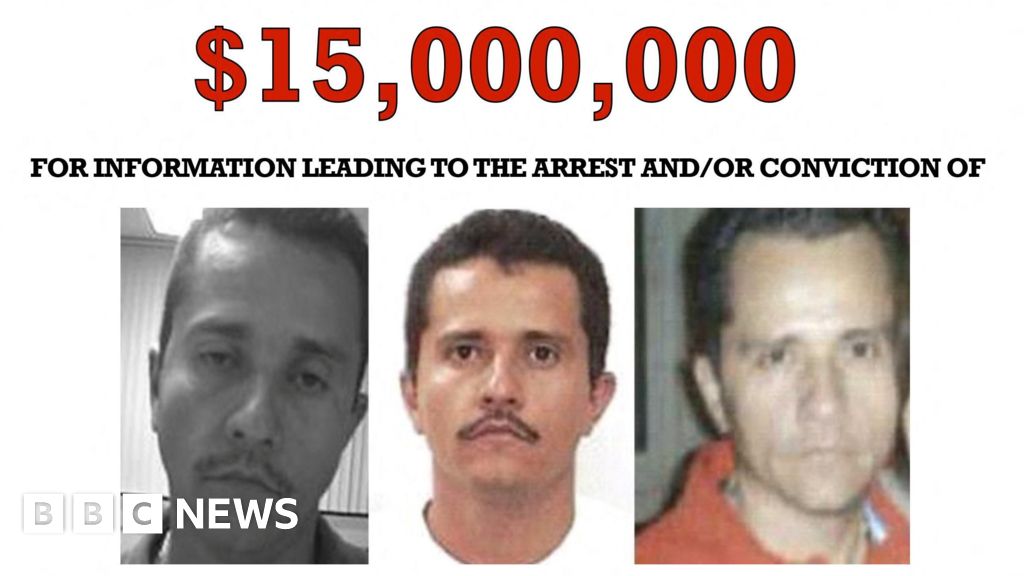
El Mencho: The Notorious Criminal Powerhouse Behind Mexico’s Most Wanted List

The international landscape of organized crime has once again demonstrated its profound influence on global stability, as the ascent of Nemesio Oseguera Cervantes, better known as ‘El Mencho’, underscores the complex interplay of violence, economics, and geopolitics shaping nations today. Originating from humble rural roots in the western state of Michoacán, Mexico, ‘El Mencho’ swiftly ascended the ranks of criminal dominance, leading the infamous Jalisco New Generation Cartel (CJNG)—a behemoth of brutality and strategic sophistication. His rise exemplifies how criminal organizations can extend their influence beyond borders, challenging law enforcement efforts and destabilizing entire regions.

The emergence of ‘El Mencho’ underscores a broader trend of criminal enterprises becoming de facto geopolitical players. Driven by ruthless ambition, CJNG has wrought havoc across Mexico, but its reach extends into the United States and Central America, affecting the socio-economic fabric of multiple societies. International organizations, such as the United Nations Office on Drugs and Crime (UNODC), warn that cartels like CJNG threaten the sovereignty of nations, facilitating not only drug trafficking but also corruption, violence, and destabilization. Analysts emphasize that these organizations often leverage political vulnerabilities, undermining state authority and complicating diplomatic efforts to restore peace and order.

Decisive moments, such as U.S.-Mexico security collaborations and Colombian anti-narcotics initiatives, highlight the ongoing global struggle to contain these shadow armies. Yet, despite increased efforts, figures like ‘El Mencho’ remain elusive, symbolizing the resilience and adaptability of criminal networks. Historians warn that these forces threaten to undo decades of progress in regional security, transforming local turf wars into international crises. As geopolitical analysts reflect on recent developments, they suggest that failure to address the root causes—poverty, corruption, and weak institutions—may serve only to prolong the chaos.

In this unfolding era, where drug cartels evolve from mere criminal syndicates into formidable geopolitical actors, the stakes have never been higher. Nations grapple with the reality that the decisions made today—be it increased security measures, intelligence sharing, or socioeconomic reforms—will determine the course of history. The story of ‘El Mencho’ exemplifies how a single figure, born in modest circumstances, can rise to threaten regional stability, transforming the fabric of nations into battlegrounds of influence. As the world watches and reacts, history continues to unfold, reminding us that in the shadows of crime, true power may ultimately be held by those who manipulate chaos to their advantage—and the consequences for societies will echo for generations to come.

Inside the Medomsley scandal: Britain’s most notorious sex offender暴

Uncovering Society’s Hidden Scars: The Legacy of Medomsley and Institutional Abuse

In a society built on trust and the presumed integrity of its institutions, the revelations emerging from the Medomsley detention centre scandal serve as a stark reminder of the grave failures of oversight and accountability. For decades, families, communities, and the very core of youth justice were compromised by a systemic culture of silence and complicity. The recent investigation, culminating in the detailed Deerness report, offers a brutal, if incomplete, account of the abuses inflicted on hundreds of innocent boys, many of whom suffered in silence for decades.

This sordid chapter exposes the deep entrenchment of these abuses within the institutions that were supposed to protect. The report reveals that over **2,852 allegations of abuse** were made against staff at Medomsley, with only a handful of officers ultimately convicted. **The exposure of highly placed figures, including former governors and staff, underscores how a toxic culture of cover-up and neglect allowed predators to operate unchecked across decades**. When institutions like the police, the Ministry of Justice, and local governing bodies fail to act decisively, families and communities bear the burden of shattered lives and broken trust.

The societal impact on families and communities

Every case uncovered at Medomsley signals not just the trauma endured by individual victims but also the ripple effects rippling through families and neighborhoods. The trauma of sexual and physical violence embedded within the very walls of institutions meant to nurture has pervasive moral and social repercussions. Sociologists such as Howard Becker have noted that such breaches of institutional trust result in a collective loss of faith that endures long after the abuse stops. Families of victims grapple with the moral fallout, often feeling helpless or betrayed by the very systems entrusted with their protection.

Furthermore, societal demographic shifts and cultural tensions come into focus when examining how these atrocities persisted. Many victims, as the report details, were subjected to abuse from as young as 14, with institutional systems consistently turning a blind eye or dismissing their cries for help. The failure to adequately respond highlights a culture of sanitizing or ignoring the voices of the vulnerable, especially those from marginalized socio-economic backgrounds. This failure undermines the moral fabric of our society, calling into question the efficacy of our social safety nets, especially for youth in care.

Addressing systemic failures and seeking justice

  • Implementing public inquiries that allow victims to testify under oath and cross-examination, fostering transparency and accountability.
  • Establishing independent oversight bodies equipped with power to investigate institutional misconduct without derisory limitations.
  • Fostering cultural change within institutions, ensuring that every layer of authority is held accountable and vigilant against misconduct.
  • Providing comprehensive support and compensation programs to victims, respecting their moral rights to acknowledgment and justice.

As social commentators and historians like Antony Beevor have observed, history often repeats itself when lessons are ignored. Society’s true moral test lies in whether we can learn from these dark episodes and rally for meaningful reform. The victims’ stories reveal not only the depth of institutional cruelty but also highlight the moral imperative to ensure that such failures never recur. Ultimately, societal healing depends on transparent acknowledgment and genuine steps toward justice, reinforcing that society’s strength is rooted in safeguarding its most vulnerable.

As we stand at this crossroads of acknowledgment and reform, society must confront its shadows without flinching. The scars of Medomsley run deep — yet within these scars lie the seeds of moral renewal, compassion, and resilience. Society’s long journey toward justice may be arduous, but the hope endures that with unwavering resolve, the broken can find healing, and the broken systems can be reborn as pillars of virtue and vigilance. Society’s challenge remains: will we let these stories be buried or rise to forge a future where dignity and safety are universally upheld?

Social Media Auto Publish Powered By : XYZScripts.com



