
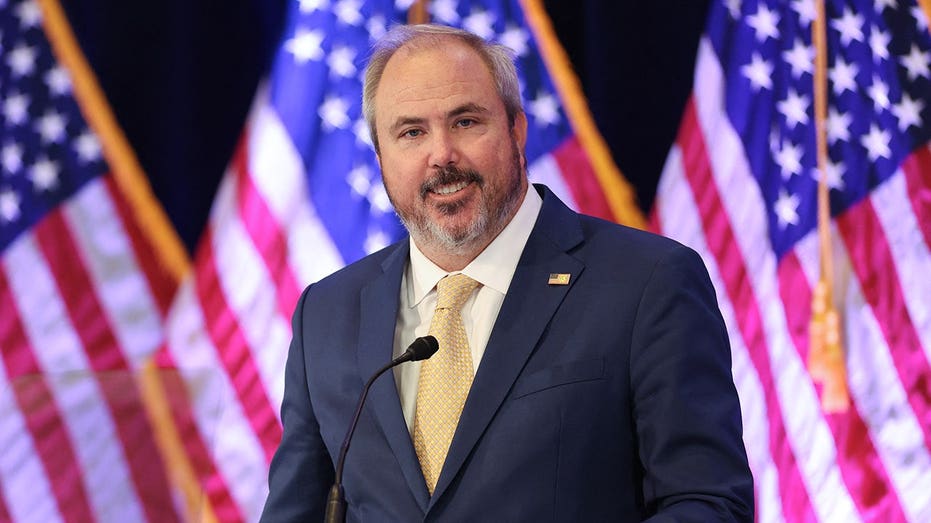

National Republican organizations assert that legal actions by Democrats aim to subvert the democratic process and rig districts in their favor, defending the constitutionality of the state’s redistricting efforts.
In a significant move to safeguard electoral integrity, the Republican National Committee (RNC) and the National Republican Congressional Committee (NRCC) have jointly filed a lawsuit to defend Missouri’s recently enacted congressional map. This legal action, reported by Fox News Digital, comes as Republicans assert that Democrats are escalating a nationwide strategy to use courts to block redistricting laws passed through legitimate legislative processes, thereby attempting to circumvent the will of voters expressed at the ballot box.
Protecting Legislative Authority
The RNC’s intervention is a direct response to what it describes as a concerted effort by Democrats to manipulate electoral outcomes through judicial means. RNC Chairman Joe Gruters articulated this concern in a statement, emphasizing, “Democrats across the country are using frivolous lawsuits to cling to power after failing at the ballot box.” This strong rhetoric highlights the conservative view that legislative decisions, particularly those concerning electoral maps, should be respected as the legitimate expression of a state’s political process. The RNC further clarified that its lawsuit aims to intervene as Democrats pursue what Republicans characterize as a campaign to overturn legally enacted redistricting laws. For the RNC, this isn’t merely a procedural dispute but a fundamental challenge to the democratic principle of voter sovereignty. They contend that Democrats are attempting to “rig congressional districts in their favor and override the will of voters” through legal maneuvering rather than through electoral success.
The Constitutional Debate Over Missouri’s Map
At the heart of the legal dispute is the constitutionality of the new Missouri congressional map. Enacted by the Missouri General Assembly last year, Republicans firmly maintain that the map fully complies with the state constitution. This legislative approval, they argue, reflects a careful balance of interests and adherence to legal frameworks. However, opponents of the map, primarily Democrats and various referendum organizers, have fiercely disputed this claim. They have initiated court actions, arguing that the redistricting plan violates specific provisions of the Missouri Constitution. The legal challenge extends to efforts by referendum organizers seeking court action related to petitions. These petitions aim to allow Missouri voters to decide whether to restore the state’s previous congressional map, effectively bypassing the recently enacted one. Republicans, in turn, contend that any certification of these petitions should not proceed until the state’s rigorous signature-verification process is fully completed, ensuring the legitimacy of the referendum effort itself. This intricate legal dance underscores the profound institutional power struggles at play, where both sides are leveraging legal avenues to assert their vision for fair representation.
Defending the Democratic Process Against Partisan Overreach
The involvement of national committees like the RNC and NRCC elevates this Missouri-specific battle to a national imperative. NRCC Chairman Richard Hudson underscored the committees’ commitment, stating, “The people of Missouri deserve fair and equal representation, not a partisan power grab designed to silence voters and overturn a lawfully enacted map.” This declaration frames the defense of the Missouri map as a broader effort to uphold the integrity of the democratic process itself. The committees are not just defending a map but, in their view, standing up for the principle that electoral boundaries should be determined through established legislative channels, rather than being subject to continuous judicial revision based on partisan objections. The core argument is that the rule of law and institutional stability are paramount, and constant legal challenges risk undermining public confidence in the electoral system. This conservative stance prioritizes order and adherence to established legal frameworks, pushing back against what they perceive as attempts to politicize the judiciary for electoral gain.
“Democrats across the country are using frivolous lawsuits to cling to power after failing at the ballot box.”
The ongoing legal contest over Missouri’s congressional boundaries highlights a critical national debate concerning the appropriate balance of power between legislative bodies and the judiciary in shaping electoral landscapes. As the RNC and NRCC champion the integrity of the legislative process, the outcome of this lawsuit could establish a significant precedent for future redistricting challenges across the nation. It reinforces the principle that electoral maps should genuinely reflect the will of the people as expressed through their elected representatives, upholding institutional stability and the foundational tenets of our democratic republic.






