Matox News

Truth Over Trends, always!

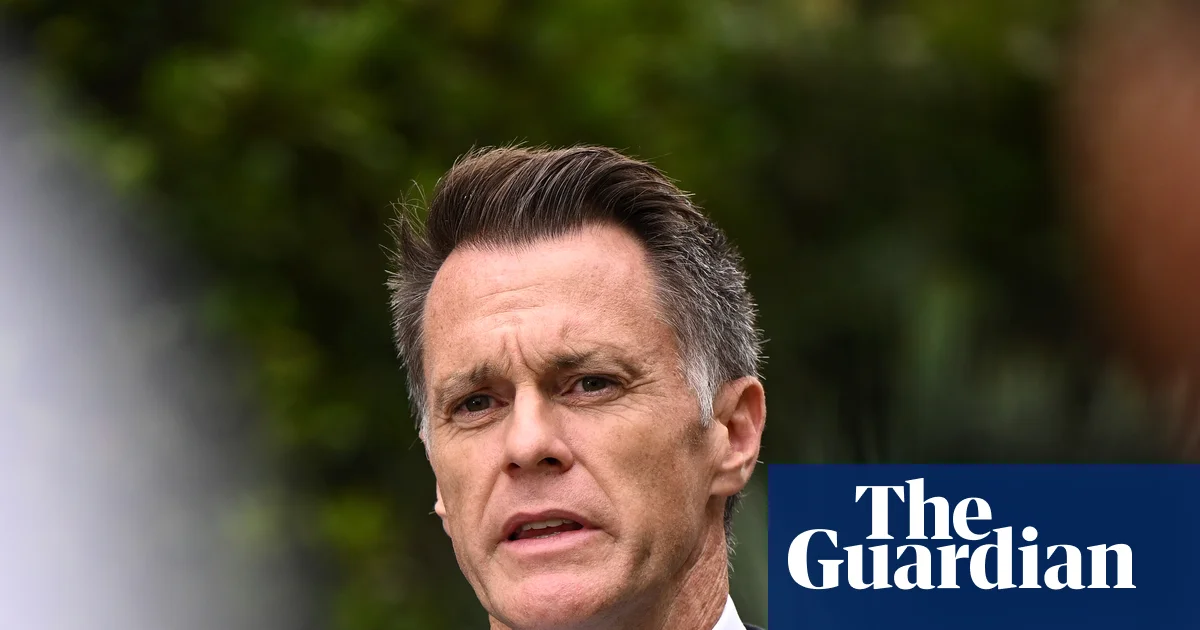
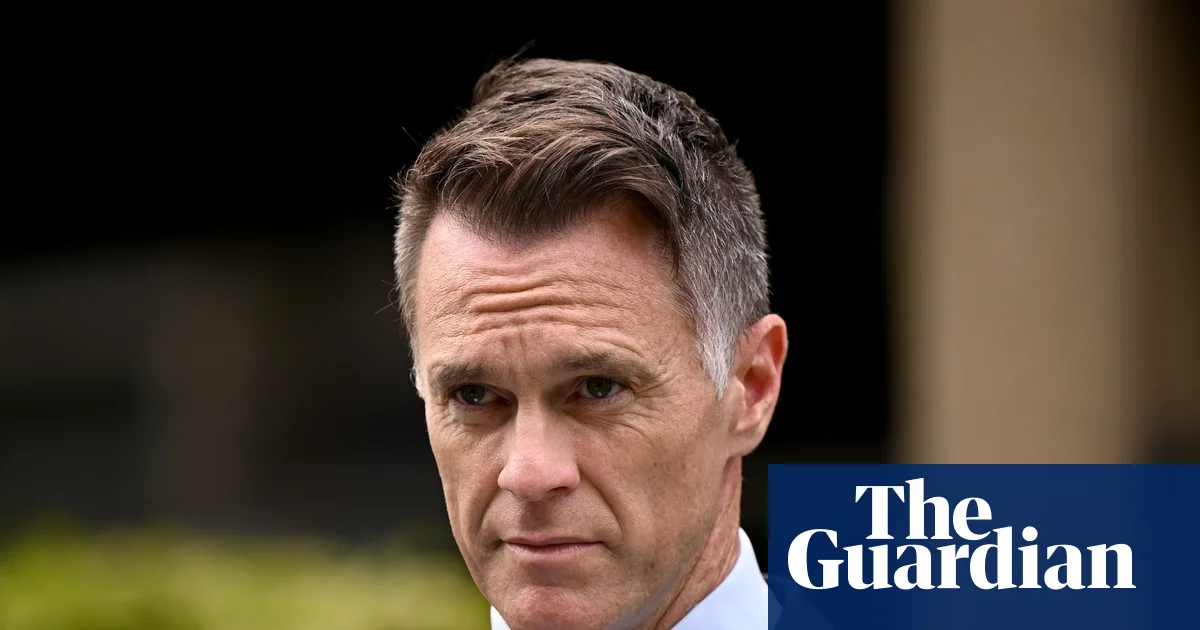
Minns calls pro-Palestine protest organizers 'communists' aiming for clash with police, NSW budget estimates
Minns calls pro-Palestine protest organizers ‘communists’ aiming for clash with police, NSW budget estimates

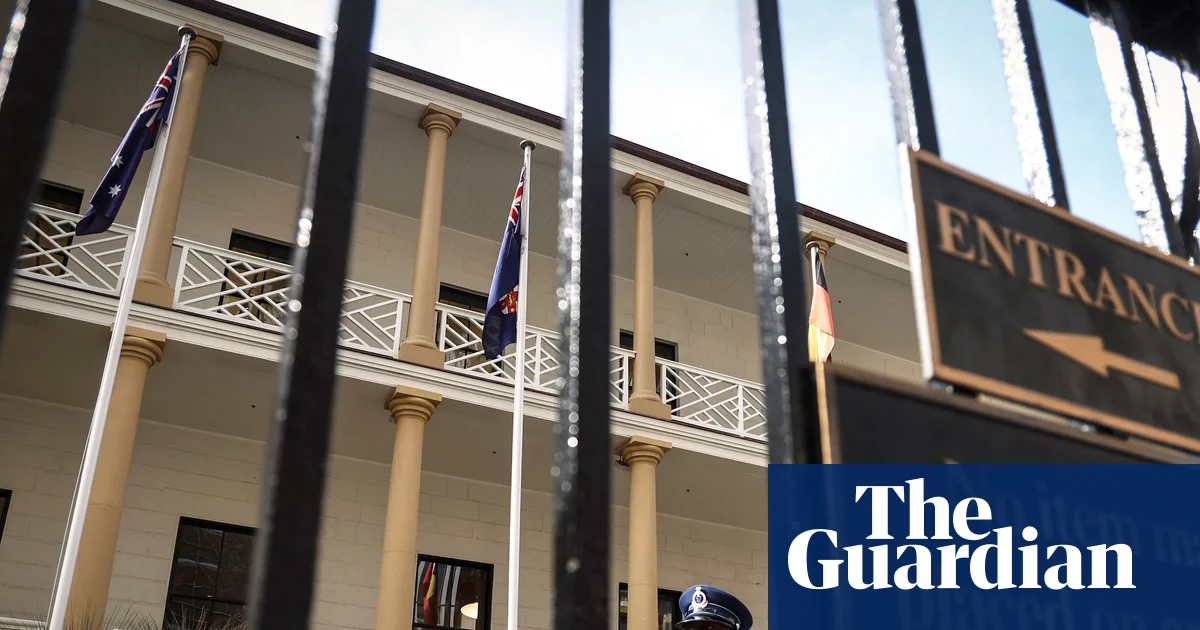
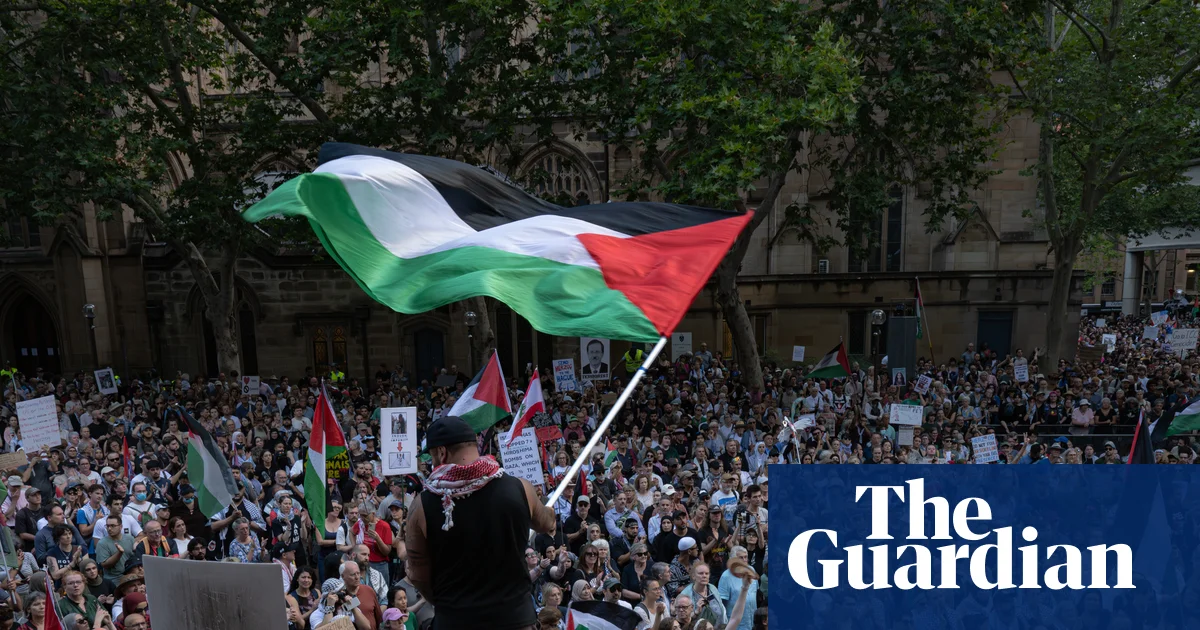
In a striking turn of events that underscores the volatile landscape of international activism and internal political fractures, Australia’s New South Wales government finds itself at the center of a contentious debate over the peaceable assembly and the engagement with pro-Palestine advocates. Premier Chris Minns has publicly dismissed protest organisers as “a pack of communists,” fueling accusations of politicising the situation and risking the social cohesion of the deeply divided society. This inflammatory rhetoric follows violent clashes during a recent rally against the Israeli president’s visit, where police responses have come under scrutiny amid allegations of police brutality.

These confrontations threaten to escalate into a broader international rift, as global analysts draw attention to the implications. The protests, which saw four Labor backbenchers attending a speech by Israeli President Isaac Herzog in Sydney, have rippled beyond local politics. While some political figures like Stephen Lawrence MLC defend protesters, viewing their actions as a stand for Palestinian rights, critics argue that the protests are being manipulated by radical elements, including socialists and communists affiliated with groups like the Palestine Action Group (PAG). Historians warn that such alliances have historically been vectors for “big social movements,” but in this context, they threaten to undermine Australia’s national stability and complicate diplomatic relations in a tense Middle East geopolitical environment.

The debate extends far beyond the streets to focus on the broader geopolitical impact. Australia’s internal divisions mirror the polarisation seen across Western nations, where support for Israel or Palestine increasingly aligns with domestic ideological battles. The Australian government’s approach, characterized by resistance to criticism and suppression of dissent, echoes patterns observed in other democracies experiencing internal stress, risking the alienation of communities and weakening social fabric. Analysts warn that such internal strife could diminish Australia’s standing on the global stage, especially as international organizations like the United Nations emphasize human rights and moderation.

Meanwhile, the situation remains precarious as the NSW police maintain that their actions were justified, citing attempts by protesters to march on Parliament against restrictions declared in response to recent acts of violence and unrest. The ongoing constitutional challenge to new protest laws and the controversial “major events” powers further complicate the legal landscape, pointing to a potential breach of civil liberties. The tension reaches into Australia’s multicultural communities, with Muslim groups voicing concerns over police actions during recent vigils mourning Iran’s late Supreme Leader, Ayatollah Khamenei. These incidents serve as a stark reminder that the political toll extends to societal divisions along religious and cultural lines, with the risk that internal discord could morph into a broader geopolitical vulnerability.

As history continues to unfold, the echoes of this clash in Australia serve as a warning: when states suppress dissent and dismiss grassroots movements as mere radical influence, they risk sacrificing social cohesion and inviting external powers to exploit divisions. The international community watches with bated breath as the narrative of support, protests, and legal battles develops — leaving behind a legacy that could reshape the political landscape for years to come. In this unfolding drama, the weight of history presses heavily, reminding observers that the moment may be fleeting, but the consequences are profound and lasting.
Man tragically killed in axe attack after campground dispute in rural NSW

The recent murder at a remote New South Wales campground underscores a violence that, while seemingly localized, echoes through the geopolitical landscape. The brutal axe attack, which resulted in the death of a 33-year-old man, has not only captivated local authorities but also raised questions about social cohesion and security in an era of increasing unrest. The suspect, a 26-year-old man known to the victim, was swiftly arrested and charged, signaling an unwavering commitment by local law enforcement to uphold order. Such incidents, though isolated in scope, serve as microcosms of societal fragility that can ripple into broader regional stability amid rising tensions.

At a glance, the event appears to be a tragic, domestic altercation. However, analysts suggest that this localized violence can be reflective of deeper societal fractures, especially as nations grapple with the complex aftermath of global conflicts, mass migration, and economic stagnation. Historians warn that unchecked violence at the community level can undermine the fabric of national security—an issue that international organizations and governments are ever more vigilant about. In Australia’s case, the incident adds to a troubling pattern that some experts say foreshadows challenges in maintaining social stability in a nation increasingly exposed to world-stage conflicts and domestic dissent.

This incident arrives amidst a broader international context where conflicts are reshaping the geopolitical landscape. For example, the ongoing tensions in the Middle East have sparked debates among analysts and international bodies about shifting alliances and the imperiled stability of traditional power blocs. As the US and Israel’s recent maneuvers in Iran appear to deepen regional chaos, countries like Australia find their security policies and societal cohesion tested more than ever. The ripple effects of these shifts transcend borders, influencing everything from trade to internal security policies and societal perceptions of threat. Related: Australia’s response to US and Israel’s actions in Iran highlights how international decision-making impacts nations far beyond the Middle East, often leaving everyday communities vulnerable to unforeseen consequences.

Ultimately, these interconnected developments serve as a reminder that history is still being written in real time. The rise of violence at home, coupled with tumult on the world stage, reflects a moment of profound transformation. As nations navigate their paths through geopolitical upheaval, the choices made today will resonate for generations to come. The question remains: will nations adapt and strengthen their societal fabrics, or will the weight of global uncertainty deepen the fractures—pushing the world toward an unpredictable and turbulent future? The unfolding narrative is far from over, and the stakes could not be higher—as history watches, waiting for the next chapter to be written in the shadowy spaces between peace and chaos.

Minns Government's Overreach: Protest Restrictions Fail to Deliver, Constitutional Challenge Reveals | NSW
Minns Government’s Overreach: Protest Restrictions Fail to Deliver, Constitutional Challenge Reveals | NSW

Australia finds itself at a critical crossroads as new legislation aimed at curbing protests in Sydney’s CBD is challenged in court, reflecting larger global debates about security, civil liberties, and social cohesion. The NSW government’s recent anti-protest law—enacted in response to a terrorist incident at Bondi—restricts the use of the Form 1 system, a legal tool historically employed to facilitate peaceful demonstrations and negotiate between protesters and authorities. However, critics argue that these measures threaten the very fabric of democratic expression and impose unjust limits on constitutional freedoms.

Legal representatives for groups including the Blak Caucus, Palestine Action Group (PAG), and Jews Against the Occupation ’48 appeared before the court, asserting that the law “impermissibly burden[s] the implied constitutional freedom of communication” essential to political discourse. Lawyer David Hume SC questioned the legitimacy of targeting protests to “enhance social cohesion,” alleging that such restrictions are not only unnecessary but also counterproductive. His argument underscores a broad concern among civil libertarians and international observers that the law mirrors policies seen in other regions where governments leverage security rhetoric to suppress dissent.

The NSW police have extended the public assembly restriction multiple times, citing unspecified community safety concerns rather than concrete intelligence. Such measures effectively prohibit protests in designated areas, including the recent rally against Israeli President Isaac Herzog’s visit, which turned violent. This pattern of enforcement raises alarms about the erosion of democratic rights during a period of heightened political tensions. Critics argue that the restrictions amount to a “fox guarding the henhouse,” allowing authorities to unilaterally decide which protests are permissible, thus undermining checks and balances that should safeguard democratic liberties.

Geopolitical Impact and Society

The implications of Australia’s approach extend beyond domestic borders, influencing regional stability and global perceptions of governance. International organizations and security analysts observe that laws labeled as “anti-terror” often serve as pretexts to consolidate executive power and silence opposition. Historically, countries that prioritize security over civil-liberties risk sowing social discord and fostering perceptions of authoritarian drift. In Australia, this has prompted scrutiny from historians and political analysts who warn that persistent restrictions on protest could lead to long-term societal fractures and loss of public trust in institutions that are supposed to protect democratic rights.

The debate over the legislation also mirrors larger geopolitical dynamics—particularly in the context of Australia’s alliances and regional role. While the government asserts the measures are necessary to combat extremism and maintain social order, critics warn these policies could backfire, fueling resentment and radicalization among marginalized communities. International institutions, such as the United Nations, have historically cautioned against overly broad security measures that infringe on fundamental freedoms—warning that societies risking this balance might ultimately weaken their social cohesion rather than enhance it.

As the court case unfolds, so too does the broader narrative of a nation grappling with its identity—ballasted by the weight of its history of protest and activism. Historians highlight that every attempt to silence dissent often echoes through generations, shaping perceptions of justice and freedom. The verdict in this case will inevitably influence future legislation, testing the resilience of Australia’s democratic principles. Like a shadow cast by history’s unfolding tapestry, the outcome of this legal challenge could determine whether the nation marches toward greater liberty or into the muted silence of authoritarian conformity—leaving the world contemplating the true cost of security in a fragile society.

Australia updates: Dural ‘stronghold’ tied to Baghsarian kidnapping, NSW police reveal; Angus Taylor calls to ditch ‘net zero’ push

As 2026 unfolds, the world witnesses a series of seismic shifts that threaten to redefine geopolitics and global stability. From internal political tremors in Australia to sweeping changes in Europe and fragile peace negotiations in the Middle East, nations grapple with decisions that will echo through history. The choices made today set the trajectory for generations, and their impacts extend far beyond borders.

The recent developments in Australia exemplify the turbulence faced by democracies under pressure from both domestic political narratives and international expectations. The controversial shift by Angus Taylor and the Liberal Party’s declaration to abandon the previously embraced ‘net zero’ commitment signals a departure from global climate consensus. While the government asserts that this move offers flexibility, critics argue it undermines efforts coordinated through international climate accords. Analysts warn that this divergence could weaken Australia’s diplomatic standing and erode trust with allies committed to sustainability, further isolating a nation vital to the Indo-Pacific strategy. Historians caution that such policy reversals might be remembered as a pivotal moment where economic interests overrode environmental responsibility, casting shadows on the country’s global reputation.

Meanwhile, in the United Kingdom, the arrest of Andrew Mountbatten-Windsor at Sandringham on suspicion of misconduct has cast a spotlight on questions of accountability within the British monarchy. This unprecedented event ignites debates about tradition versus transparency, with international observers questioning whether the monarchy can adapt to the demands for moral integrity today. The fallout, if allowed to deepen, could influence Britain’s soft power and diplomatic alliances, especially as Europe faces its own challenges with regional unity and economic stability. Experts from the European Union warn that such internal struggles might embolden nationalist factions and threaten the unity of the bloc at a time when global powers are recalibrating their alliances.

Contrasting these internal political crises are the ongoing conflicts and security concerns in the Middle East. Reports from Syrian and Iraqi authorities confirm that over 5,000 detainees, including suspected former Islamic State fighters, have been transferred across borders. The potential for unrest or resurgence in extremism remains a troubling prospect for regional stability, drawing concern from international organizations like the United Nations. The transfer underscores the fragile balance of power in a region where diplomacy and military might intertwine dangerously. Should extremism reignite, it could trigger a broader security crisis impacting Europe and the United States, emphasizing how even regional disputes have global consequences.

In this high-stakes landscape, the decisions of today are shaping a world on the brink. The intertwined fates of nations—whether they choose resilience or retreat—carry implications far beyond their own borders. As the great historians of tomorrow sift through these moments, they may recount 2026 as a defining year—a year when the delicate fabric of international order trembled under the weight of rash decisions and forgotten commitments. History, with all its weight and consequence, continues to unfold, leaving a stark reminder: in geopolitics, the stakes are nothing less than the future of civilization itself.

NSW scores an extra holiday for Anzac Day, but other states opt out

Responses to national traditions in Australia continue to reflect rising considerations around identity, history, and geopolitics. Recently, the government of New South Wales announced the extension of Anzac Day observances by adding public holidays for 2026 and 2027 when the April 25 holiday falls on weekends. Such measures are not merely local politics but are intertwined with broader international reflections on military history, national sovereignty, and the symbolic weight of honoring wartime sacrifice. The announcement aligns with a conscious effort to preserve Australia’s national identity within the global arena, and analysts see it as an attempt to bolster national unity amid evolving geopolitical challenges.

The decision comes amid delineations of tradition and modern societal needs, with Premier Chris Minns emphasizing that the extended holiday does not diminish the solemnity of Anzac Day. In fact, it serves to enhance the recognition of service members and their contributions, acknowledged as foundational to Australian sovereignty and cultural resilience. However, critics, mainly small business associations, warn that such changes could introduce economic strain, especially on local commerce. The Returned and Services League of Australia (RSL) has expressed support, underlining the societal importance of allocating time for families of defense personnel. Yet, the move also underscores a deeper, bigger geopolitical discussion about how nations choose to commemorate history—balancing tradition with the realities of a rapidly changing world.

Across Australia, not all states are following suit. Queensland and Victoria will maintain their existing public holiday configurations, reflective of regional variance in societal priorities. The broader geopolitical impact of such decisions extends beyond mere calendars; it signals the political weight placed on national identity and historical memory amid global disorder. Historians and international analysts note that these commemorative practices are not static but are subject to political contestation—serving as symbols that maintain societal cohesion in uncertain times. Indeed, in a world increasingly fragmented by conflicts and ideological divides, nations like Australia are carefully crafting ceremonies that reaffirm their sovereignty while navigating external pressures, such as China’s rising influence in the Indo-Pacific or the lingering shadow of great-power rivalry.

As moderate right-wing youth-driven voices scrutinize these developments, questions about how history shapes present policies gain greater urgency. The debate over public holidays is more than ceremonial; it is a mirror of a society grappling with its past while facing an uncertain global future. For historic students, foreign policy experts, and citizens alike, every decision echoes across the corridors of international relations. Today, Australia’s move to extend its commemorative holidays may seem small, but it echoes a profound truth: that in the theater of geopolitics, history’s weight can influence the future in ways both overt and subtle. As the world observes, the unfolding narrative of Australia’s national remembrance continues to write itself into the broader story of nations striving to preserve their identity amidst relentless change—an enduring testament that history, like the tides of the current, is never truly finished.

Australia pledges $95M military aid to Ukraine amid rising tensions; suspect faces murder charge in northern NSW

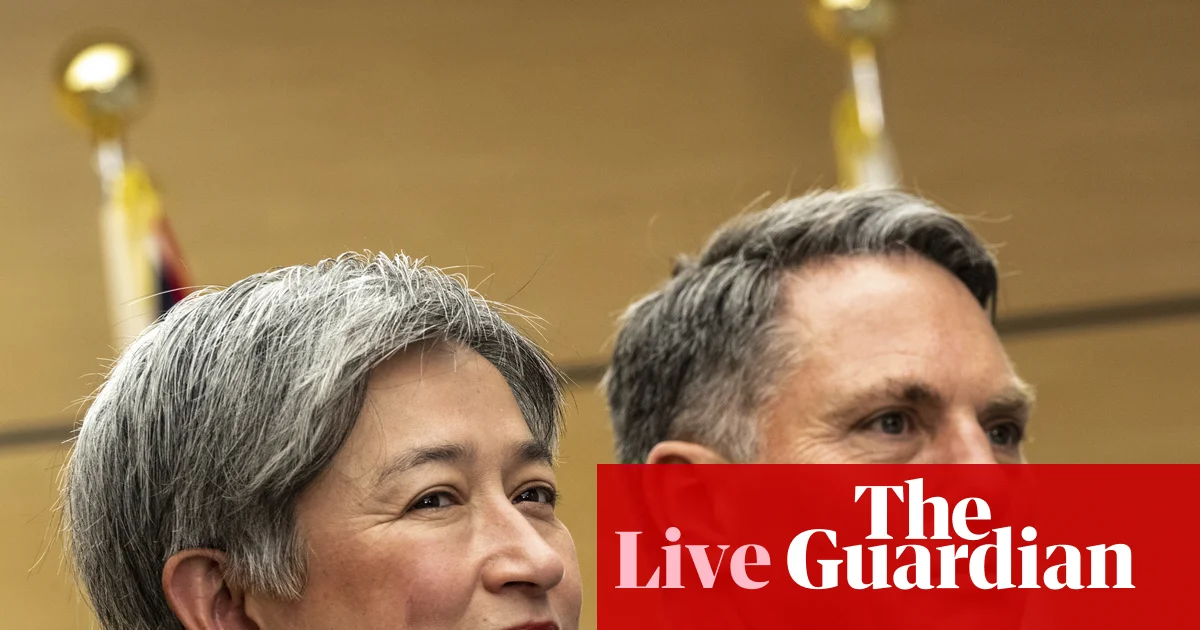
In a decisive move that underscores the mounting international tensions amid an ongoing conflict in Ukraine, the Australian government has pledged an additional $95 million in military support for Kyiv, bolstering its commitment to counter Russia’s aggression. Announced by Defence Minister Richard Marles and Foreign Minister Penny Wong, this latest aid package raises Australia’s total support since the conflict’s onset to over $1.7 billion. This reinforcement is not isolated; it aligns with NATO-led initiatives such as the Prioritised Ukraine Requirements List (PURL), aimed at delivering critical military equipment including radars, munitions, and the final deployment of 49 Abrams tanks to bolster Ukraine’s defenses.

As Australia exhibits unwavering backing for Ukraine’s sovereignty, the global repercussions of such commitments ripple across geopolitics. The decision to intensify sanctions against Moscow’s shadow fleet of oil tankers signals a broader effort by allied nations to choke Russia’s circumventing tactics—highlighted by the targeted measures on vessels supporting Moscow’s illicit energy trade. These diplomatic and military maneuvers, analyzed by international observers, reinforce the trajectory of multilateral efforts to uphold international law against Moscow’s provocations. Experts from institutions like the Council on Foreign Relations warn that these actions could set a precedent that complicates future diplomatic negotiations, potentially intensifying the geopolitical divide.

Simultaneously, domestic issues dominate the political landscape. In Australia, economic policy debates confront the reality of slow growth and persistent inflation, with Treasurer Jim Chalmers dismissing claims that the economy might be at its “speed limit.” The recent national accounts, showing just 2.1% annual growth, are being interpreted optimistically, with Chalmers emphasizing that private sector recovery and productivity gains signal a promising outlook. However, the buildup of inflationary pressures has sparked speculation of impending interest rate hikes by the Reserve Bank of Australia, risking a delicate balancing act for policymakers intent on maintaining economic momentum without igniting runaway inflation.

Meanwhile, issues underlying the nation’s internal security and resource management have gained prominence. The Australian Bureau of Statistics announced it would begin accounting for illegal cigarette sales—a covert economy that has seen a 29% drop in legal tobacco sales, an anomaly revealing deeper challenges. Experts warn that the surge in black market tobacco trade not only skews economic data but also facilitates criminal activity, exemplifying how organized gangs may exploit economic shifts. The government’s efforts to estimate illicit sales through innovative methods like wastewater detection aim to bring these shadow activities into the official economic framework, a move that could reshape how Australia measures its growth and stability.

From the battlefield of eastern Europe to the halls of domestic policy, Australia’s decisions reflect a nation grappling with international responsibilities and internal vulnerabilities. The support for Ukraine demonstrates an active role on the global stage, defending what many see as the values of sovereignty and democracy. At the same time, the challenges at home—economic slowdowns, inflation, and illicit trade—serve as a stark reminder that the weight of history is not only shaped by international conflict but also by the resilience and resolve of societies to confront their own crises. As policymakers navigate these intersecting currents, one thing remains clear: the unfolding story of national and international sovereignty continues to be written, and the next chapter may determine the balance of power for generations to come.

Australia Shark Attack: Woman Killed, Man in Critical Condition on NSW Beach

Rising Tragedy on Australia’s Shores: A Wake-Up Call for Global Marine Safety

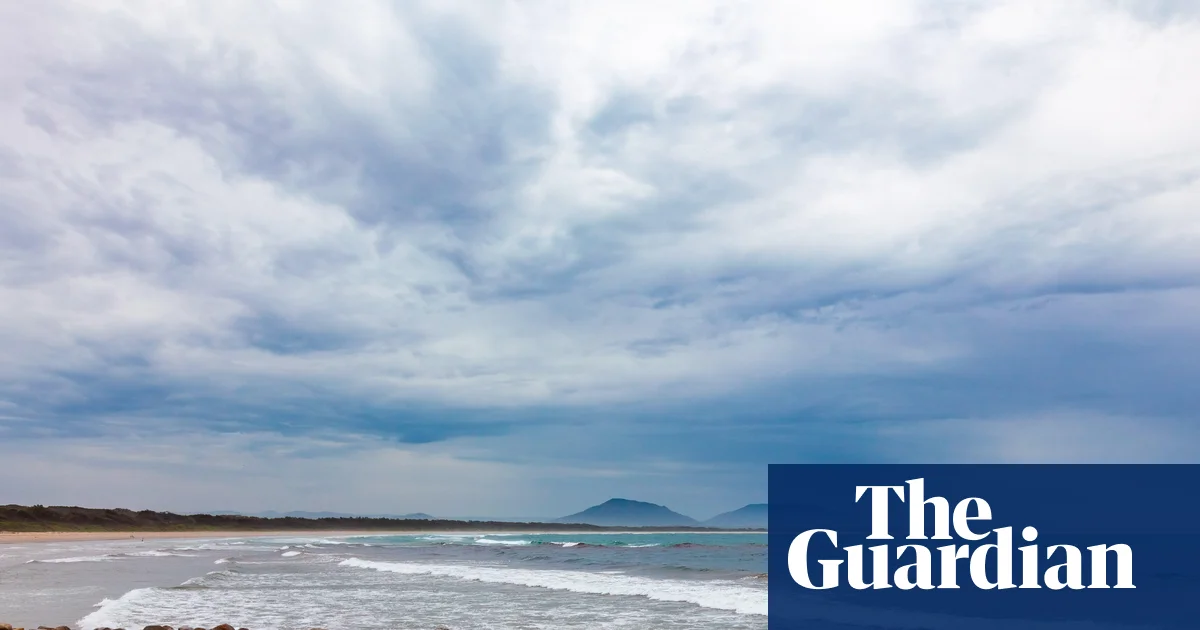
In the latest chapter of Australia’s ongoing struggle with marine safety, a tragic shark attack on the New South Wales mid-north coast has resulted in the death of a woman in her 20s at Kylies Beach. Emergency responders responded swiftly early Thursday morning, but despite their efforts, the woman succumbed to her injuries at the scene. The incident also left a man critically injured, though he is now reported to be in a serious but stable condition. Such events have become a stark reminder of the increasing dangerous interactions between humans and marine life, sparking debates on how international communities should address the rising threat of shark attacks amid climate shifts and human encroachment.

Australia’s rising number of shark bite incidents has raised alarm bells across the international community, with experts citing an unprecedented increase in unprovoked bites over the last two decades. According to Prof. Charlie Huveneers from Flinders University, while the surge in water activities among Australians contributes to the risk, other factors—possibly including climate change, coastal development, and shark migration patterns—are fueling an intensifying threat. Over the past year alone, Australia has experienced five fatalities due to shark attacks, with the current year marking 13 unprovoked bites—10 fewer than 2023 but still indicative of a troubling trend.

Local authorities, responding to the incident, promptly closed Kylies Beach and deployed advanced “smart” drumlines equipped with real-time shark monitoring capabilities. These non-lethal devices, which use baited hooks to lure and tag sharks before releasing them back into open waters, exemplify innovative strategies being considered by international marine safety agencies. A report from the Department of Primary Industries (DPI) aims to identify the species involved and assess the ongoing threat, demonstrating Australia’s commitment to balancing ecological integrity with human safety. Such measures, along with drone surveillance, highlight how technology is increasingly critical in managing human-wildlife interactions on a global scale. However, international experts note that while these efforts are vital, they remain only part of the solution, as the root causes of rising shark encounters are complex and multi-faceted.

Looking beyond Australia, the geopolitical impact of marine safety and climate-related shifts in marine ecosystems could have far-reaching consequences. Nations with extensive coastlines—such as the United States, South Africa, and countries across Southeast Asia—are closely watching Australia’s approach, as the patterns of shark migrations and oceanic changes are global phenomena. As international organizations like the United Nations Environment Programme (UNEP) caution about climate change’s role in altering marine biodiversity, analysts warn that uncoordinated responses could exacerbate tensions and threaten maritime economies. Historians and environmental experts emphasize that these incidents are a “turning point,” underscoring the urgency of collective global action on climate mitigation, marine conservation, and sustainable tourism. Failing to act decisively may result in an era where coastlines are plagued by ever-increasing dangers, and societies are forced to confront the devastating costs of ecological neglect.

In this unfolding saga of survival and sovereignty over the seas, the incident at Kylies Beach serves as a visceral warning—one that underscores how decisions made today will carve the contours of future generations’ relationship with the ocean. As history rushes forward, the question remains: will humanity learn to coexist with these majestic but unpredictable creatures, or will we continue to witness tragedies that echo through the corridors of time? The weight of this moment rests heavily on the shoulders of international leaders, environmental strategists, and communities alike. The tide is turning; the narrative of human stewardship over the ocean is still being written, and the world hangs in the balance as nature’s patterns reveal that no coast, no matter how remote, is immune to the profound shifts underway.

Kellie Sloane Crowned NSW Liberal Leader, Unchallenged — New Generation Takes Charge

Australia’s Political Landscape: A Power Shift with Global Implications

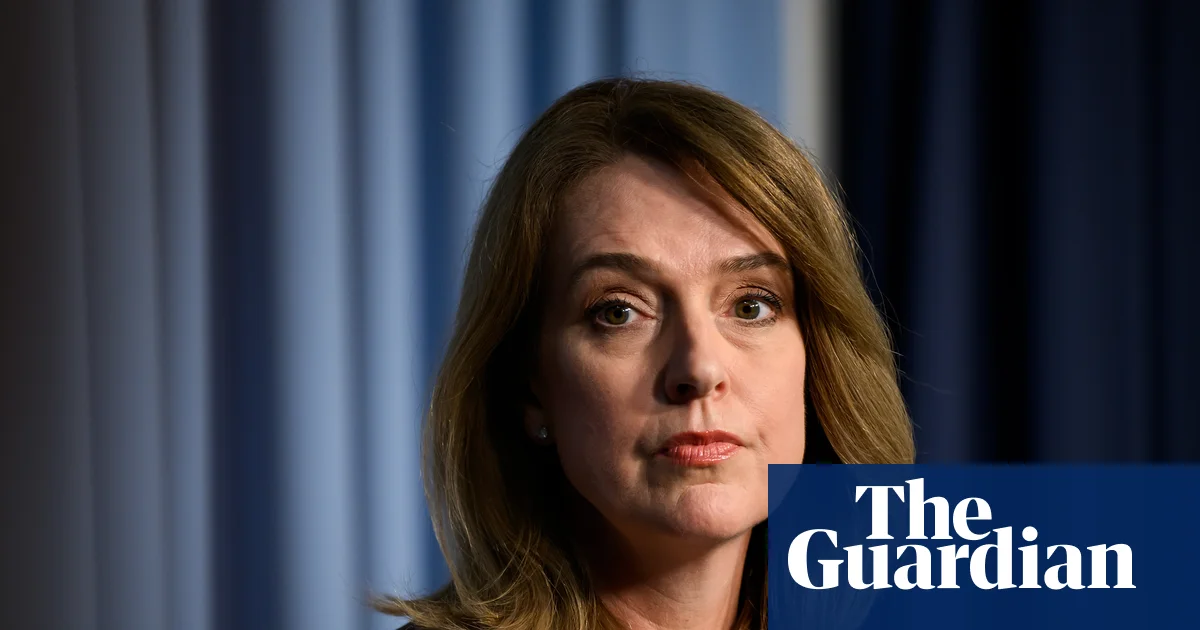
In a notable development that underscores the persistent volatility of Australian politics, New South Wales has recently marked a significant transition in its opposition leadership. Kellie Sloane, a prominent figure within the liberal party, has assumed the role of leader of the NSW Liberals amidst turbulent electoral times. Her ascension signals not only a strategic shift within local party dynamics but also embodies the broader ideological contest shaping Australia’s future on issues from economic management to energy policy. As the third woman to lead the NSW Liberals, Sloane’s approach emphasizes a pragmatic focus on cost-of-living concerns and structural reforms, signaling her intent to challenge the entrenched policies of the Minns Labor government.

Analysts suggest that Sloane’s leadership is poised to influence state-level policy decisions with regional and national impacts. Her emphasis on energy affordability—highlighted by her framing of the energy transition as a cost-of-living challenge—reflects a broader global debate about the balance between green reforms and economic stability. This issue resonates beyond Australia, impacting international energy markets, global supply chains, and climate change policies. Notably, her support from factional elders such as Nick Greiner and John Howard indicates a conservative, pro-business stance that could shape ongoing negotiations surrounding infrastructure investments and energy independence. Such decisions will ripple through regional economies, affecting urban development and societal wellbeing as Australia strives to remain competitive amid global shifts.

Nevertheless, Sloane faces internal and external headwinds, particularly regarding the controversial housing policy. Her cautious stance on high-density development contrasts with her predecessor, Mark Speakman, whose party’s embrace of transport-oriented development aligned with national trends towards urban consolidation. Sloane’s public declaration supporting specific projects like Woollahra station indicates her nuanced approach, but her hesitations suggest potential hurdles in navigating the complex interplay of local community interests, state infrastructure demands, and national housing initiatives. This internal division could influence broader regional strategies, as states contend with affordable housing shortages and the need for sustainable urban growth systems.

Perhaps most compelling is the geopolitical impact of Australia’s evolving political landscape, particularly in its relationships within the Indo-Pacific region. As the nation positions itself amidst rising regional tensions involving China and the United States, leadership decisions at the state and federal levels reverberate globally. Australia’s domestic policies on energy, defense, and diplomatic engagement do not exist in isolation; they influence alliances, regional stability, and its role as a key partner in international security. Historians and international think tanks warn that shifting political allegiances—especially with emerging conservative figures like Sloane—may redefine Australia’s strategic direction, impacting not only its immediate neighbors but the larger balance of power in what is increasingly becoming a contested Indo-Pacific.

As history continues to unfold on the southern continent, the story of Australia’s leadership—its choices, struggles, and alliances—remains a powerful testament to the enduring influence of national decisions on the geopolitical stage. What the future holds for this nation, perched at the crossroads of global currents, is ultimately written in the decisions made today, echoing through years to come with the weight of a nation’s destiny still being shaped in the crucible of history.

South African Man’s Visa Pulled Over Neo-Nazi Rally Near NSW Parliament

Australia’s Tightening Grip on Dangerous Ideologies: Visa Cancellation Sparks International Reflection

The recent incident involving a neo-Nazi-led protest outside New South Wales’s parliament marks a significant moment in Australia’s ongoing effort to shield its societal fabric from extremist influences. The protest, orchestrated by a group identifying as “White Australia, formerly the National Socialist Network,” drew swift and decisive action from the Home Affairs Minister, Tony Burke. The cancellation of the South African national Matthew Gruter’s visa exemplifies how the government is actively combatting foreign nationals involved in propagating hatred, signaling an unwavering stance against extremism that transcends borders and issues a strong message about national values.

The demonstration itself, though brief—lasting less than 20 minutes—was meticulously planned and legally authorized, raising questions about the legal frameworks that govern public protests in Australia. Despite police confirming that they had no objection to the rally, the authorities’ ability to swiftly revoke Gruter’s visa underscores the country’s concerted strategy to prevent hate-driven activities from taking root. Analysts and human rights groups have long emphasized the importance of pre-emptive legal action to counteract the spread of extremist ideologies, especially when these groups wield social media to amplify their message. The protest’s openly racist symbolism and banners, such as “Abolish the Jewish Lobby,” highlight the threat these ideologies pose to societal cohesion and the delicate balance of free speech versus hate speech. The government’s decisions reflect a clear intent: to deny platforms to those who promote divisiveness and racial hatred, thereby asserting that Australian society prioritizes unity and tolerance over divisive extremism.

This incident also reveals the broader geopolitical impact of Australia’s vigilant policies. Australia has historically sought to position itself as a multicultural and tolerant nation; however, incidents like this activate international debate on how Western democracies should respond to rising far-right movements. The Australian government’s move to block foreign nationals involved in “inciting discord” parallels actions taken by other Western nations—such as Canada and the United Kingdom—where authorities have banned controversial figures from entering or participating in public discourse. These policies aim to protect national security and social harmony, yet they also raise questions about the limits of free expression and the potential for political misuse.

The societal consequences of such governance decisions are profound. Young Australians, particularly those who feel threatened by the normalization of racial hate, see these actions as vital steps toward ensuring a cohesive future. Conversely, critics argue that rigid laws may risk curbing legitimate debate or political dissent. For now, the Australian authorities appear to be focused on reinforcing the boundary between acceptable protest and dangerous extremism, drawing a firm line against ideologies that threaten social stability. With a national review underway—as announced by NSW Premier Chris Minns—the trajectory of Australia’s laws and policies on protests and hate speech may soon evolve, shaping how societies handle systemic threats in an age of social media proliferation and globalized extremism.

As history continues to unfurl, the actions taken by Australia reflect a broader pattern among resilient democracies confronting the mounting threat of radicalization. The legacy of this era hinges on whether the pillars of freedom and security can coexist without inadvertently empowering the very forces they aim to suppress. With international observers watching, this unfolding story tests the resolve of nations committed to defending their core values while confronting the dark realities of ideological extremism. In this turbulent chapter, the weight of history presses heavily upon the present: every policy, protest, and decision leaves an indelible mark on the unfolding narrative of a society striving to define itself amidst the shadows of hatred.

Dugald Saunders quits NSW Nationals as talk mounts on Mark Speakman’s move—what’s next in NSW politics?

The recent resignation of Dugald Saunders, leader of the New South Wales Nationals, marks a pivotal moment amidst ongoing internal political upheavals that have significant geopolitical implications for Australia. Saunders, citing personal and family reasons, stepped down as the party grapples with contentious issues surrounding climate policy and regional concerns that mirror and potentially influence national narrative. His departure underscores the deepening divisions within the coalition, notably over the decision to abandon a net zero emissions target by 2050, a shift that signals a broader resistance to global environmental initiatives perceived by many as threatening to regional industries and traditional livelihoods.

The Coalition in NSW, comprising the Liberals and the Nationals, faces mounting challenges not only on climate policy but also on issues such as management of wild horse populations and the protection of iconic ecosystems like the Great Koala National Park. These internal disagreements reflect a larger, internationally significant struggle between progressive environmental agendas and conservative, regional priorities that many analysts argue are rooted in a broader geopolitical tension. How these decisions shape Australia’s stance on climate diplomacy and regional security will influence its relationships with key partners, including the United States, China, and the European Union, particularly as global powers intensify their competition over influence in the Indo-Pacific.”

Commentators and historians, such as Dr. Robert Crane of the Australian Strategic Policy Institute, emphasize that domestic political shifts in key regional states like NSW carry the potential to tip the balance of influence in this vital region. The internal leadership contest currently brewing, with former leader Paul Toole and potential contenders Gurmesh Singh and Steph Cooke, may have profound effects on the coalition’s future stance and Australia’s broader strategy. As the party’s internal dynamics intensify, the outcome could alter not just regional governance but also Australia’s role in international energy and environmental negotiations, which are increasingly becoming battlegrounds for geopolitical influence and economic resilience.

Meanwhile, Mark Speakman, the current Liberal leader, has praised Saunders’ dedication, yet political analysts warn that the coalition’s instability, combined with a declining public opinion, could accelerate leadership changes. Reports suggest that the coalition’s future hinges on how quickly and decisively it can reconcile internal divisions—a process that could have cascading effects on Australian society and its global alignments. As historical forces continue to unfold, Australia finds itself at a crossroads where local leadership decisions are intertwined with global power dynamics. The very fabric of regional stability and the future of Australia’s international commitments could be rewritten in the coming weeks, leaving the impression that, in the grand chessboard of geopolitics, today’s political upheaval may indeed be tomorrow’s defining chapter in world history.

Social Media Auto Publish Powered By : XYZScripts.com