
Matox News

Truth Over Trends, always!

Parents of nursery abuse victims set to confront Bridget Phillipson on justice and safety

Recent revelations about the Bright Horizons Finchley Road Nursery incident have cast a stark light on the ongoing vulnerabilities within our societal structures dedicated to safeguarding children. According to Alison Millar, head of the abuse team at Leigh Day, investigations have only just begun, yet disturbing patterns have already emerged. Parents’ concerns over staffing practices, supervision lapses, and troubling interactions with children were reportedly ignored or inadequately addressed. These failures reflect a broader societal issue where systems entrusted with protecting the most vulnerable are faltering, with potentially devastating consequences for families, communities, and the moral fabric of our nation.

The case underscores how social issues intertwine with core institutions such as education and childcare, revealing cracks that often go unnoticed until tragedy strikes. The reactions from affected families highlight a sense of betrayal; they trusted these institutions to nurture and safeguard their children. When misconduct is overlooked or dismissed, it not only compromises child safety but also erodes parental confidence and community cohesion. Social commentators and sociologists like Charles Murray have long argued that institutional failures contribute to social disintegration, and incidents like this serve as painful reminders of the urgent need for reforms rooted in accountability and transparency.

Addressing these challenges requires a multifaceted approach.

  • Implementing rigorous background checks and ongoing staff evaluations
  • Fostering a culture of openness where concerns are promptly addressed
  • Empowering parents to participate actively in childcare oversight
  • Increasing community engagement and oversight to prevent institutional neglect

At the heart of these social issues lies a moral responsibility: to protect the innocence of childhood and foster environments where children can thrive without fear. Yet, societal shifts—such as diminished respect for authority, growing distrust in public institutions, and demographic changes—have complicated this mission. Historically, sociologists like Christopher Lasch have warned about the erosion of traditional community bonds, which are crucial for safeguarding children from harm. As these bonds weaken, communities face the peril of becoming passive spectators rather than active guardians.

Ultimately, this crisis compels us to reflect deeply on who society truly serves and how its moral commitments are upheld. Can we reclaim a shared sense of responsibility to protect our youngest members? As tragic as these incidents are, they present an opportunity—an urgent call to rebuild institutions, restore community trust, and reaffirm the moral duty we all bear. In this effort, there is an enduring hope: that societies grounded in vigilance, compassion, and steadfastness can forge a future where the safety and dignity of every child are sacrosanct and protected by collective resolve. The path forward demands courage, integrity, and a collective refusal to accept complacency—reminding us that the true strength of a society is measured by how it cares for its most vulnerable.

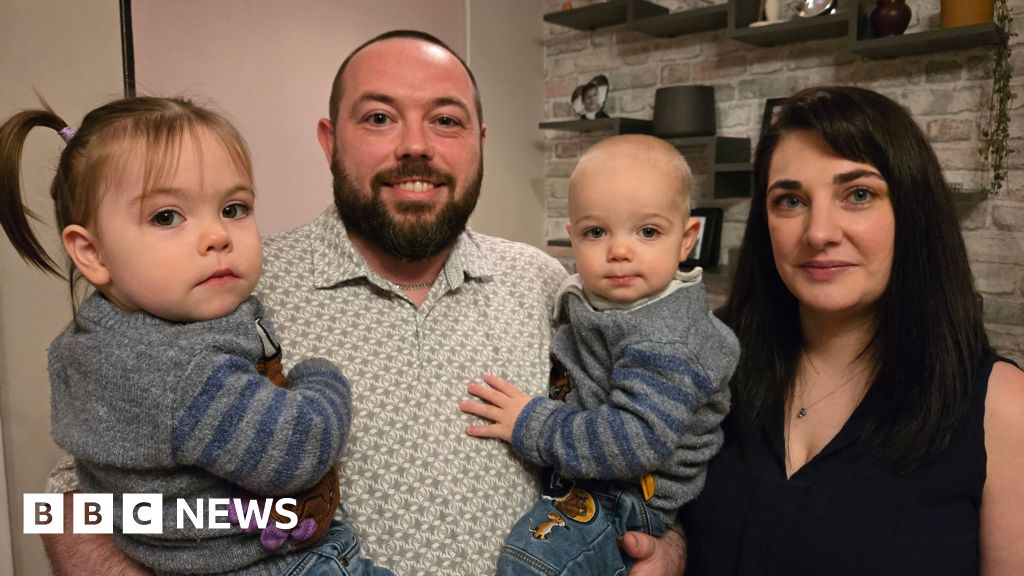
Parents Warn Society Ignored Early Signs Before London Nursery Worker Abuse Arrest

Protecting Society’s Future: The Imperative of Safer Childhood Environments

In recent months, the harrowing revelations about Vincent Chan, a nursery worker at a leading chain, have cast a stark light on systemic failures in safeguarding our most vulnerable citizens—children. The disturbing allegations that concerns raised by parents were dismissed, coupled with the perpetrator’s subsequent conviction for multiple sexual offenses against children aged only two to four, underscore the critical need to scrutinize and reform how society protects its innocent future. As sociologists such as Dr. David Finkelhor argue, the trust we place in institutions like nurseries is foundational to societal stability, yet failures in oversight threaten to unravel this trust entirely.

Behind closed doors, the innocence of childhood is being compromised, revealing unsettling issues in cultural attitudes towards safety and accountability. The case has revealed not only individual misconduct but also systemic lapses. Reports indicate that concerns voiced by parents—those who entrust their children to these institutions—were seemingly overlooked or dismissed. Alison Millar, legal representative for many affected families, expressed their profound disgust, recounting stories of children returning home with injuries or exhibiting behavioral issues, often blamed on inappropriate behavior by staff. Families are now questioning whether vivid signs of neglect or misconduct should have prompted earlier intervention. These concerns echo a broader social debate, highlighted by sociologists like Dr. Christopher Jencks, about the adequacy of current social safeguards and the prioritization of profit over children’s welfare amidst a climate of deregulated childcare services.

  • Questions about staff vetting procedures have emerged, especially relating to employees like Alison Whateley, who was recorded sharing her own admission of pedophilia before her arrest in 2017.
  • The case has prompted a governmental review, promising measures such as increased CCTV use within nurseries to prevent future atrocities.
  • Despite assurances, critics argue that such procedural reforms often lag behind the urgency of social needs, exposing children to ongoing risks.

In a society where familial bonds are the first line of defense, the failure of institutions to safeguard children under their care reverberates profoundly through families, educational systems, and communities. The moral fabric of society is tested as public confidence diminishes, and the sacred trust placed in caregiving institutions becomes frayed. As historian Carol Delaney notes, social cohesion depends heavily on collective moral responsibility, which must be renewed through transparent accountability mechanisms. The recent tragedy serves as a stark reminder that societal neglect not only endangers individual lives but threatens to erode the foundational structures that uphold community well-being. Moving forward, society must prioritize not only legislative reforms but also foster a cultural shift where safeguarding children is regarded as a moral imperative embedded deeply within our collective conscience.

Ultimately, the story of Vincent Chan confronts a society at a crossroads—a society that must decide whether to respond with complacency or with renewed vigour for justice and child protection. As communities remain haunted by the memory of ignored warnings and systemic failures, hope persists in the possibility of transformation. In the quiet strength of families, schools, and social institutions, there lies a steadfast promise: that a society capable of acknowledging its flaws can also be resilient enough to rebuild itself anew—where safety, dignity, and innocence are not just ideals but living realities for every child, in every home, and in every community. Society’s true legacy will be measured not by the failures we endure but by the unwavering resolve to forge a future where every child’s smile is safeguarded from harm, and every voice is heard when it cries for help.

Nursery faces £10K payout after toddler's first-day injury sparks debate
Nursery faces £10K payout after toddler’s first-day injury sparks debate

Society Confronts Child Safety Concerns and Erosion of Community Trust

Recent incidents underscore the profound social issues affecting our families and communities. A case from Aberdeen, where a one-year-old girl named Skye Tucker suffered a broken leg on her first day at Little Clouds Nursery, highlights ongoing challenges in safeguarding our most vulnerable. The nursery’s failure to prevent a fall from a changing table, amid reports of inadequate supervision and communication lapses, has sparked nationwide debate on the standards of child care and the societal values we uphold in caring for the next generation. This troubling event is a stark reminder that demographic shifts and cultural attitudes toward childhood safety are shaping the fabric of our society in ways that demand urgent reflection and action.

Historically, social commentators like sociologist Dr. Mary Jackson have stressed that the stability of families and trust in community institutions is foundational for societal health. When institutions like nurseries falter, the ripple effects extend far beyond individual families, impacting local communities and eroding the moral fabric that binds society together. As we navigate rapidly changing demographic landscapes and mounting societal pressures, questions emerge:

  • Are childcare providers maintaining the high standards necessary to ensure children’s safety?
  • Is there sufficient accountability for lapses in supervision?

These issues, while technical at first glance, ultimately target the moral obligation we have to safeguard the innocent and nurture a society where moral responsibility and human dignity take precedence over bureaucratic complacency.

The response from Little Clouds Nursery has included apologies and promises to improve safety through enhanced staff training and revised safety protocols. Yet, the trauma inflicted on Skye and her family lays bare the persistent challenges in enforcing standards. As parents like Kyle and Sheena Tucker articulate, ensuring accountability and transparency is vital for restoring trust and reinforcing the societal commitment to our children’s well-being. Sociologists such as Dr. Laura Chen contend that these incidents reveal a broader cultural need to rethink how society prioritizes childhood safety and community responsibility. The quest for reforms must hinge on fostering a moral culture that recognizes children not merely as statistics but as living spirits entrusted to our care, demanding the highest safeguards.

As society grapples with these issues, a poignant reflection rises: amidst stories of failure and regret, the hope remains that transformation is possible. Society’s challenge lies in cultivating an environment where families, institutions, and communities work in unison to uphold standards that reflect our deepest moral values. In this pursuit, the stories of children like Skye serve as somber yet potent reminders—calling us to renewal and renewed resolve. Perhaps, in facing our failures, society can forge a future where *every child is protected, and faith in our social institutions is restored*, forging a community rooted in moral integrity, compassion, and an unwavering commitment to the generations yet to come.

Youth Data Breach Sparks Outrage as Nursery Hackers Threaten to Release More Kids’ Profiles

In recent months, the digital age’s dark underbelly has revealed itself through distressing breaches that threaten the very core of family and community life. A shocking example involves the Kido nursery chain, where criminal hackers have taken personal data of young children and their families hostage. The criminals—calling themselves Radiant—hacked into a widely-used software platform called Famly, which is employed by over a million nursery and childcare organizations across the globe. They then posted profiles of 10 children—including pictures, birth details, and contact information—on the dark web, exposing vulnerable families to grave risks. This attack underscores how social issues rooted in cybercrime are impacting families, education, and local communities, showing a sinister new low of digital exploitation.

While the hackers’ motives are driven solely by greed, their actions have profound moral and societal consequences. Young children, who are the most innocent members of society, are now targets in a criminal ecosystem that disregards their safety. These breaches put families at risk of identity theft, online harassment, and other forms of cyber-violence, threatening the very sense of security that should underpin the nurturing environment of early childhood education. Sociologists like Dr. Susan Fiske highlight how such invasions erode trust in institutions meant to safeguard children—trust that is fundamental for healthy community development. In a society where the safety of our youth is compromised in the digital realm, the fabric of community cohesion weakens, and parents grow increasingly anxious about the environment their children are part of.

Adding to the moral outrage is the disturbing reality of criminal extortion tactics. Hackers have called individual parents threatening to release their children’s personales unless a ransom is paid, a tactic that only worsens the social toll. These acts of intimidation are not only illegal but also morally reprehensible, shining a harsh spotlight on how cybercriminals exploit the vulnerabilities of a digital society that often fails to fully protect its youngest members. Authorities, including the Met Police, have launched investigations but warn against paying ransoms, as this only fuels the cycle of lawlessness. Yet, the psychological and emotional impact on families—especially parents who feel helpless and betrayed—can have lasting effects that ripple across communities, hindering the social cohesion necessary for healthy societal growth.

The incident at Kido is a stark reminder that cybercrimes targeting community institutions demonstrate how technological vulnerabilities directly threaten our societal values. As social commentators warn, a society that cannot safeguard its most vulnerable from digital predators risks fragmenting its moral fabric. The challenge remains to develop resilient technological safeguards, bolster community awareness, and foster a moral stance that condemns such unethical exploitation. Ultimately, society’s resilience will depend on how well families, institutions, and governments work together to uphold safety and integrity in the digital age. The path forward involves not just technological fixes, but also a moral renewal—reaffirming that the safety of our children is a collective moral imperative, not a mere legal obligation.

As society faces these complex challenges, it becomes clear that the fight against cybercrimes is also a fight to preserve the moral backbone of our communities. The hope for tomorrow lies in the unwavering commitment to protect the innocence of childhood and to restore confidence in the institutions that nurture and educate future generations. Society’s strength will be measured not only by the technology it employs but also by the moral resolve to face its vulnerabilities with courage and integrity. In this struggle, society must remember that the true victory is not just in defeating the hackers but in reaffirming the moral dignity of a society that refuses to let its most vulnerable become collateral damage in a ruthless digital war. It is in this collective effort that hope resides—the hope that, someday, society will rise resilient, safeguarding its future in the digital dawn, ensuring that the innocence of childhood remains shielded from the shadows of a society still learning to conquer its own shadows.

Social Media Auto Publish Powered By : XYZScripts.com