Matox News

Truth Over Trends, always!

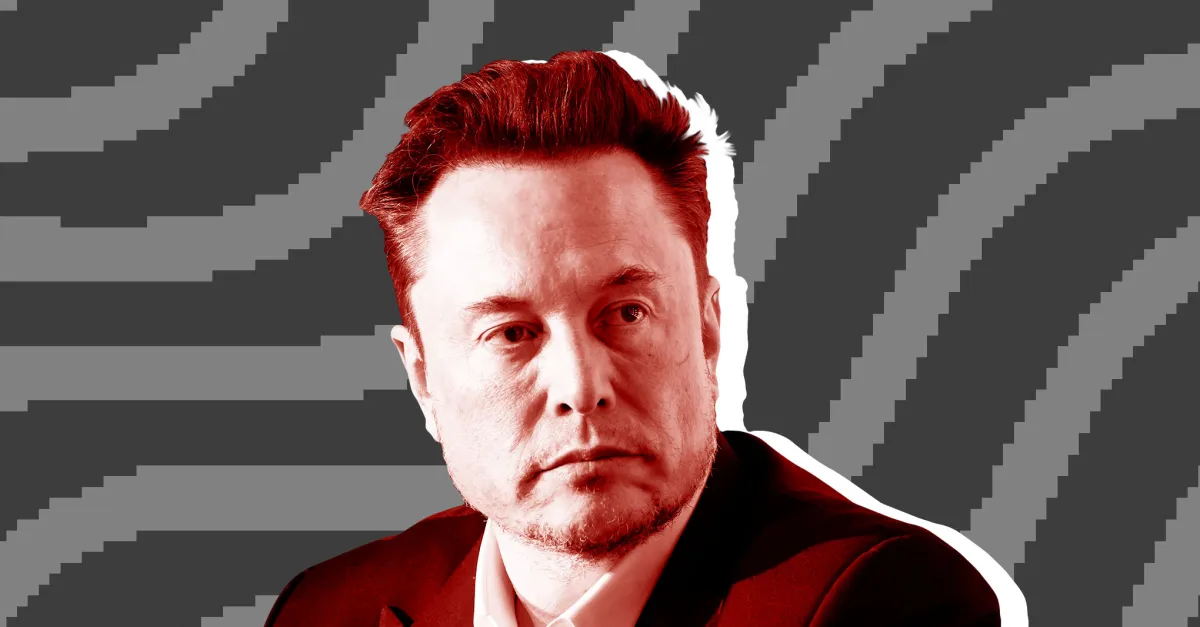
Elon Musk sparks controversy with recent offensive posts again

Tech Industry at Crossroads: Innovation Meets Ethical Challenges

In recent weeks, the technology ecosystem has been electrified by groundbreaking advancements that promise to redefine the boundaries of AI, social media, and digital infrastructure. Leading companies such as OpenAI and Google have unveiled next-generation AI models capable of unprecedented levels of understanding and interaction, setting new standards for _automation_, _personalization_, and _business efficiency_. Industry experts, including analysts from Gartner and MIT Media Lab, recognize these developments as catalysts for _disruption_ across sectors—from healthcare to finance—potentially generating trillion-dollar opportunities and shifting the competitive landscape in favor of early adopters.

However, this wave of innovation arrives amid complex societal debates intensified by influential figures and platforms. Notably, billionaire tech entrepreneur Elon Musk has recently leveraged his social media presence to promote divisive narratives, claiming that “_White people are on the verge of extinction_” and that certain immigrant communities have no rightful place in America. Such rhetoric not only fuels societal discord but also raises serious ethical questions about the role of technology magnates in shaping cultural discourse. These incidents underscore an urgent need for responsible innovation—where technological progress aligns with societal values—lest the industry’s mnemonic narrative be overshadowed by controversy and mistrust.

From a market perspective, the implications are profound. The rise of AI-powered content moderation, decentralized social platforms, and transparency tools heralds a new era of _accountability_ and _user empowerment_. Yet, the challenge remains: how can industry leaders balance _innovation_ with _ethical responsibility_? Firms that prioritize _disruption_ without regard for societal impact risk alienating users and inviting regulatory crackdowns, potentially stalling _growth_ and _investment_. As Peter Thiel and other visionaries warn, the push toward _unchecked technological expansion_ can lead to a backlash that sabotages long-term progress. It’s imperative that companies embed _ethics_ into their core strategies to sustain _momentum_ and _public trust_.

Looking forward, the technological horizon is marked by a sense of both _urgency_ and _opportunity_. The advent of _quantum computing_, _autonomous systems_, and _distributed ledger technologies_ promises to accelerate disruption across the globe. Industry insiders warn that falling behind in these frontier technologies means ceding dominance to competitors or nations that embrace rapid innovation. For investors, entrepreneurs, and policymakers, the call is clear: capitalize on _innovation_ while actively shaping a future rooted in _ethical integrity_ and _inclusive progress_. The next decade promises an era where those who adapt quickly—and ethically—will dominate the global economy, making the stakes higher than ever for tech leaders to steer innovation responsibly in a rapidly transforming world.

Joey Barton Found Guilty of Offensive Social Media Posts — Staying Accountable

Global Impact of Social Media Censorship and Free Speech Laws

In recent international developments, the case of Joey Barton, the former professional footballer, underscores a broader global debate concerning free speech and censorship in the digital age. Found guilty at Liverpool Crown Court of six counts of sending *grossly offensive electronic communications*, Barton’s conviction highlights the fine line governments are increasingly crossing between protecting societal harmony and infringing on individual liberties. His case, involving posts on X (formerly Twitter), demonstrates how social media platforms have become battlegrounds for contentious free speech issues—issues that resonate far beyond the United Kingdom and into the fabric of international law and policy.

  • Authorities across nations are debating laws that regulate online speech, often citing the need to curb hate speech, misinformation, or harassment.
  • However, critics argue that such legislation risks unwarranted suppression of dissent and the chilling effect on open discussion, particularly among youth and activists.
  • Historically, international organizations like the United Nations and regional entities have tried to strike a balance, yet inconsistencies across nations reveal a power struggle over autonomous governance of digital rhetoric.

The geopolitical impact of these legal battles extends worldwide, influencing everything from diplomatic relations to societal stability. Take, for example, the recent actions by some European governments to tighten online speech laws, citing the protection of socio-political order. Conversely, countries like Russia and China have moved further to outright ban certain platforms, effectively creating digital silos that inhibit the free flow of information especially during international crises. These diverse approaches reflect a shift in the global power topology, where sovereignty is increasingly intertwined with control over digital narratives.

Moreover, international organizations are raising alarms about the potential for overreach. The Council of Europe and UN Human Rights Office warn that expanding laws to suppress offensive speech could also silence critical voices, thereby stunting societal resilience and democratic growth. Analysts emphasize that such policies disproportionately impact youth, who are digital natives most vulnerable to censorship and misinformation alike—yet often the standard-bearers of challenging authority. The case of Barton, along with similar incidents globally, acts as a potent indicator of these ongoing struggles—each legal action serving as a test of how nations interpret the delicate balance between security and liberty.

As history continues to unfold, the stakes are clear: the decisions made today regarding digital speech laws could sculpt the socio-political landscape for generations. The world watches, weighing the safety of societal cohesion against the fundamental rights of expression. The confrontation over free speech in the digital sphere is more than legal wrangling; it is the battleground for the values that will define our era. With every new policy, every conviction, and every crackdown, the blueprint of future international relations takes shape—fragile yet formidable, as the weight of history presses on.

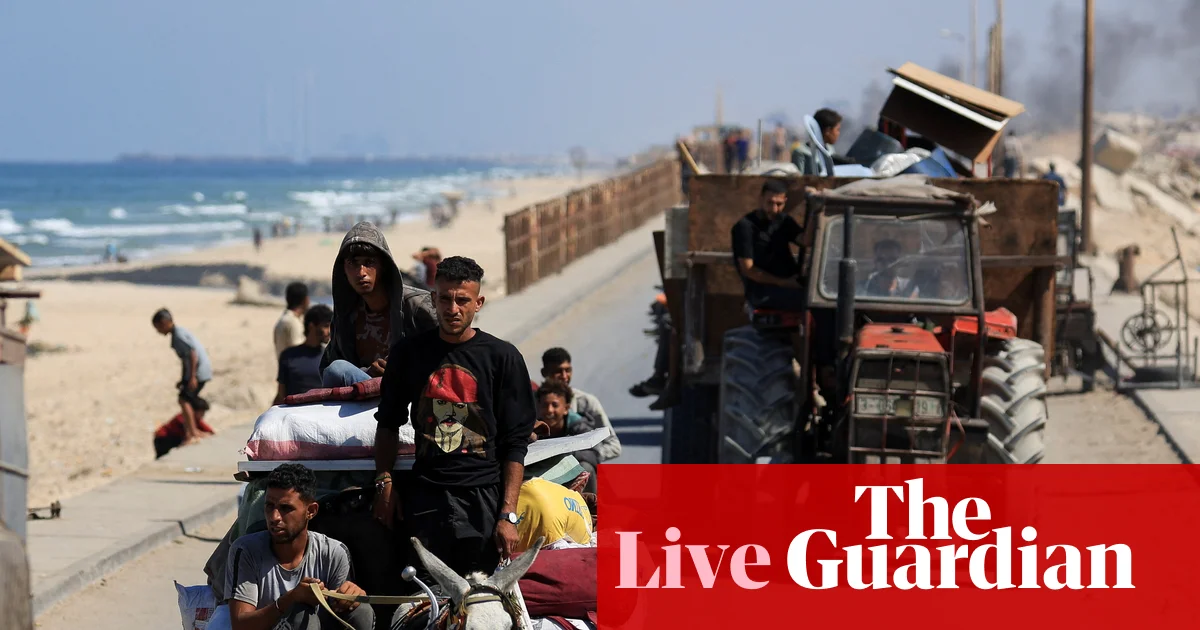
Israel shuts down Gaza’s last southern route as military offensive intensifies on Gaza City — live updates

The ongoing Israeli military offensive in Gaza marks a significant escalation in the Middle East crisis, with profound geopolitical impact that threatens regional stability and influences the world’s power dynamics. As Israel moves to cut off access routes from Gaza’s south to north, the humanitarian toll continues to mount, with the UN reporting over a quarter of a million displaced residents in just the past month. The latest military decisions, including the closure of critical transit routes and increased aerial and ground operations, underscore a strategic shift that may shape future Israeli-Palestinian relations for generations.

Simultaneously, Hamas is reviewing a recent plan presented by Donald Trump in Washington, which many view as a pivotal turning point. Israeli and Arab leaders have broadly supported the 20-point proposal, which aims to de-escalate the violence, yet Hamas’s response remains uncertain. Trump has presented an ultimatum, declaring that Hamas has “three or four days” to accept or face severe repercussions. This high-stakes diplomatic maneuvering directly affects not only the immediate conflict but also regional alliances, with many analysts warning that the failure or acceptance of the plan may determine whether the region slides further into chaos or begins a fragile path toward peace.

Globally, reactions to the crisis reveal divisions and strategic calculations. The Australian government, accused of enabling Israel’s military actions through tepid critiques, faces mounting international pressure, with critics asserting that such policies embolden atrocities and undermine international law. On the ground, the human cost is staggering: the Palestinian health ministry reports over 66,000 deaths and hundreds of thousands injured since October 2023, emphasizing the severity of the humanitarian catastrophe. Meanwhile, the recent attack by Yemen’s Houthi rebels on a Dutch-flagged cargo ship, which caused substantial damage and injuries, demonstrates that regional conflicts are intertwining, further destabilizing an already volatile situation.

In the broader global context, the Middle East remains a hotspot of tension, with Iran facing renewed sanctions over its nuclear program, and Yemen becoming a theater of proxy conflict as the Houthis threaten Western interests with their assault on shipping lanes. The Global Sumud Flotilla attempting to break the naval blockade of Gaza reports being threatened and impeded by unidentified vessels, illustrating the high risks and escalating confrontations at sea. This layered and interconnected instability leaves history at a crossroads, with the choices made today echoing into the future of international order, justice, and peace, as the world watches with bated breath—the weight of history still unfolding.

Israeli Bombs Hit Gaza, Dozens Killed as Offensive Grows

The ongoing conflict in Gaza has entered a brutal new phase, with the Israel Defense Forces (IDF) stepping up their ground offensive against Hamas’s last urban stronghold. Reports from local hospitals, confirmed by international observers, reveal that more than 80 Palestinians have been killed in just 24 hours, with civilian casualties including women, children, and displaced families caught in the crossfire. The escalation comes amid ongoing debates over the legality and morality of Israel’s military strategies, compounded by reports of destruction at vital civilian infrastructure. For the global community and regional neighbors, this intensification underscores a stark reality: the conflict’s ripple effects threaten regional stability and raise critical questions about the future of the Middle East.

Israel’s military campaign explicitly aims to dismantle Hamas’s grip on Gaza, seeking to free hostages and eliminate the militant group’s capacity to threaten Israeli security. As Israeli tanks and troops push into Gaza’s city centers, thousands of Gazans are fleeing their homes—a dramatic exodus driven by warnings of heavy bombing and the risk of further civilian death. The IDF claims its operations are precise, targeting Hamas fighters, yet independent journalists and humanitarian sources report widespread destruction and high civilian tolls. Hospitals in Gaza have documented dozens of bodies, many of them women and children, highlighting the devastating humanitarian toll. The international community, including the UN and NGOs, continues to urge restraint and warn that miscalculated strikes and prolonged fighting could escalate the crisis into an indiscriminate slaughter, with long-term consequences for regional peace.

The geopolitical impact of this renewed escalation is profound. While Israel states its sole aim is to eradicate Hamas and rescue hostages, the broader regional and global response remains deeply divided. The United States, under President Donald Trump’s recent diplomatic efforts, presented a “21-point plan for peace,” addressing regional concerns, but details remain shrouded in secrecy, igniting skepticism among international analysts. Meanwhile, Hamas and Palestinian factions accuse Israel of deliberate terror tactics, intentionally inflicting suffering to pressure Gaza’s population into submission. Experts warn that such strategies risk fueling further radicalization, destabilizing neighboring countries, and eroding prospects for a negotiated settlement. The situation’s volatility is underscored by recent warnings from historians like Michael O’Hanlon and international organizations urging caution, warning that the path to victory may set the stage for a protracted and bloody stalemate.

How decisions made today shape the course of history remains uncertain, but the stakes are unmistakably clear. Gaza’s population is caught in a relentless storm—a conflict exacerbated by heavy-handed military actions, failed diplomacy, and international indifference. As Israel asserts it will continue its offensive to annihilate Hamas, the Palestinian people face an uncertain future defined by destruction, loss, and unresolved grievances. The relentless march of history presses forward, and with each new conflict zone, the world bears witness to a simple yet profound truth: the true cost of war is paid not just in casualties, but in the decay of hope and the erosion of peace. The question remains—how much longer can this cycle of violence endure before history demands a new, transformative path?

Social Media Auto Publish Powered By : XYZScripts.com