Matox News

Truth Over Trends, always!

Albanese evacuated from official Canberra residence after bomb threat—stay vigilant!

Australia Under Threat: A nation at Crossroads of Security and Stability

In a chilling reminder of the volatile landscape modern democracies face, Prime Minister Anthony Albanese was evacuated from The Lodge in Canberra late Tuesday evening following a serious bomb threat. The incident, which prompted police to relocate the prime minister to an undisclosed safe location, underscores the mounting security challenges confronting Australia amid its increasingly turbulent political climate. While authorities assured the public that no explosive devices were found after a thorough search, the event signals a disturbing escalation in threats directed at Australian government officials and institutions, casting a shadow over national stability.

Security experts and analysts have observed a notable uptick in threats against elected officials and prominent figures within the Commonwealth. Australians are witnessing the consequences of rising grievances fueled by online radicalization, societal division, and ideological extremism. Since late last year, authorities have charged over 20 individuals linked to violent threats targeting politicians, Jewish community members, and other public officials. According to Australian Federal Police commissioner Krissy Barrett, this disturbing trend reflects a broader pattern of individual grievance transforming into tangible danger. Even as the government boosts security measures, including the deployment of specialized national security investigation teams, the threat persists, revealing cracks in the nation’s defenses.

International Ramifications: How Threats in Canberra Echo Globally

This incident in Australia isn’t isolated; it resonates within a broader international context where political stability is increasingly fragile. Global institutions like The United Nations and regional alliances are watching closely as nations grapple with internal unrest, violent extremism, and rising populism. Analysts warn that these threats domestically could destabilize governments, strain diplomatic relations, and even embolden extremist groups to deepen their influence across borders. The rise of online radicalization, as noted by security officials, fuels a dangerous cycle—what begins as a threat in the digital realm can quickly materialize into violence, threatening the fabric of democratic societies worldwide.

Furthermore, the shift in threat perceptions suggests a critical turning point in international security protocols. Some experts argue that conventional law enforcement strategies are increasingly insufficient against modern guerrilla tactics, requiring a reevaluation of military, intelligence, and diplomatic responses. The United Nations and NATO, for example, continue to emphasize the importance of coordinated efforts to counter ideological violence and protect societal values from erosion. In this turbulent epoch, the decision of nations to fortify political resilience will significantly influence their capacity to withstand these threats—how they choose to respond could set precedents for generations to come.

Reflecting on History and Shaping the Future

Historically, periods of political upheaval have often been catalysts for societal transformation—sometimes for the better, often at a terrible cost. As historians like Friedrich Hayek and George Orwell have warned, the erosion of civil liberties under the guise of security can lead to authoritarianism if not checked. Today’s events in Australia serve as a stark reminder of the delicate balance between security measures and preserving democratic freedoms. The international community’s response and willingness to confront these threats head-on could define the trajectory of global stability in the decades to come.

As Australia confronts its internal crises and as other nations grapple with similar threats, the words of history’s keen observers echo louder: the weight of history is pressed into the present, and the decisions made now will shape an uncertain future. Will this be the moment humanity chooses resilience over fear? Or are we marching toward an age where security measures undermine the very freedoms they seek to protect? The answer depends on the resolve of nations—and the choices they make when faced with the shadows of history’s recurring dark chapter.
US Border Official: Immigration Crackdown in Minnesota Will Wrap Up

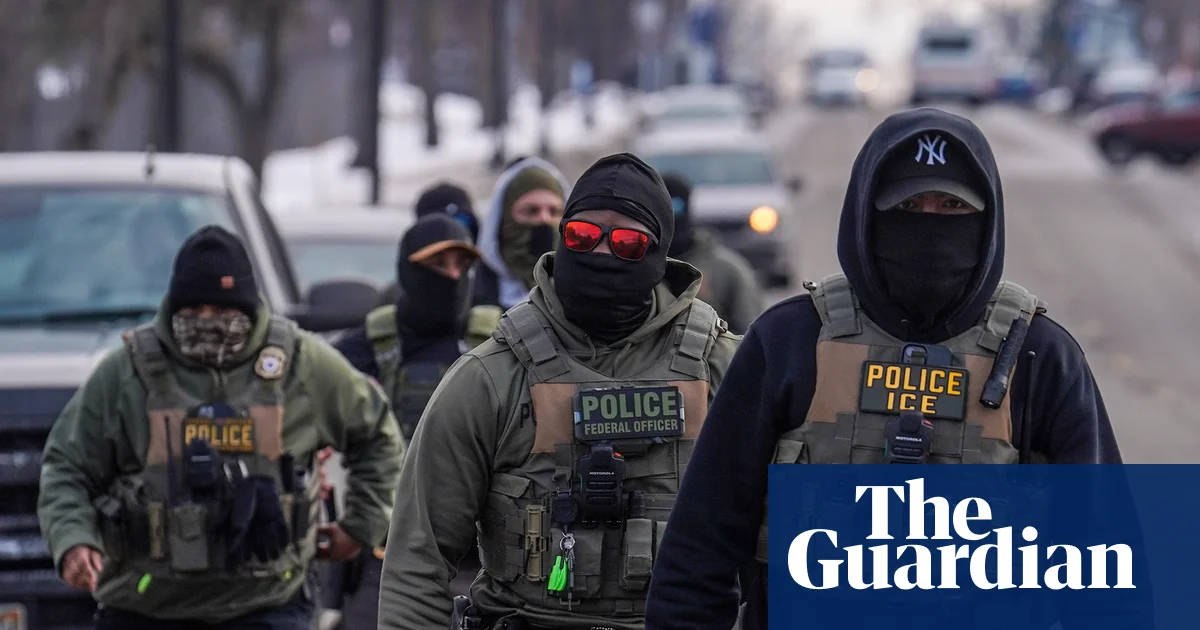
The recent withdrawal of federal immigration enforcement operations in Minnesota marks a decisive moment in the ongoing struggle between the federal government and local communities over immigration policy. Under the leadership of President Donald Trump, the U.S. Department of Homeland Security initially launched an aggressive crackdown in the state, aiming to tighten border security and curtail illegal entry. However, the operation resulted in tragic consequences, including the deaths of two U.S. citizens, mass detentions, and widespread protests—highlighting the deep tensions surrounding immigration enforcement today. Such policies are not merely internal issues; they have profound geopolitical repercussions that ripple well beyond America’s borders, influencing international perceptions of U.S. commitment to law and order.

As Tom Homan, the acting border czar, announced a significant drawdown earlier this week, the move signals a shift—albeit cautiously cautiously—toward a more pragmatic approach that seeks to restore community trust while maintaining enforcement priorities. Officials in Minnesota, including Democratic governor Tim Walz and Minneapolis mayor Jacob Frey—both openly critical of the crackdown—expressed cautious optimism. Mayor Frey highlighted the resilience of local communities in the face of what he called an “occupation,” asserting that “a love for our neighbors” and a sense of American patriotism will guide their recovery. Yet, amidst this internal political debate, the broader geopolitical impact remains stark: U.S. immigration enforcement is a matter of national sovereignty, influencing international allies and adversaries alike, especially in an era of rising global migration crises and regional conflicts.

Historians and analysts warn that the current trajectory could set a dangerous precedent for how the U.S. handles its borders and internal security. Organizations like the International Organization for Migration and security experts have pointed out that such policies often fuel global instability, as neighboring countries observe the U.S. retreating from its international commitments. Meanwhile, China and Russia watch carefully—assessing whether U.S. internal divisions weaken its global influence or present opportunities to expand their own spheres. The policy of mass deportations, touted yet again by Homan, underscores an unwavering commitment to “public safety,” yet critics argue that excessive enforcement can exacerbate societal divisions and undermine diplomatic credibility, especially as the U.S. seeks alliances in regions vulnerable to upheaval.

Ultimately, the unfolding story in Minnesota is but a chapter in the larger saga of a superpower grappling with its fractured identity. As Trump’s administration doubles down on its hardline stance, the world watches—wondering whether the United States can reconcile its values of freedom and order amidst a climate of upheaval. The decision to draw down agents, to focus on public safety, and to acknowledge the costs of previous tactics raises questions about the future of U.S. immigration policy. Will the nation find a sustainable balance, or will it descend further into internal chaos and global irrelevance? The answer is still unwritten, hanging like a shadow over history’s relentless march forward—an enduring, haunting question that history will either vindicate or condemn.

Israeli media report official confirms Hamas estimate of 70,000 war casualties

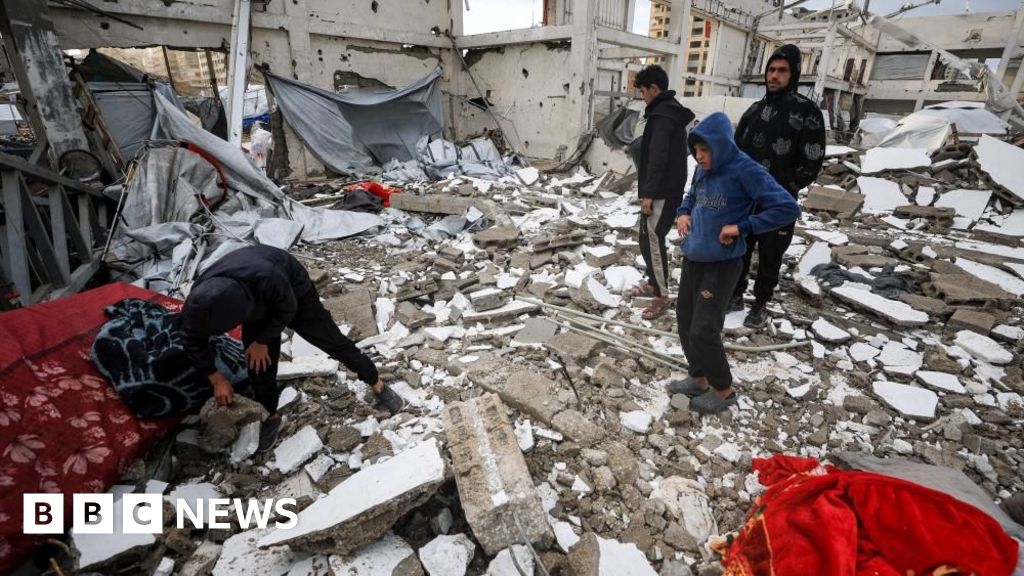
The ongoing conflict between Israel and Hamas continues to claim devastating human costs, with recent reports confirming a significant toll on civilians trapped amidst the violence. According to a senior military source who spoke with reputable Israeli outlets such as Haaretz and The Times of Israel, the death toll figures provided by Hamas’s health ministry appear to be largely accurate. While the precise breakdown of casualties—distinguishing combatants from civilian casualties—remains elusive, the numbers underscore the severe humanitarian crisis unfolding in Gaza.

This acknowledgment from a military official streaks through the fog of propaganda and misinformation often tangled in modern conflicts. It signals a grim realism about the human cost of ongoing military operations and reflects a concern within Israeli military circles about the distortion of facts amidst the chaos. The U.N. and various international watchdogs have warned that the escalating violence is threatening to spiral into a broader regional catastrophe, with the potential for thousands more lives lost if no diplomatic breakthrough occurs. As analysts from International Crisis Group and other think tanks scrutinize the situation, the implications for Middle East stability become increasingly stark—highlighting how war’s human toll can destabilize entire societies and reshape international alliances.

Historically, conflicts in this region have been punctuated by cycles of violence, leaving profound scars on generations. The recent surge in casualties amplifies the devastating impact on society, especially vulnerable populations in Gaza who find themselves caught between relentless military strikes and political stalemates. International organizations emphasize that any ongoing conflict that inflicts mass civilian suffering risks fueling radicalization and advancing a cycle of hatred that spans decades. Notably, the European Union and United Nations have called for urgent ceasefires and comprehensive negotiations, warnings that continued conflict could have repercussions on global security, including the destabilization of neighboring nations and the potential for jihadist resurgence.

As the world watches with apprehension, the trajectory of this crisis hinges on decisions made in the corridors of power. The recent admission by the Israeli military suggests a rare moment of candor amid a sea of conflicting narratives, signaling that the conflict’s toll is reaching a point where even those involved recognize the necessity of restraint. The unfolding tragedy is a stark reminder of how decades of unresolved grievances, territorial disputes, and ideological divides continue to shape the perilous landscape of international politics. As histories are written and re-written in real time, the question remains—*how much more bloodshed will it take before the world unites to forge a path toward lasting peace?* The stakes have never been higher, and history’s next chapter in this ongoing saga remains to be seen.

Senior DWP Official Blames Victims in Carer’s Allowance Scandal—Where’s Accountability?

The Deepening Crisis in Social Welfare: How Systemic Failures Impact Families and Communities

The recent revelations surrounding the carer’s allowance benefits scandal have cast a stark light on the ongoing systemic failures within the Department for Work and Pensions (DWP). An internal post, now removed, blamed victims—many of whom have been burdened with life-altering debts—shifting blame onto carers rather than acknowledging institutional deficiencies. This incident underscores a broader societal issue: the failings of a complex, opaque social welfare system that disproportionately affects vulnerable families and undermines community trust.

The independent review conducted by disability rights expert Liz Sayce confirmed longstanding “unacceptable” systemic leadership problems and poor benefit design at the root of the scandal. Despite repeated warnings from whistleblowers, auditors, and MPs, senior DWP officials failed to address or resolve these vulnerabilities for over a decade. Such systemic neglect leads to a cascade of damaging consequences, not only for individual carers—many of whom face crippling debts and potential criminal convictions—but also for the societal fabric that relies on a well-functioning welfare system to uphold social cohesion. The erosion of trust in institutions vital to supporting families fosters social fragmentation, especially among disadvantaged communities.

Efforts by authorities to deflect blame—such as claiming overpayments resulted from claimants’ failure to report earnings changes—highlight a misdiagnosis of the core issue. Critics argue that the fundamental flaw lies with the confusing guidance and labyrinthine reporting regulations that no single claimants can navigate without error. This cognitive and bureaucratic maze endangers families, whose wellbeing depends on clarity and fairness. For example, Carers UK and social commentators like Emily Holzhausen emphasize that the problem is systemic, rooted in policy complexity, rather than individual failings. When families face crushing debts because of bureaucratic upheavals, entire communities are destabilized, with ripple effects on children’s education, mental health, and social stability.

The political response echoes this systemic concern. Last week, Sir Peter Schofield acknowledged the “mess” inherited from the previous government and promised to ‘sort it out,’ but these words ring hollow without meaningful reform. Since 2019, approximately 180,000 carers have accumulated debts amounting to £300 million—an alarming figure demonstrating the tangible toll of institutional neglect. While authorities pledge to reassess affected cases and cancel debts, the long-term damage remains. The societal challenge lies in mending institutional integrity and restoring public confidence. Ultimately, society must confront whether our social safety nets sustain or suppress community resilience, especially for those who serve as the backbone of caregiving and familial support.

Hope Beyond the Crisis

History and sociology remind us that social change often emerges from moments of crisis. Scholars like sociologist C. Wright Mills have argued that institutions are reflections of societal values—if they are broken, societal values are compromised. Yet, amid despair, there’s a flickering hope: reform driven by community voices, accountability, and moral clarity can redirect the course. Restoring dignity to carers and rebuilding trust in our institutions demands more than piecemeal fixes; it calls for a societal commitment to prioritize transparency, simplification, and moral responsibility. Society’s true strength lies in its ability to recognize its failings, learn, and forge a future where families are supported, communities thrive, and social justice prevails.

NSW Transport Official Confesses to Bribery Scandal at Oporto to Inflate Invoices

Corruption Scandal in New South Wales: A Window into International Governance and Accountability

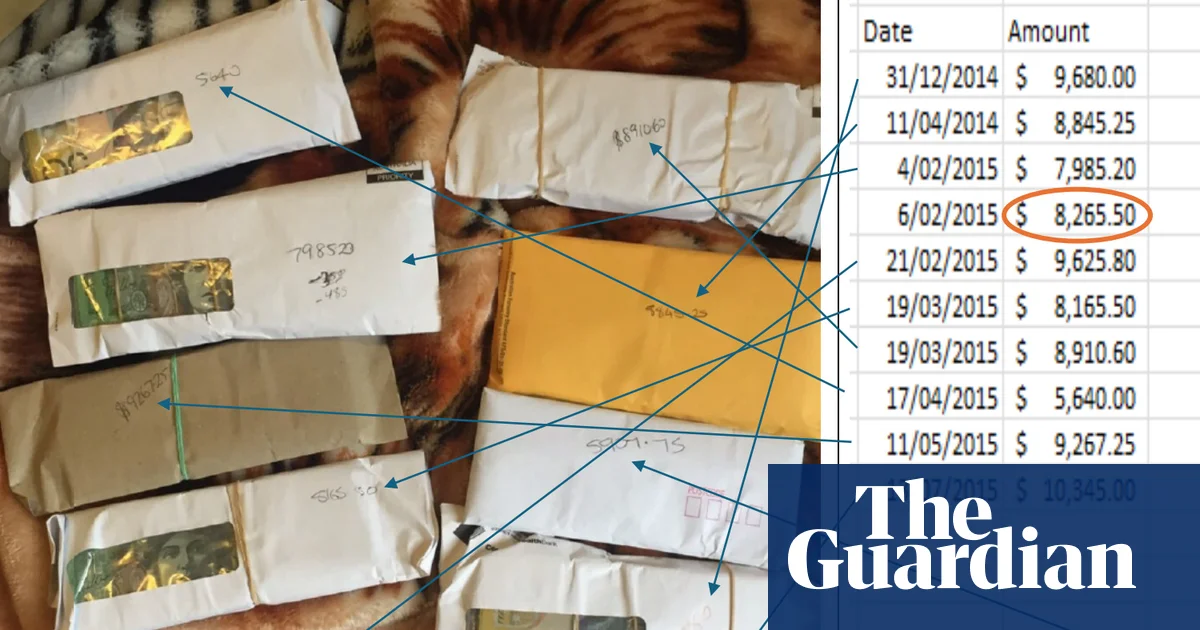
In a development that underscores the persistent fight against corruption within governmental institutions, Australia’s New South Wales Independent Commission Against Corruption (ICAC) is currently investigating a multi-million-dollar kickback scheme involving senior officials. The case of Ibrahim Helmy, a former project engineer at the Roads and Maritime Services (RMS), offers a disturbing glimpse into how entrenched corruption can erode trust in public infrastructure development, which has significant geopolitical undertones, especially in regions with booming infrastructure projects. As the investigation unfolds through detailed testimonies—exposing falsified invoices, illicit cash exchanges, and scheming at the heart of Sydney’s transport sector—the implications ripple far beyond Australia, impacting regional stability and international perceptions of governance.

This scandal is not merely an isolated incident; it reflects broader systemic vulnerabilities that many nations face in their efforts to combat corruption. Helmy’s admissions, including his involvement in inflating invoices related to key Sydney roads such as the M4 motorway, highlight how state resources are manipulated to benefit private interests at society’s expense. Such breaches of integrity threaten not only economic development but also the legitimacy of state institutions. In the context of Australia’s strategic regional role—positioned within the Indo-Pacific—a failure to address corruption effectively could weaken alliances, deepen foreign skepticism, and hinder efforts towards regional cooperation on governance reforms. Asian and Pacific analysts warn that unchecked internal scandal feeds into a narrative of governance fragility, which adversaries could exploit to undermine Western-backed infrastructure and development initiatives.

Moreover, the case of Helmy underscores how international standards and treaties—such as the United Nations Convention Against Corruption—are vital in establishing accountability benchmarks, even as local institutions grapple with enforcement challenges. According to experts at Transparency International, the persistence of such schemes in federal or provincial levels demonstrates that anti-corruption frameworks require not only legislative strength but also political will. The international community watches closely as Australia demonstrates its commitment to transparency, for its credibility directly influences regional and global cooperation. Whether or not Helmy’s case results in criminal charges, the exposure of these corrupt practices may catalyze tougher reforms in public procurement laws and enforcement agencies that can serve as models for emerging economies grappling with similar issues.

Finally, the broader geopolitical impact of this scandal is evident in the way corruption scandals taint international perceptions of stability and governance. As historian Dr. Laura Grant notes, “cases like Helmy’s serve as a reminder that even seemingly stable democracies are vulnerable to internal decay, which can be exploited by adversaries to foster instability or justify external interventions.” With ongoing investigations extending into allegations of over $11.5 million in personal receipts, and the involvement of figures linked to private contractors, the case echoes through corridors of power and influences international discourse on governance integrity. The unfolding story remains a stark warning—one that reminds us all that in the relentless tide of history, the struggle against corruption is a vital battleground shaping the future of nations.

Social Media Auto Publish Powered By : XYZScripts.com