
Venezuela’s Ongoing Struggle for Democracy and the International Power Play
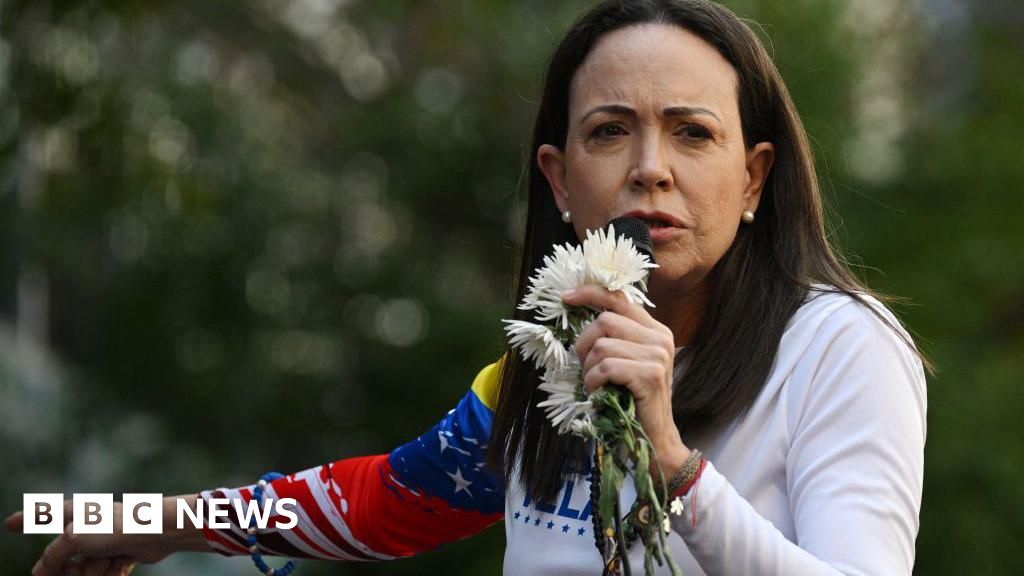
Venezuela faces a critical juncture as opposition leader María Corina Machado, a Nobel Peace Prize laureate, remains in hiding amidst escalating political repression. Her absence from a planned press conference, coupled with the Nobel Institute’s statement that they are “in the dark” about her whereabouts, signals a broader pattern of the regime’s clampdown on dissent. For years, Venezuelan rulers have dismissed opposition voices and manipulated electoral processes, but Machado’s situation underscores a much deeper crisis that extends beyond national borders.
The controversy surrounding Machado’s official recognition and her refusal to accept the legitimacy of the 2024 election result stands as a stark reminder of the crisis of democracy in the country. Critics argue that the election—widely regarded as fraudulent—was designed to cement Maduro’s grip on power, dismissing international calls for free and fair elections. Yet, the global community remains divided. Some nations, including the United States, have officially recognized the opposition candidate, Edmundo Gonzalez, as the legitimate president-elect, further fueling the geopolitical tensions that threaten regional stability.
International Dimensions and Broader Geopolitical Impact
The Nobel Peace Prize awarded to Machado was intended to elevate the fight for democratic principles, but her current situation reveals how authoritarian regimes aggressively suppress such efforts. The Venezuelan government’s statement branding Machado a “fugitive” and her criminal investigations—centered around alleged acts of conspiracy, incitement of hatred, and terrorism—highlight the use of state apparatus to silence dissent and resist international pressure. Analysts warn that these tactics not only embolden regimes in Latin America but also set a dangerous precedent for authoritarian resilience across the globe.
From an international geopolitical perspective, the crisis in Venezuela stands as a clear indication of shifting alliances and power struggles. While the U.S. and some Western nations push for regime change and the restoration of democratic norms, Russia, China, and allies in Latin America maintain support for Maduro’s government, citing sovereignty and non-intervention. This diplomatic standoff underscores a broader contest for influence in the Western Hemisphere, reminiscent of Cold War-era polarizations. According to prominent international organizations, such as the United Nations, stability in Venezuela is integral to regional security, yet their capacity to influence the regime remains limited.
The Future of Venezuela and the International Community’s Role
The unfolding narrative leaves the world with a stark question: Will international diplomacy and strategic interests prolong the suffering of the Venezuelan people, or can a new political order emerge? If Machado defies intimidation and attends her Nobel ceremony, her public appearance would symbolize a defiance of authoritarian oppression — a powerful rallying cry for millions seeking freedom. Historically, such moments have served as turning points, mobilizing international pressure and fomenting change. Conversely, if the regime’s tactics succeed in de-legitimizing opposition, it risks further entrenching tyranny and sowing instability that could ripple beyond Latin America.
As history unfolds in Venezuela, the world remains watchful. Every decision, every alliance, and every act of resistance carries the weight of fate and legacy. In the theatre of geopolitics, the links between dignity, democracy, and power are more intertwined than ever — and the next chapter is yet to be written, with the weight of history hanging in the balance.