Matox News

Truth Over Trends, always!

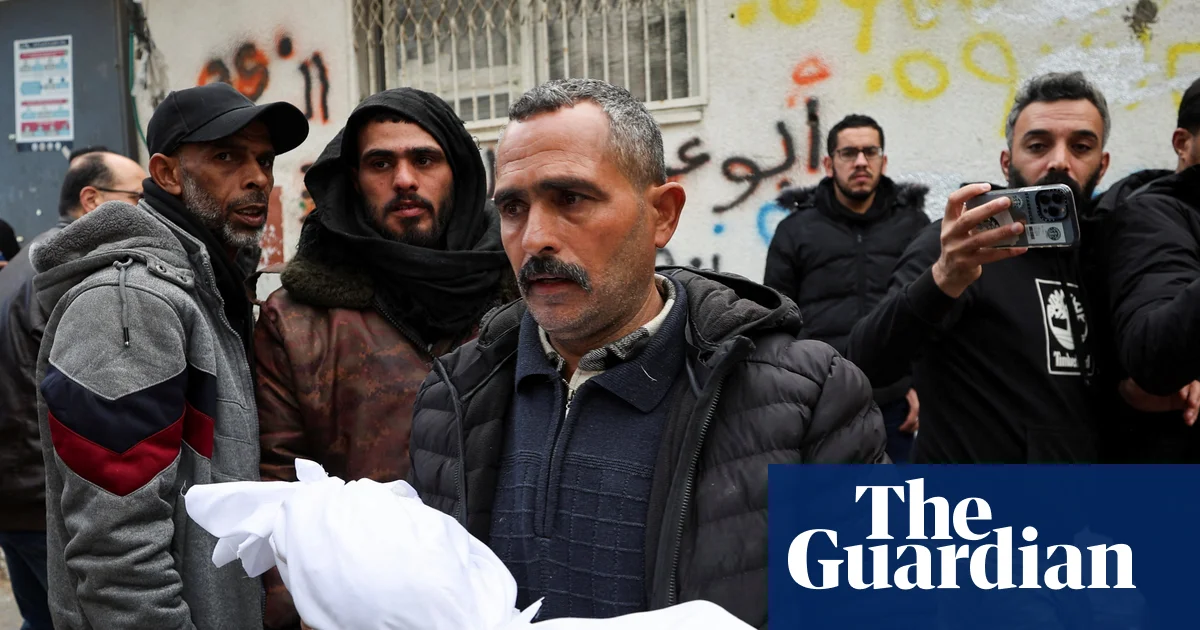
Israeli Airstrikes Kill 21 in Gaza as Crossings at Rafah Stall, Palestinian Officials Warn

Intensified Violence and Political Stalemates in Gaza Signal Deepening Regional Instability

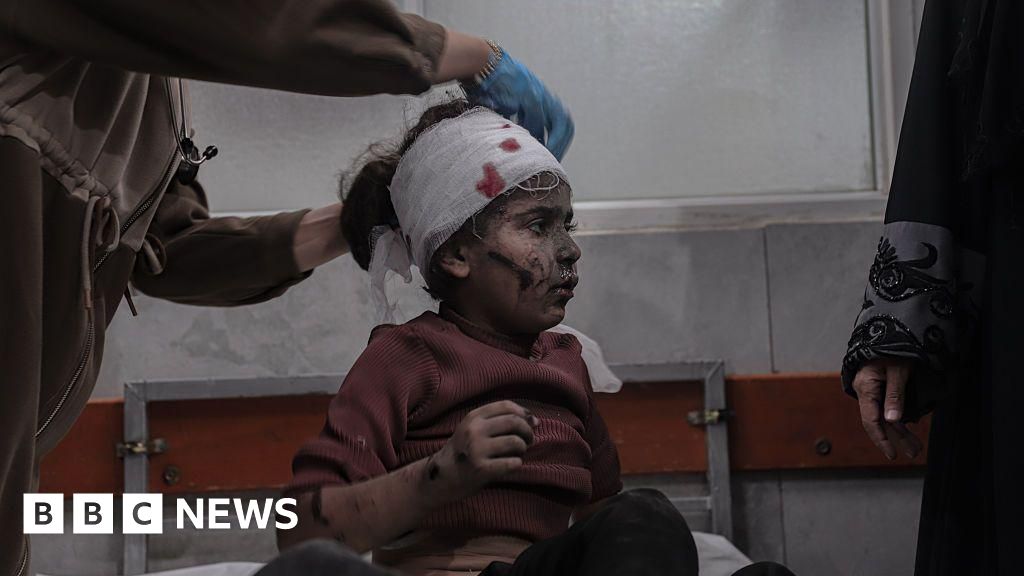
The recent surge of Israeli military operations in Gaza has again highlighted the fragile state of peace in one of the most volatile regions of the world. According to reports, Israeli tank shelling and airstrikes have resulted in at least 21 fatalities, including children and women, underscoring the devastating human toll of ongoing hostilities. In a tragic sequence of events, even medical personnel responding to initial casualties were killed by subsequent strikes, exemplifying the relentless brutality faced by civilians caught in the crossfire. These strikes targeted Gaza City and Khan Younis after an alleged attack on Israeli soldiers by Palestinian gunmen, prompting Israel to justify its defensive actions. Historians and analysts note that these incidents reflect a pattern of escalating violence that significantly complicates diplomatic efforts to establish sustainable peace, especially as the ceasefire remains fragile and frequently violated.

The geopolitical impact of these hostilities extends beyond the immediate borderlands. Israel claims that its military operations are justified, but the continued civilian casualties and destruction of infrastructure in Gaza intensify international concerns regarding human rights and stability. Gaza’s health system is under enormous strain; reports suggest that over 556 Palestinians have been killed since a prior ceasefire—most civilians—while Israeli casualties remain comparatively low. The international community, including human rights groups and UN agencies, warns that the cycle of violence risks igniting broader regional instability. As the United States and European nations call for de-escalation, critics argue that such calls ignore the deeper geopolitical issues—namely, the unresolved status of Gaza’s governance, the Israeli occupation, and the disarmament of Hamas—whose future remains uncertain amid persistent conflict.

Meanwhile, amid the ongoing violence, a crucial element of the ceasefire—the Rafah border crossing—has faced renewed closures, impeding vital humanitarian aid and medical evacuations for Gaza’s besieged population. Although the crossing partly reopened earlier, Israel has halted all crossings citing security concerns. Reports from sources in Egypt indicate ongoing diplomatic efforts to reopen Rafah; however, the decision underscores the deep mistrust and strategic calculations that continue to undermine peace initiatives. The World Health Organization and Egyptian officials have expressed frustration over the delays, which threaten to exacerbate the humanitarian crisis. As Gaza’s hospitals report waiting patients unable to cross, analysts warn that such restrictions may fuel further resentment and radicalization, making lasting peace even more elusive.

Specialists and regional commentators note that the October ceasefire, brokered under the auspices of U.S. diplomacy and the Trump administration’s plan, has yet to translate into substantive political progress. Key issues—namely the withdrawal of Israeli forces from Gaza’s occupied regions and the disarmament of Hamas—remain unresolved. As violence continues to erupt daily, critics argue these unresolved matters threaten to unravel the fragile peace framework, possibly plunging the region into broader conflict. Historian Robert Kaplan warns that without decisive political action, Gaza is set on a perilous path toward further devastation, its residents condemned to an endless cycle of suffering and strife.

As the conflict spills into another day of violence, the weight of history presses down heavily. The world watches as this small strip of land becomes a crucible where the fates of nations hang in delicate balance. Will diplomacy prevail, or will the lines of conflict deepen into a new and possibly irreparable chapter? The story of Gaza is still being written—its future uncertain, its lessons profound—and the world’s response may ultimately shape the course of history. The echoes of this crisis remind us that beneath the surface of geopolitics lie human beings enduring the consequences of decisions made by global powers, forever etched in the annals of history.

Judge Stops Trump Officials from Detaining Refugees in Minnesota

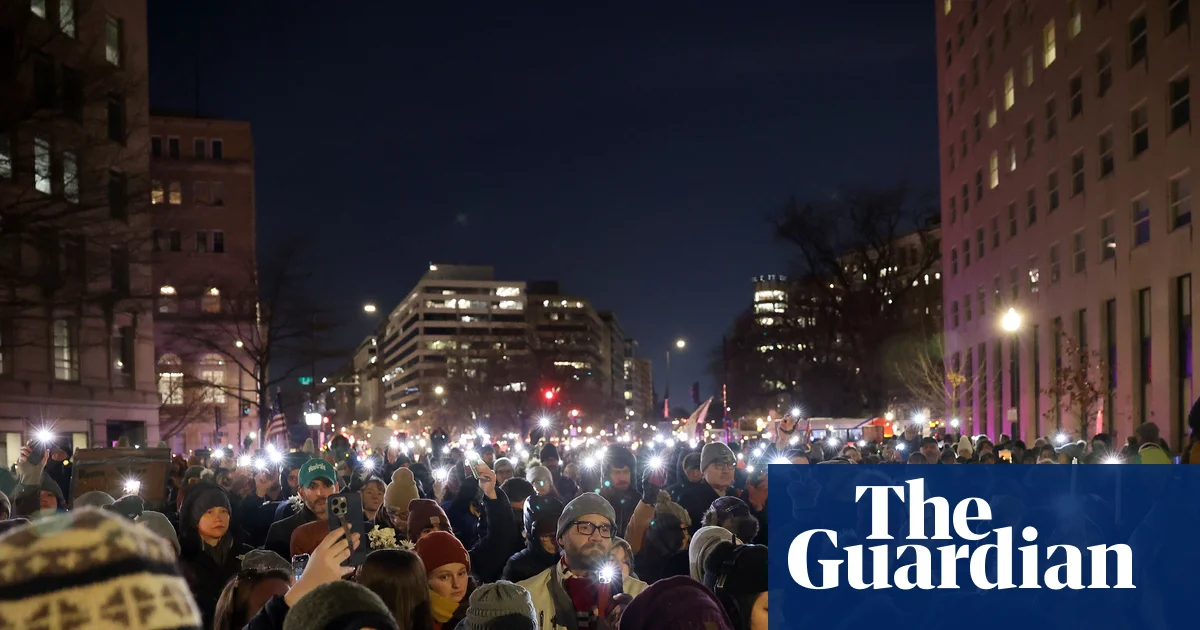
United States judicial intervention has temporarily halted the controversial policy of re-vetting and detaining lawfully resettled refugees in Minnesota. This abrupt series of arrests, initiated under the Trump administration’s recent initiative, Operation Parris, has ignited a fierce debate around human rights, sovereignty, and immigration policy. The decision by Federal Judge John R. Tunheim signals a significant judicial pushback against what critics describe as a draconian crackdown on individuals who had undergone extensive vetting processes and had established legal residence in the country.

  • More than 100 refugees arrested in Minnesota, some transported to detention centers in Texas
  • Refugees were detained, often abruptly and without notice, and then released to navigate an uncertain return journey
  • The Biden administration, facing mounting criticism, has paused these detentions following legal challenges and public outcry

This decision comes in the wake of widespread alarm among civil rights groups and international observers. Critics, including human rights advocates and analysts such as Noam Chomsky and Amnesty International, argue that the U.S. government’s actions undermine core commitments to international refugee agreements like the 1951 Refugee Convention and the 1980 Refugee Act. The policy, aimed at intensifying background checks and verification, has paradoxically resulted in the very trauma and chaos these laws seek to prevent, exposing the persistent tensions between national security and human dignity. The federal court’s ruling emphasized the human toll—stories of terror, confusion, and sharp trauma recounted by affected refugees—that are simply impossible to ignore in the face of alleged national security concerns.

Underlying this crackdown is a broader geopolitical impact. Critics argue that the administration’s aggressive stance not only alienates vulnerable populations but also risks tarnishing the image of the United States on the global stage as a champion of human rights. European nations, Canada, and international organizations have watched closely as the U.S. grapples with its humanitarian obligations. As Foreign Policy analysts warn, such policies may inspire similar hardline measures elsewhere, fueling regional instability and jeopardizing the fragile consensus on refugee protections. Historian Stephen Walt notes that “when a superpower reneges on its international commitments, it sends a dangerous message about the durability of these treaties and the moral authority of the West.”

The judiciary steps in amid a landscape of high-stakes geopolitical shifts. The United States finds itself at a crossroads, with internal debates over security versus humanity and external perceptions of strength and moral standing. The policy’s enforcement, which results in abrupt detentions, threatened to undo decades of progress on refugee rights, with families torn apart and communities destabilized—an unsettling reminder that decisions made today will echo through the corridors of history. As the court’s ruling takes hold, the weight of this unfolding chapter remains—and the world watches as the balance between sovereignty and human rights continues to be tested amid seismic shifts in geopolitics, migration, and the enduring quest for justice.

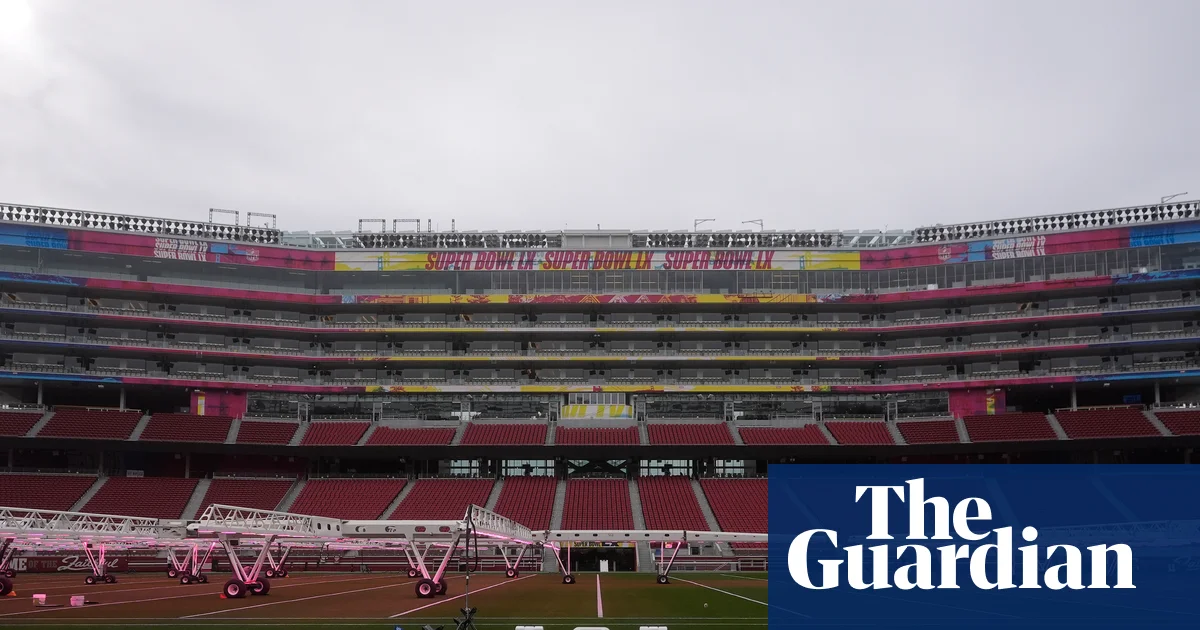
ICE agents to patrol Super Bowl in California, officials confirm | Super Bowl LX

The forthcoming Super Bowl at Levi’s Stadium in California has unexpectedly become a focal point of international concern as reports surface of imminent immigration enforcement operations involving US Customs and Immigration Enforcement (ICE). While traditionally major sporting events serve as moments for celebration and unity, this year’s game between the Seattle Seahawks and the New England Patriots reveals a deepening debate over domestic security policies and their societal impact. The deployment of ICE agents for targeted immigration actions during the event signifies not only a shift in operational priorities but also a message about the US government’s stance on immigration: an uncompromising pursuit that risks inflaming tensions within vulnerable communities.

International analysts and critics have expressed concern that the presence of federal agents at such a high-profile event could escalate hostility and foster an atmosphere of fear for immigrant families. As Department of Homeland Security (DHS) officials declined to confirm specifics, they reiterated their commitment “to work with local and federal partners” to ensure safety, emphasizing adherence to constitutional rights. Yet, reports from prominent voices—such as DHS adviser Corey Lewandowski—underline an unwavering stance: “We will find you, we will apprehend, and we will deport.” Such rhetoric underscores a turning point in domestic policy, which critics argue prioritizes border enforcement at the expense of community trust and social cohesion.

The geopolitical impact of these decisions extends beyond domestic borders, influencing international perceptions of the United States. Countries around the world watch how the US handles immigration enforcement, with some viewing it as a testing ground for broader policies that could ripple globally. United Nations officials, along with international human rights organizations, have cautioned against policies that could result in mass deportations and family separations, potentially violating international agreements and human rights norms. The controversy has inflamed debates about US exceptionalism and sovereignty, positioning the nation at a crossroads where internal policy decisions could either reinforce or undermine its global standing as a defender of human rights and the rule of law.

Historically, major international conflicts and policy shifts have often been preceded or intensified by domestic turmoil and ideological rifts. Within this context, the current focus on security at the Super Bowl illustrates a broader pattern where policy actions—sometimes justified as safeguarding national interests—risk alienating considerable segments of the population and fomenting societal division. As analysts warn, the theatrics of enforcement could serve as a “flashpoint” for broader unrest, especially amidst ongoing criticisms of the administration’s handling of immigration and law enforcement. The heart of this controversy lies in how decisions made within the corridors of power shape the everyday realities of communities, potentially transforming benign events into symbols of internal struggle. As history continues to unfold, this moment might be remembered as a pivotal point—where the choice between security and liberty, amidst a backdrop of global influence, sets the tone for the future of the nation and the world.

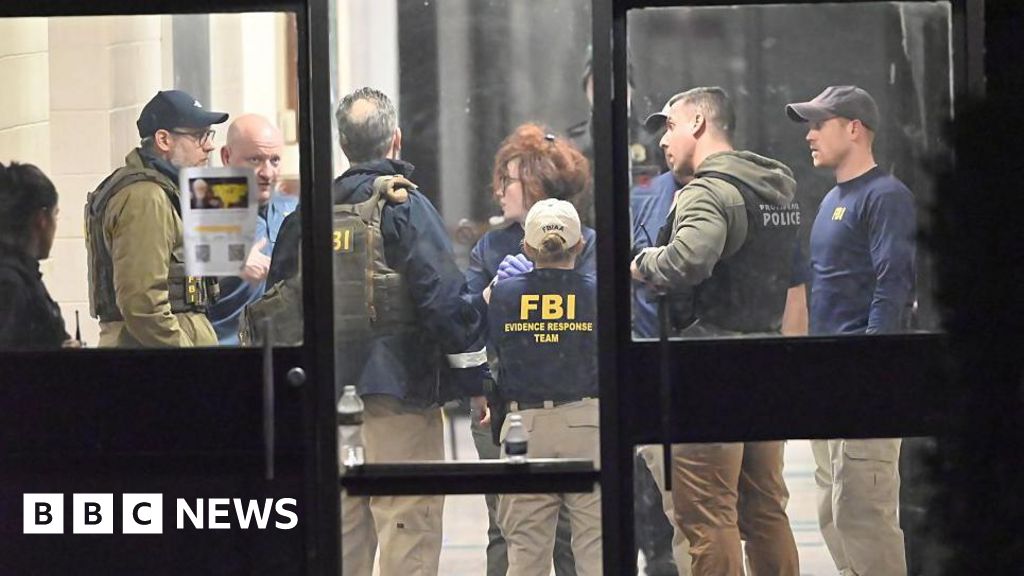
Person of interest detained in Brown University shooting, officials confirm

The recent shooting at Brown University in Providence, Rhode Island, has once again cast a dark shadow over the ongoing debate about gun control and safety in the United States. Reportedly, a gunman opened fire within a classroom on Saturday afternoon, leaving two students dead and nine others injured. The incident, which unfolded at the Holley engineering building, shocked a nation already accustomed to tragic acts of violence, but it also raised urgent questions about internal security and mental health policy that many analysts argue are being neglected by policymakers.

The response from local authorities and university officials has been swift. Police detained a suspect shortly after the attack, with Police Chief Oscar Perez confirming that no additional individuals are being sought and that evidence collection is ongoing. While CCTV footage captured a male suspect dressed in black walking away from the scene, officials indicated that the firearm was not recovered immediately, complicating efforts to understand the motives behind the attack. This event underscores a troubling pattern within the U.S., where mass shootings are becoming disturbingly routine. According to experts like Harvard Law Professor Laurence Tribe, the persistence of such violence threatens to undermine the foundations of society—not just in the U.S., but as a cautionary tale to the world.

Internationally, the United Nations and various human rights organizations have lamented the apparent intractability of America’s gun epidemic, often framing it as a product of a “culture of violence” that is amplified by lax regulations. Yet domestic critics argue that the true cause is rooted in a complex mixture of societal decay, partisan politics, and the influential gun lobby, which continues to stymie meaningful reform. How nations like Japan and Australia implemented strict gun laws in the past decade, sharply reducing firearm-related incidents, provides a stark contrast to America’s ongoing struggles. Such differences reveal the geopolitical divide: nations willing to prioritize societal security versus those hamstrung by political inertia and powerful interest groups.

Beyond the immediate tragedy, the incident at Brown University serves as a harbinger of future challenges for U.S. society and global stability. While the authorities work to piece together the motives and evidence, many warn that unless there is a fundamental shift in approach—addressing mental health, gun regulation, and security—similar incidents will continue to scar communities and deepen divisions. Historians and analysts are already warning that this event will be remembered as a pivotal moment: either as the breaking point that prompts reform or as another chapter in the ongoing saga of American violence. As the city of Providence begins its long road to recovery, the question remains: how many more lives must be shattered before significant change is wrought?

Nobel Officials Baffled on When Peace Winner Will Show Up for Ceremony

Venezuela’s Ongoing Struggle for Democracy and the International Power Play

Venezuela faces a critical juncture as opposition leader María Corina Machado, a Nobel Peace Prize laureate, remains in hiding amidst escalating political repression. Her absence from a planned press conference, coupled with the Nobel Institute’s statement that they are “in the dark” about her whereabouts, signals a broader pattern of the regime’s clampdown on dissent. For years, Venezuelan rulers have dismissed opposition voices and manipulated electoral processes, but Machado’s situation underscores a much deeper crisis that extends beyond national borders.

The controversy surrounding Machado’s official recognition and her refusal to accept the legitimacy of the 2024 election result stands as a stark reminder of the crisis of democracy in the country. Critics argue that the election—widely regarded as fraudulent—was designed to cement Maduro’s grip on power, dismissing international calls for free and fair elections. Yet, the global community remains divided. Some nations, including the United States, have officially recognized the opposition candidate, Edmundo Gonzalez, as the legitimate president-elect, further fueling the geopolitical tensions that threaten regional stability.

International Dimensions and Broader Geopolitical Impact

The Nobel Peace Prize awarded to Machado was intended to elevate the fight for democratic principles, but her current situation reveals how authoritarian regimes aggressively suppress such efforts. The Venezuelan government’s statement branding Machado a “fugitive” and her criminal investigations—centered around alleged acts of conspiracy, incitement of hatred, and terrorism—highlight the use of state apparatus to silence dissent and resist international pressure. Analysts warn that these tactics not only embolden regimes in Latin America but also set a dangerous precedent for authoritarian resilience across the globe.

From an international geopolitical perspective, the crisis in Venezuela stands as a clear indication of shifting alliances and power struggles. While the U.S. and some Western nations push for regime change and the restoration of democratic norms, Russia, China, and allies in Latin America maintain support for Maduro’s government, citing sovereignty and non-intervention. This diplomatic standoff underscores a broader contest for influence in the Western Hemisphere, reminiscent of Cold War-era polarizations. According to prominent international organizations, such as the United Nations, stability in Venezuela is integral to regional security, yet their capacity to influence the regime remains limited.

The Future of Venezuela and the International Community’s Role

The unfolding narrative leaves the world with a stark question: Will international diplomacy and strategic interests prolong the suffering of the Venezuelan people, or can a new political order emerge? If Machado defies intimidation and attends her Nobel ceremony, her public appearance would symbolize a defiance of authoritarian oppression — a powerful rallying cry for millions seeking freedom. Historically, such moments have served as turning points, mobilizing international pressure and fomenting change. Conversely, if the regime’s tactics succeed in de-legitimizing opposition, it risks further entrenching tyranny and sowing instability that could ripple beyond Latin America.

As history unfolds in Venezuela, the world remains watchful. Every decision, every alliance, and every act of resistance carries the weight of fate and legacy. In the theatre of geopolitics, the links between dignity, democracy, and power are more intertwined than ever — and the next chapter is yet to be written, with the weight of history hanging in the balance.

Israeli strikes hit Gaza, killing 25 Palestinians—health officials report

Gaza Crisis Reignites as Violence Escalates

The Gaza Strip has once again become a battleground after recent Israeli strikes resulted in the deaths of at least 25 Palestinians. The Hamas-run health ministry reports that the devastation has struck multiple locations across Gaza, with a particularly tragic attack on a religious endowments building in the eastern Zeitoun neighbourhood, which claimed ten lives, including a woman and a young girl. The strikes, which involved air, drone, and artillery fire, mark a stark escalation in violence after days of relative calm. As images of rubble and fallen children circulate worldwide, the international community faces the grim reality that the ongoing conflict is far from over.

According to Hamas, the escalation was triggered when Israeli forces responded to gunfire from militants in Khan Younis, a southern city where Israel accuses militants of violating the five-week ceasefire agreement. The Israeli military justified its actions by claiming it struck “Hamas terrorist targets,” targeting commanders within the terror organization’s military wing, the Izz al-Din al-Qassam Brigades. Yet, the geopolitical impact of this renewed violence extends beyond Gaza, threatening to destabilize a fragile regional situation. Analysts warn that the cycle of retaliation risks engulfing neighboring states and complicates prospects for a lasting peace agreement. The international community, led by the United Nations, remains divided—while some members endorse specific peace initiatives, others warn that ongoing violence only deepens the already entrenched divisions.

In the wake of this violence, the United Nations Security Council passed a resolution aimed at stabilizing the region. This resolution endorses US President Donald Trump’s recent Gaza peace plan, which envisions the creation of a transitional governance body called the Board of Peace and a temporary International Stabilisation Force. The proclaimed goal is to “demilitarize the Gaza Strip” and pave the way for peace. President Trump hailed the resolution as “a moment of true historic proportion”, framing it as a breakthrough. However, Hamas remains resolute, emphasizing that it will only relinquish its weapons if a Palestinian state is established, framing the conflict as a legitimate act of “resistance” against occupation. Meanwhile, Israel’s ambassador to the UN warns that disarmament is non-negotiable, promising that Israel “will not stop or let up” until Hamas is disarmed entirely. The ongoing hostilities underscore how decisions made in international corridors can have real, devastating consequences on the ground.

The recent flare-up comes against a backdrop of profound loss: over 69,500 lives have been lost in Gaza since the Israeli offensive began, with hundreds more killed in the recent ceasefire period. The Israeli response was triggered by the Hamas-led attack on southern Israel that resulted in approximately 1,200 deaths and over 250 individuals taken hostage. These events underscore the deep-rooted hostility and unresolved grievances that continue to fuel violence. How history judges these decisions—whether as necessary defense or unjust escalation—will shape the future of the region and its people for decades to come.

As the conflict in Gaza persists, the weight of history presses heavily on the present, with each new escalation threatening to plunge the region into yet another cycle of destruction. With global powers divided and regional actors entrenched, the international community faces an urgent choice: pursue diplomatic pathways to peace or witness the ongoing tragedy unfold, chapter by chapter. The unfolding story—the fight for sovereignty, survival, and security—reminds the world that history remains unfinished, and the decisions of today will ripple through generations to come.

Russia hits Kyiv with deadly strikes in new wave, officials warn

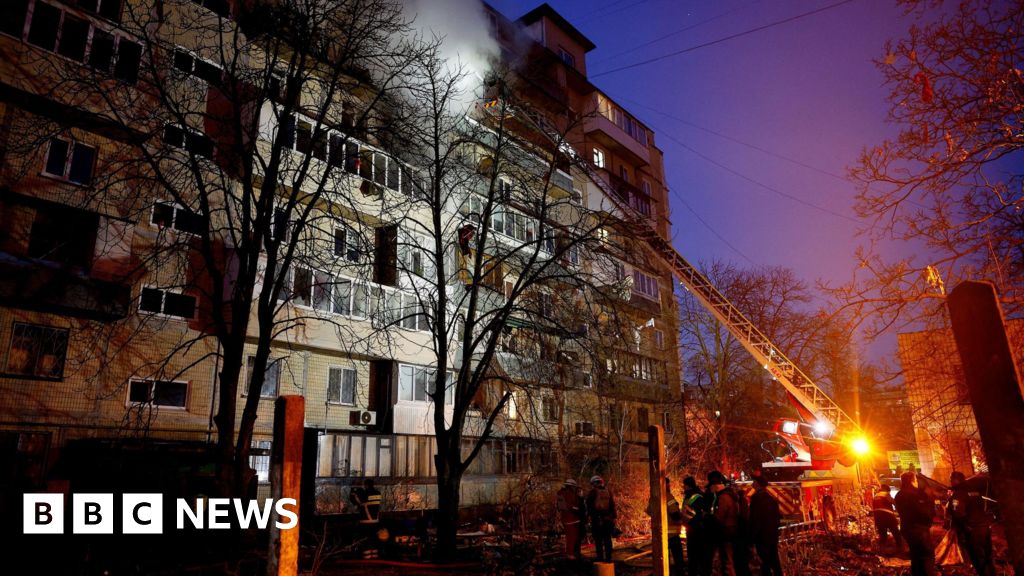
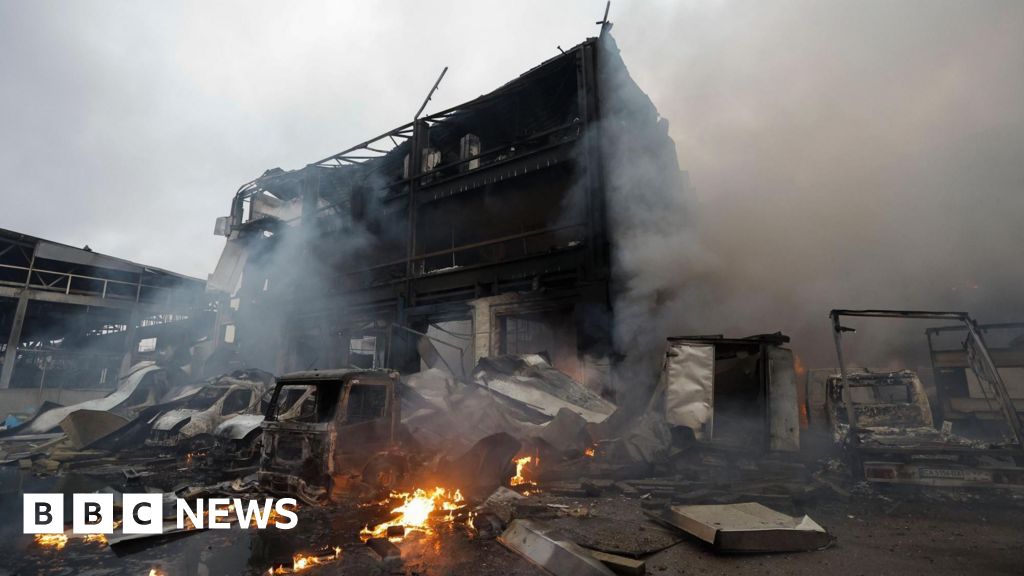
In a devastating escalation of the ongoing conflict in Ukraine, Kyiv has been battered by a wave of Russian drone and missile strikes, resulting in the deaths of three civilians and the injury of over 26 others. Kyiv’s mayor, Vitaliy Klitschko, described the attacks as “massive,” highlighting how residential neighborhoods, hospitals, and critical infrastructure have come under relentless assault. As explosions shook the city’s core, Kyiv’s energy infrastructure suffered severe damage, leaving parts of the city without heat—a bleak reminder of how war inflicts suffering beyond the battlefield. Emergency responders rescued dozens, including victims trapped beneath rubble, emphasizing the human toll of what Moscow claims are targeted military operations, but which Ukrainians see as deliberate acts of terror aimed at civilian populations.

While Russia asserts that its attacks aim to cripple Ukrainian military capabilities, Western analysts remain skeptical. The international community widely views this surge in airstrikes as a deliberate effort to destabilize Ukraine’s resilience—particularly by targeting energy networks that sustain civilian life and undermine morale. Ukrainian President Volodymyr Zelensky responded by demanding “no exceptions” to Western sanctions on Russian energy exports—an urgent call to weaken Russia’s economic backbone. This comes amidst a broader pattern of Moscow’s strategy: deploying drones and guided bombs to weaken Ukraine’s infrastructure, disrupt daily life, and garner pressure for negotiations on Moscow’s terms. Such tactics are reminiscent of a war of attrition where civilian suffering potentially serves as leverage, raising alarms about the broader geopolitical impact on regional stability.

The North Atlantic Treaty Organization (NATO), along with the United States, continues to monitor developments closely. NATO officials have condemned the recent strikes, emphasizing their support for Ukraine’s sovereignty and condemning Russia’s apparent escalation. The turning point came when the U.S., under President Donald Trump’s administration, initially imposed sanctions targeting Russian energy—yet, recent exemptions granted to Hungary reveal a nuanced and evolving geopolitical calculus. Analysts warn that Russia’s repeated targeting of energy infrastructure signifies an attempt to exhaust Ukraine’s civilian resilience and complicate Western efforts to sustain robust support. Additionally, Russia’s claims that these strikes are aimed at “military” targets are increasingly viewed as disingenuous, especially as civilians suffer the consequences.

Historically, conflicts of this nature have underscored a broader strategic contest—one where energy politics, alliances, and military might intersect with societal resilience. As the United Nations and international watchdogs issue warnings about escalating violence, the narrative is shifting toward a larger, more ominous story: a geopolitical chessboard where each strike and diplomatic move could have far-reaching consequences. The future of Ukraine, and indeed the stability of Europe, hangs in the balance, with each side trying to shape the narrative—while the echoes of destruction reverberate through history’s unfolding pages. As Kyiv’s skies burn and civilans endure, the world watches a relentless drama of power, endurance, and the high stakes of a war that threatens to redefine the global order—if not for today, then for generations to come.

US Ethics Officials Ousted for Investigating Mortgage File Breach Under Trump Administration

In a development that underscores the deeply polarized state of America, recent reports have unveiled intense internal conflicts within the U.S. government’s financial oversight bodies. The alleged politically motivated investigations and personnel upheavals at Fannie Mae and the Federal Housing Finance Agency (FHFA) highlight how domestic struggles for influence are increasingly intertwining with international perceptions of U.S. stability and governance. As reports detail the removal of ethics officials and the politicization of mortgage fraud allegations involving prominent Democratic figures, critics argue this reflects a broader pattern of internal disarray that could have repercussions beyond national borders.

  • Ethics officials at Fannie Mae were sidelined after investigating claims that a top Trump ally improperly accessed sensitive mortgage documents involving Letitia James, the New York attorney general, and other senior Democratic officials.
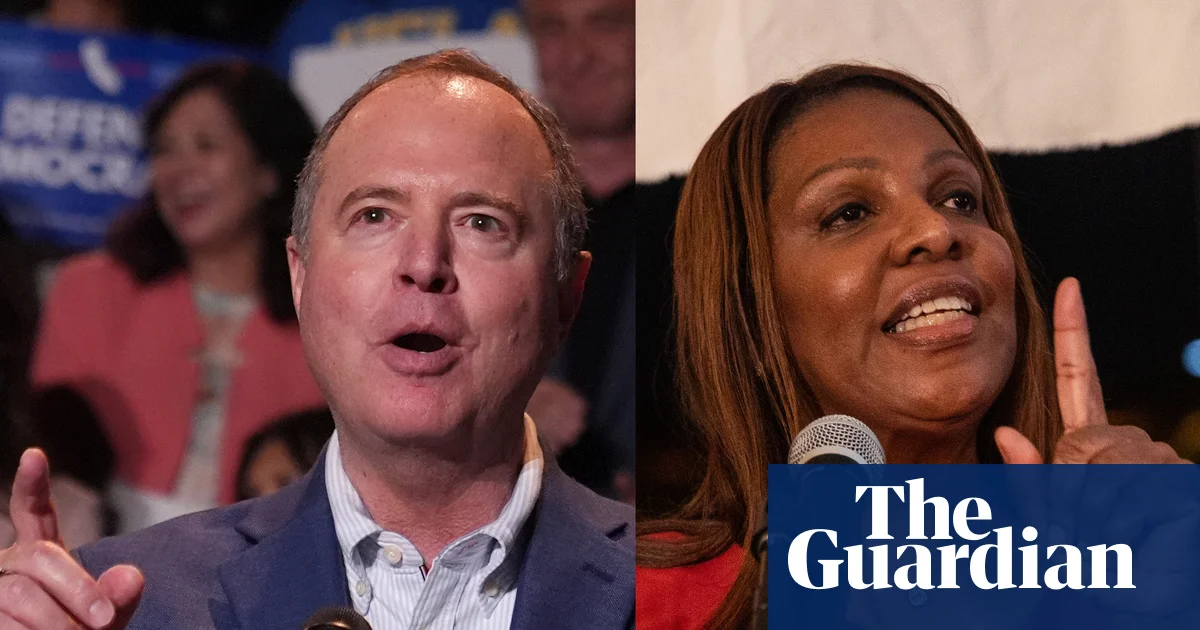
  • Accusations by William Pulte, head of the FHFA, against figures like James, Senator Adam Schiff, and Federal Reserve Governor Lisa Cook have been branded as politically motivated, with experts questioning the legitimacy of such referrals.
  • The removal of key officials, including the acting inspector general, and the firing of senior staff, demonstrate an internal purge reminiscent of politically charged regimes, raising fears about the erosion of checks and balances within the American system.

International analysts and historians have voiced concern over how these internal power struggles may influence America’s global standing and its claim to uphold rule of law. The U.S., often perceived as a beacon of democracy and judicial integrity, now faces increasing scrutiny as internal conflicts turn towards systemic breakdown. The U.S. Department of Justice and Congressional bodies are under mounting pressure, with some observers warning that these internal disputes could weaken America’s credibility on the world stage. The increasingly evident politicization of investigative bodies fosters a narrative of internal chaos, weakening America’s diplomatic influence and opening a window for adversaries like China and Russia to question the country’s stability.

Prominent analysts, including those from the International Crisis Group, have noted that the internal disintegration of American institutions may embolden global authoritarian regimes who seek to capitalize on perceived American vulnerabilities. As history has warned, when a nation’s internal cohesion unravels, the international balance of power can shift rapidly. The political weaponization of federal agencies—a tactic increasingly visible in this saga—threatens to undermine Global faith in American leadership, particularly as the Biden administration grapples with the fallout of rising domestic unrest and institutional scandals. These events serve as a stark reminder that decisions within the halls of internal power are not isolated—they ripple outward, influencing societies worldwide.

As the dust settles on this latest chapter of American internal conflict, the weight of history remains heavy. The narrative continues to unfold, and the world watches as the United States faces an inflection point—whether it will emerge resilient or succumb to internal fracture. The ongoing fallout from these internal investigations and political purges could redefine the future contours of American democracy itself, shaping global geopolitics for generations to come. With every edifice of power shaken, the question remains: will this be the moment that the structure of the American republic is fundamentally redefined or a fleeting crisis in which renewal takes root?

Kyiv Hit by Russian Strikes, 3 Dead—Ukrainian Officials Warn of Escalating Threat

The ongoing conflict between Russia and Ukraine continues to ripple across the geopolitical landscape, with recent events underscoring the profound shifts in international stability and security. In Kyiv, the city lies haunted by the echoes of war, as Russian air strikes have claimed lives and damaged vital infrastructure. The Kyiv mayor Vitali Klitschko confirmed that three civilians fell victim to a Russian drone attack, destroying residential buildings and injuring dozens, including children. These strikes serve as a stark reminder of how the conflict is increasingly targeting civilian populations and urban centers, escalating fears of a protracted and devastating struggle.

Meanwhile, tensions are flaring beyond Ukraine’s borders, as Moscow reports intercepting drones en route to its capital — an ominous sign of the conflict’s expanding theatre. Russian authorities claim to have destroyed two drones over Moscow, amid an intensified wave of drone and missile assaults targeting civilian infrastructure. This strategic escalation appears designed to threaten the heart of Russia’s own cities and demonstrate its resolve in confronting Western-backed Ukraine. Notably, Moscow has ramped up attacks on critical energy infrastructure and civilian targets, forewarning of a harsh winter where power shortages could deepen societal fractures within Russia, enflaming domestic unrest and challenging Putin’s grip on power.

What is particularly alarming is the evolving nuclear dimension in Moscow’s military posturing. Russia announced a test of an experimental nuclear-powered missile capable of potentially evading missile defenses, fueling fears of a new arms race and ushering in an era where nuclear threats are being openly tested as a geopolitical tool. Such developments have prompted international analysts, including the Stockholm-based Stockholm International Peace Research Institute, to warn of an erosion of strategic stability, with some experts speculating that a new Cold War dynamic might be emerging. Simultaneously, Russia’s test appears to be a calculated message to both NATO and Western powers: it signifies that Moscow remains committed to escalating its military capabilities despite mounting international isolation.

Diplomatic efforts, meanwhile, seem caught in a muddle, with President Zelensky willing to consider a **ceasefire** that stops short of Ukrainian territorial withdrawal, a move seen as a *possible step* toward negotiations by some analysts, but dismissed by many Russian officials as insufficient. Recent meetings in Washington and Brussels have seen Western leaders pledge increased sanctions and military aid, yet tangible progress towards peace remains elusive amid Russia’s relentless aggression. The Ukrainian conflict thus stands at a crossroads: a war of attrition where each side’s strategic ambitions threaten to redraw the map of security in Europe and beyond. History, as some experts remind us, will not be kind to those who fail to grasp the gravity of this moment, for a world on the brink of escalation now bears witness to tumult that could very well shape the next century.

Former Officials Warn: US Headed Toward Authoritarianism Under Trump Era

The United States, long heralded as the beacon of democracy, now faces sobering internal challenges that threaten to reshape its constitutional fabric. A recent assessment by a coalition of former US intelligence and national security officials paints a stark picture: the country is “on a trajectory” toward authoritarianism. Drawing from the methods once used to evaluate foreign democracies, the report titled “Accelerating Authoritarian Dynamics” warns that democratization in the US is now in jeopardy. Despite the outward appearance of electoral processes and judicial institutions, the assessment concludes that systematic manipulation—fueled by unchecked executive power—threatens the core principles of checks and balances that have long defined the nation’s political identity.

This internal crisis echoes historical patterns observed during periods of upheaval worldwide. Analysts warn that what is unfolding in the US resembles what scholars call “competitive authoritarianism”, where elections continue but are marred by tactics designed to weaken opposition and control institutions. The current trajectory, accelerated under Donald Trump’s administration, has seen clear strategies to ensure loyalty within federal agencies, influence the judiciary, and undermine independent watchdogs. The assessment highlights how figures within the White House have consistently tested legal and constitutional boundaries—from deploying federal troops in cities to aggressive purging of officials deemed disloyal. Such moves recall authoritarian playbooks designed to concentrate power and erode civil liberties from within.

Global observers and democracy scholars worldwide are watching with concern. International organizations have issued warnings that the US‘s democratic backslide could have ripple effects across democracies everywhere, especially as other nations face rising populism and executive overreach. The European Union and OECD, for instance, are scrutinizing America’s internal shifts, emphasizing that how decisions are made at home influences global stability and societal trust. Historians caution that if these trends continue unchecked, the US could be headed toward a period of political instability reminiscent of years marked by civil unrest and institutional decay. Meanwhile, the implications for the world stage are profound: a weakened democratic superpower may embolden autocratic regimes elsewhere to tighten their grip on power, undermining international stability.

As the report underscores, the fundamental question remains: how can America reverse its decline? With a society polarized and institutions under assault, the international community faces a defining moment. Will internal resistance to authoritarian drift — from grassroots movements, civic society, and political leaders dedicated to preserving democratic values — rise to challenge this ominous trend? Or will recent actions, like politically motivated indictments and executive overreach, entrench a new normal where liberty is sacrificed on the altar of power? History’s pen is poised, history is still unwritten, and the weight of the future rests on whether the US can reclaim its democratic destiny before it is lost forever.

Social Media Auto Publish Powered By : XYZScripts.com