Matox News

Truth Over Trends, always!

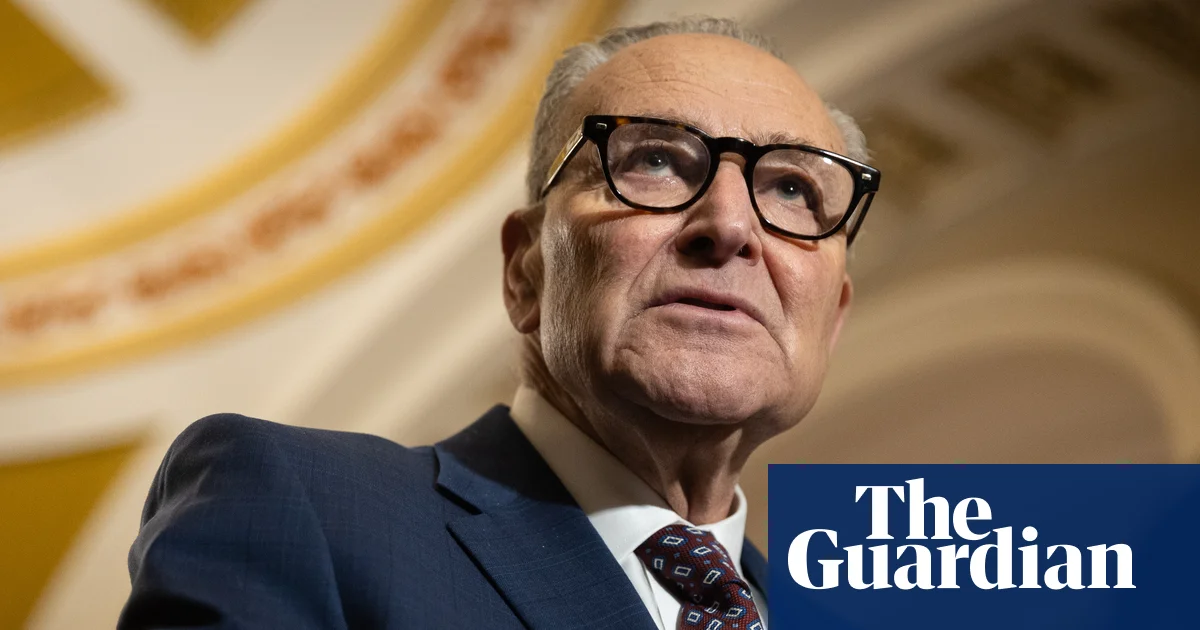
Senate OKs Deal to Keep Government Open and Tackle ICE Rules

The United States faces a pivotal juncture as the Senate has approved a crucial government funding package amidst rising domestic turmoil. The approval, in a 71-29 vote, signals an unusual moment of bipartisanship, reflecting the heightened tensions surrounding nationwide debates over immigration enforcement and the role of federal agencies such as ICE. This legislative maneuver comes against the backdrop of a series of tragic incidents, notably the deaths of Alex Pretti and Renee Good—both American citizens killed amidst federal police operations in Minneapolis. These events have ignited debate over police and enforcement accountability, exposing the complex intersection of immigration policies and civil rights, and highlighting the potential long-term geopolitical impact of American internal conflicts.

Despite the Senate’s convergence, the legislation faces uncertainty in the House of Representatives, which is currently out of session. A looming partial shutdown threatens to paralyze government functions if disagreements persist. As the Biden administration and Republican lawmakers grapple over DHS funding and reforms, many Democrats are pushing for reforms that would impose transparency and accountability measures—such as mandatory body cameras and restrictions on aggressive patrol tactics. Historians and analysts warn that these internal struggles may not merely affect domestic governance but could ripple globally by undermining the perceived stability and moral authority of America on the world stage. The ongoing debate underscores an enduring truth: that internal American conflicts often serve as a mirror for geopolitical shifts, especially with rival powers like China and Russia closely watching.

In an intriguing twist, prominent figures like Senator Bernie Sanders sought to reallocate military-grade funds toward domestic priorities like healthcare, symbolizing a broader contest over America’s resource allocation and values. While the Senate approved the budget with bipartisan support, division persists, especially among Republicans eager to attach conservative legislation such as the Save Act. The possible inclusion of restrictive voting laws and other conservative measures threaten to deepen the internal divide, with analysts warning that the outcome will shape America’s future on multiple levels. As Senator Schumer advocates for targeted reforms, Republicans warn that any capitulation to progressive demands could fracture their fragile majority—raising fears that a failure to unify might not only cause a shutdown but also signal a broader political realignment.

Meanwhile, the global implications of this domestic crisis are profound. China and Russia observe these power struggles with keen interest, recognizing that American internal divisions weaken the nation’s capacity to project power and influence. The bipartisan disagreements over immigration enforcement and government spending highlight how internal reform debates serve as a precursor to broader geopolitical trends. As former historians and international observers warn, these internal fissures threaten to diminish America’s standing on the global stage, emboldening adversaries and testing alliances with traditional partners. The current crisis is not merely about budget bills—it is a mirror reflecting the profound uncertainties looming over the world’s most powerful democracy. History remains unwritten, and the weight of the future now hangs heavily in the balance, as the US edges closer to another defining moment in its tumultuous saga.
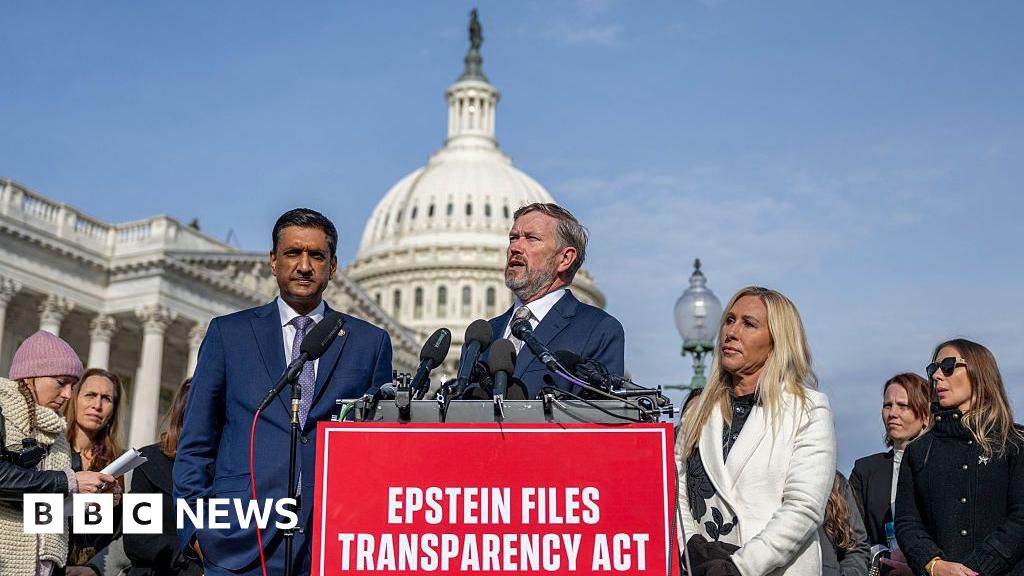

Congress OKs Epstein Files Bill—Heads to Trump’s Desk for Action

In a decisive move that underscores the persistent shadows of American political secrecy and deep-state intrigue, both chambers of Congress have agreed to order the release of classified files related to the notorious financier and sex offender Jeffrey Epstein. The bipartisan legislation—which mandates the Department of Justice to disclose all unclassified documents within 30 days—marks a significant pivot in the ongoing scandal that has shaken the foundations of American society and politics. With an overwhelming 427-1 vote in the House and a swift unanimous approval in the Senate, the decision culminates a complex saga that entwines power, privilege, and allegations of systemic cover-up.

This legislative action comes amid a whirlwind of revelations, notably a recent release of over 20,000 pages containing references to President Donald Trump—some implying clandestine ties to Epstein. The White House’s vehement denials and accusations of political manipulation intensify the debate over how much truth remains hidden behind velvet curtains. Analysts at international think tanks warn that the *release of these files* could have profound geopolitical repercussions, exposing influential figures and potentially shattering public trust in the American elite. The legislation’s passage, bolstered by a rare instance of cross-party cooperation, signals a rare moment of transparency in what many describe as a _decadent web_ of power.

Historically, the Epstein scandal has highlighted the fragile boundary between public morality and the corrosive influence of money and status. Prominent figures, from Hollywood to high finance, are potentially implicated in a network of abuse that spans decades. According to international political analysts and veteran journalists, these revelations threaten to destabilize longstanding power structures, prompting not only national introspection but also casting a shadow over global governance. Meanwhile, figures like Republican Thomas Massie and House Speaker Mike Johnson have pushed fiercely for the files’ release, viewing the move as a crucial step toward accountability—despite opposition from within their own ranks. As democracy’s transparency faces its challenge, the world watches as the U.S. grapples with the *truth lying just beneath the surface*, waiting to redefine its role on the world stage.

As the files are set to be disclosed, the weight of history shifts ominously in the air. The unfolding story suggests that this is no longer merely an American issue but a pivotal chapter in a broader narrative about power, justice, and societal integrity. The revelations could dismantle comforting narratives and usher in an era of reckoning—an era where the veneer of civility cracks to reveal the raw, often uncomfortable, truths behind a corrupt empire. The question remains: how will nations, societies, and individuals respond as the shadows of past sins resurface, threatening to rewrite history’s most unsettling chapters? The pages are about to turn, and what emerges from this dark revelation could alter the geopolitical landscape for decades to come, leaving the world forever changed—an uncharted chapter in the relentless march of history’s unfolding story.

RMT OKs Three-Year Pay Deal for London Underground Staff—A Win for Workers and Efficiency

London Underground Workers Secure Historic Pay Agreement Amid Global Labour Trends

In a significant development that underscores the shifting landscape of labor negotiations within the United Kingdom, the RMT union has accepted a three-year, inflation-linked pay deal for London Underground workers. This agreement concludes a contentious period marked by widespread strikes and travel disruptions that had frozen the city’s bustling transportation network in September. By securing a deal that increases driver salaries to nearly £80,000 by 2027, union leaders have demonstrated that organized, strategic strike action can effect substantial gains in negotiations traditionally shaped by government austerity and corporate resistance.

This deal, starting with a backdated 3.4% increase from April, ties wages directly to RPI inflation, a more generous index than the commonly used CPI. The broader impact is undeniable: it reflects a growing recognition that inflation adjustments need to include real costs such as housing, which has long been a source of worker frustration and economic hardship. The total value of the deal is projected to be at least 9.2%, setting a precedent for similar wage demands across the UK’s transport sector. The union’s assertion that it will pursue comparable increases elsewhere signals a potential wave of workforce activism, empowered by recent successes in collective bargaining.

Geopolitical and Social Ramifications: A Message for Global Workers

From an international perspective, this development has profound geopolitical impact. It exemplifies a shift toward more assertive labor movements in Western countries, challenging the narrative of dwindling union power. Historians and analysts, such as Dr. Emily Saunders from the International Labour Organization, point to this as a landmark moment where organized labor effectively leverages strike action to renegotiate power dynamics with both government and corporate interests. Such actions reverberate beyond London, inspiring workers across Europe and North America to mobilize around demands for fair wages and decent working conditions, especially amidst rising living costs and economic uncertainty.

For the UK, this agreement raises questions about how decisions made in the boardroom and negotiated through industrial action will shape societal stability and policy. The government and transport authorities face increased pressure to address systemic issues, such as housing affordability and productivity measures that historically marginalize workers. The union’s rejection of proposals like a reduced 32-hour workweek underscores ongoing tensions between labor interests and managerial visions of efficiency, which could serve as catalysts for broader reforms or intensified conflicts.

Decisions That Will Define Future Global Power Dynamics

As the UK navigates this new era of labour activism, international organizations warn of a turning point in global power dynamics. The European Union and OECD have closely monitored these developments, recognizing that the strength of trade unions directly influences national stability and economic resilience. The successful leverage of strike action in London may recalibrate how governments and corporations approach negotiations worldwide, especially as inflation continues to surge and societal inequalities deepen. Critics caution that without reforms, such victories could be short-lived or lead to unintended economic consequences, but proponents see them as a necessity for restoring fairness and societal cohesion.

In the haunting shadow of history, the potential for this wave of worker activism to catalyze seismic shifts in policy looms large. The question remains: Will this renewed assertion of workers’ rights be met with meaningful reform, or will it ignite further tensions that threaten to fracture societies? As these events unfold, the world watches with bated breath—history’s pen poised to inscribe the next chapter in the centuries-long struggle for justice and equitable power in the workplace.

Social Media Auto Publish Powered By : XYZScripts.com



