Matox News

Truth Over Trends, always!

Top Picks for Young Conservatives: Gisèle Pelicot, Olympic Politics, and European Dating Hacks | US News

Global leaders’ aspirations for a US-free world order signal a seismic shift in international geopolitics

In recent discussions among world policymakers, a provocative question emerges: do the prevailing ambitions for a US-free international order have any real chance of materializing? As analyzed by prominent historians and geopolitical strategists, this aspiration reflects a broader discontent with American dominance. Key figures in China and Russia have openly voiced their desire to reshape the global landscape—aiming to diminish western influence and forge alliances that prioritize sovereignty over globalist agendas. Such narratives underscore a shift away from the post-Cold War American-led order, risking a fragmentation of international institutions and a new era of bipolar or even multipolar power contrasts. This emerging reality could redefine global stability, as nations pivot towards regional blocs and assert their independence from the previous enclave of U.S. influence.

Major international sporting events like the Winter Olympics are becoming political battlegrounds, foreshadowing the tensions of LA 2028

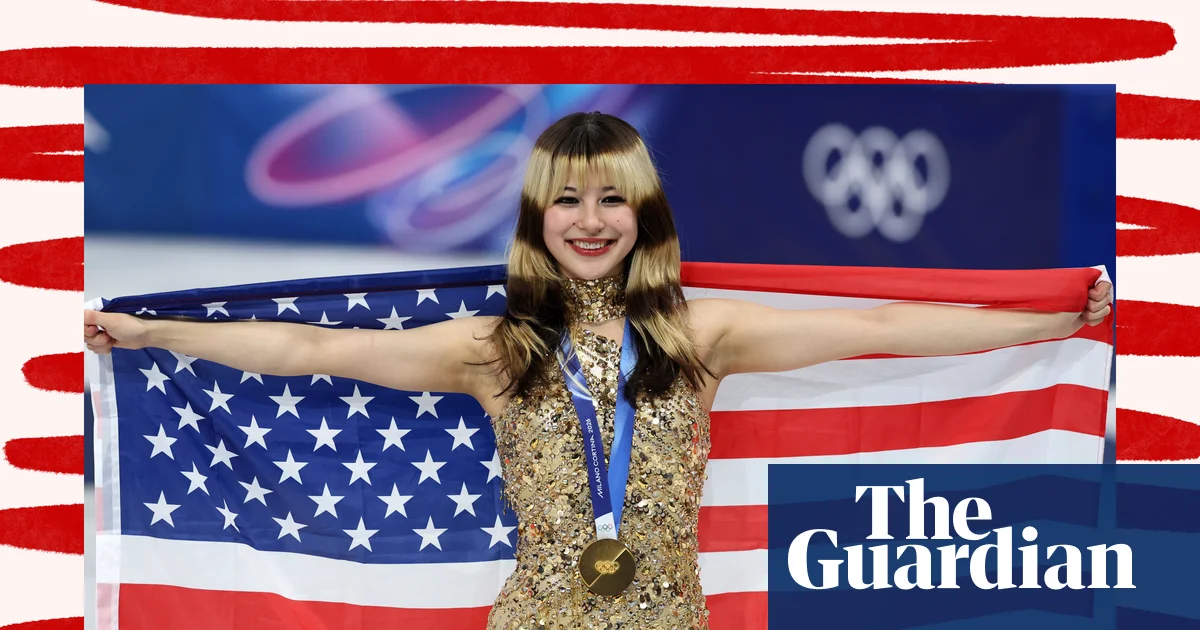
The recent Winter Olympics held in Milan-Cortina vividly illustrated how sports diplomacy is now intertwined with geopolitical dissent. From the US men’s hockey team’s playful yet meaningful exchange with then-President Trump to the fierce backlash against critics of President Biden’s policies, the event was fraught with political symbolism. Analysts suggest that the upcoming LA 2028 Olympics will elevate this trend, transforming a global athletic showcase into a platform for political messaging and ideological contestation. Such developments threaten to polarize international audiences, turning once-unifying events into spectacles of rivalry that ripple through diplomatic channels.

Institutions like the International Olympic Committee are under increased scrutiny, caught between catering to international unity and navigating the rising tide of nationalist narratives. As historian John Lewis Gaddis warns, these games could accelerate the disintegration of overarching global camaraderie, replacing shared cultural identity with geopolitical allegiances that threaten global stability.

Behind the high-profile royal scandals and personal exploits lies a broader crisis of moral authority and social trust

The recent revelations surrounding Prince Andrew exemplify how the veneer of privilege is collapsing under the weight of public scrutiny and allegations. Biographers and critics alike describe a narrative of excess, exploitation, and the relentless pursuit of personal gain—characteristics that resonate in a world grappling with declining faith in traditional authority structures. The reputation of royalty is increasingly fractured, an emblem of fading moral certainty amid ongoing societal upheaval. This erosion of social trust spurs a reevaluation of leadership at all levels, fostering a youth-based skepticism toward elites and fueling demands for accountability across the board.

As one international analyst observes, these scandals are part of a larger pattern where institutions once revered—whether royal, political, or religious—are now being scrutinized, challenged, and sometimes dismantled. The resulting cultural turbulence is forcing societies to reconcile the loss of traditional anchors and to forge new identities rooted in transparency and resilience.

History’s shadow looms as the narratives of trauma, resilience, and hope intertwine in the global consciousness

From 9/11 to the current upheavals, the human story is defined by moments of profound crisis and renewed hope. The haunting melodies of William Basinski’s The Disintegration Loops echo a collective memory of pain and perseverance, embodying how societies interpret tragedy as both a warning and a catalyst for change. These narratives serve as stark reminders that history remains an ongoing, often unpredictable, process—where every act of resilience shapes future trajectories.

As nations stand at crossroads—faced with geopolitical ambivalence, cultural disintegration, and the persistent quest for stability—only time will reveal which stories will be written into the annals of history and which will fade into obscurity. The current mosaic of crises, ambitions, and struggles reminds us: every decision, every conflict, every hope fuels the relentless march of history’s unyielding tide.

Lindsey Vonn's Olympic bid ends in crash as Breezy Johnson takes gold for Team USA
Lindsey Vonn’s Olympic bid ends in crash as Breezy Johnson takes gold for Team USA

The recent alpine skiing race, marked by the dramatic crash of American skier Lindsey Vonn, underscores not only the peril inherent in high-stakes sports but also reflects broader themes of resilience, international competition, and the shifting landscape of global leadership. Vonn’s bold decision to compete despite a torn ACL—claiming her injury was “100% torn” and her determination to replicate her 2010 Olympic gold—embodies the fiercely competitive spirit that dominates international sports today. Her defiance, showcased through social media and gym training videos, inspired fans worldwide and highlighted the intense personal sacrifices athletes make on the global stage.

Yet, the crash exposed more than just individual resolve; it revealed the inherent risks that accompany the pursuit of national pride and international dominance in sports. Commentary from British Olympian Chemmy Alcott and experts on the BBC highlighted the brutal conditions of the piste and the perilous nature of alpine downhill racing, especially amid unpredictable weather changes. The fact that the snow was melting due to midday sun and long delays added an unpredictable element that could tilt the outcome against even the most skilled competitors. Such risks—metaphorically echoing geopolitical tensions—underscore how nations push their limits in pursuit of supremacy, often at the expense of safety and stability.

Analysts and international organizations have long warned of the *”costs of relentless competition,”* both in sports and geopolitics. The incident at the race becomes a pressing reminder of *how decisions and risks taken on the international stage* directly influence societal perceptions and policy directions. The crash of Vonn, with another skier, Cande Moreno, similarly injured and airlifted, symbolizes the volatile nature of modern competitive environments—where prestige is often achieved at extreme costs. As one historian, Dr. Laura Mitchell, notes, “Such moments are turning points—reminding us that even in the pursuit of glory, human vulnerability remains paramount, and the price of ambition can be high.”

In a broader geopolitical context, this event mirrors the dynamics of *renewed global rivalry and uncertain stability*. Countries are investing heavily in their athletes and national image, paralleling strategic investments in military and diplomatic spheres. The *“risks,”* both physical and political, are interconnected—what happens in the icy slopes of a ski course today echoes in the corridors of power tomorrow. As international analysts pace the shifting chessboard of power, the question remains: how much longer can nations continue to push boundaries before the inevitable reckoning?* The story of Vonn’s crash is not merely about sports; it is a poignant chapter in the ongoing saga of a world balancing on the edge of progress and peril, where every fall echoes across the geopolitical landscape—reminding us that history is still unfolding in the most unexpected of arenas, often with devastating consequences.

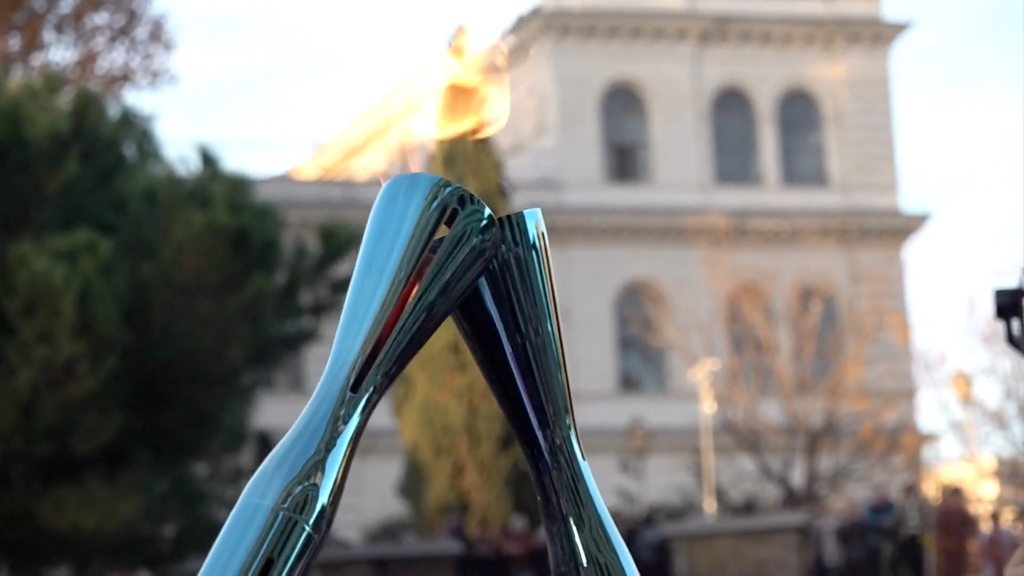
Olympic Flame Reaches Rome as Winter Games Near—Italy Prepares for Winter Sports Celebration

The Upcoming Olympic Winter Games Milano Cortina 2026 and Its Global Significance

As the world anticipates the Olympic Winter Games Milano Cortina 2026, slated to unfold in February, geopolitical analysts are observing more than just the medals and athletic feats. This event signifies a pivotal moment in how nations project soft power and shape international perceptions amidst a rapidly shifting global order. Historically, host nations leverage the Olympics to bolster national pride and foster diplomatic ties; however, in today’s geopolitics, the games also serve as a litmus test for global stability and regional influence.

The transition from hosting merely a sports spectacle to a symbol of soft power underscores the importance of international diplomacy in sports diplomacy. Countries like Italy seek to leverage the games to showcase the resilience and unity of European traditions amidst renewed challenges—ranging from economic strains to geopolitical rivalries. Milano and Cortina, historically vital centers of culture and commerce, will become stages for a broader contest—not just of athletic achievement but of influence. According to analysts from the International Institute for Strategic Studies, the Olympics often serve as a mirror to broader political currents, revealing underlying tensions or alliances that might soon shape global events.

The Geopolitical Landscape: Shifts and Challenges

In recent years, global institutions and major powers have recalibrated their strategies for influence. The U.S.-China rivalry, Russia’s relationships with Western nations, and the European Union’s quest for strategic unity all shape the backdrop against which Milano Cortina 2026 will unfold. While Italy aims to present itself as a stable and unifying force, critics from various geopolitical corridors warn of the increasing instrumentalization of multi-national events. The U.S. and China, for example, are already competing to use the Games as platforms for soft power, signaling their global ambitions through diplomatic gestures and media narratives.

Meanwhile, the European Union faces internal upheavals and external pressures, including from Russia and Turkey. Many experts, such as Dr. Ingrid Müller of the European Policy Centre, observe that the Games could become a strategic chessboard—where the allegiances and rivalries of tomorrow are played out today. How Italy navigates these complex waters will not only determine the success of the event but also influence the continent’s trajectory in the broader geopolitical arena.

The Cultural and Societal Impact: A Reflection of Nations

The Olympics’ influence on societies extends beyond politics. It embodies a convergence of national identities, cultural pride, and youth aspirations. For many nations, particularly those in Europe and North America, the games symbolize resilience against societal fragmentation, economic hardship, and external pressures. As noted by international observers, the young generation views the Olympics as a culmination of years of national effort, hope, and unity. Their participation—whether as athletes or spectators—carries the weight of history and the promise of future cooperation.

However, critics argue that the Olympic platform also risks being marred by political symbolism and controversies, such as issues surrounding human rights and environmental concerns. Yet, despite these debates, the core message remains clear: -utilizing such a grand event to promote unity and progress remains central to the enduring spirit of international sports. America’s youth, alongside Europe’s, watch carefully, aware that every decision made now could ripple across decades—shaping the fabric of global affairs for generations to come.

The Unfinished Story of Global Diplomacy and Power

As history continues to unfurl beneath the towering icy peaks of the Dolomites and the sleek concrete of Milano, the 2026 Winter Olympics stands not just as a celebration of athletic excellence but as a testament to the enduring complexity of international relations. The medals to be won, the controversies to be debated, and the alliances to be forged will inevitably echo into an uncertain future. For now, the world holds its breath in anticipation, knowing that in this icy arena, the true battle for influence and identity is quietly heating up—an unseen struggle that will define the very course of history yet to be written.

Social Media Auto Publish Powered By : XYZScripts.com



