Matox News

Truth Over Trends, always!

Brazil’s Pinheiro Braathen grabs historic gold, South America’s first Winter Olympics medal—Winter 2026 heats up!

The 2026 Winter Olympics witnessed not only a display of remarkable athleticism but also significant geopolitical symbolism. Among the most striking narratives was the historic gold medal victory of Lucas Pinheiro Braathen, a young athlete representing Brazil. His achievement was historic: the first-ever Olympic medal for a South American athlete in Winter Games history. That moment transcended sports, carrying the weight of societal change and international perception. It showcased how individual determination can challenge prevailing narratives about nations, race, and identity on the global stage.

Pinheiro Braathen’s story is emblematic of broader shifts, especially in a world where international sporting events are increasingly intertwined with issues of sovereignty and cultural representation. Born in Oslo to a Brazilian mother and Norwegian father, the athlete’s personal journey of claiming his legacy in Brazil defies traditional stereotypes. His victory sends a strong message, emphasizing that how nations present themselves on the world stage can be reshaped by the resilience of individuals willing to defy conventions. Analysts suggest that such moments bolster soft power for emerging nations, which now see sports as a domain to redefine their global stature. Historically, the significance of representation in global events has been understood by international scholars as a catalyst for changing national identities and societal cohesion.

Meanwhile, the race itself was fraught with geopolitical undertones. Marco Odermatt, the reigning Olympic champion from Switzerland, secured silver—yet the story was about Braathen’s stunning underdog victory. The event echoed the persistent rivalry between traditional winter sports powerhouses and nations like Brazil trying to leave their mark. As noted by international commentators and historians, the move by Braathen aligns with a broader trend of non-traditional nations investing in winter sports—a strategy to assert emerging influence and stimulate national pride. These shifting dynamics signify a transformation in the geopolitical landscape, where soft power assets, such as Olympic medals, now serve as symbolic battlegrounds for international prestige.

Looking ahead, the implications for international institutions and world governance are profound. The IOC, forges alliances and promotes narratives of unity and progress, yet it is also a stage for geopolitical signaling. The inclusion of athletes like Braathen, who connect diverse cultural identities, reinforces an evolving global order emphasizing individual agency over old hierarchies. As global analysts track these developments, the broader question remains: how will nations leverage such stories to redefine their roles in a fractured world? The unfolding narrative of Braathen’s victory leaves us contemplating not just the glitter of medals but a deeper, more enduring story—one where the personal is intertwined with the political, and history is written not in grand treaties, but in the individual triumphs that challenge the status quo. As the world’s gaze turns from these fleeting moments at the Winter Olympics, the real story persists: in the shadows of icy slopes and soaring flagpoles, the future of international power dynamics continues to be shaped.

Cracking the Quadruple Axel: The Ultimate Challenge in Figure Skating’s Tech Race

Revolutionizing Figure Skating with Biomechanical Insights and High-Flying Innovation

2024 marks a pivotal year for technological disruption in sports biomechanics, as Toin University researcher Seiji Hirosawa unveils groundbreaking insights into the mechanics of quad axel jumps. Published in Sports Biomechanics, this study bridges the gap between science and athletic mastery, highlighting how advances in data analytics are transforming conventional understandings of elite athletic performance. At the core of this breakthrough is a focus on vertical jump height, an element previously underestimated in biomechanical evaluations. Hirosawa’s findings suggest that increasing flight height is not just a technical nuance but a strategic imperative in mastering the most complex ice skating maneuvers.

This revelation arrives amid a broader wave of disruption in sports technology, with innovations such as the Ice Scope tracking system providing unprecedented precision in performance analysis. Leveraging high-resolution data, researchers can now dissect minute biomechanical parameters—vertical height, horizontal displacement, and velocity—culminating in a granular understanding of athlete mechanics. As the industry evolves, insights driven by data-driven biomechanics are forcing traditional rating and training paradigms to adapt rapidly. Experts from institutions like MIT and analysts from Gartner highlight that such technological infusion not only enhances athlete performance but also shifts the economic landscape, intensifying competition among brands offering cutting-edge sports analytics tools.

The business implications of this shift are profound. Companies investing in AI-powered motion tracking, real-time analysis, and simulation software stand to redefine training regimes, offering athletes and coaches a distinct advantage in pushing performance boundaries.

  • Enhanced performance predictions through machine learning
  • Customized training plans based on biomechanical data
  • Early injury detection to extend athletes’ careers

These innovations threaten to disrupt legacy sports equipment manufacturers and propel tech firms into the spotlight, as the demand for smarter, more precise training solutions explodes. Notably, Elon Musk’s Neuralink and similar ventures exemplify the broader trend of merging human performance with advanced interfaces—an approach increasingly vital in high-stakes sports settings.

Looking ahead, the integration of biomechanics, AI, and wearable technology signals a transformative era for competitive sports. Athletes like Ilia Malinin exemplify this wave, leveraging scientific insights to push the limits of what’s possible—literally soaring to new heights. Yet, this rapid evolution also warrants caution; as technology becomes embedded in athletic training, it raises questions about fairness, accessibility, and the potential for new arms races. Industry leaders and policymakers must work with scientists to navigate these challenges proactively. Ultimately, the future belongs to those prepared to harness innovation at every stage—from biomechanical research to commercial application—where the winners will be those who act before the next big leap in athletic performance is achieved.

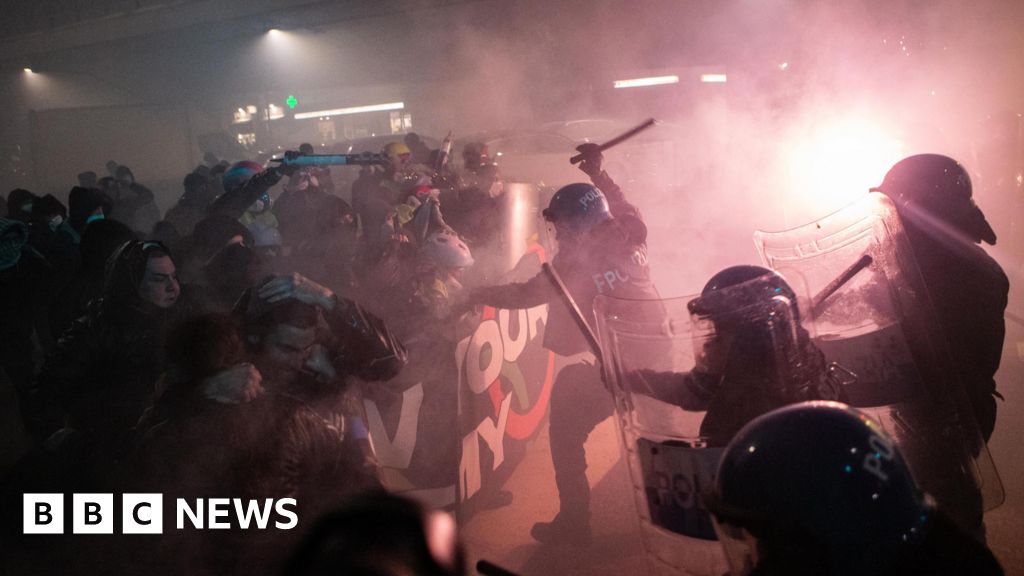
Italian cops crack down on protesters in Milan ahead of Olympics

In an unfolding development that underscores the persistent volatility of civil unrest across Europe, authorities in Italy have reported the detention of at least six individuals following a recent demonstration in Turin. This protest, initially intended as a rally for economic reform and social justice, swiftly escalated into violence, raising alarm across both national and international spheres. Such incidents highlight the fragile state of social cohesion in parts of the continent and draw renewed scrutiny on the government’s approach to civil dissent.

The violence erupted unexpectedly amidst a context of mounting economic pressures and political discontent, which have been vastly magnified by global uncertainties. The Ufficials confirmed that the unrest in Turin was not an isolated event but part of a broader wave of demonstrations sweeping through parts of Europe, fueled by frustration over rising inflation, unemployment, and perceived government indifference. Analysts from international think tanks are warning that these tensions may escalate if the underlying issues are not addressed, potentially destabilizing long-standing social contracts within European nations.

International organizations, such as the European Union and the United Nations, have issued cautious statements underscoring the importance of dialogue and restraint. However, the recent arrests in Italy serve as a stark reminder of how fragile the situation remains. Despite the government’s efforts to quell unrest, critics argue that heavy-handed security measures risk alienating the very populations they aim to pacify, potentially fueling further unrest. How this delicate balance will unfold could reshape the social fabric of the region for years to come.

Historians and geopolitical analysts increasingly warn that incidents like the Turin demonstrations are more than isolated clashes—they are emblematic of deeper, systemic shifts within the European order. As nations grapple with rapid economic and demographic changes, the decisions made today will determine the future of governance and social stability. Governments are under mounting pressure to find effective, just solutions that respect civil liberties while maintaining law and order.

As the world watches, the *story of Turin* continues to unfold, a powerful reminder that history is always in motion—each protest, each arrest, shaping the narrative of a continent at a crossroads. The tension in Italy echoes across borders, a stark warning that if policymakers do not heed the underlying issues, the consequences could ripple outward, threatening the very foundations of democracy and social harmony. The weight of history presses heavily, and the future remains uncertain, written in the choices made in these critical moments.

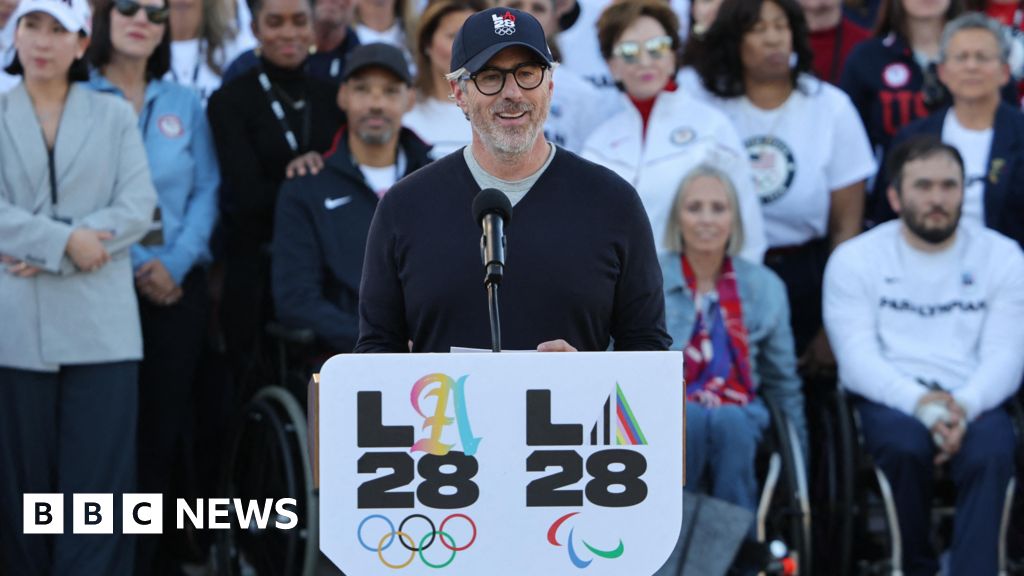
LA 2028 Olympics Chief Apologizes for Flirty Emails with Ghislaine Maxwell

In a development that has sent shockwaves through geopolitical circles worldwide, the US Department of Justice recently released a trove of classified and sensitive files, among which were the infamous emails of Casey Wasserman. While initially dismissed as a minor privacy breach, the publication of these documents underscores a broader trend of increasing transparency and vulnerability in international relations. As nations watch cautiously, analysts warn that this breach could have profound, long-lasting effects on diplomatic strategies and global power dynamics.

Historically, leaks of this magnitude catalyze shifts in how governments operate and communicate. The publication of Wasserman’s emails provides an unprecedented window into personal interactions that may, at first glance, seem trivial yet, in reality, reveal underlying tensions and alliances. International institutions such as the United Nations and regional alliances are analyzing how this breach impacts trust and cooperation among nations. Political commentators and defense strategists argue that such disclosures could embolden adversaries, increase espionage activities, and complicate ongoing diplomatic negotiations. In an era where information is the most potent weapon, the lines between personal and national security continue to blur.

From a geopolitical impact perspective, the release of these files symbolizes a paradigm shift in how nations may approach transparency and secrecy. Many experts, including prominent historians like Dr. Julia Armstrong, emphasize that the trustworthiness of international communication hinges increasingly on confidentiality. The exposure of private exchanges among influential figures can erode diplomatic norms that have, until now, underpinned global stability. Furthermore, this incident underscores a broader vulnerability in the digital age—a warning that even the most seemingly inconsequential private conversations are now subject to international scrutiny, paving the way for new doctrines of cybersecurity and information warfare.

As the fallout unfolds, it is clear that this breach is not an isolated incident but rather a harbinger of a new era where global institutions must adapt to a rapidly changing informational landscape. From treaty negotiations to military alliances, every facet of international relations is at risk. The reaction from strategic centers like NATO and the European Union reflects a shared sense of urgency: safeguarding operational confidentiality while navigating the treacherous waters of public disclosure. States are now compelled to rethink their models of diplomacy, weighing transparency against strategic secrecy in an increasingly interconnected world.

Ultimately, the story of Wasserman’s emails and the subsequent release by the US Department of Justice leaves a lasting imprint—a stark reminder that history is *still* being written, often on the digital battlefield. As nations grapple with the new realities of pervasive surveillance and information disseminations, the weight of this moment will be felt for generations. The question remains: will this serve as a catalyst for renewed international transparency, or will it deepen the existing chasm of mistrust? In the grand narrative of geopolitics, this is merely the opening chapter of a stirring, uncertain chapter yet to come.

US plans to deploy ICE agents at Winter Olympics, sparking Italian outrage

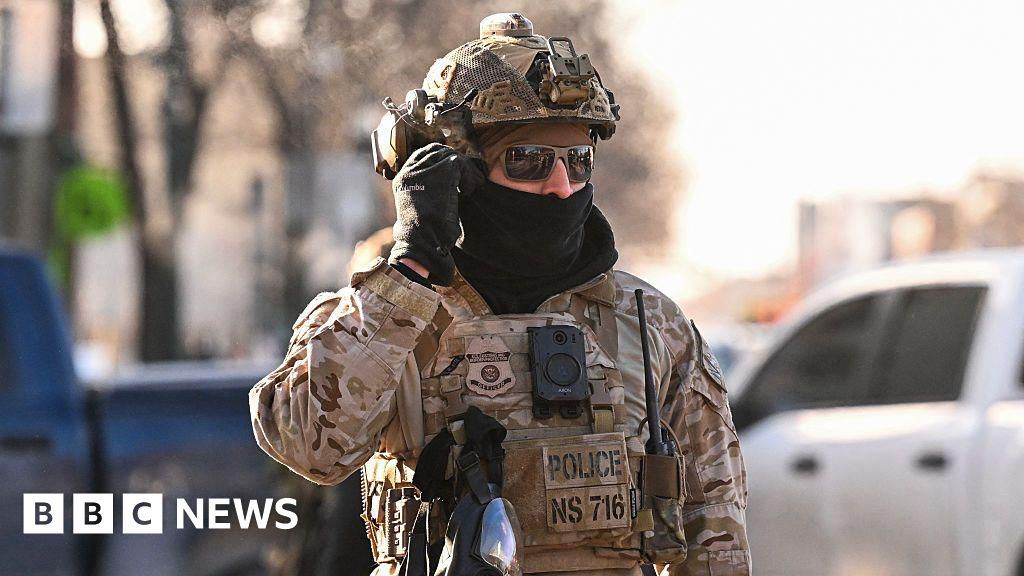
The United States has once again found itself at the center of an international controversy over its security policies, this time involving the presence of Immigration and Customs Enforcement (ICE) agents during the upcoming Winter Olympics in Milan, Italy. As the world prepares for the global event scheduled to run from February 6 to 22, a series of reports and diplomatic tensions have emerged, highlighting the far-reaching geopolitical impact of U.S. domestic security agencies extending their influence beyond American borders.

It was initially understood that the U.S. Department of Homeland Security (DHS) would provide support for security operations, a common practice at major international events. However, confirmation that ICE agents would be involved in support roles—distinct from direct law enforcement—prompted alarm among Italian officials and society. Milan’s Mayor Beppe Sala publicly condemned the move, likening the agents to a militia capable of deadly force and asserting they were “not welcome in Milan.” As images from Minneapolis surfaced, showing ICE agents involved in fatal shootings, the international community’s concern deepened. The controversy underscores a thorny question of sovereignty and how an internal U.S. agency’s actions can influence perceptions of Italy’s ability to guarantee its own security, especially when foreign agencies might operate on its streets.

The Italian government, eager to reassure allies and its citizens, insisted that “all security operations at the Olympics are directed and managed exclusively by Italian authorities.” Nonetheless, it became apparent that the US planned to set up an operations room at its Milan consulate, with various federal agencies ready to work jointly with Italian agencies to mitigate risks. Although official statements emphasized that ICE would only play a supportive, counter-terrorism role, the unsettling images and reports have ignited a wave of domestic dissent. Critics within Italy, including the opposition, have questioned the propriety of foreign agents operating within Italian territory, especially given the recent violent incidents involving ICE officers—most notably the fatal shooting of Pioneer Nicole Good in Minneapolis.

Analysts and international observers such as historians and think tanks warn that these incidents exemplify a broader erosion of sovereignty and a dangerous precedent for national security cooperation. The European Union and other global institutions are increasingly concerned about the United States’ expanding domestic security presence abroad, which some argue risks turning international events into potential battlegrounds for American agencies wielding lethal force. As Italy navigates the delicate balance of safeguarding its international reputation while hosting a major sporting event, the controversy leaves a lasting warning to the world about the consequences of unchecked transnational security policies. As the Winter Olympics commence, the weight of history remains heavy, reminding us all that the lines between national sovereignty and international cooperation are often blurred, and that decisions made today will ripple through the corridors of power for generations to come.

Social Media Auto Publish Powered By : XYZScripts.com